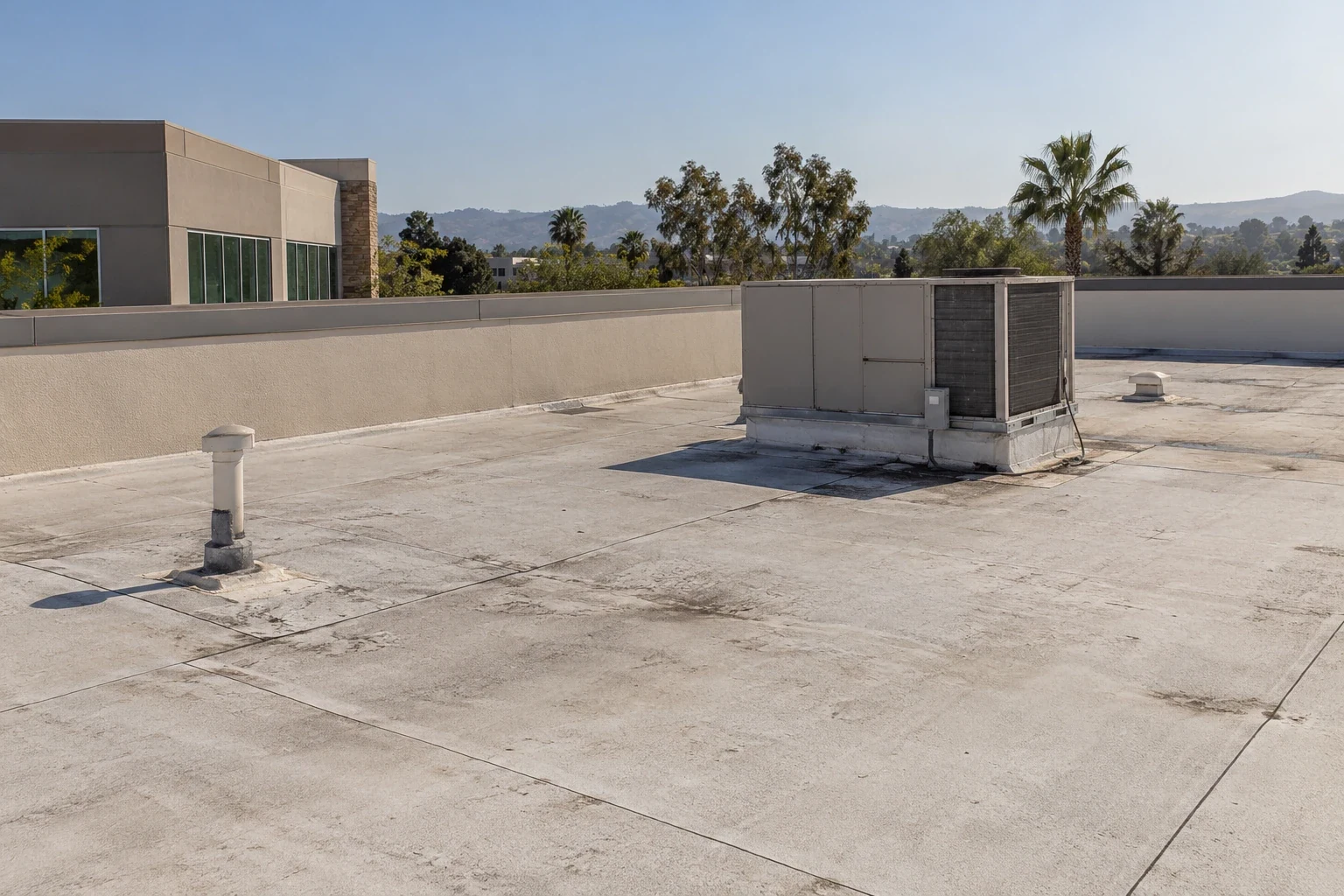
Summer heat may be on a Temecula building owner's mind, but a leaking HVAC curb still needs both the roof side and the equipment side checked before money goes into a replacement. Rooftop equipment curbs and supports in Temecula, CA, ties the roof flashing to the support and equipment work that has to be ready at the same time. A restaurant equipment curb repair proposal should cover the unit, the condition of the curb and who moves the equipment, alongside the flashing scope, especially when the kitchen cannot shut down a unit just because roofing crews are ready. At a Perris restaurant, we first find out whether the unit can be shut off during the roofing window before setting the curb repair sequence. We confirm the unit contact, the curb condition and the membrane tie-in to tell a flashing repair from a bigger support repair. A building along the Rancho California Road corridor may have different equipment and access, so each curb gets its own look. The roofing scope does not assume unit replacement, structural capacity or electrical disconnects unless those are assigned to a qualified trade.
We check the curb and the flashing around it, noting any separation, visible rot or rust and spots blocked by the unit. The condition of the roof flashing is recorded next to the condition of the unit, without blaming one for the other on looks alone. A curb and flashing inspection sets those limits before a proposal assumes every existing curb part is fine to keep.
When something has to come off, we agree in advance on how hidden damage gets reviewed and approved, and who keeps the roof sealed. A loose flashing may only need a local rebuild, while a rotted curb adds work well beyond the visible leak. Compare options that explain those findings and the finished detail they deliver, rather than choosing between a quick patch and a rebuilt curb as if they were the same job. Any curb that stays needs a reason to stay before new flashing goes on it.
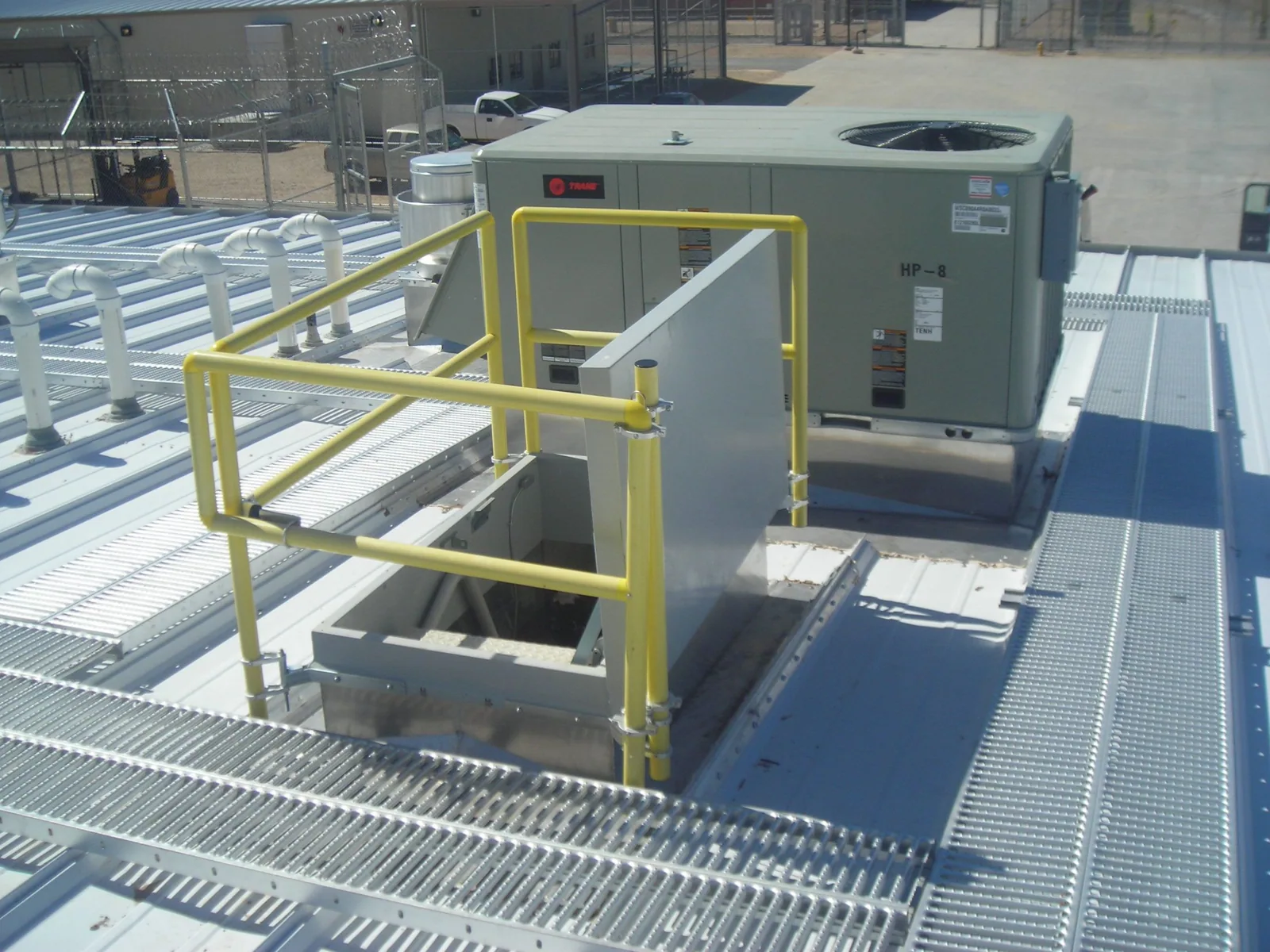
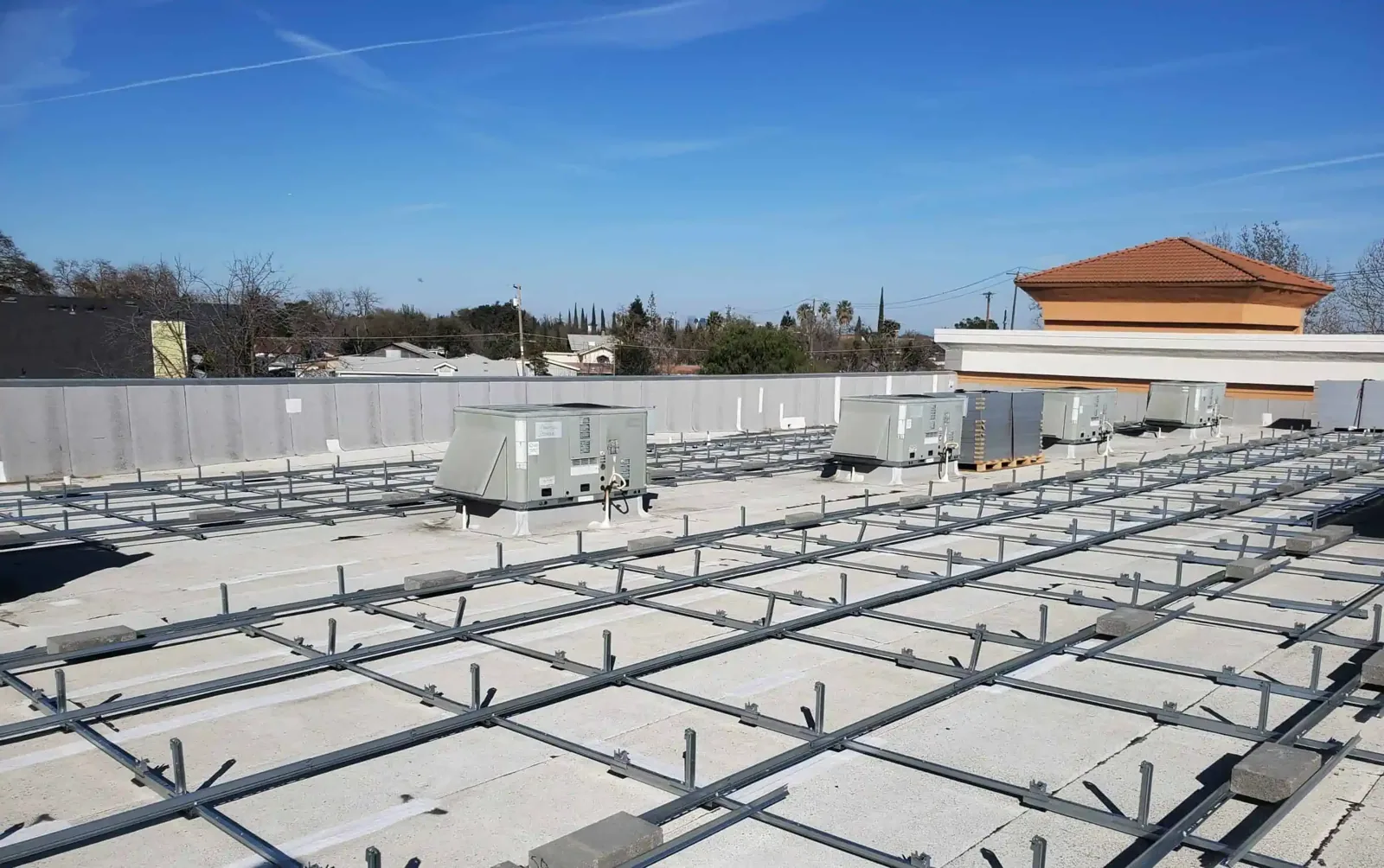
Equipment supports should match the actual unit, the structure under it and the project requirements, with an engineer or specialist involved where needed. A roofing inspection cannot approve a heavier unit or a new support layout. Preparing the roof for a solar installation works the same way: new loads and supports need their own review alongside the roof work they require.
The proposal should say which tasks belong to the roofer and which belong to the mechanical contractor or engineer, and put them in the right order. If a new support changes roof heights or creates a new opening, the flashing for it belongs in the scope, not as an undefined extra later. That makes the cost comparison useful, because you can see why the support, the unit prep and the roof flashing have to be planned together. It also keeps a roofing price from implying that an equipment layout nobody reviewed is acceptable.
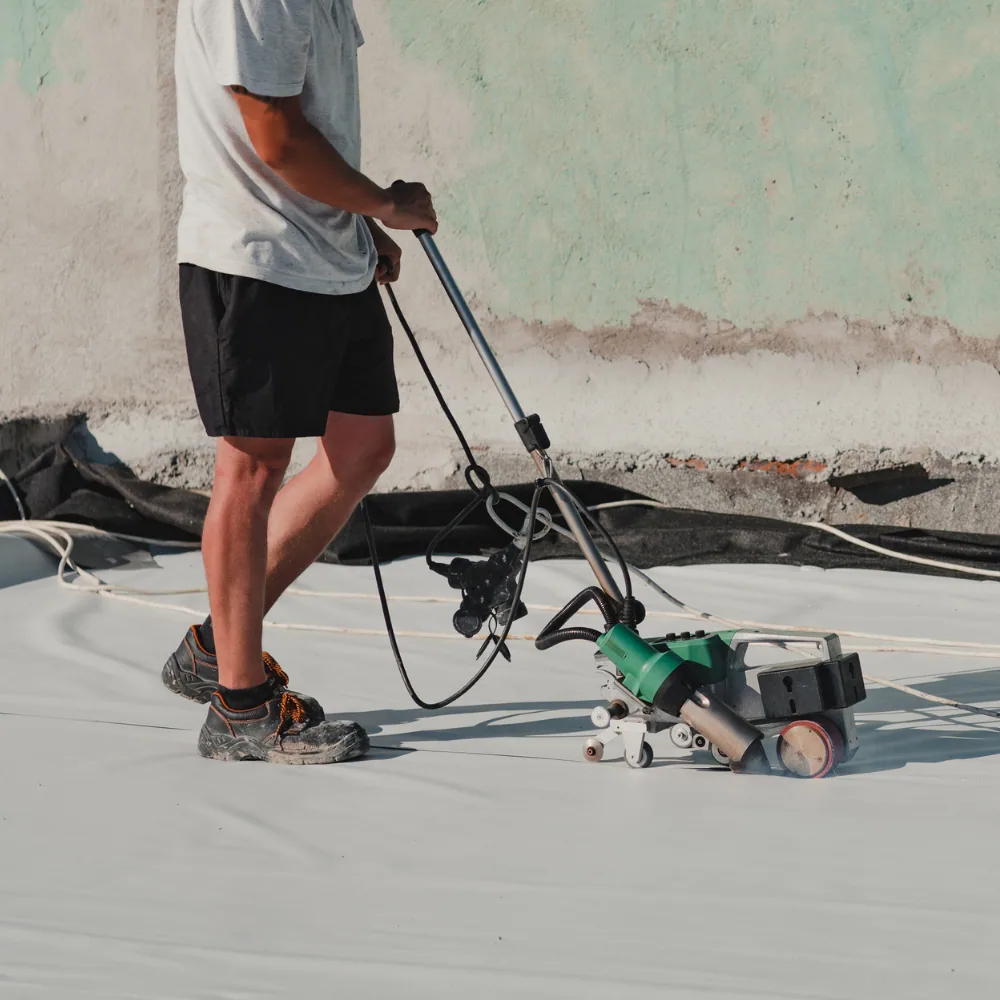
A permanent curb flashing has to account for the membrane, the curb's size and height, and solid insulation around it. A PVC curb flashing follows that membrane's own flashing requirements rather than a detail borrowed from another system because it looks similar. The manufacturer and project set the installation rules for the parts chosen, and our findings decide what repairs are needed before those parts go on.
Tear-off may reveal wet insulation or board that cannot stay under the rebuilt flashing, so that quantity and its approval step belong in the scope. If changing the curb affects flashing height or the roof around it, that decision gets made before anything is fabricated or installed. Compare options that finish the same curb on all sides with the same tasks, and keep the membrane price separate from the extra work needed to flash every side of the unit. That ties the cost to a complete detail, not just square footage of membrane.
Moving, disconnecting or prepping a unit can decide when we can reach the curb, so the building operator and the mechanical contractor need to be involved before the roof is opened. An occupied medical office curb repair also has to plan room access, service shutdowns and restarting the unit, since the effects can reach well past the roof area.
You should know which detail stays open until the unit is moved, how that area will be protected and who confirms the unit is ready to run again. Short shutdown windows can add setups and material handling, so they belong in the cost comparison. A membrane delivery does not solve them, and finishing another part of the roof does not finish a blocked curb. A practical plan brings together the right roofing materials, insulation prep and actual equipment timing.
We plan unit moves with the mechanical contractor, covering any shutdown, lockout, lift path, temporary protection and restart check the job requires. The roofing proposal says whether the curb can stay, needs rebuilding or depends on removing the unit, and who handles each step. We make sure the finished flashing can be inspected before the unit or a screen covers it again. Those check points make curb bids comparable and keep a finished roof flashing from being mistaken for a completed equipment job.
For curb or support work in Temecula, we confirm the specific unit and the building contact before the plan depends on access to occupied spaces. Requests around Old Town Temecula rooftop equipment curbs follow the same approach, with the unit and roof detail noted next to our findings, so a repair at one curb is not taken as a verdict on every unit on the roof.
You get photos of any insulation repairs and the finished curb flashing, with open equipment or design items listed outside the roofing scope. A maintenance plan for the repaired curb can then compare future equipment changes with what was actually installed rather than a general description. Keep the record of the finished flashing and any product documents, so the next equipment decision is easier to judge, and keep any broader roof surface decisions separate from the curb repair just completed.
A curb or support that is rotted, rusted through or too weak to hold the new flashing. Ask for the findings and the full curb scope, then compare options that include insulation and equipment work, not just the cost of new flashing.
No. Structural and equipment requirements need their own review by an engineer or the right specialist. We keep that separate from the roofing scope and tie the support changes to the flashing they need, so the proposal is not mistaken for approval of the whole installation.
The building's shutdown limits and who handles disconnecting, moving and restarting the unit. Temporary protection and the right roofing parts are planned in that same sequence, so the curb flashing stays clearly assigned if the equipment schedule changes.
Make sure each one covers the same curb and the same finished flashing, with insulation repairs, the right membrane detail and any curb changes listed. Equipment and engineering work should be listed separately, because those tasks often explain price differences that square footage cannot.
Tell us which unit is leaking, send any roof records and let us know your shutdown limits. We will inspect the curb and explain the roof work, plus any engineering or HVAC coordination it needs.
Request a Roof Assessment