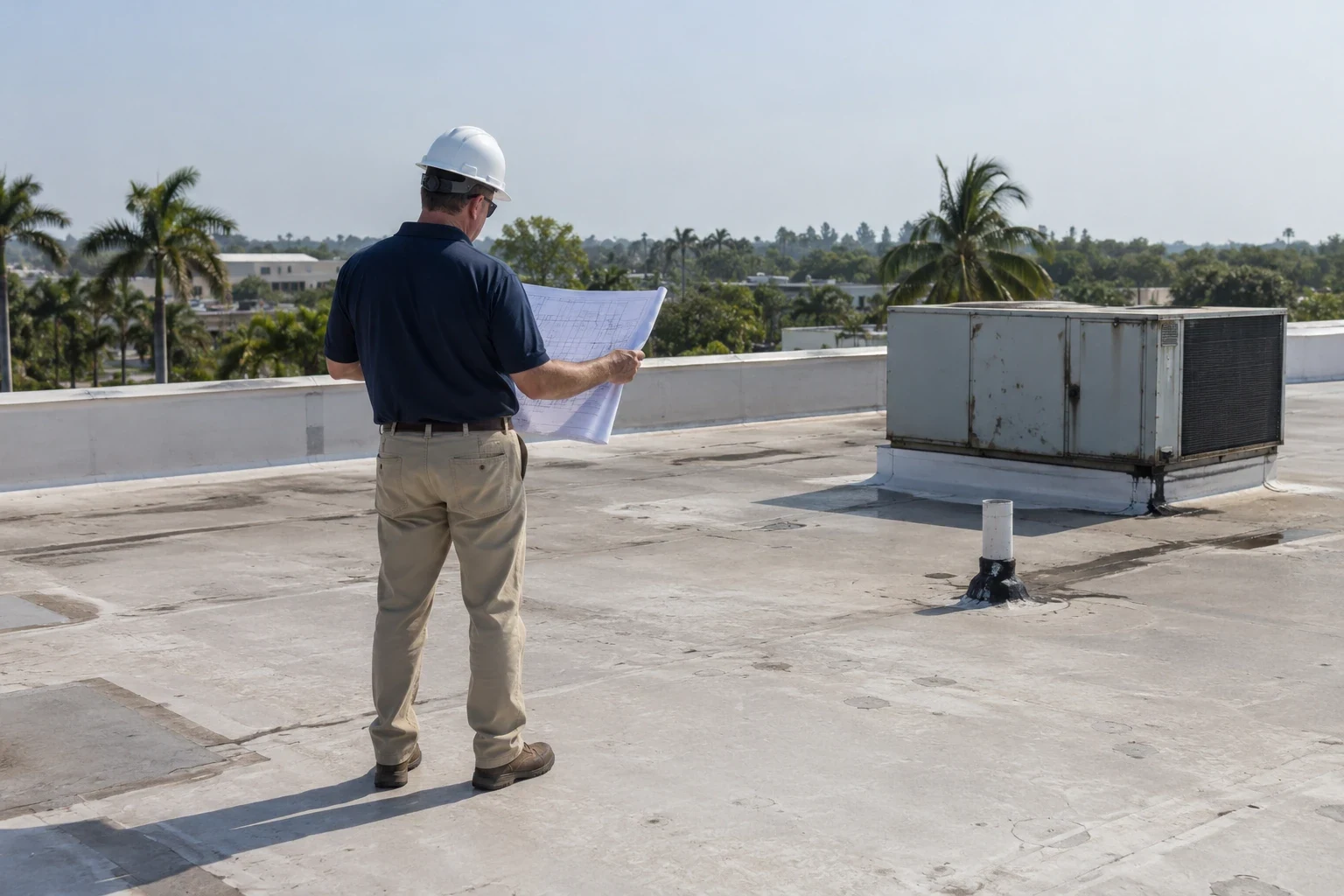
Old Town commercial roof work needs a spending order that accounts for heat as well as leaks. We inspect, repair and replace roofs on commercial buildings in Temecula, CA, where the city lists extreme heat as a possible hazard. A reflective surface can reduce absorbed sunlight, but its value depends on the building beneath it and the condition of the roof it goes on. An office owner should not let a roof-color decision hide wet insulation or an open wall flashing. Old Town Temecula has a wide variety of commercial buildings, so the inspection follows the roof in question rather than assumptions about the neighborhood. We trace the leak, check the material around it and confirm how the owner or tenant can give us access before setting a repair area. The decision starts with the actual Old Town roof, including where a wall flashing lets water in and what a permanent fix would disturb below.
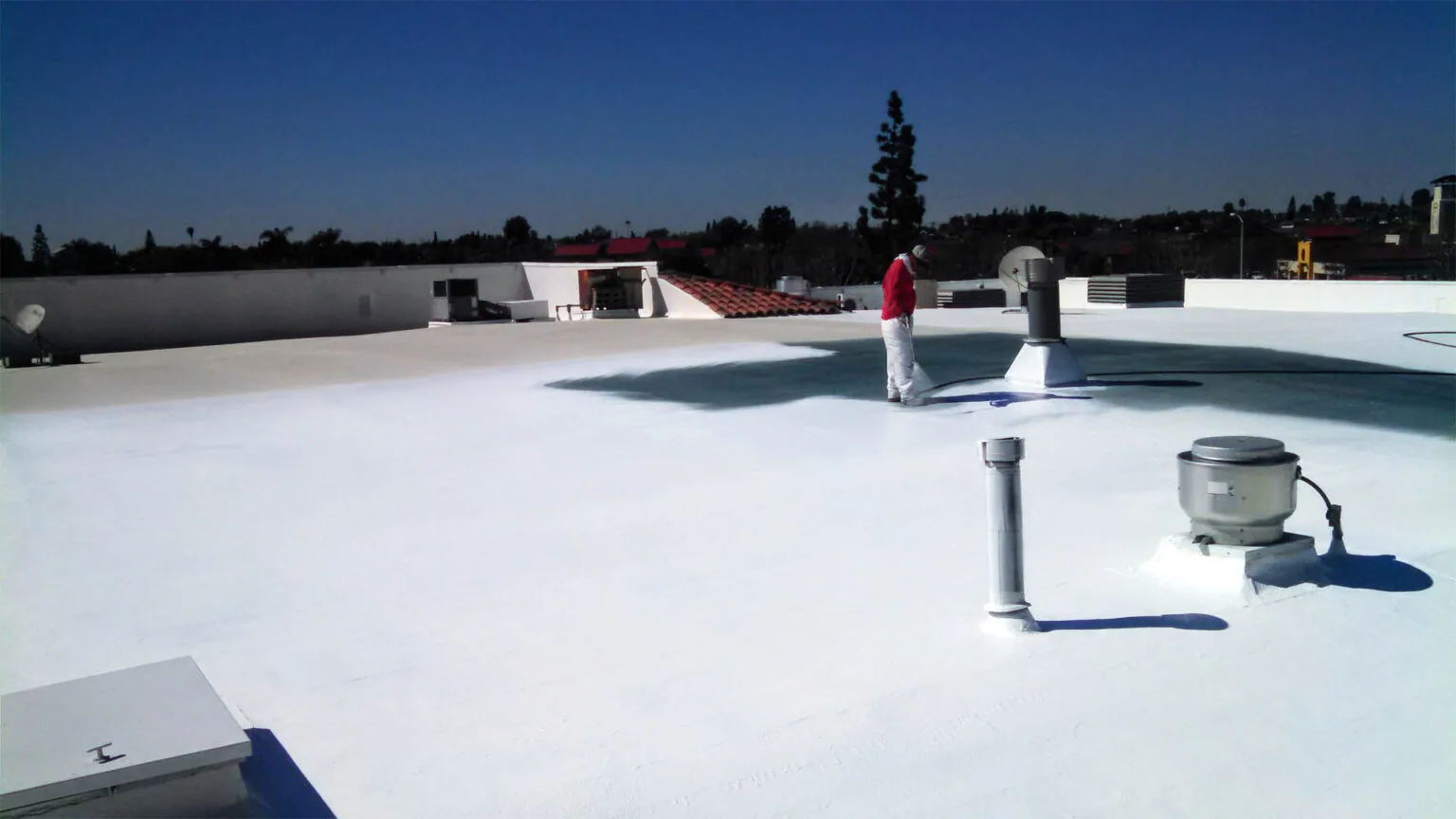
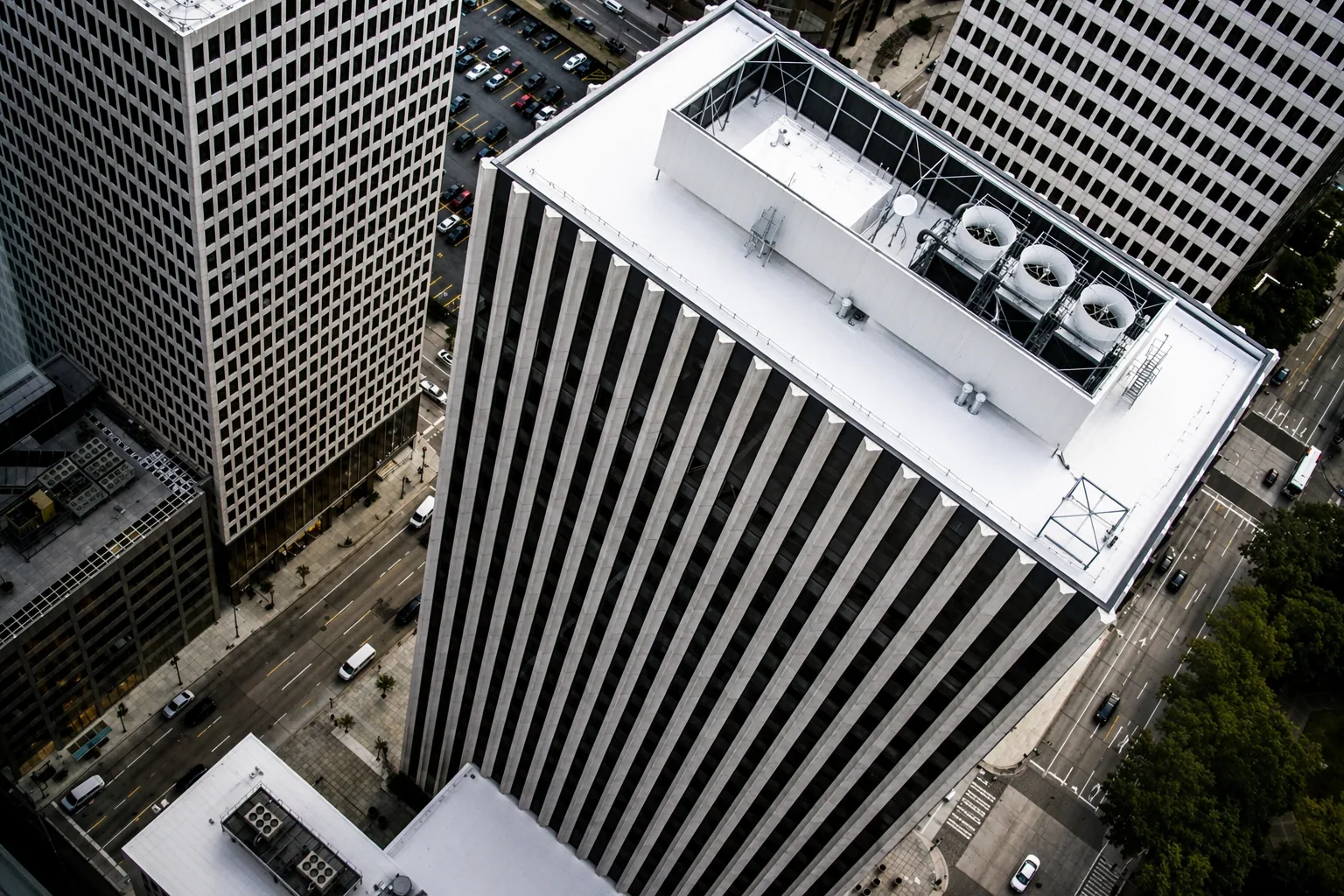
A dark roof surface absorbs sunlight, while a more reflective finish can reduce that absorption. The resulting effect on cooling cost depends on insulation, roof construction, equipment and room use, so we treat surface choice as one part of the decision. An owner may gain little from a new finish if the roof beneath it needs to come off. That should be settled before energy savings are used to justify restoration.
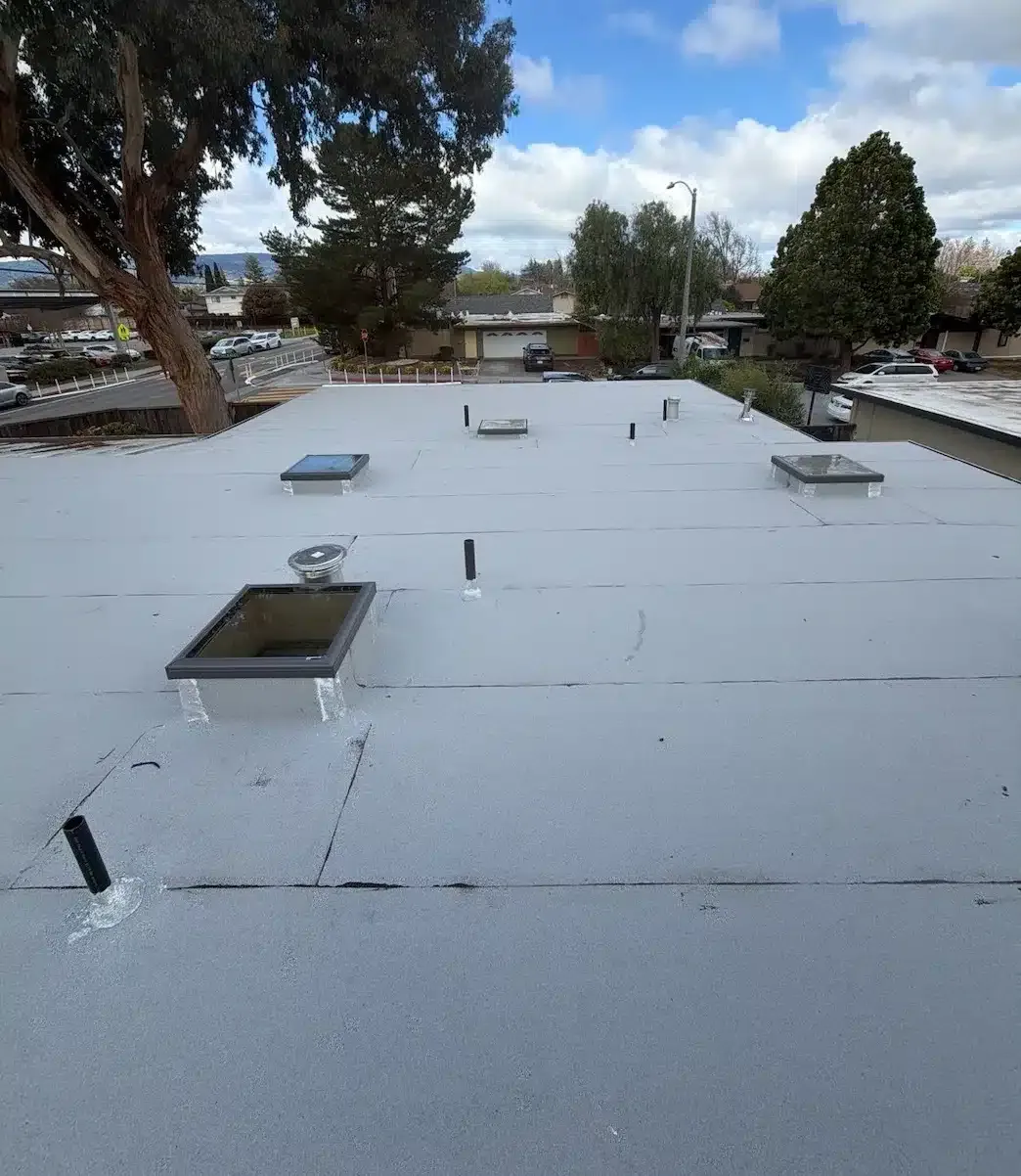
We examine the roof surface and the details that interrupt it. A cracked wall flashing or weak seam remains a leak path even when the field of the roof looks suitable for coating. Those details affect the spending order because they may need rebuilding before a new finish is installed. Cool roof installation should follow that review, with the surface chosen for the particular roof rather than treated as a universal upgrade.
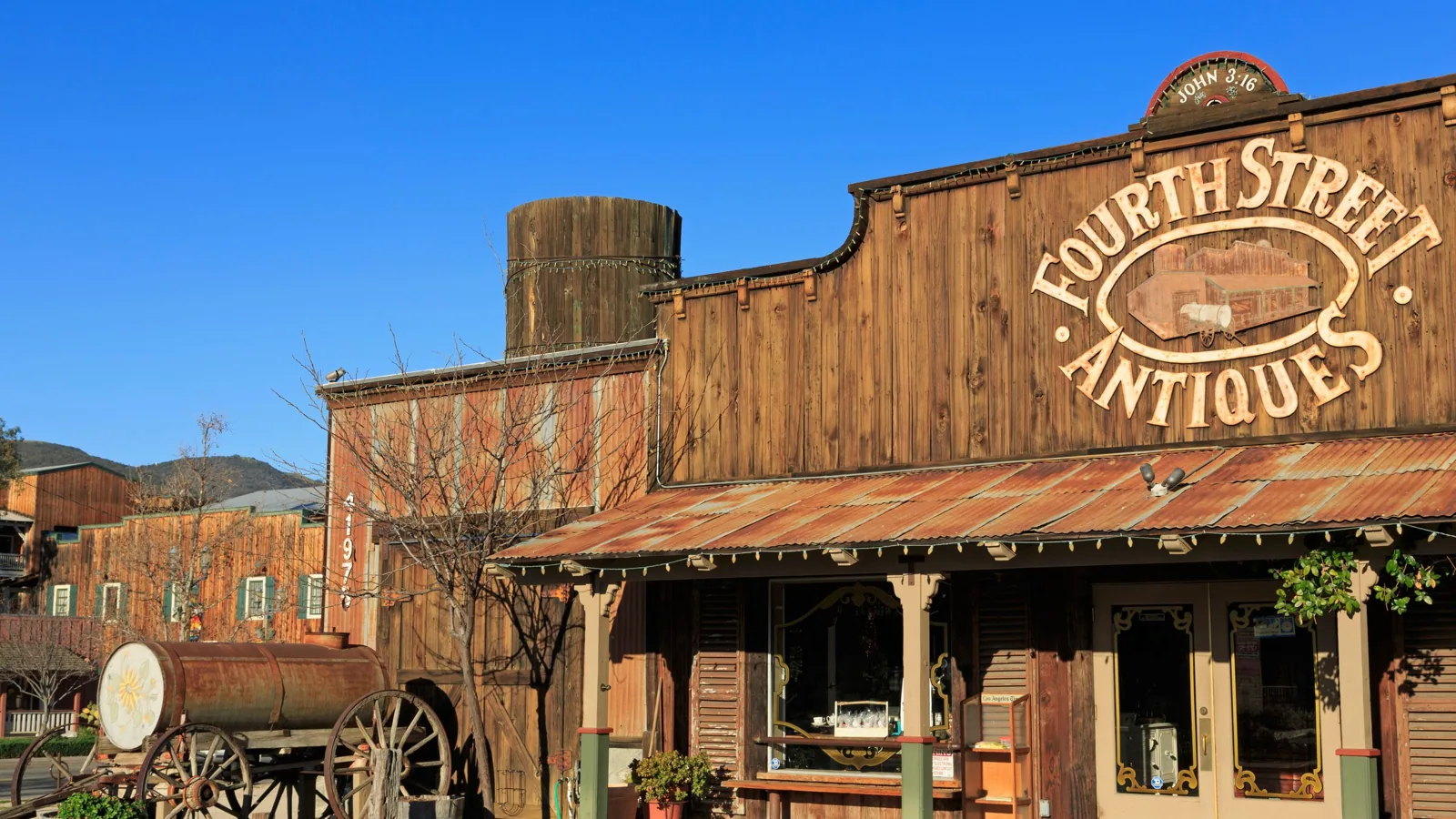
An open termination above a roof field can let water in behind otherwise sound material. We examine the upper edge, the wall surface and the connection at the roof base as separate parts of that path. A bead of sealant at one visible gap may not fix a weakness higher on the wall. The inspection should connect the stain inside to the actual detail before the owner commits to a roof-wide project.
A commercial roof leak repair can stay small where sound material surrounds the opening. The repair area may grow if we find rotted backing or damp layers. We show those limits in photographs and explain how any added area would be handled. That gives an Old Town owner a clearer decision than a large patch priced without examining the surfaces it has to tie into.
A surface inspection cannot tell you the condition of every hidden layer. Suspect areas may need small test openings with an agreed way of sealing them, especially where water has entered near a wall. A commercial roof inspection records the findings and separates confirmed removal from areas still in question. The owner then has a price based on a defined repair area, with a stated method for handling a larger wet area if one turns up.
Dry, firm layers allow different options than wet or unstable material. How the roof is attached and the proposed system also affect whether the old roof can stay. A new cover board does not make the layers below it sound. The comparison needs to look at the deck, drainage and flashings together. That keeps a modest-looking recover from carrying hidden problems into the next budget cycle.
We use roof capital planning to tie that evidence to the spending sequence. The active leak may need fixing first, while a larger roof project follows a more complete investigation. The owner can then rank work by consequence, roof condition and effect on operations. Age alone does not decide which roof gets the next round of capital.
A roof opening above an occupied office needs protection and a workable daily stopping point. The building team tells us how the room is used, how sensitive it is and when we can work. We describe tear-off, material handling and close-up so the restrictions follow from the actual work. A small area can still affect an important room, and a large roof can sometimes be split into workable sections if the system allows reliable tie-ins.
Each section has to be finished within the time available. Removing wet insulation or working around a difficult wall may slow progress. We set a stopping point and explain what finding would change the plan. Temporary protection needs a defined method and someone responsible for checking it. It should support a controlled pause, not replace a permanent detail the day's schedule did not leave time to build.
Staging also belongs in that discussion. Materials and lifting equipment need suitable routes, and heavy loads stacked on the roof need review rather than assumption. The owner should see these dependencies before accepting the schedule. A shorter stated duration is only useful when the proposal includes the protection, handling and daily close-up needed to achieve it on that Old Town building.
A finished repair should leave the owner with more than a dry room. We document the leak source, the condition found around it and the finished detail. Remaining concerns are listed with locations and recommended actions. That record makes the next spending decision easier, because the owner can tell a fixed wall flashing from a surface or drainage issue that still needs attention.
For a nearby building in Murrieta, we confirm that roof's scope and access separately before coordinating a shared delivery. The city line does not determine the membrane, drainage or preparation each building needs.
Follow-up should match the original finding. A new water stain may need another trace, while repeated trouble at similar details may justify a wider scope. We explain what would support that wider review. The recommendation stays tied to how the roof is actually behaving and its condition, not to an automatic replacement date or a promise about future performance.
We recommend fixing active leaks and any wet or failing layers before paying for a new finish. A reflective surface can reduce heat gain, but the building and roof construction decide how much it helps. A sound roof with the right preparation may be a good restoration candidate. A weak wall flashing or damp insulation changes that order, because a new surface will not fix either one.
Often, yes. A limited repair is worth evaluating when the surrounding material can support a permanent flashing. We inspect the top of the flashing, the backing and the roof transition before recommending it. Wider deterioration can enlarge the job, but a stained ceiling alone does not mean the whole roof needs to come off. We explain what separates those outcomes.
Define the confirmed area and agree how any extra will be measured and priced. We recommend test openings where they can clear up major uncertainty before work starts. Some areas may stay unknown until the roof is opened. Keeping that visible gives you a realistic cost and keeps a low early quantity from becoming a reason to leave wet insulation in place.
The daily opening should match the protection and close-up that can be finished in that time. We review how the room is used with your building team before setting the work area. Difficult transitions or unexpected wet insulation may shrink how much can be opened. A stated duration should include those factors so the office can plan around a realistic schedule.
An active leak above an important room can justify earlier action, especially if it is getting worse or repeated patches have left weak details. We weigh that against the roof's condition and the disruption of fixing it. A larger project can follow when the evidence supports it. The priority should reflect the real cost of living with the problem, not just roof age.
Set up a roof planning conversation for your Old Town building. Bring the location of the affected room, how the roof is accessed and the next budget decision you face. We will walk through the findings and explain which repair comes first, which surface options still make sense and what the building's schedule needs to allow.
Request a Roof Assessment