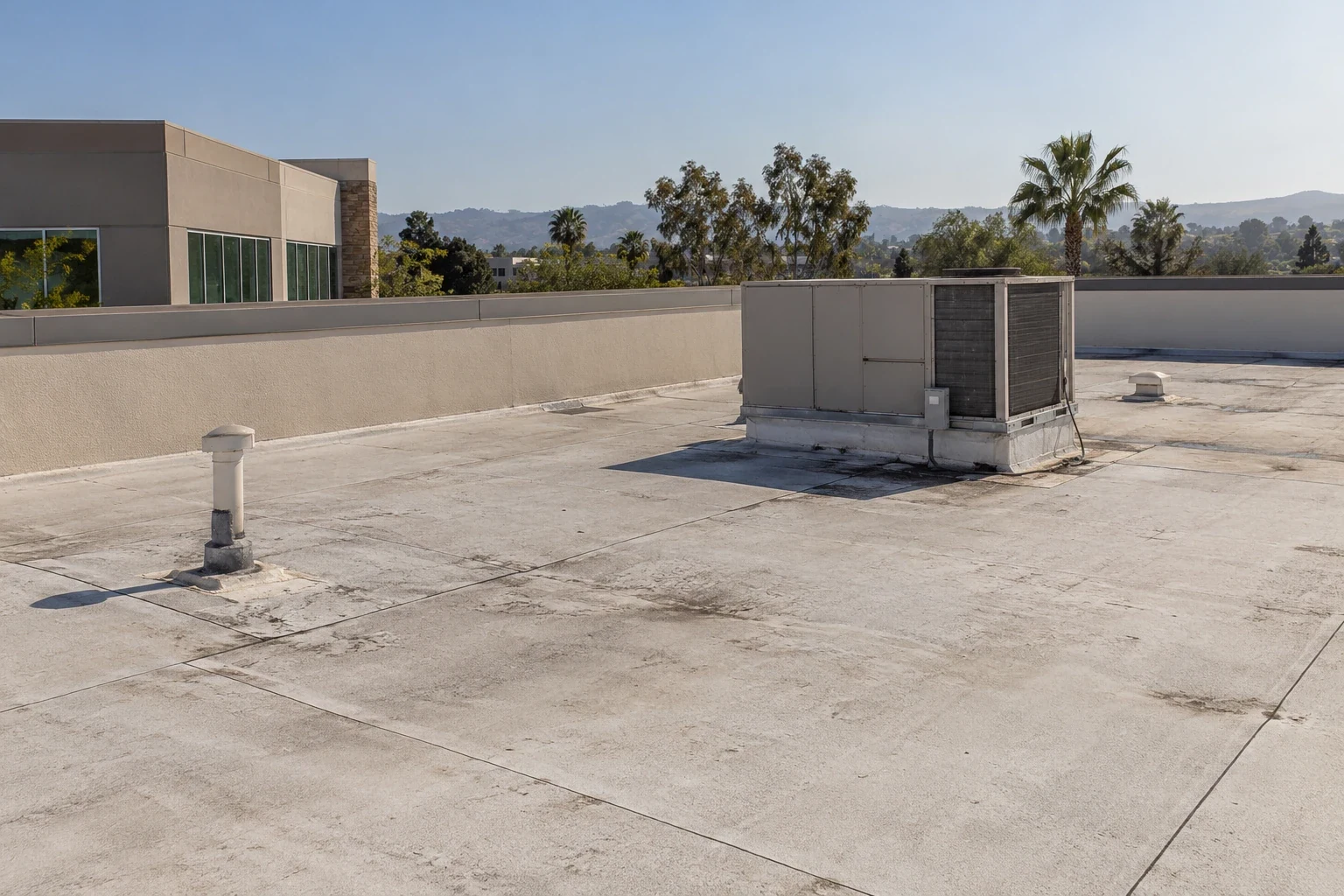
On a Temecula office building, energy concerns can compete with a skylight curb that needs rebuilding, and the first spending decision should be about the repair, not how the roof looks. Summer heat belongs in the conversation, but the building's insulation and cooling setup decide how much a cool roof would actually help. A roof that reflects more sunlight can reduce heat entering the building, depending on the product and the building. We inspect the skylight curbs before recommending how a local repair and a roof-wide option should be sequenced.
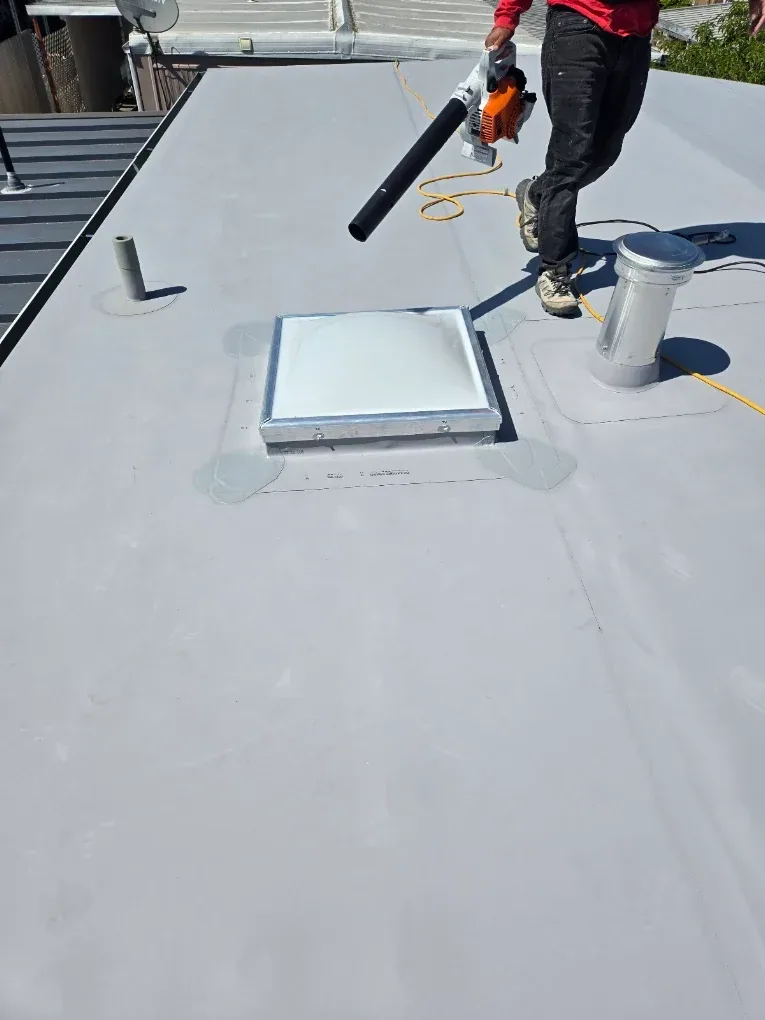
A skylight can have its own glazing or frame problem next to damaged roofing, so the repair needs to separate the roof flashing from the skylight contractor's work. Tenant leak reports and any drawings help connect the skylight to the rooms below. We check the membrane, the curb backing and the nearby drains before deciding how far the permanent repair goes. The property manager reviews protection and access for the offices under the work. You get a specific repair plan alongside the cooling goal, without treating a roof coating as a fix for the skylight itself.
Failed flashing at a skylight curb can show up at the same time as a glazing or frame problem that needs a skylight contractor. Skylight flashing repair checks the existing membrane and the backing needed for the new flashing. We identify where skylight service or access has to happen before the permanent roof repair can go ahead. TPO and PVC need clean, weldable surfaces; other roofs get their own compatible prep. A neat patch should not hide a backing problem or be counted as fixing a skylight issue that still needs its own repair.
Removing the damaged membrane may reveal bad backing past the visible flashing edge, which changes both the prep and the room protection needed at that skylight. Commercial roof repair defines where sound roofing begins and what needs rebuilding underneath. If the finding raises a structural or skylight question, the right professional reviews it. We list those steps in the proposal instead of leaving them out of the repair price. You can then compare a lasting local repair with larger roof work once the curb and its backing have been checked.
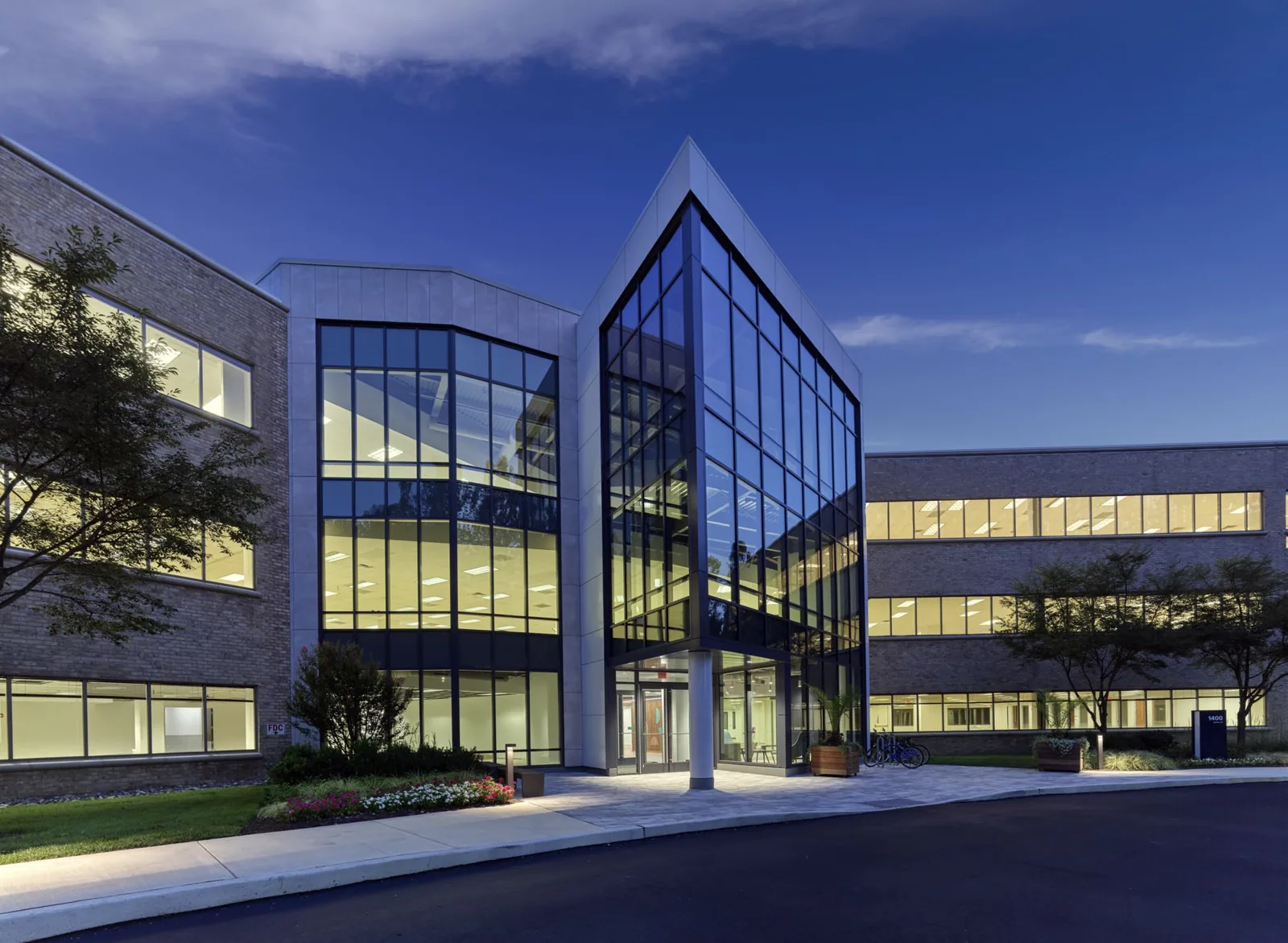
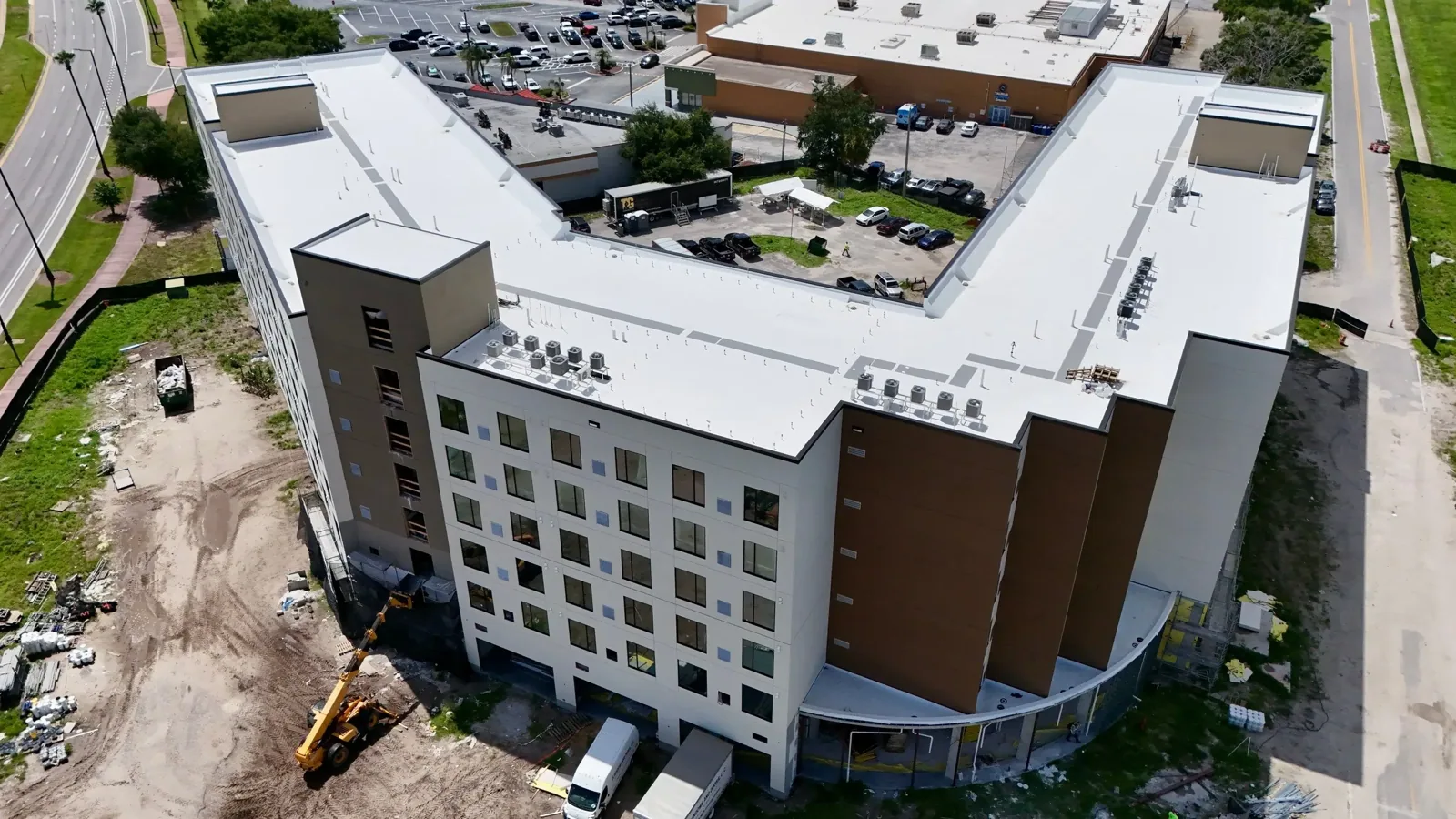
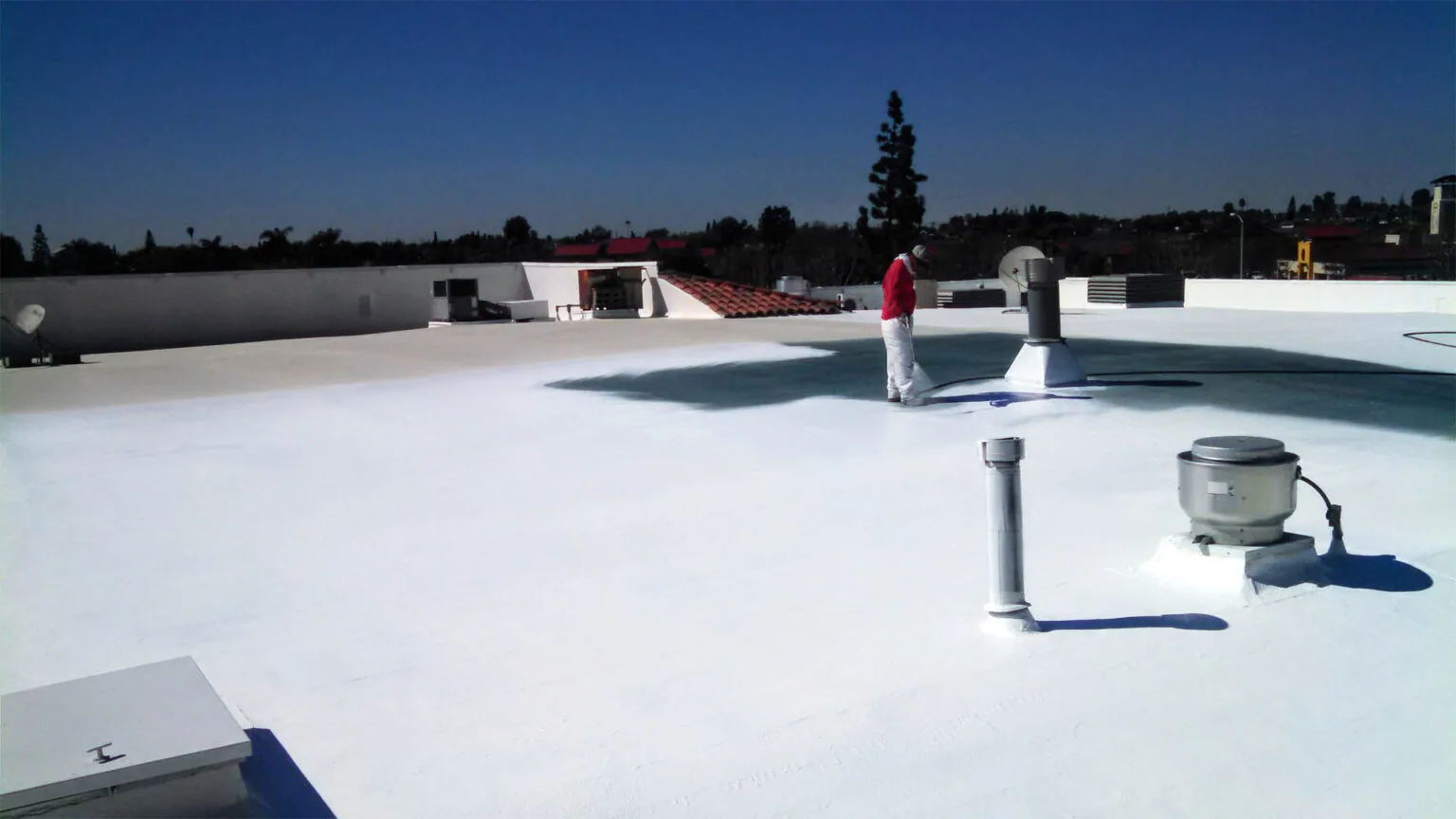
The main roof of an office building may be ready for a reflective finish while a skylight curb still needs to be rebuilt first. A cool roof plan checks the existing membrane, product compatibility and the condition of the layers underneath. Energy and HVAC specialists handle the savings estimate using the building's actual equipment. We identify the roof work and the clearance changes at skylights, so any heat-reduction goal is tied to a roof that will hold a permanent repair, not an assumed cost saving.
A new layer can reduce the height at the skylight curb or a nearby drain, so those details should be planned with the new system rather than after it is chosen. Existing layers also need testing if the plan depends on keeping them. Infrared readings have to be checked against the survey conditions and the roof build-up before they guide decisions. Every test cut is patched, and we explain any question still affecting the recommendation. Your plan can then weigh the skylight repair, any insulation replacement and an optional cool roof as separate items.
A skylight opening over occupied offices brings interior planning that the size of the roof repair does not show. Roofing over occupied buildings lays out the tear-off, lifts and debris routes for the property manager or facility contact. They decide room use, protection for furniture and equipment, and when we can have access. The skylight contractor handles any work on the unit itself. We tie those steps to the actual opening, so the bid includes a practical work plan and the tasks needed before the roof can be closed for good.
If bad backing extends the repair, another office or furnished area may be affected, which means more handling and protection. We explain the larger area before opening more roof and coordinate with the property manager. Any temporary seal has to tie into sound existing roofing while skylight work is arranged. We respond to urgent office roof leaks on weekends, at night and on holidays, with access arranged through the building contact. If water reaches electrical equipment, a qualified electrician should check it, separate from the roofing decision.
For an office in Bonsall, we coordinate roof access with the facility contact and map any skylights, curbs and occupied rooms below the planned work. A building in San Jacinto gets its own roof visit before any scope is set. For buildings in town, Old Town Temecula office roof visits start with the specific building, the affected rooms and any skylight information. We inspect the roof flashing and backing before comparing a local repair with a roof-wide option. The office contact reviews the protection plan under each opening, while the skylight contractor identifies any service work needed first. The recommendation keeps those roof and occupancy requirements tied to that office building.
Across the Temecula area, each office roof is assessed with its own access rules. A building in Bonsall and one in San Jacinto each need their own inspection and approval from the property manager. We check the existing membrane and the curb backing before a new finish is approved around the skylight. If a thicker system or a new skylight changes the permanent detail, the right professional reviews it. Then you can weigh the heat goal against a workable roof option, while keeping the skylight repair and the tenant plan needed for a lasting result.
A medical office may need different room protection and skylight review under a roof opening, even if the detail looks like the office skylight. Medical office roofing plans around patient rooms and clinical staff. Data center roofing plans around critical equipment. We compare office options using the actual existing roof and the approved tenant plan, rather than borrowing the repair size or work schedule from another building type. The recommendation names a repair that can be carried all the way to a finished roof.
Final photos should show the rebuilt skylight flashing and the sound roofing around it. Any open glazing, backing or skylight item is listed separately from finished roof work. Temporary seals are marked on their own, so later tenant leak reports can be matched to the right skylight. A future cool roof proposal can start from that finished detail. Your ten-year plan then shows the current repair clearly, with a separate cool roof option backed by compatibility checks and real building information.
No. We list the roof flashing and the skylight service separately. Where the skylight needs work or blocks access to the backing, we recommend having the skylight contractor go first, then we finish the permanent flashing.
The curb height and flashing requirements change. Those details should be settled with the design team and skylight contractor before choosing a system that would make later access harder.
We map the rooms under the roof opening and along the material route, not just the room that reported the leak. The property manager sets protection and access, and the plan is reviewed again if the repair grows.
Photos show the finished roof flashing and the roofing around it, and any open glazing, frame or backing items are listed separately. Later leak reports can then be checked against what was actually done.
Tell us about the heat concerns, where the skylights are and which offices are affected. We will inspect the roof and compare the skylight repairs with cool roof options that fit your building.
Request a Roof Assessment