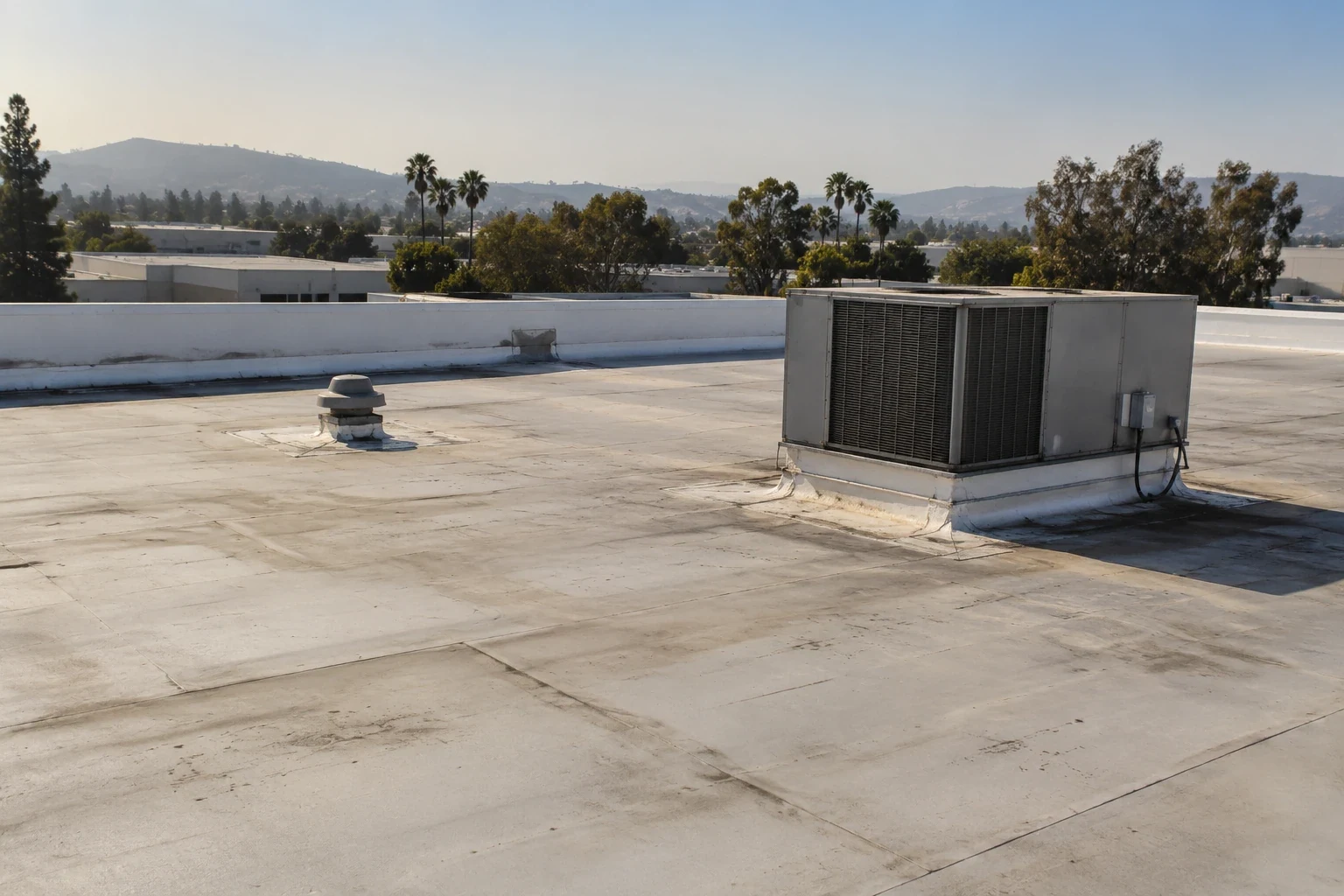
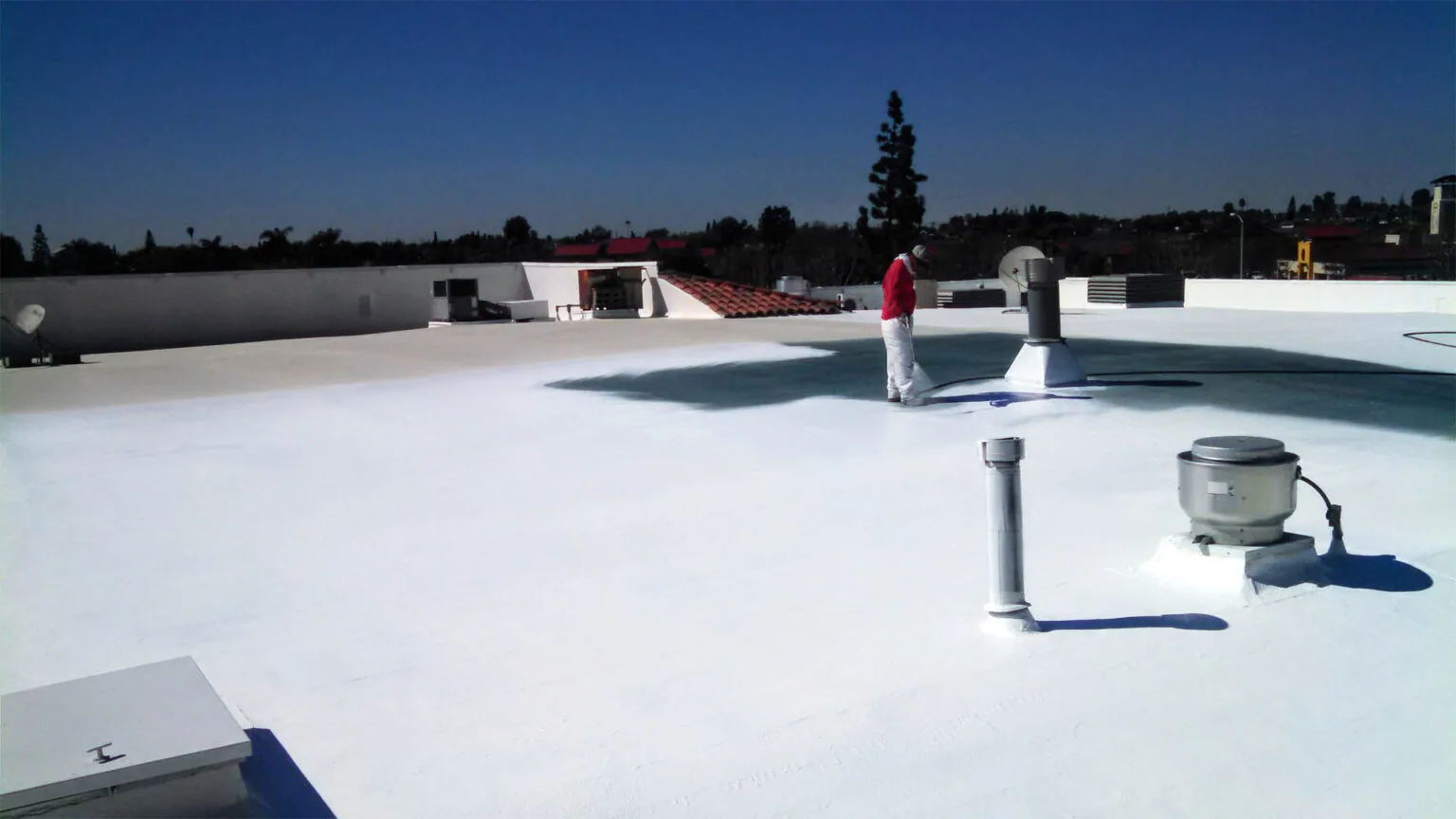
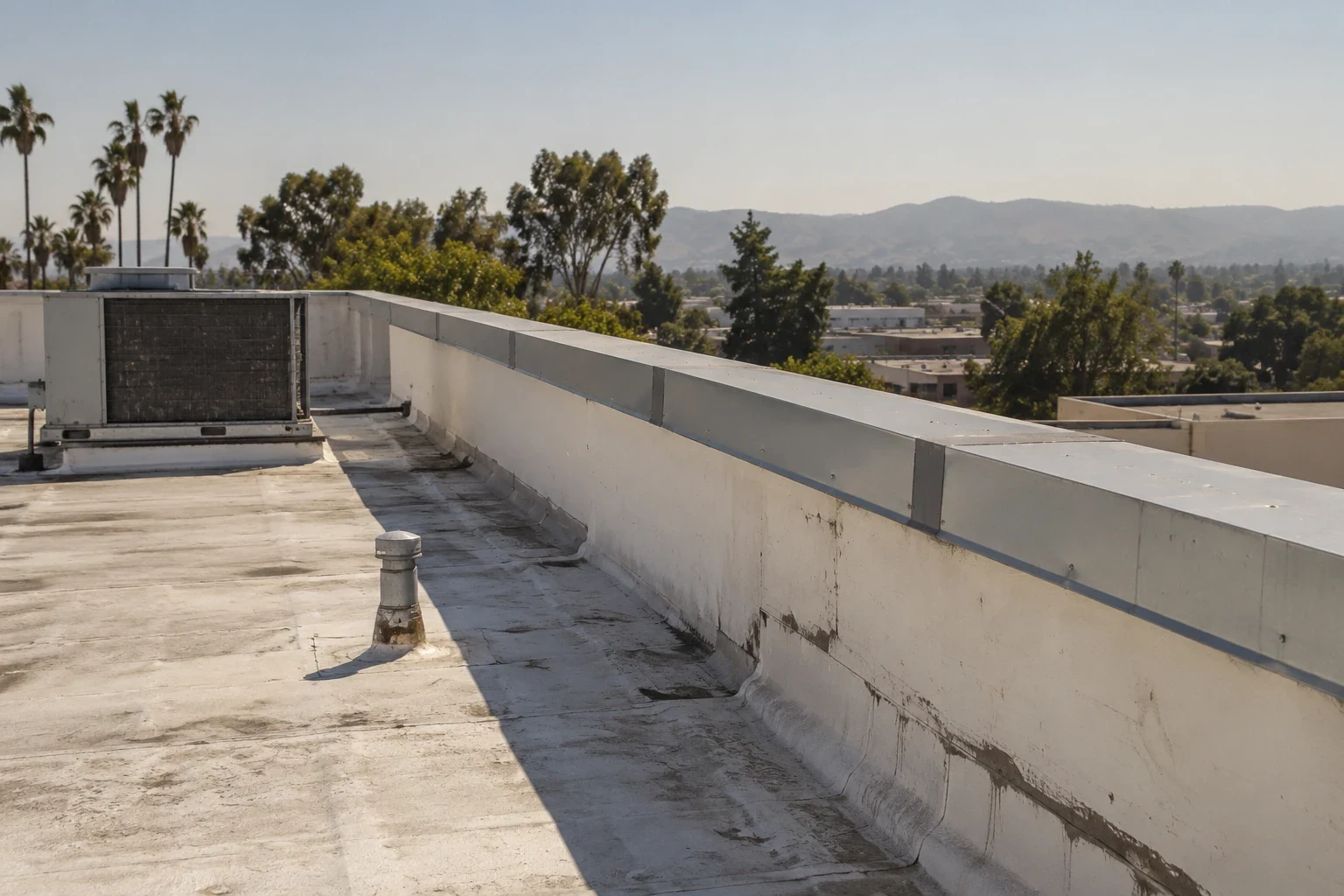
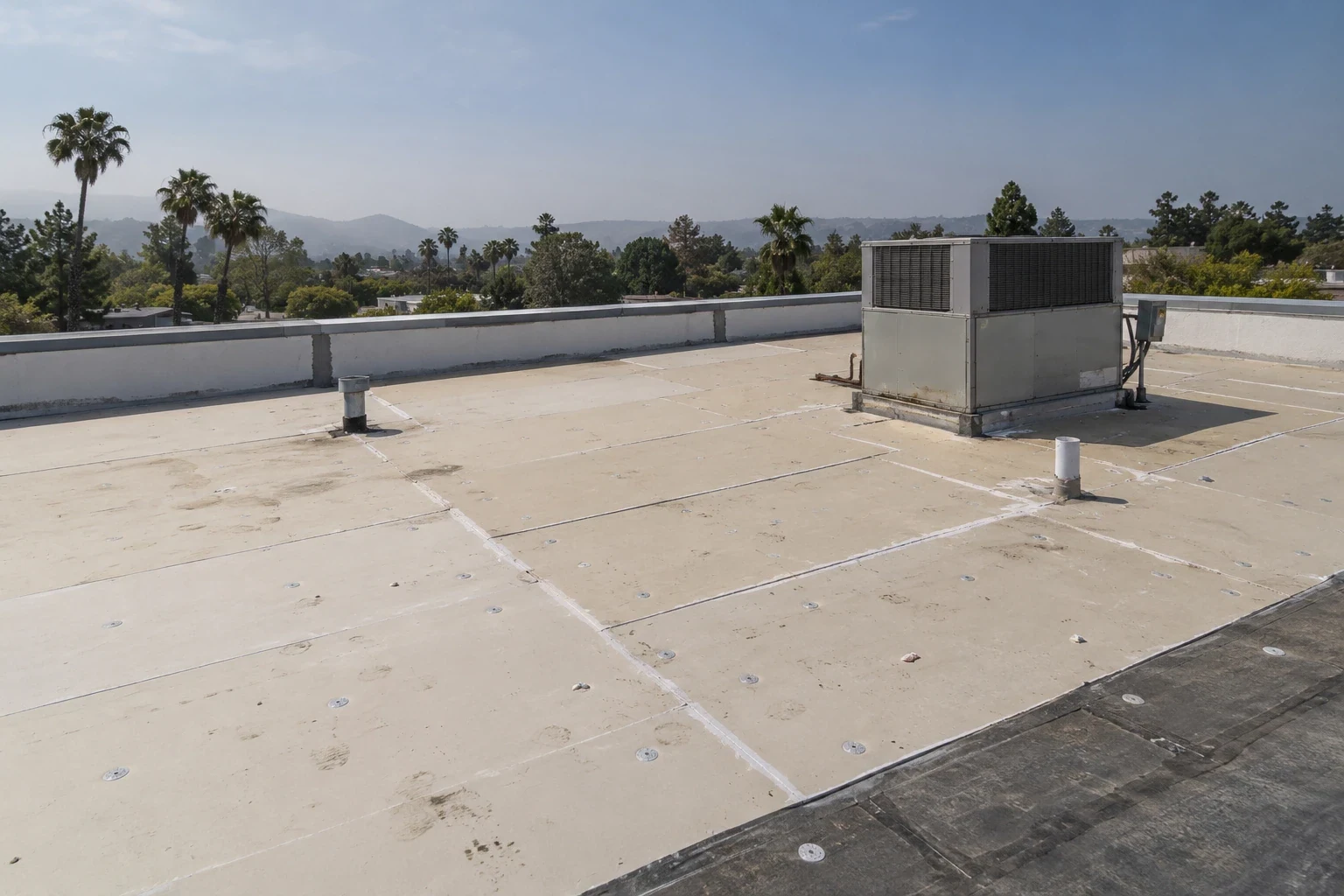
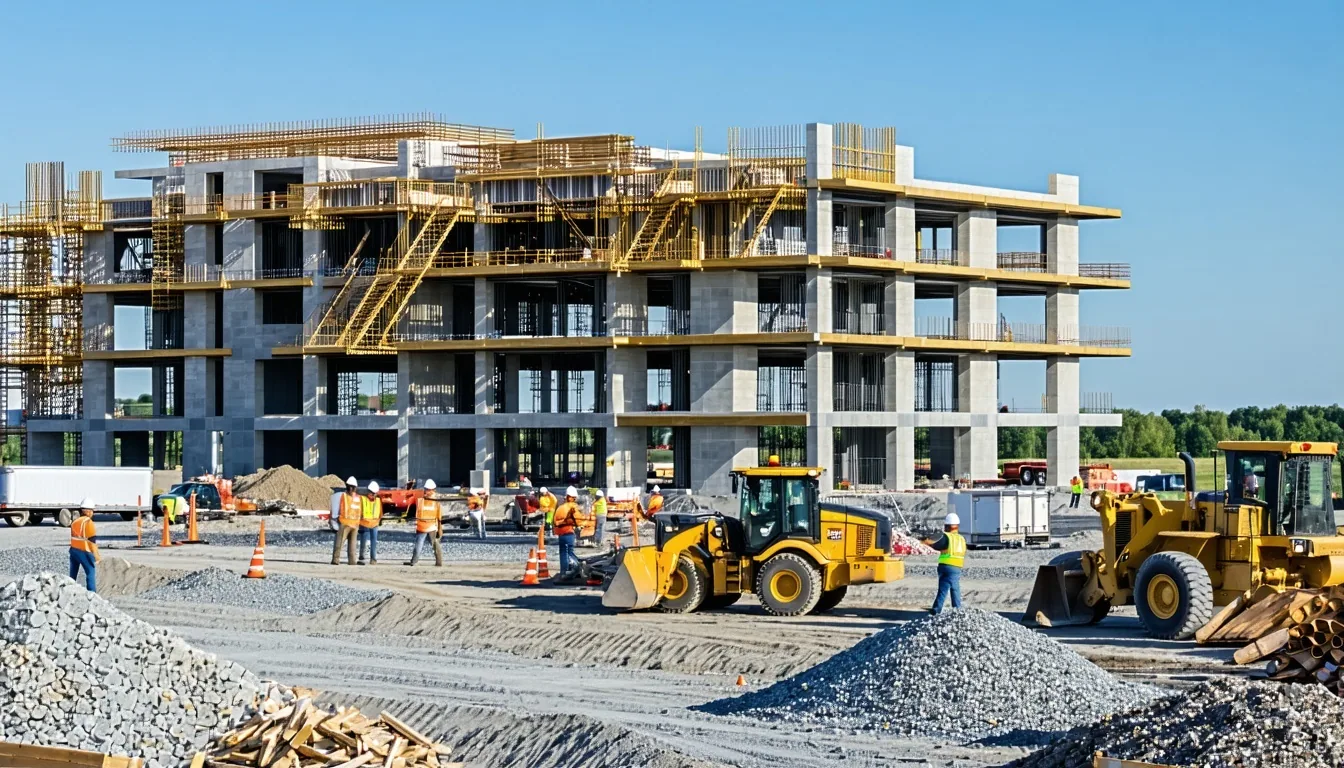
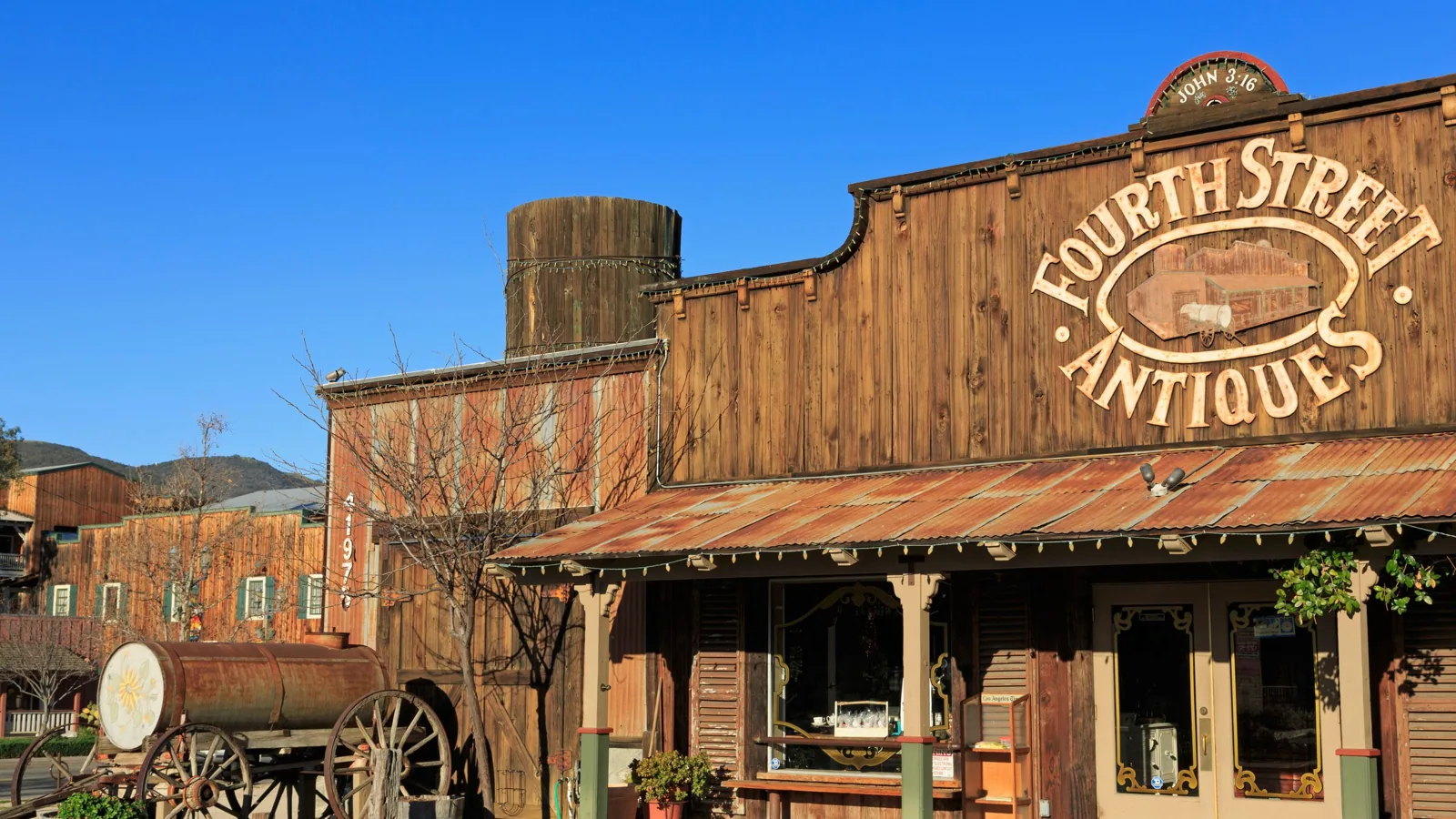
A cool roof may be part of a Temecula logistics owner's budget review, but a loose roof edge over the loading docks needs a straight answer first. Roofing for logistics and 3PL companies in Temecula, CA, looks at that edge and what holds it down before choosing a repair or a larger roof project. How trucks, forklifts and freight move on site also shapes how the work can happen. We explain the right fastening, how the repair ties into the existing roof and the prep needed to seal the edge, so you can compare finished jobs instead of square footage alone. A loading-side leak should be traced from the interior report to the edge, curb or drain that could admit water. We coordinate roof access with dock operations and note where deliveries, lift placement or stored freight limit the work zone. A reflective upgrade can be priced after the water-control repair is defined. For distribution center roofs, we confirm the building and the operator. Drawings and old repair photos help when they match the roof today. A change in roof height or a new fixture at the edge can change the right repair. The recommendation keeps the actual edge shape and access in view, rather than assuming every distribution building needs the same fix.
Extreme heat is one of the emergencies Temecula plans for. A reflective finish can reduce the sunlight a roof absorbs and the heat reaching the warehouse floor, depending on the product and the building. That raises an upgrade question, but the loose edge still needs its own inspection. We check the insulation and fastening any larger option would keep. Wet insulation or an open edge has to be fixed where it would undermine the new roof. You can then compare full options without treating a possible heat benefit as a fix for the edge.
Cool roof installation on a distribution building should include the specific repairs it needs and meet the product's requirements. One section may be fine after a local repair, while another needs confirmed wet insulation cut out. We list the prep behind each option and what it would finish. Any cooling-cost projection needs building data and its own analysis. The roof price should stand on its own as a description of complete work, so you have a clear comparison before energy expectations shape the spending order.
A loose edge can mean bent or displaced metal, membrane that has pulled away or a nailer that no longer holds its fasteners. We inspect the parts we can reach and identify exactly what failed. Where the right fastening layout is uncertain, a designer or the manufacturer's requirements settle it. The record locates the damage against landmarks on the roof and states how far we inspected. Keeping the next section of edge means checking that section too. You get a specific repair based on what we saw, not a general recommendation based on which dock door is closest.
Edge metal, coping and gutter repair on a logistics roof includes the membrane and the nailer it fastens to. Old mastic or patches can add prep beyond the visible gap. If a light fixture or sign blocks part of the edge, whoever owns it may need to move it first. We note that before any tear-off depends on it. The permanent detail has to fit the actual nailer and roof height. A new piece of outer trim on its own may leave the roof edge under it unfinished, so the proposal describes the whole edge detail we will deliver.
Water coming in at a loose edge can reach insulation well past the visible gap. We test in a way that fits the question of what stays and what goes. Infrared helps us decide where to look, and core cuts confirm which material is wet. Each finding keeps its location and measured size, and untested areas are listed separately. You can then see why a prep quantity is supported and what could still change it. A stain or a gap is a good place to start, but it does not tell you how big the insulation repair will be.
Replacing insulation and cover board near the loading-side edge can change the roof height where it meets the edge metal. We check that fit and nearby drainage before ordering parts sized for the old roof. Structural concerns go to an engineer. Any new damage uncovered is photographed and measured, then sent through the agreed approval process. The roof stays temporarily sealed while the change is considered. The full repair ties sound insulation to new fastening and membrane, so the prep makes sense as the work needed under the finished edge.
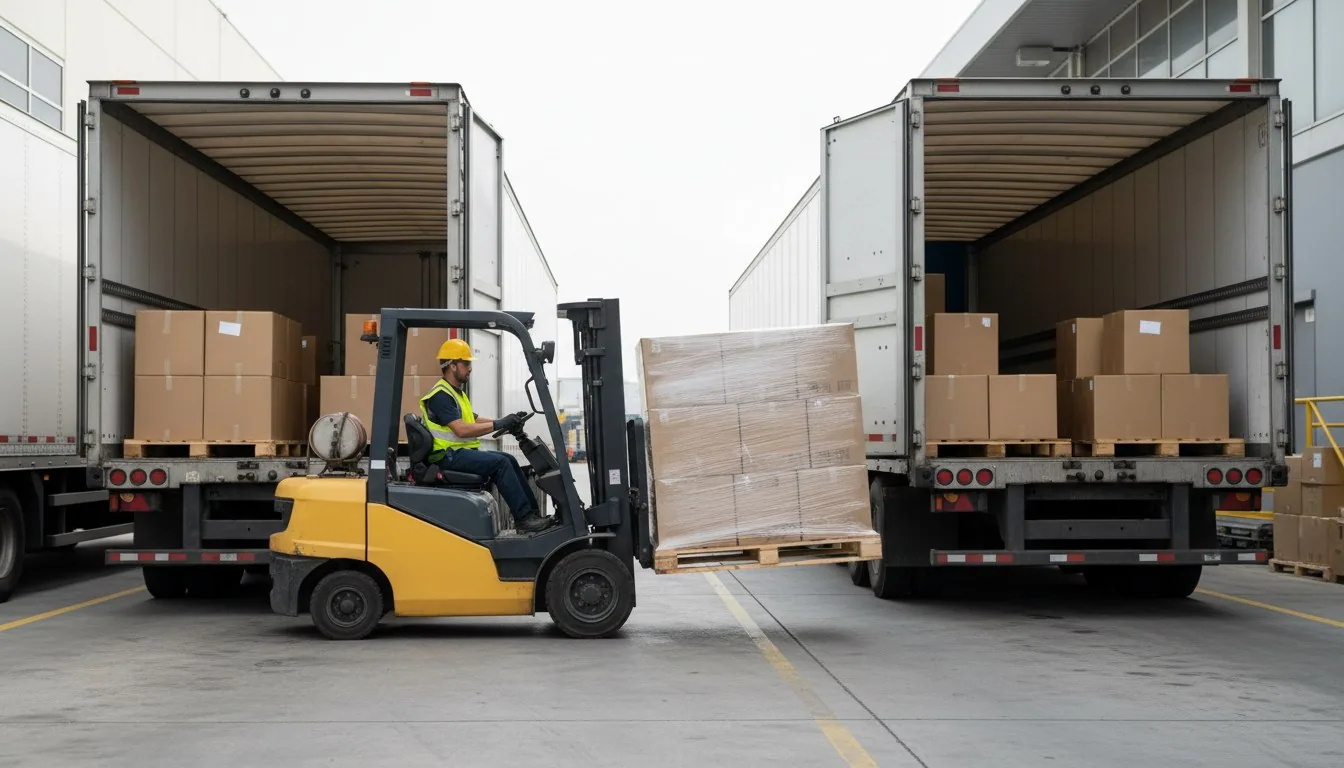
The operator tells us about delivery schedules, entrances and occupied areas affected by the work. We plan material handling and tear-off around those confirmed arrangements. Permission to inspect the roof may not cover the route we need for a lift or a debris chute. If a fixture blocks the final flashing, its owner's contractor needs to be scheduled first. Each phase combines sound insulation, the right parts and a way to seal the roof that day. You can plan around real prerequisites rather than assuming the shipping schedule frees up every path under the work.
General contractors on logistics projects can keep the separate trades in order. For a commercial building near Old Town Temecula, each property keeps its own access record and roof condition. At a Murrieta distribution property, coordinate roof access around loading activity and keep delivery routes clear during staging. We report temporary protection separately from the finished permanent edge. Any edge still open is listed with the specific prep holding it up. That keeps the status useful to the operator even when the field is mostly done, and keeps each day's tear-off to an area we can seal.
The closeout record shows the nailer and insulation we replaced and where the new edge ties into the existing roof. Photos show the fastening before it was covered as well as the finished metal. Equipment and interior work outside the roof stays with whoever is responsible. Later problems are inspected against the roof as it is then, using earlier records to explain any change. Another loose section may have a different cause. You can compare it with the original repair without stretching that recommendation across parts of the roof nobody has inspected.
Roofing for manufacturers under the same ownership may involve different equipment and different plant rules. We keep that building's roof and work phases separate instead of reusing the warehouse detail as its spec. A wider reflective upgrade can be considered where the existing roof and the product's requirements support it. The spending plan should explain the full prep each proposal includes and which leak it fixes. That keeps your roof review based on finished work, with dock and handling needs and any open details shown next to the cost.
Sometimes, but it has to be confirmed with the operator first. Hoisting materials, removing debris and protecting occupied areas may need a different route than trucks use, and inspection access does not automatically cover them. Each phase needs an agreed material path and a roof area we can seal that day.
The nailer and fastening, compatible membrane and the tie-in to the existing roof. New outer trim alone can leave a loose or rotted edge underneath. Compare quotes on the full edge detail, not just the visible metal.
Where the insulation's condition decides what stays, we confirm it with core cuts. The measured findings and their effect on roof height and edge parts are recorded. New damage goes through the agreed approval process while the roof stays temporarily sealed.
No. Fix the loose edge and check the roof under it first. A cool roof still needs a sound base and a secure edge. Keep any energy analysis separate from the repair work those jobs require.
Send us the building and your operations contact. We will go over the edge findings, the prep work and the dock and delivery arrangements that shape a practical roof plan.
Request a Roof Assessment