At a Temecula shopping center, any heat-related roof decision should start by matching each affected tenant space to the roof above it, before a cool roof is ranked against a damaged scupper. Summer heat is a real local concern, but the existing roof and the building decide whether a reflective surface fits and what it might save. A reflective roof can reduce the sunlight it absorbs and the heat entering the building, but it cannot replace rotted backing where the roof drains out through a wall. We inspect that scupper and the spaces under it before recommending the order of repairs and any roof-wide upgrade.
Several tenants may sit under the same work area without sharing the same access needs or contents. You need a specific roof repair and a protection plan reviewed tenant by tenant, not a general promise that stores will stay open. Drainage drawings and tenant leak reports help us find the scupper, the roofing around it and the wall it passes through. We list cleaning separately from rebuilding, and flag any wall or plumbing work for the right trade. The comparison ties those tasks to the cool roof option and the handling needed to make the work practical above the center.
Tearing off roofing next to a wall scupper can affect neighboring tenants beyond the store that reported the leak, so the floor plan drives a lot of the prep. Roofing over occupied buildings lays out roof openings, lifts and debris routes for the property manager. Each tenant's manager decides how their merchandise is protected and when we can have access. Equipment and electrical work stays with qualified trades. We tie that review to a defined scupper repair plan, so tenant coordination is part of the job, not an afterthought once materials are ordered.
If bad backing makes the opening bigger, another tenant space or material route may need review before we extend the work over it. We explain the larger repair area and the added protection alongside the materials. Any temporary seal has to tie into sound roofing while wall or equipment work is scheduled. We respond to urgent shopping center roof leaks on weekends, holidays and at night, with access arranged through the property contact. If water reaches electrical equipment, a qualified electrician should check it. Our records keep temporary seals and unfinished permanent work clearly separate.
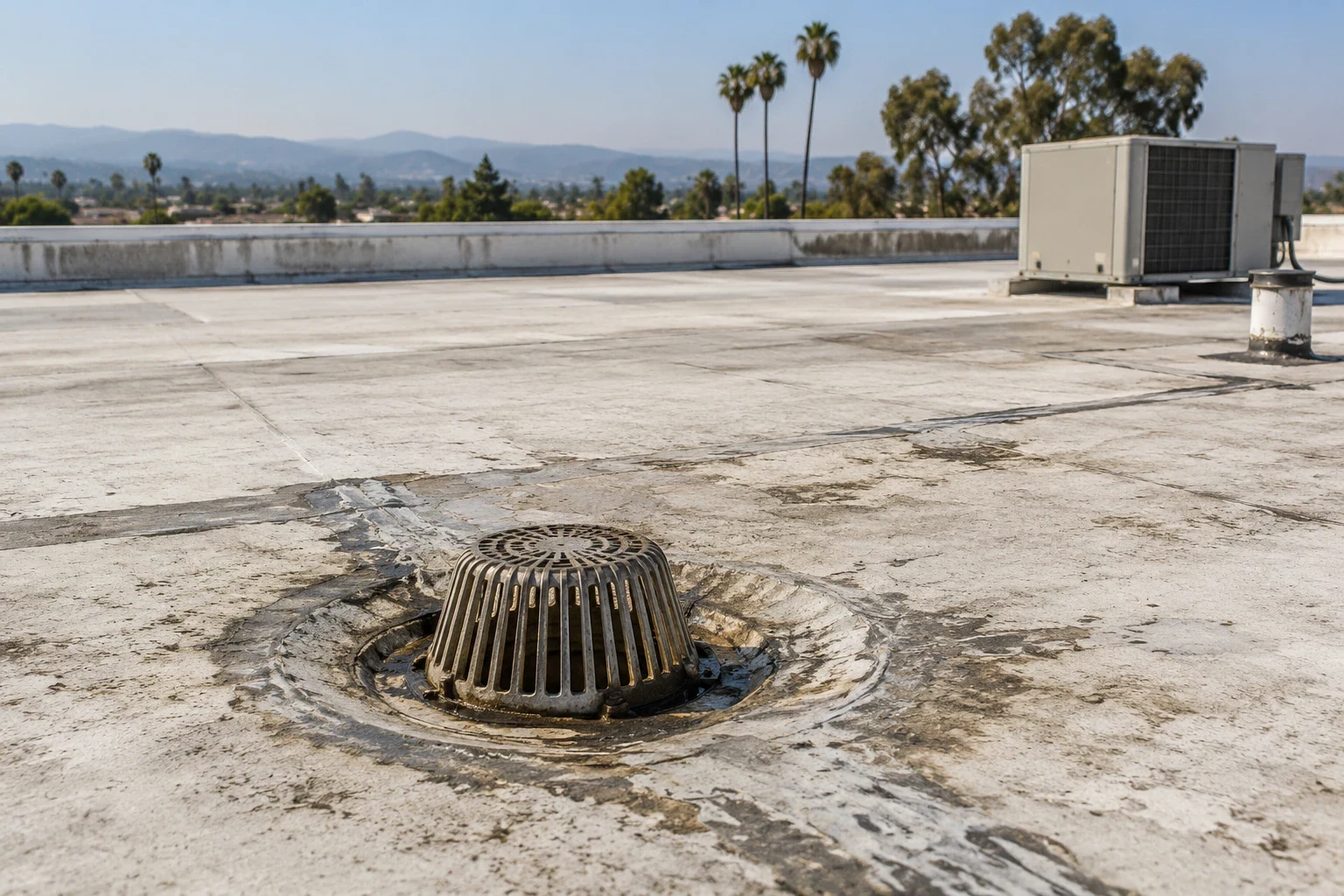
A scupper can drain freely and still have damaged roofing where its flange meets the membrane, so there is still a repair after the water flows again. Drain and scupper repair checks the flow, the membrane around the flange and the backing at the wall. We treat clearing debris as its own task, separate from rebuilding where the backing or membrane will not hold a permanent seal. Wall, downspout or design decisions stay with the right professionals. Your proposal separates cleaning from a finished roof connection, so the budget addresses the problem that is actually still there.
The wall around a scupper may need work before the roofing can be closed up around it. Wall and penetration flashing work checks the flashing and anything that affects the permanent method. TPO and PVC need clean, weldable surfaces; other roofs use their own compatible attachment and prep. A coating cannot fix weak backing hidden behind a flange nobody can reach. We explain how much has to come off to reach sound roofing and what wall work is needed, so you get a clear sequence rather than assuming every surface can stay.
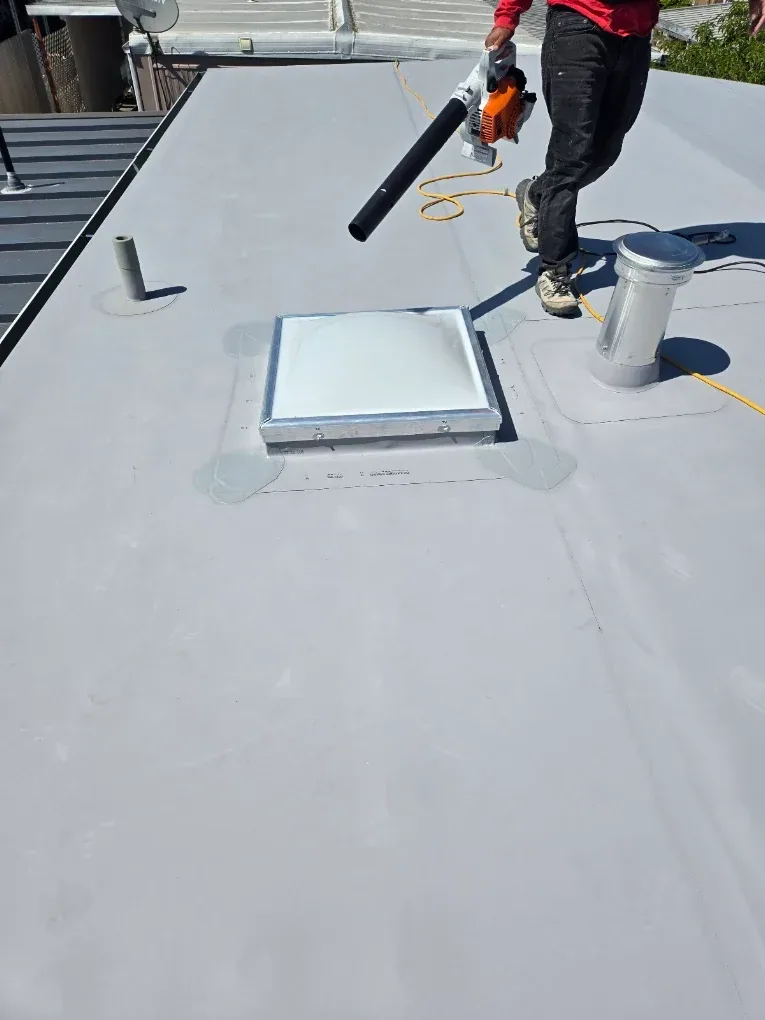
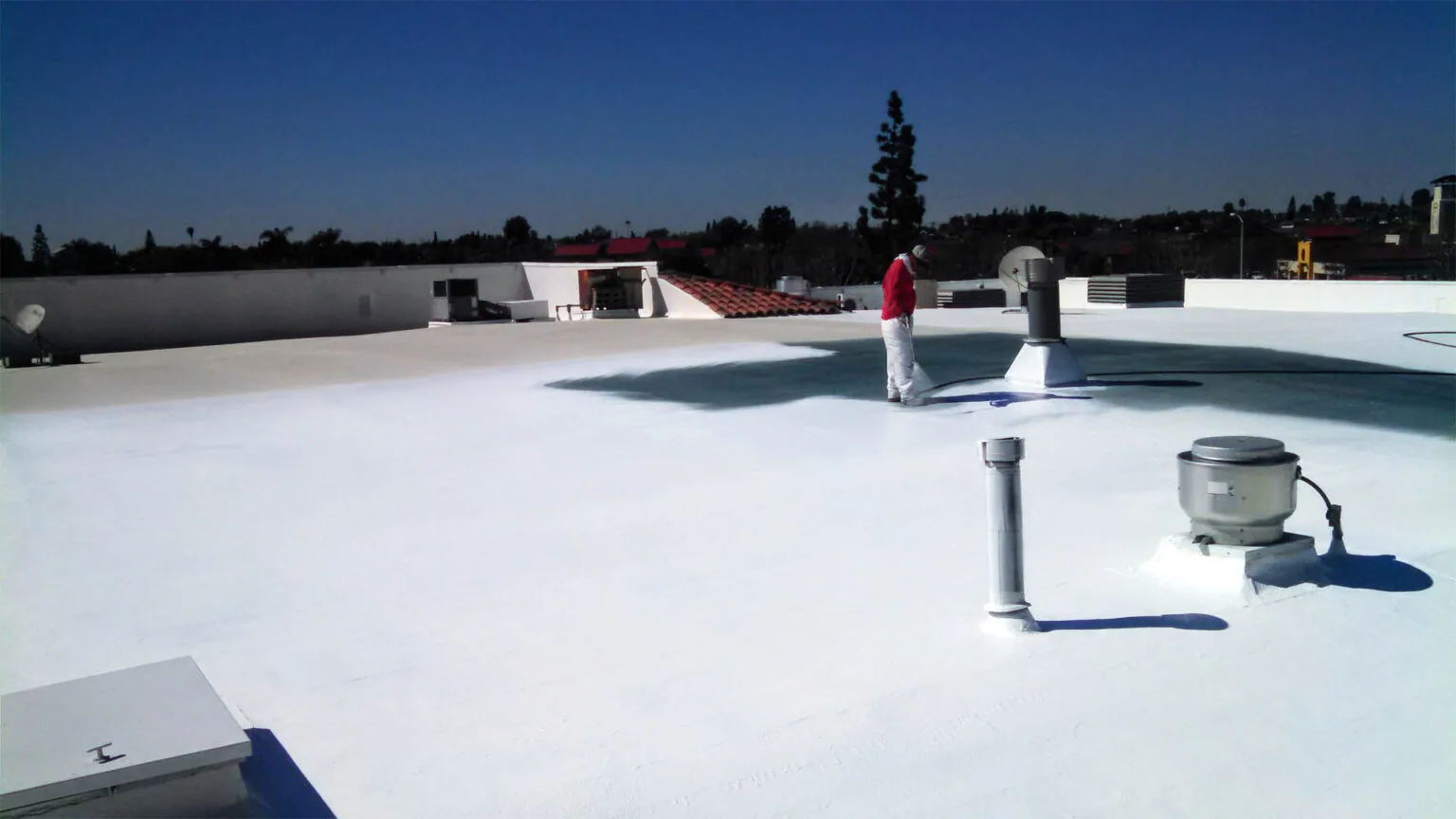
A reflective option needs the existing roof to suit the new system, including the scuppers and drains that stay next to it. A cool roof evaluation checks the existing membrane and the prep needed around each scupper before a roof-wide surface is approved. Energy or HVAC specialists review the building's savings, while we define the roofing work and clearances. A thicker system can change the height at scuppers and curbs, adding work beyond the surface price. That work belongs next to the heat goal before you compare long-term costs.
Hidden conditions also matter wherever keeping the old roof decides the prep. Infrared readings are checked against the roof build-up and the survey conditions, with core cuts confirming them where the decision depends on it. Every test opening is patched, with tenant spaces protected below. We mark what is still uncertain and how the answer changes a local repair or a larger tear-off. That way your budget separates a needed deck repair from an optional cool roof, and the heat goal follows a roof that can actually support it.
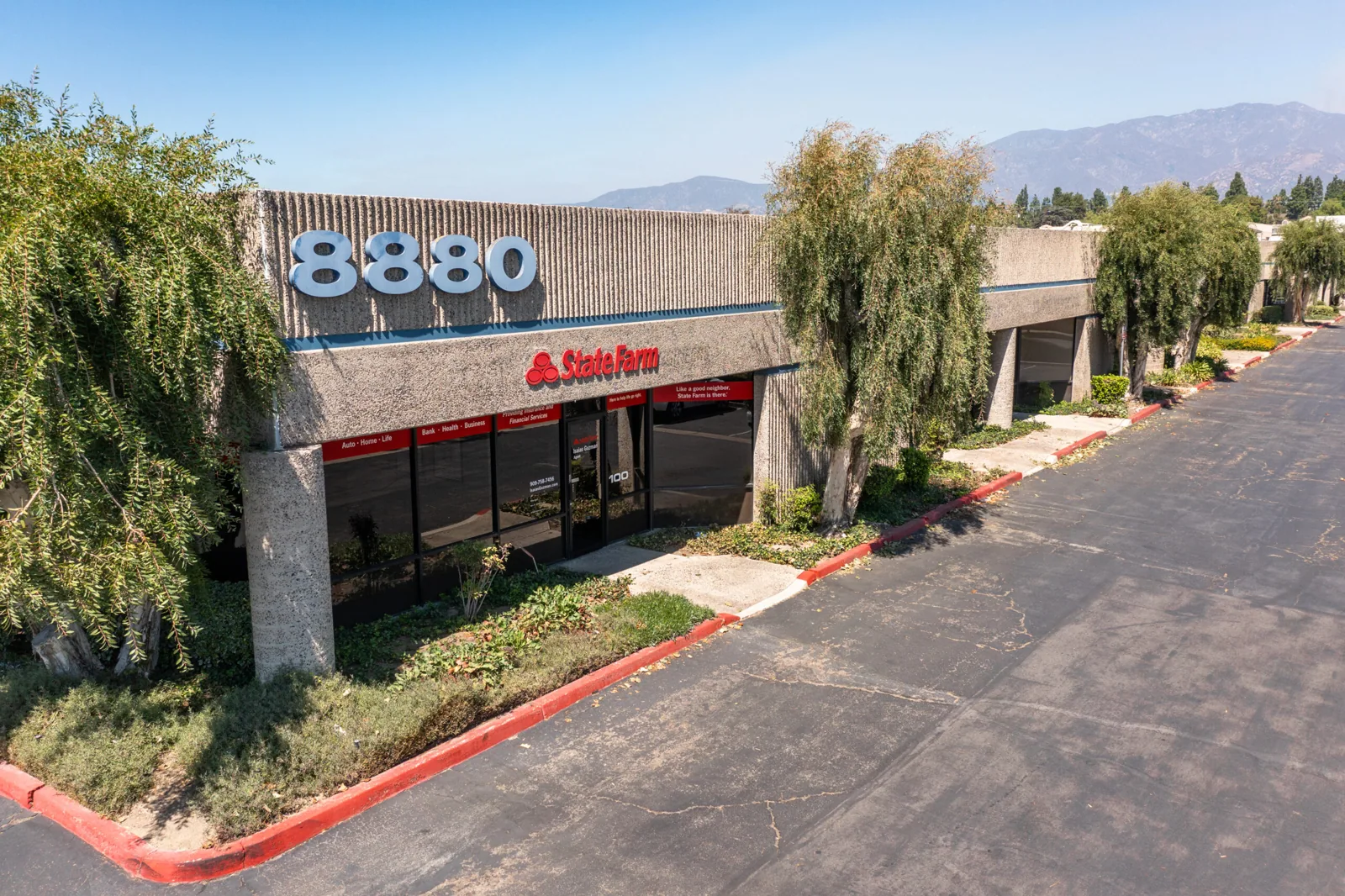
A shopping center near Bonsall may have a different roof build-up from one along the Uptown Jefferson business park corridor. For a shopping center, we map the work zone to occupied tenant spaces, delivery access and the shared routes that must stay open. We inspect the roofing and backing before choosing the permanent scupper repair. The property manager and tenants review the affected spaces and material handling. The proposal can then compare a local repair with a roof-wide option, keeping the recommendation tied to that center.
The scope of work is set from the roof section we actually inspected and the property's approved access plan, not from another center down the road. We test where the condition of the existing layers changes whether they can stay. Wall and equipment contractors handle their part where it affects the roofing. Then you can consider a cool roof using real building information, while keeping the scupper repair and each tenant's protection in the same practical plan for a permanent result.
A big-box store may have a different tear-off and merchandise plan under a similar scupper, so its work is reviewed on its own. Big-box retail roofing plans around merchandise and service traffic. Restaurant roofing deals with kitchen exhaust and grease. We compare shopping center options using the scupper and tenant plan on this roof. A similar retail building does not have the same backing or the same work windows, so each center keeps its own repair plan.
Final photos should show the rebuilt scupper and the sound roofing around it at the wall. Any open wall, equipment or design items are listed separately from finished roofing. Temporary seals are marked in the records, so later tenant complaints can be matched to the right detail. A future cool roof project can start from that finished scupper when new layers are chosen. Your ten-year plan then has a clear reason for the current repair, with any cool roof option backed by compatibility checks and real building information.
Yes. We check the flange, the membrane around it and the backing separately from clearing debris. Where the existing roofing will not hold a permanent seal, we rebuild it after the flow is restored.
We map which spaces sit under the roof opening and material routes before access is agreed. The property manager and each tenant review protection, and the plan is reviewed again if the repair grows into another space.
How the new layers affect scupper height and the flashing details. Any wall or design work at the scupper should be settled before the new roof makes the connection harder to reach.
The photo record of the finished scupper repair and the roofing around it. Temporary seals and open items for other trades are listed separately, so you can quickly tell whether a new report involves finished work.
Tell us about the heat concerns, where the scuppers are and which tenants are affected. We will inspect the roof and compare the scupper repairs with cool roof options, with tenant protection planned in.
Request a Roof Assessment