Matching the repair method to your roof
Comparing complete options before choosing a finish
A larger roof project should include every flashing, edge and drain detail it needs to be finished, not just the new field membrane. Commercial roof replacement planning lists what comes off, where the new roof meets the old and which rooftop equipment is affected. Thicker insulation may change drain heights or equipment clearances, which can bring in a designer or mechanical contractor alongside our work. We explain those steps before treating the square footage as the whole job. If an option stops short of an open detail, that leftover work shows up clearly in the comparison instead of being buried in an allowance.
Cool roof installation is only a good fit when the roof can take it, including proper prep at every edge and penetration. Energy questions belong with someone qualified to evaluate your building and equipment data. We assess the roof itself and do not promise a fixed savings based on roof color, building use or address. A ten-year plan can keep leak repairs and an optional heat upgrade as separate items, each with its full cost. Your schedule then follows what can actually be done on the roof and what still has to happen before a new finish goes on.
Working around occupied buildings
Tear-off can affect more of the building than the spot where the leak first showed up, especially when debris and materials come down a different route. Reroofing occupied buildings means describing the roof area being opened, how materials will move and how test cuts will be closed, so the building's team can review it. They decide on protection and access. Medical, electrical, equipment and other specialists keep their own responsibilities where the building calls for them. We tie the roof work to what it takes to reach it, so each quantity comes with a clear, workable phase.
If testing shows the tear-off needs to be bigger, that may mean protecting another area or changing how materials are moved. We explain the larger area before opening more roof, and we keep the roof temporarily sealed while another trade or a designer handles their part. We take urgent roof calls at night, on weekends and on holidays. Your building contact arranges access for inspections. A temporary patch is always kept separate from finished, permanent roofing. Any remaining prep stays on your list, so the next visit has a clear purpose.
Every Temecula building gets its own assessment
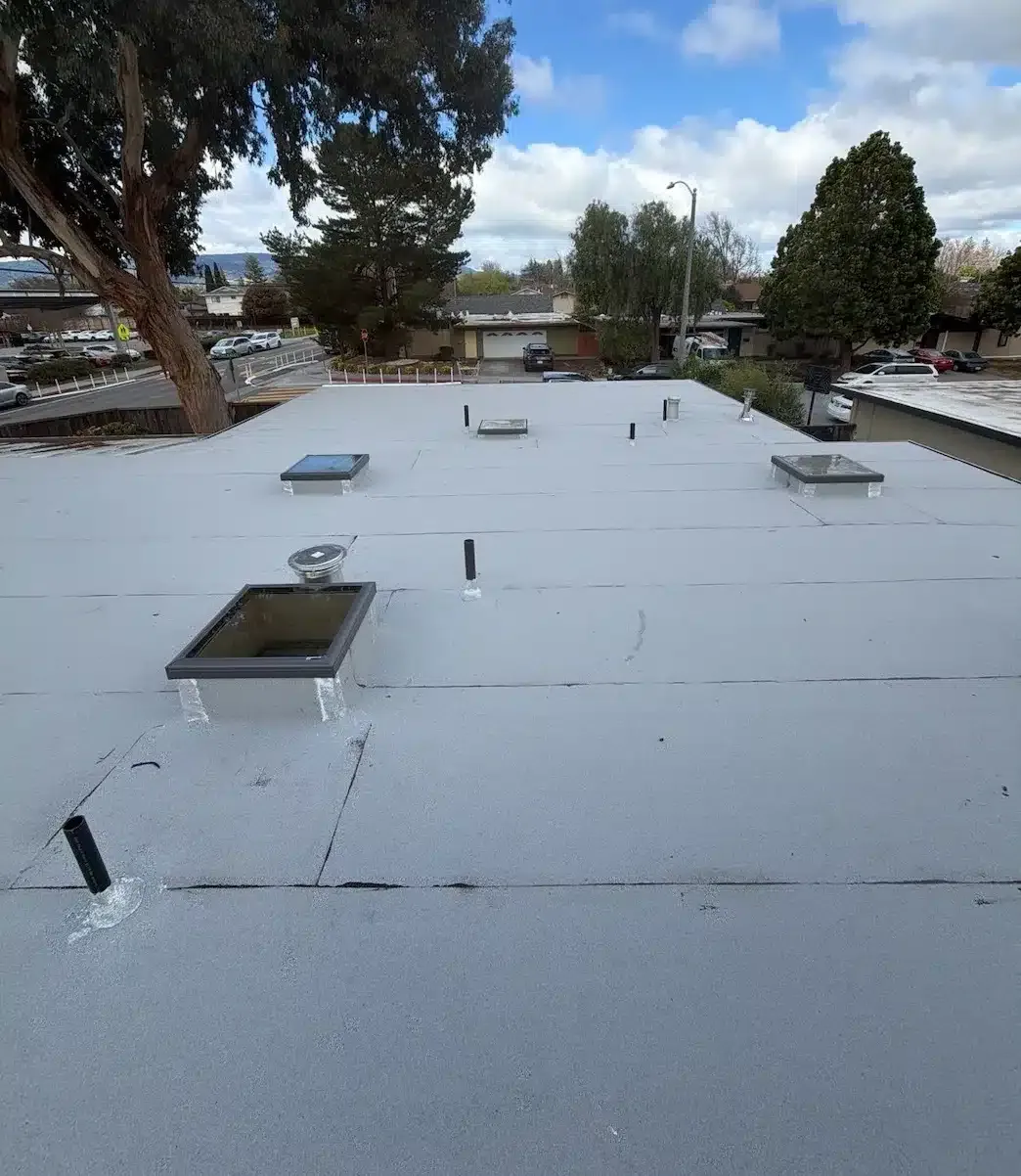
We start a service request by identifying the building, the reported roof area and the person who can authorize access. An inspection then separates visible damage from conditions that need a closer look, so repair, recovery and replacement prices describe actual work. Send us any roof records you have and the name of the person who can let us on the roof. We check the membrane and the insulation we can reach before recommending a repair method, while the building's own team reviews protection for occupied space. The recommendation follows that building and the parts of its roof that can stay, with any equipment questions listed beside the roofing work.
Once we know what we are dealing with, we can compare a local repair with a larger project. If you own several buildings, each one keeps its own prep requirements and its own workable schedule. Two roofs with the same membrane can have very different insulation underneath and very different tenant rules. We keep those differences on record, so a regional budget is built from roof jobs that are clearly defined and can actually be done.
What you have when the job is done
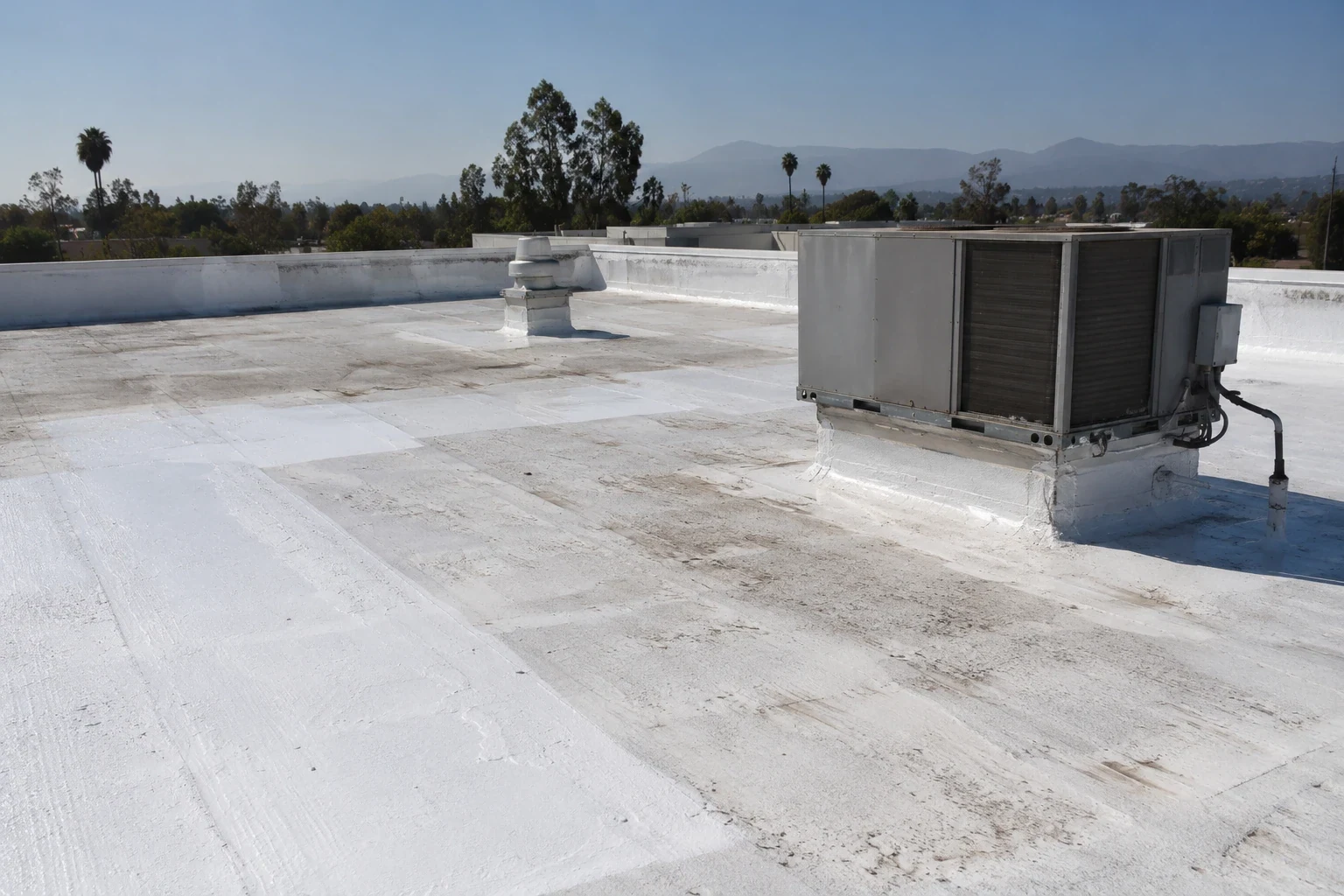
A useful roof recommendation leaves you with the location of every finished repair and every task still open. Roof asset management ties our findings to your next spending decision rather than a general rule based on roof age. Closeout photos show the new work, the existing layers that stayed and any temporary patches. Maintenance visits can go straight back to those details, with any wall, equipment or design questions kept with the right trade. Your spending plan stays tied to finished work and to the specific step still standing in the way of a lasting repair.
What should an owner bring to the first roof spending discussion?
Where the leaks show up inside, any roof records or drawings you have, and what you hope to achieve on heat. We start with the roof problems that decide what work is possible, then compare an optional cool roof against the leak repairs.
How do you distinguish local repair from a broader alternative?
We check how much of the membrane and insulation is sound enough to keep, then compare the full prep each option needs at its edges, curbs and drains. Both options include tear-off, patching test cuts and any work by other trades, so you can see exactly what each one covers.
Why does operating review belong beside roofing preparation?
Because tear-off and material handling can affect rooms well beyond the original leak. The building's team reviews protection and access, and other trades handle their own equipment. That makes the price reflect the real phase of work needed to finish the roof.
What should remain useful after the exterior work is complete?
Photos and locations of the finished repairs and the existing layers that stayed. Temporary patches and any open prep work are listed separately, so your next decision can go straight to the item that still needs attention.
Discuss the roof spending order with us
Tell us about your buildings, your roof concerns and your goals on heat. We will compare complete options, including the phasing and other trades involved, before you decide on the next project.
Request a Roof Assessment