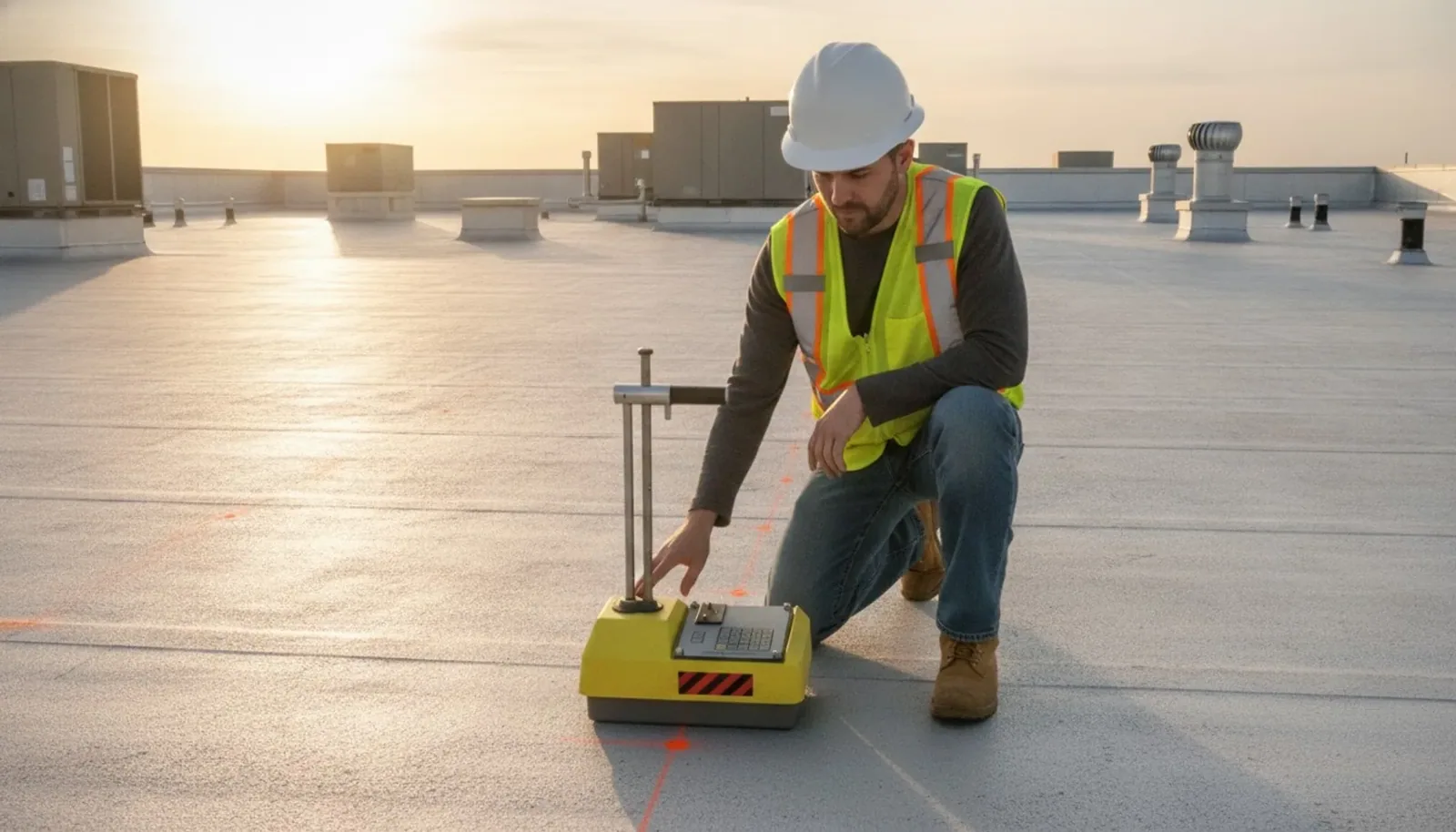
Commercial roofing across Temecula puts heat, protection of occupied rooms and roof condition into the same budget decision. We assess commercial buildings throughout the city, looking at the existing roof and the rooftop equipment it has to serve. Extreme heat is a recognized local stress on roofs. A reflective finish can limit how much sunlight the roof absorbs, but a failed curb flashing may need attention first because it gives water a direct path into the building.
Temecula's planned-development overlays cover several distinct growth and commercial areas, including separate overlays for the hospital, education, village and road-corridor settings. The city's transportation work also connects I-15 between Temecula Parkway and Rancho California Road. That gives a sense of how wide our service area is, but every job is based on the roof and building we actually inspect. For a medical, office, retail or industrial building, we review the roof and the building team's room restrictions before recommending an order of work. Old Town Temecula and the Murrieta Hot Springs Road corridor have their own pages. Here, the equipment curb, the layers around it and the effect of opening up a particular room decide whether a focused repair or a larger project comes first.
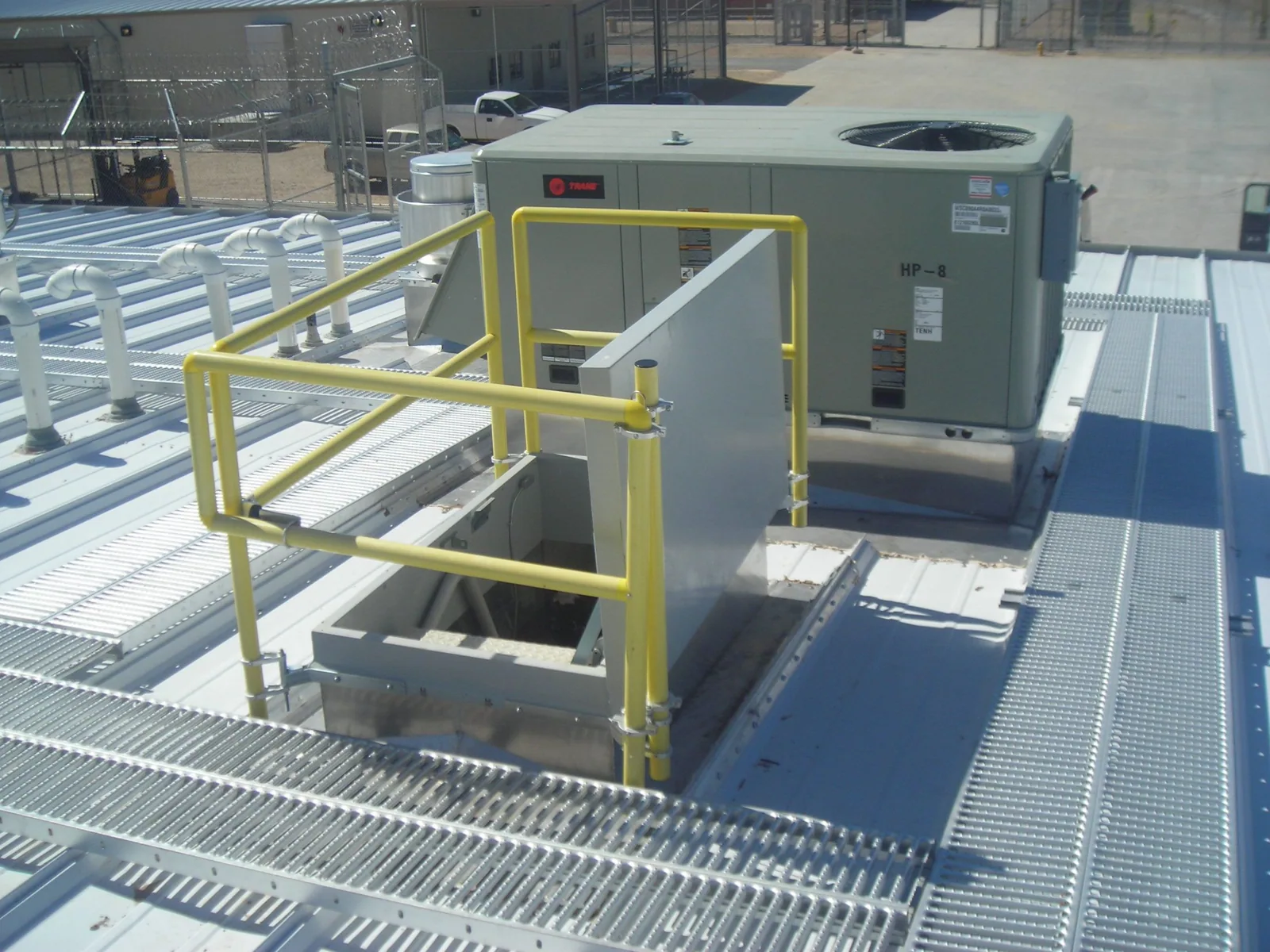
A roof curb separates the roof surface from the equipment above it, but its corners and top edge can let water in when the flashing fails. We examine those details along with the unit housing and its service connections. Water from the equipment itself can show up beside the roof flashing and look like a roof leak. A permanent fix needs a clear answer about which part is actually leaking.
Planned equipment replacement can change that decision. Lifting a unit or changing the curb size may disturb a repaired corner, so the owner should compare the roof work with any planned mechanical changes. We describe the flashing work and the separate equipment work. Rooftop equipment curbs and supports work follows the final equipment layout, rather than building a new flashing that the next unit swap will tear up.
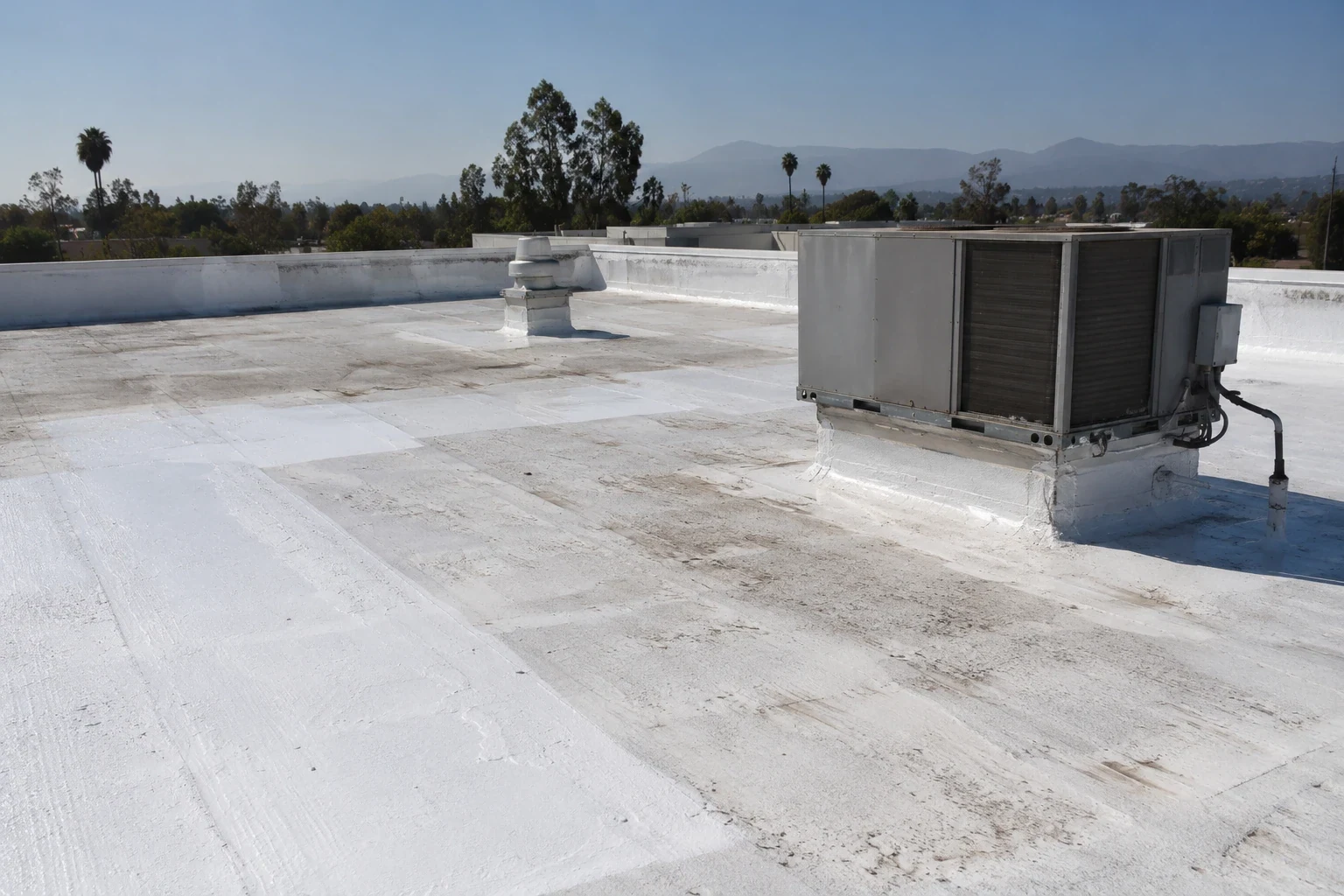
A reflective roof surface can reduce the heat it absorbs, but the actual effect on cooling depends on insulation, building use and equipment as well as the finish chosen. We compare the proposed surface with the existing roof before treating heat reduction as a reason to restore. Wet or unstable material can change the options, and a leaking curb needs fixing no matter what color the roof is.
A sound surface still needs the right preparation and adhesion for a coating. Details around equipment need their own treatment, with compatible materials and the right shape. Roof coating restoration can be considered where those requirements are met. It cannot cover over an unresolved equipment change or hide moisture that testing says should be removed.
The owner can then compare the cost of living with the current condition against the work needed to improve it. We weigh the work each option requires against the building's actual cooling needs. The useful question is whether the existing roof can support the proposed finish and repaired details. That gives a better spending order than choosing the most reflective product before anyone has looked at the roof.
A repeat leak near a curb may have soaked insulation beyond the visible opening. A moisture survey can help check for that before the permanent repair is defined. A scan reading can guide targeted testing, but the roof system and weather affect what the scan can show. The owner needs the removal area confirmed where it would change the recommendation, with approval and sealing planned for each test opening.
We separate what is confirmed from what is still unknown. A proposal can list the known removal and a method for measuring extra work if opening the roof reveals more. That keeps the price tied to evidence without assuming hidden material is dry. It also lets the facilities team consider a wider project when several details show related problems.
The layers that stay have to suit the new flashing and the roof system. Covering damp insulation carries the problem forward instead of reducing its cost. The new repair should tie into sound material using the right method for that roof. We explain what the inspection supports, what further testing would settle and how those findings affect a repair, restoration or replacement comparison.
In an occupied building, the building team tells us what the room below needs while the roof is open. We explain tear-off, debris, noise and equipment work so restrictions can be set from the actual job. The agreed plan should name the protected area and the person who can release it. Medical, office, retail and public buildings may have different constraints, and we confirm them at each building rather than assuming them.
Each day's roof opening has to fit the time and crew available to seal it back up. Unexpected wet insulation or tricky curb corners can slow that down. We set stopping points and explain what would change the section size. Occupied building reroofing needs the same discipline when the project gets bigger, with reliable tie-ins and a clear plan for temporary conditions.
Staging and lifting also affect the plan. Routes have to fit the approved access, and loads on the roof need review rather than guesswork. Disconnecting equipment belongs with the qualified trade and the owner's approval. The recommendation should show those dependencies before a date is set, so the building's schedule reflects the work needed for a permanent fix.
At closeout, the record should show the original leak, the condition of the roof around it and the finished curb detail. Mechanical work gets its own record. We list remaining roof concerns by location with a recommended action, so a finished repair does not wipe an unrelated weak seam or drain off the next budget discussion. That keeps the owner's spending tied to what we actually found.
A leak that comes back should be compared with the repair that was made. It may point to a different entry point or an equipment problem rather than a failed patch. Repeated trouble across several details can support broader work, while sound surrounding roof may support continued targeted repairs. We explain the finding that changes the recommendation and what the occupied rooms will need for the next step.
We recommend settling the unit and curb first. Lifting or replacing a unit later can damage new roofing around it. If the unit is staying and the curb is sound, restoration can still be compared based on surface preparation and the condition of the existing roof. The order should keep the same area from being opened twice for no good reason.
A single curb starts with a focused investigation, not an assumed replacement. We examine the roof around it and compare similar details where the findings call for it. The recommendation explains the evidence and the effect on operations.
Consider reflectivity alongside insulation, roof condition and building use. We recommend a reflective surface only after confirming the existing roof can support it. A heat benefit does not remove the need to fix leaks, and we do not promise a specific drop in the energy bill.
The size of the opening and the protection your building team requires. We describe the roof work and any equipment dependency before the daily section is approved. A smaller section can work when the room cannot stay closed for long. The plan should allow for difficult details and hidden conditions rather than assume an optimistic pace.
Photos of the original problem, any opened layers and the finished repair, together with the defined work area. Record separate equipment work and any open roof concerns clearly. That lets the next facilities person assess a new stain without assuming everything nearby was fixed, and gives capital planning a solid starting point.
Set up a roof review for your Temecula building. Tell us about the affected room, any equipment plans and your facilities contact. We will explain what we find, rank the repair against surface options and show what the work schedule needs from the building.
Request a Roof Assessment