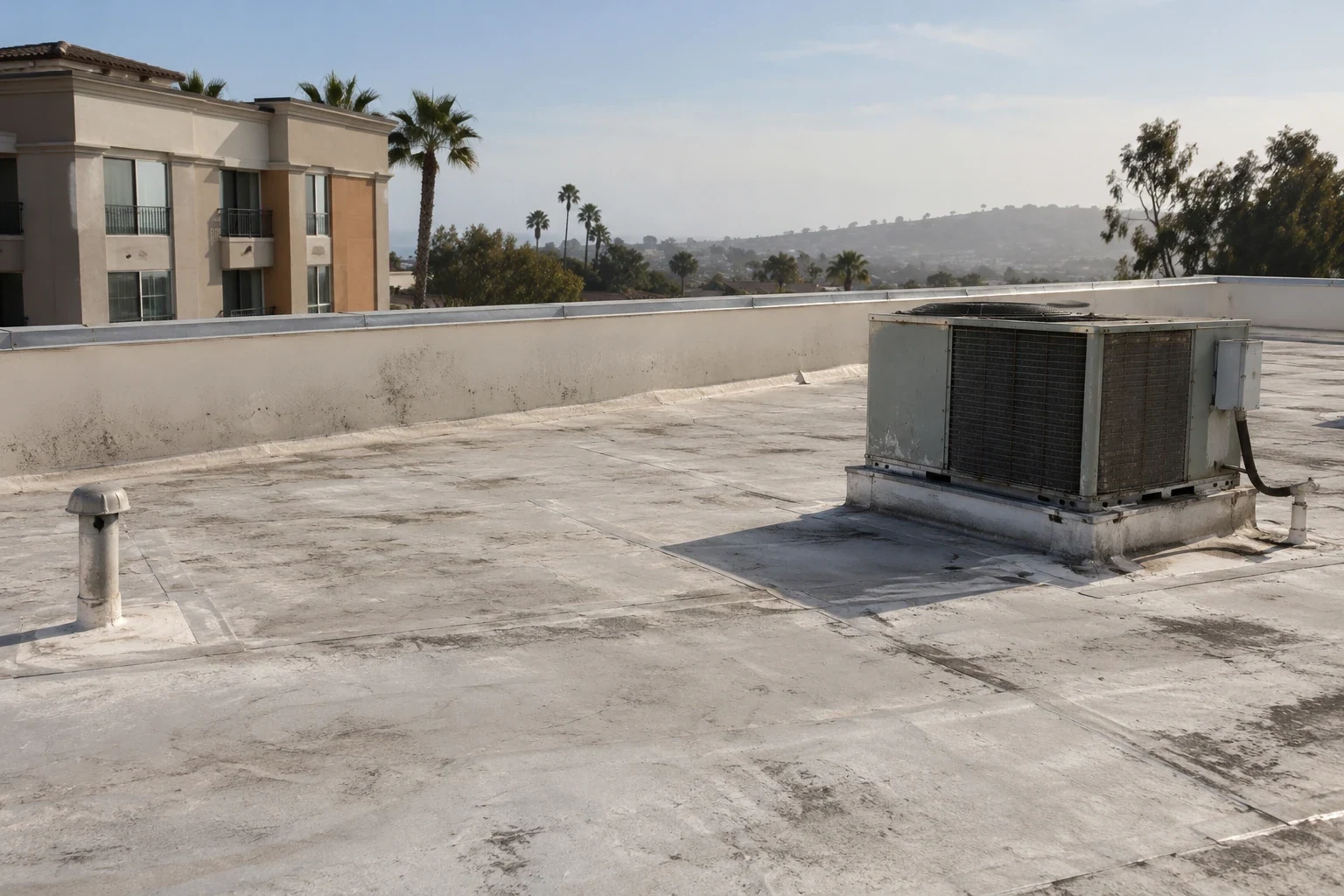
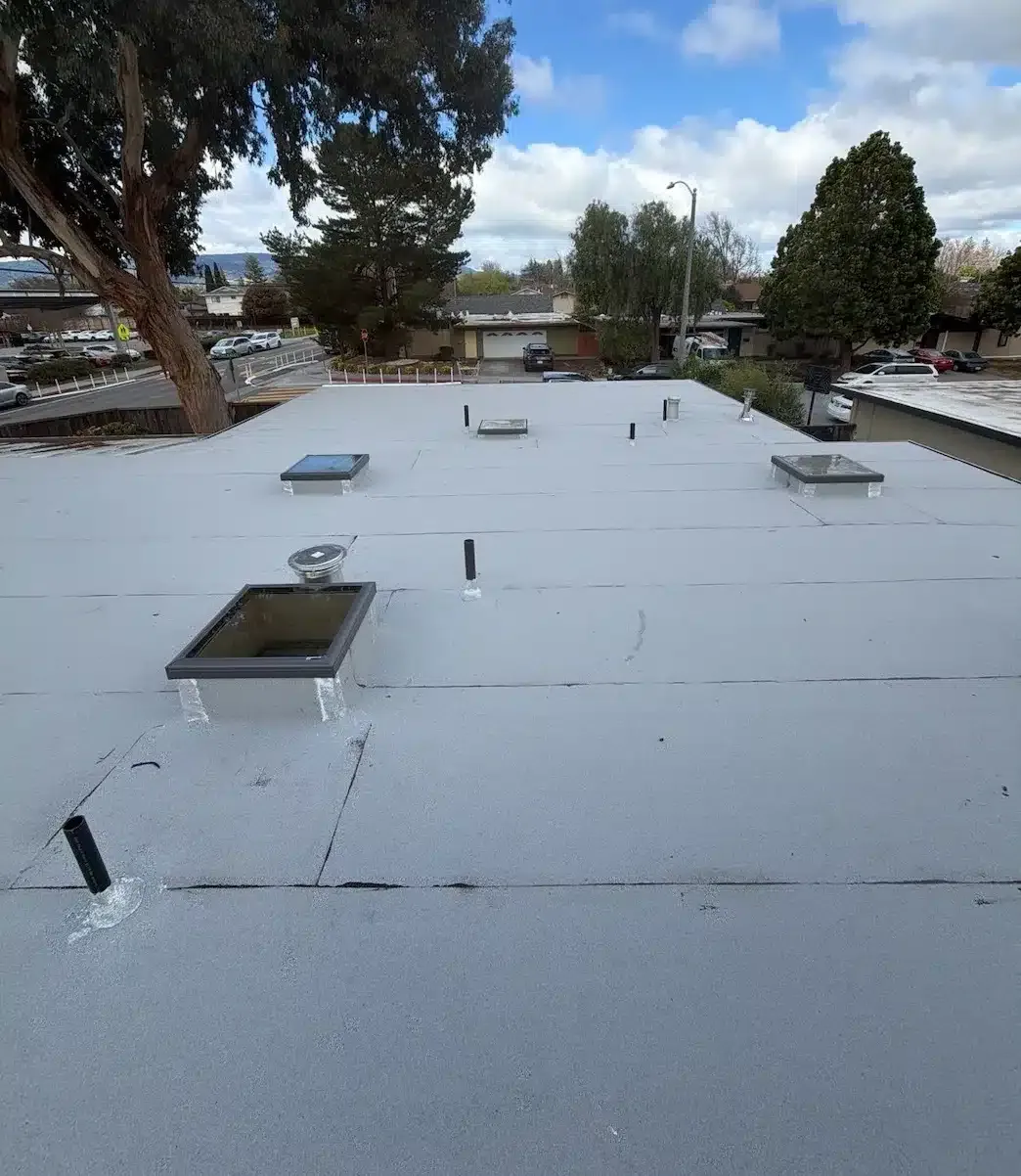
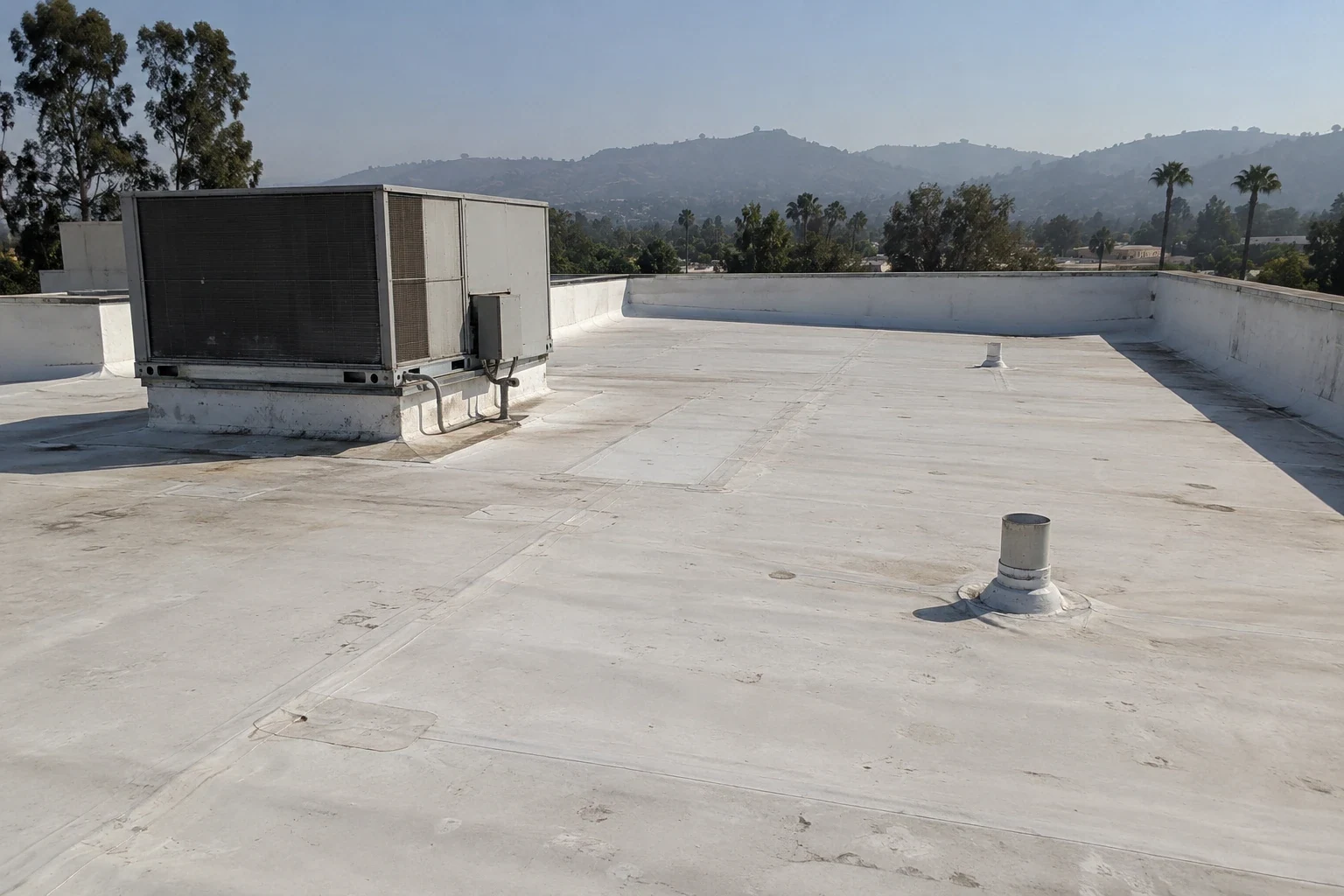
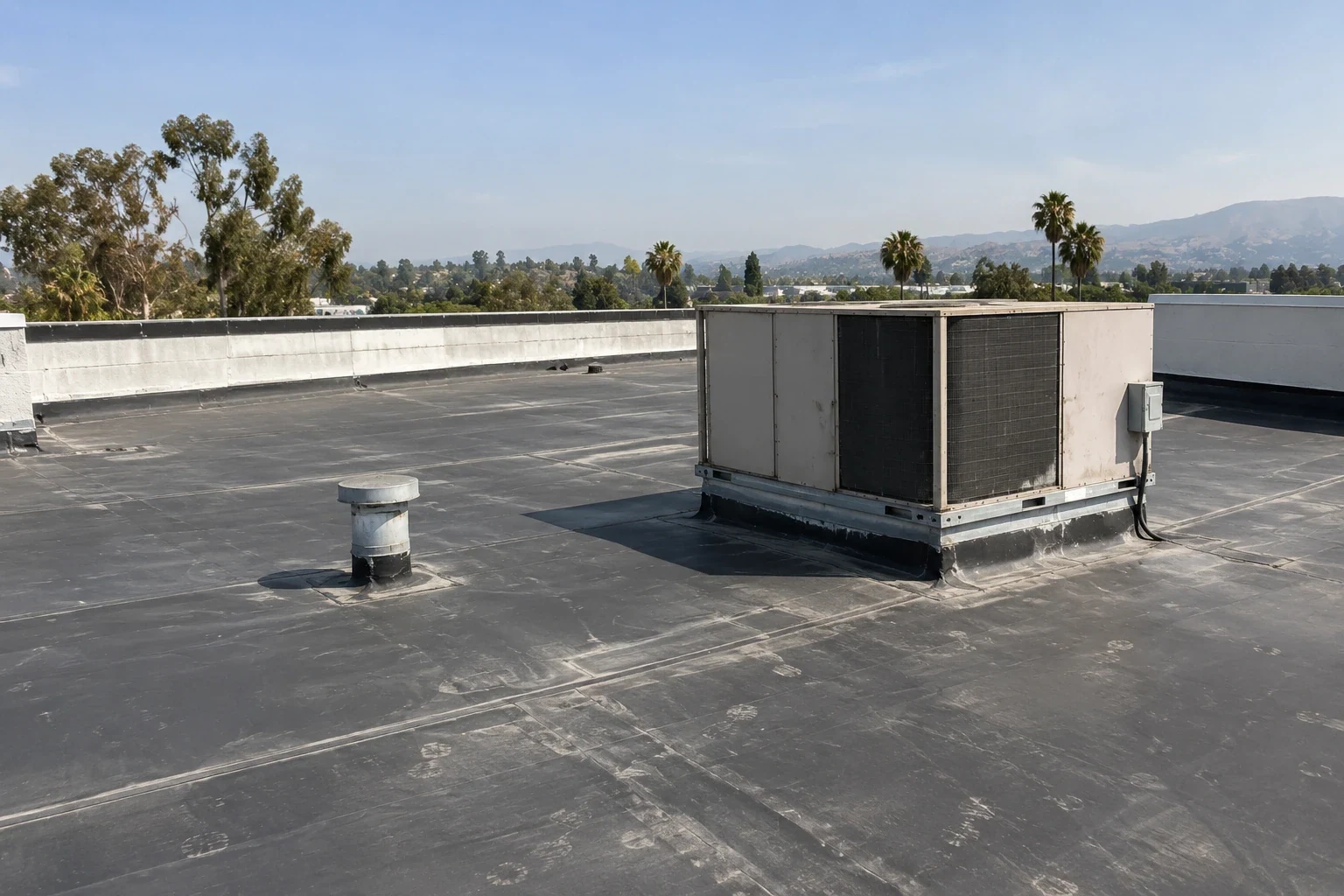
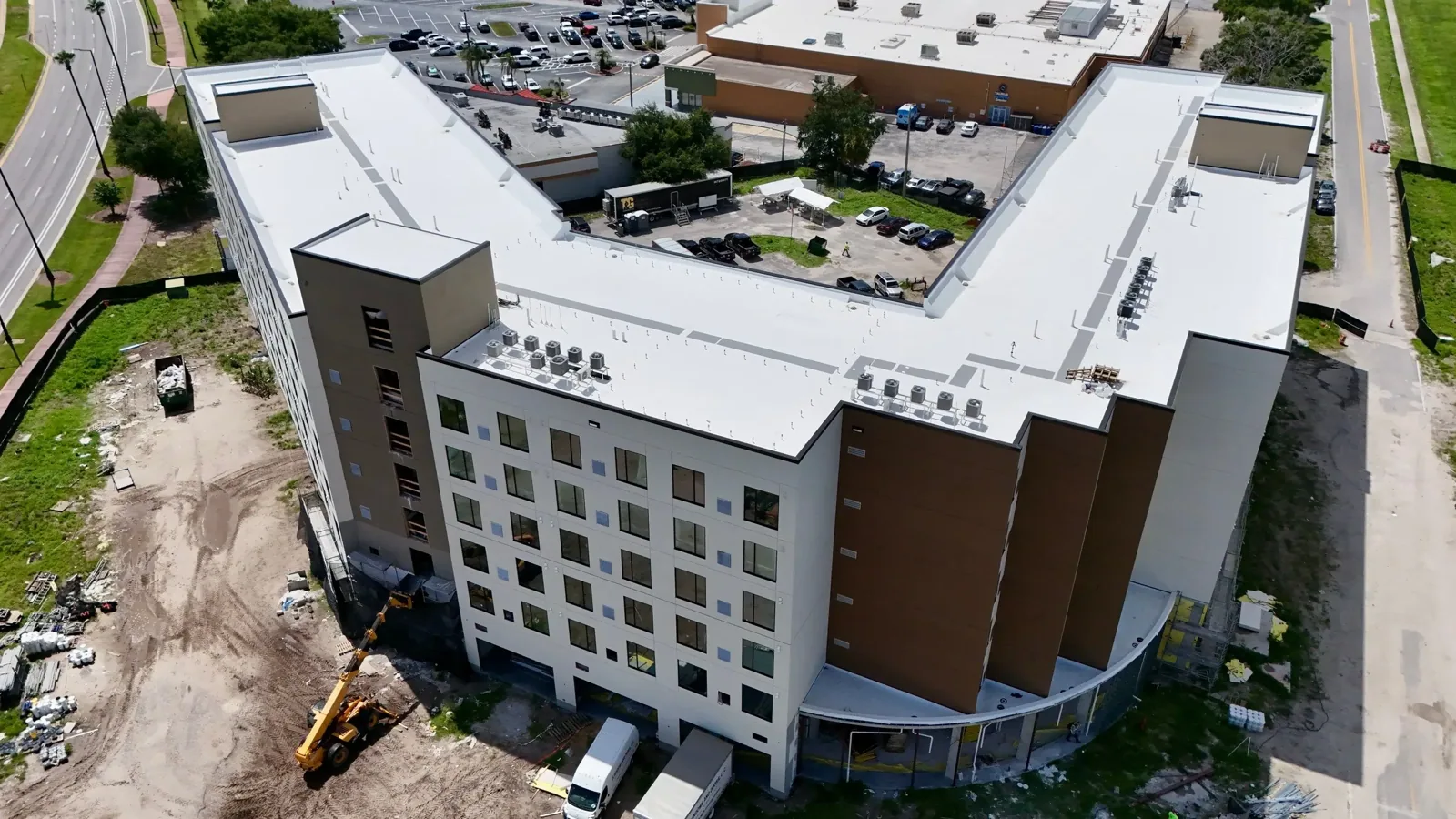
Summer heat might be shaping a Temecula hotel's long-term roof plans, but when water is coming in, the first questions are how to stop it and how to fix it for good. Emergency roof repair in Temecula, CA, separates what we can do right now from details that have to wait on equipment, an insulation check or the building's schedule. We talk through where the water is and which rooms are affected before planning safe access, and we confirm what the roof is made of before choosing permanent materials. A hotel emergency roof repair keeps the temporary patch separate from the finished repair, because a tarp or temporary seal does not remove wet insulation or prove every leak is stopped. Properties near Menifee and Murrieta can have very different roofs and building rules. On an emergency call, we first find where the water is getting in and which part of the roof can be reached safely. We note what we see on the roof next to where water is showing up inside, and keep the immediate protection separate from repairs that still need an insulation check. Any equipment that has to be moved gets scheduled before the permanent repair depends on it. The final recommendation follows the roof we inspected and what it takes to fix it.
Sometimes the leak point cannot be permanently repaired on the first visit, often because an HVAC unit sits on it. In that case, the temporary protection and what we are waiting on should both be spelled out before anyone calls it done. We tell you exactly what area we sealed and what still needs a decision from you or another trade, and keep the temporary seal separate from a finished membrane repair. You should know where the emergency work stops, rather than assume every opening can be finished in one trip. Equipment problems stay with the mechanical contractor, and the permanent materials are chosen to match the detail we found.
A leak investigation after the emergency patch compares when it leaked with the roof and HVAC entry points we can reach. We separate what we confirmed from paths still unexplained, since a ceiling stain cannot tell you where every leak is or how much insulation is wet. The mechanical contractor may need to fix a unit-related leak separately. The recommendation names the detail getting a permanent repair and what still needs checking before insulation quantities are ordered. Stopping the water and finding the source are two separate jobs.
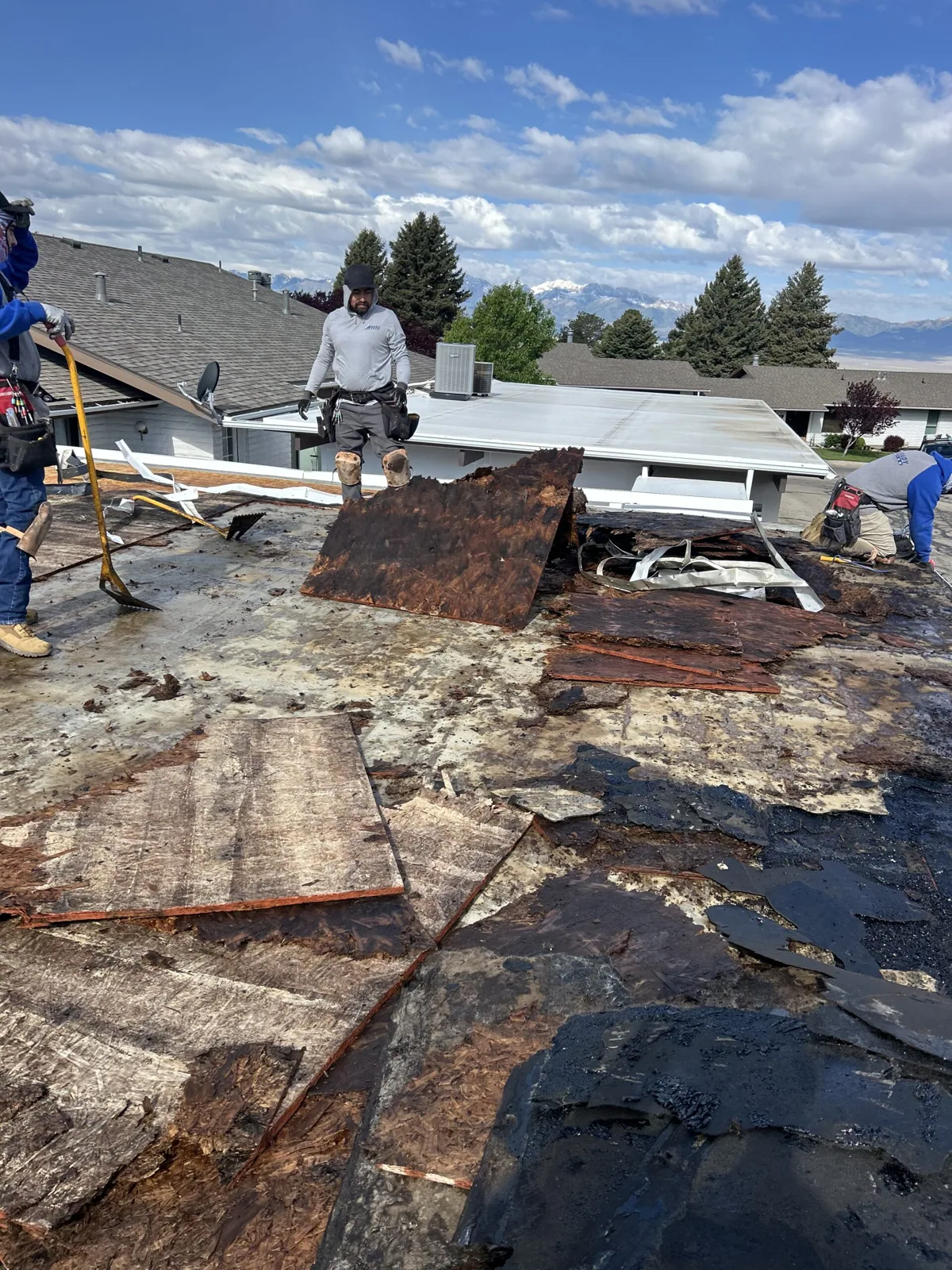
A sealed-over opening can still have wet insulation under it, so we confirm its condition before a permanent repair counts on keeping it. Suspected wet areas are kept separate from confirmed bad material, and the price includes tear-out, disposal and new insulation along with the membrane and flashing repair. If more damage turns up, it gets measured and approved by your side while the roof stays protected. A small hole on top does not tell you how much hidden material is ruined. The permanent repair has to tie into solid, dry material that suits the products we are installing, not just whatever is under the patch.
A roof inspection after the emergency answers whether the insulation and deck can stay or need to come out. We compare any roof records with the layers we can see and the shape of the detail, and note anything still needing a core sample. Wet insulation and loose fasteners are separate questions under the membrane. You can then see which repairs are confirmed and which quantities may change. A walk on the surface does not prove every hidden layer is sound, and the repair allowance follows what we actually find.
An old patch can hide what membrane is under it at the leak, so we confirm the existing roof and the prep it needs before choosing permanent materials. We check the shape of the detail against the repair we are proposing and follow the manufacturer's requirements. Seam testing and insulation checks are separate steps, since a well-sealed seam does not prove the insulation around it is dry. The surface is cleaned and prepped for the product chosen, and the flashing parts are lined up for the full repair, not just the field patch.
A TPO permanent repair after the emergency needs its membrane, fastening and flashing parts spelled out. An EPDM repair option for the same detail uses a different seam method and prep. Two repairs the same size do not take the same labor or use interchangeable parts. We keep the insulation repair and where the work stops the same in each option, and explain what each one actually fixes, rather than assuming any product in the same family will do.
An HVAC lift or other trade's work may decide when we can get to the temporarily sealed detail, so that timing is part of the permanent repair schedule. We sort out equipment tasks and roof tasks before opening the detail, and line up the right materials and prep together. Blocked details stay separate from roof areas we can finish now, because a delivery of membrane does not free up a curb under a unit. Tight delivery routes and occupied-room restrictions can mean extra handling and more setups. The schedule follows when the full detail can actually be built, not a guessed finish date.
A permanent roof repair after the emergency covers the full insulation and flashing work. We explain what it takes to replace the temporary fix, with any change in insulation quantities reviewed and approved. A bigger problem may need more inspection before deciding whether to repair or replace. The price follows the permanent work and the scheduling needed to finish it, and any temporary protection waiting on another trade stays listed. You get a description of the actual repair, not a generic emergency invoice.
A property near Anza may be built very differently from one near Winchester. On an emergency call, we deal with the active leak and the open roof first, then note which areas still need a full inspection. Requests around Old Town Temecula emergency roof calls follow the same approach, based on the specific leak and building rules, with anything waiting on other trades listed next to the permanent repair still needed. Hidden damage gets checked in a follow-up inspection, and blocked details stay assigned to whoever needs to clear them. The record makes clear which parts of the roof are temporarily sealed and which are permanently fixed.
We record the temporary protection we installed with photos and what we found, and separate finished permanent repairs from details still waiting on prep. Any agreed follow-up checks are tied to the work installed, and areas we did not inspect need their own look. If your roof has a warranty, its repair requirements and terms should be reviewed. The record separates what we sealed from leaks still needing investigation and a permanent repair. You get a clear account of what is done and what is left, so the next decision is easy to make.
Temporary protection versus permanent repairs. The record should list what was sealed, what was permanently fixed and anything still waiting on another trade, with locations and findings, so a temporary patch is never taken to mean every leak or wet layer is handled.
No. Insulation under a temporary patch needs to be checked with cores or test cuts before a permanent repair relies on it. We keep suspected wet areas separate from confirmed ones, then price tear-out, replacement and any approved quantity changes, with the roof kept protected.
Confirming the existing membrane and how the detail is built, so the new parts and prep match the manufacturer's requirements. Seam testing and insulation checks are separate, because a lasting repair needs both a good connection and a sound roof under it.
Usually the HVAC contractor, when a unit has to be moved or disconnected before we can reach the flashing. We schedule that along with our materials, and keep the blocked detail separate from roof work we can finish now, rather than promising a date we do not control.
Tell us where the water is coming in, when it started and who manages the building. We will make the roof safe and explain the temporary protection and the permanent repair it needs.
Request a Roof Assessment