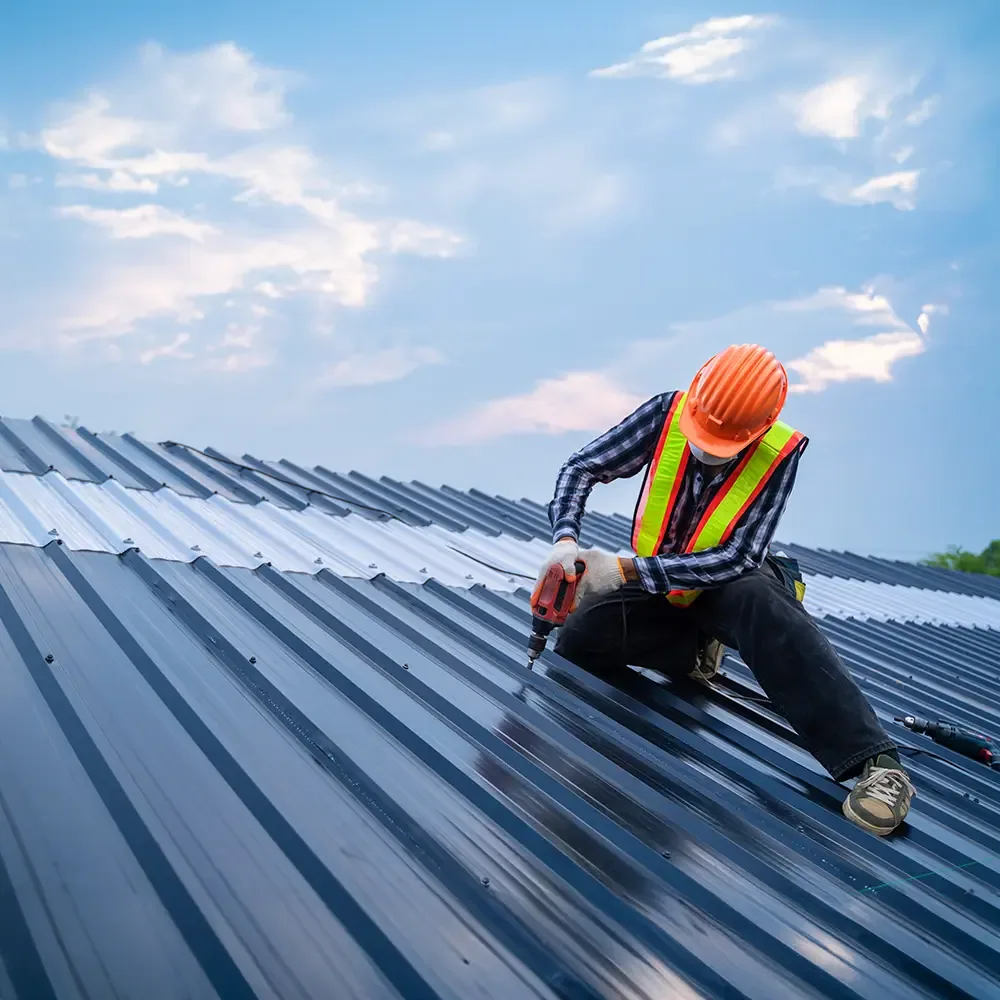
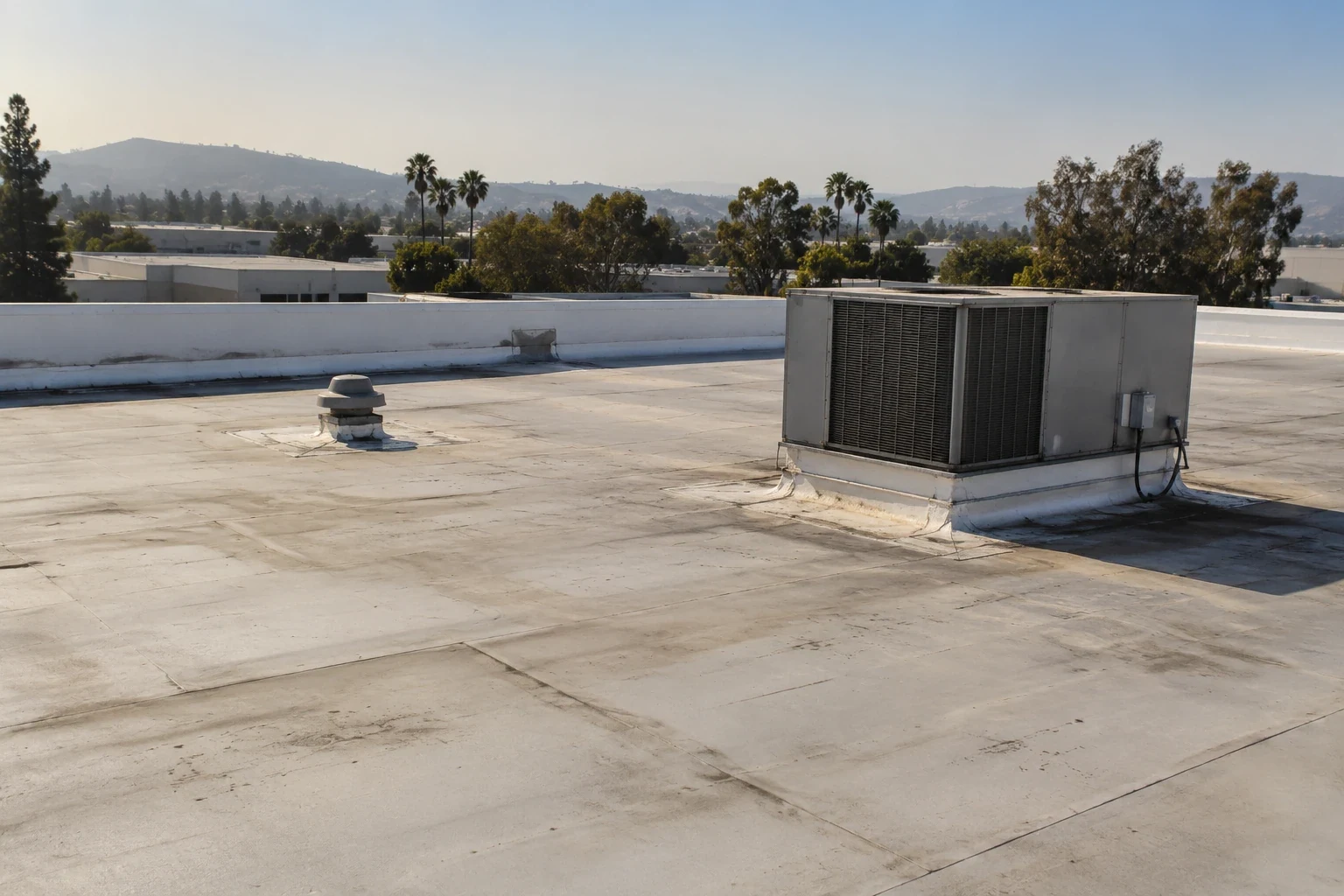
Most Temecula warehouse owners we talk to have two roof questions on the table at once. One is heat: summers here can bring extreme heat, and a big low-slope roof takes the full sun all day. The other is a specific problem, usually a seam that has opened up and started dripping onto racking or the floor. Both compete for the same budget, but they are different decisions. The open seam is a leak that needs a permanent repair now. A reflective roof is an upgrade that only makes sense once we know what the membrane and insulation underneath are actually like.
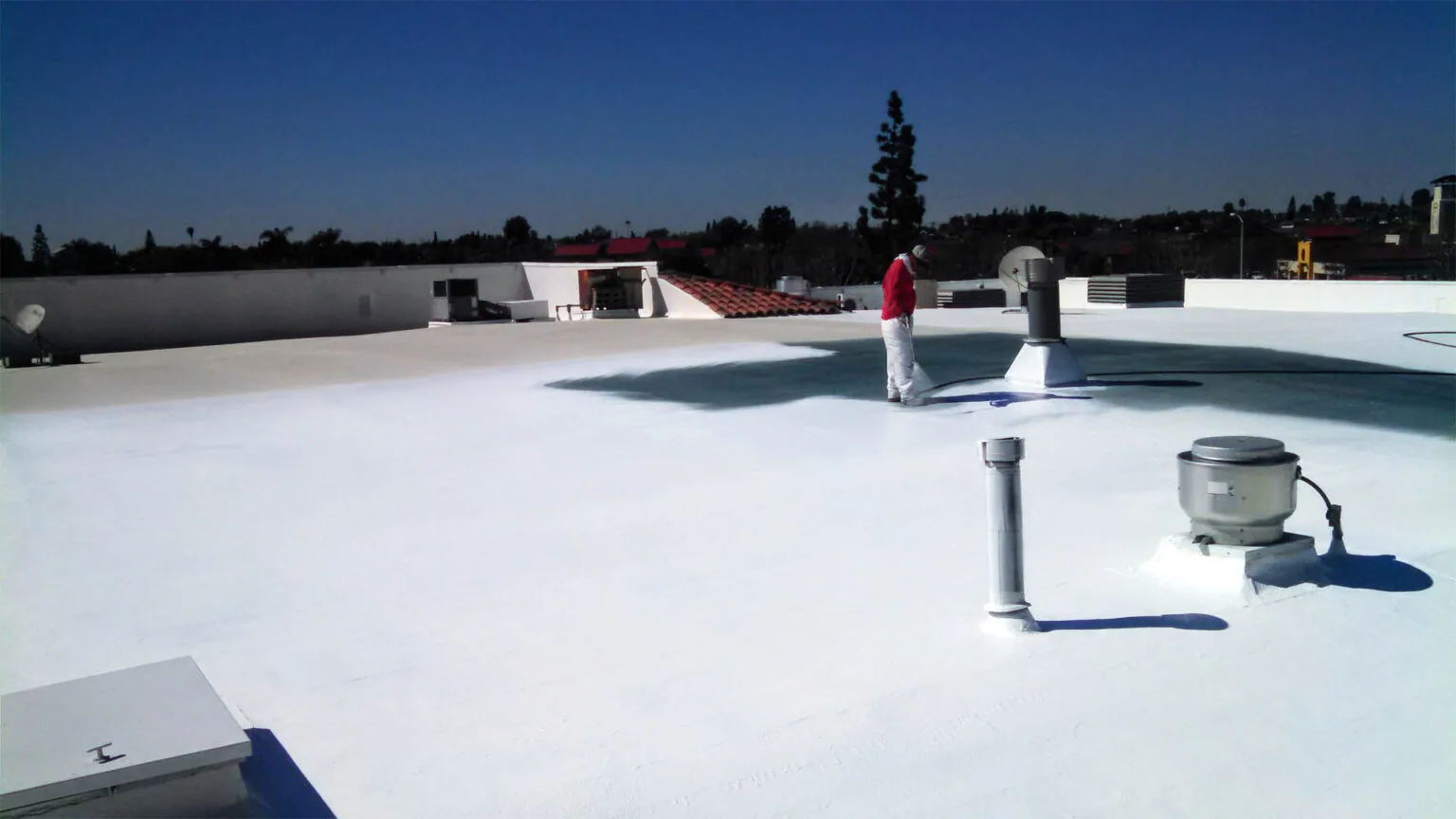
A light-colored, reflective roof absorbs less sunlight and can reduce the heat that reaches the inside of the building, but how much it helps depends on the material, the insulation and whether the space is cooled at all. Coating over a bad seam does not fix it, and a bright surface tells you nothing about whether the insulation below is wet. So we inspect the roof, match the leak spots inside to what we find on top, and give you a plan that separates three things: the active leak, the areas of roof worth keeping, and an optional surface upgrade.
A roof can look fine from above while the insulation under part of it is soaked. That matters, because a reflective coating or new membrane should only go over dry, sound material. Before we recommend cool roof installation, we check that the existing membrane is compatible with the product and that the insulation underneath is dry. Where a scan or core suggests a wet area, we confirm it before deciding to keep it. That way the estimate shows exactly which sections need tear-out and which can stay, instead of assuming the whole roof needs the same treatment.
Whether a cooler roof pays off depends a lot on how the building is used. A warehouse with air-conditioned storage or office space has more to gain than an unconditioned shell where the main goal is keeping workers and product from overheating. Your facility team knows what HVAC equipment is on the building and what the energy bills look like, and that information helps the comparison. We handle the roofing side; questions about mechanical equipment or energy modeling go to the right specialists. Our recommendation tells you which roof options will work, what has to be repaired first, and what still needs confirming.
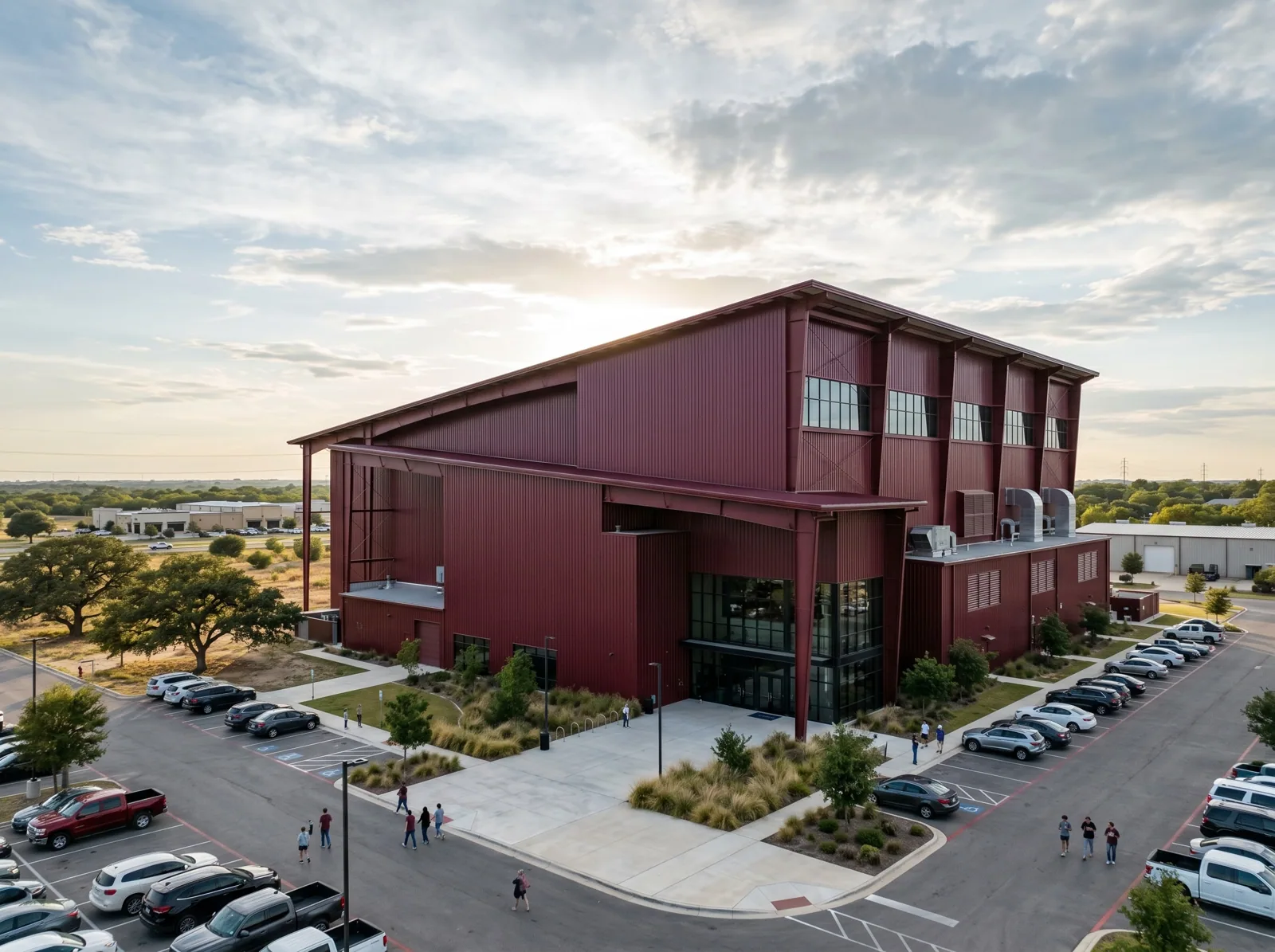
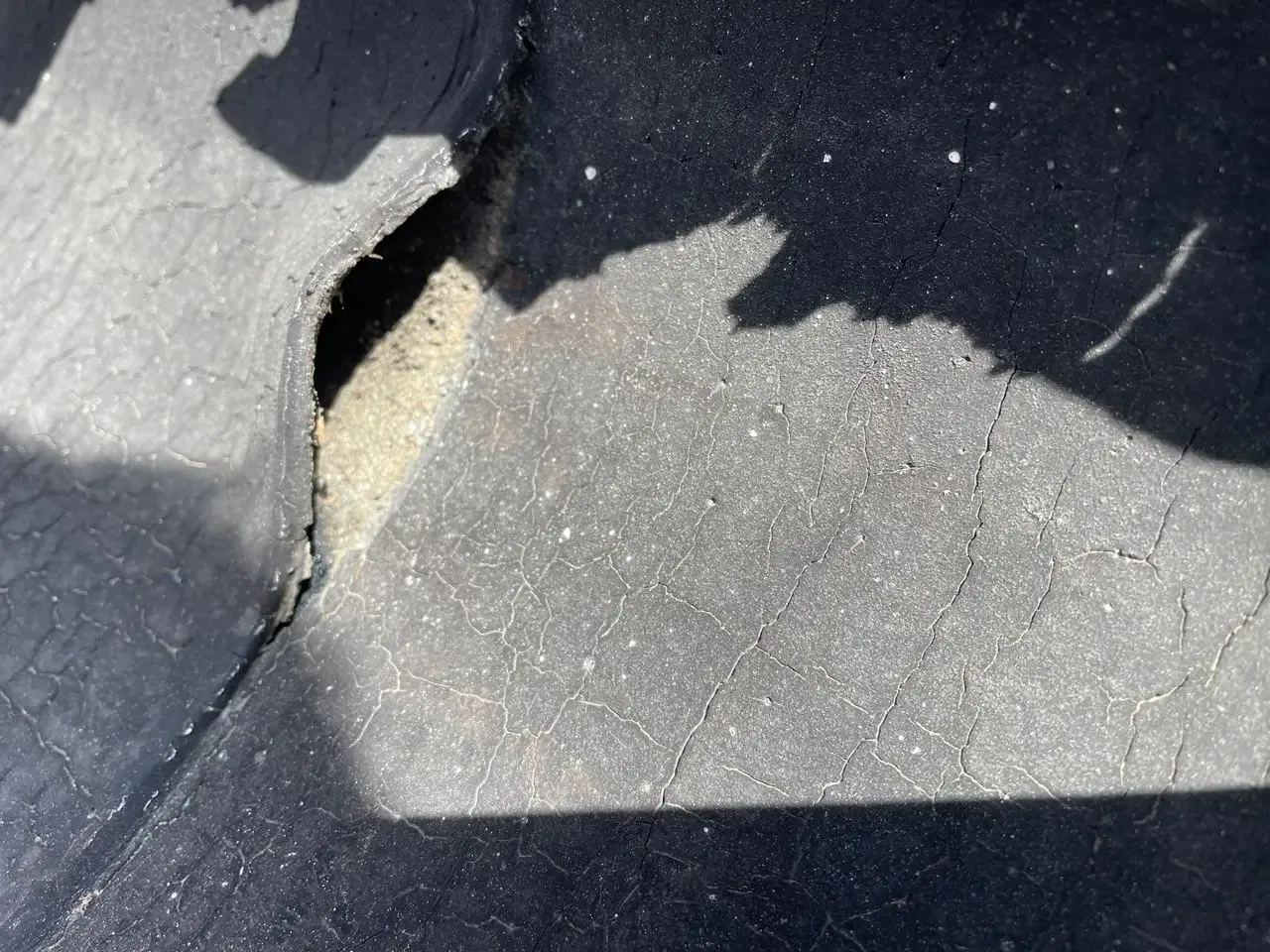
An open seam is often worse than it looks. The membrane next to the visible gap may be dirty, brittle or damaged, and a new weld or adhesive will not hold to it. Proper seam failure repair means cutting back to clean, sound membrane and checking the insulation board below. TPO and PVC can be heat-welded if the existing sheet is still weldable; other roof types need their own compatible materials and methods. If the old membrane will not take a new seam, we tell you and price the section that has to be replaced, rather than calling it a cleaning job.
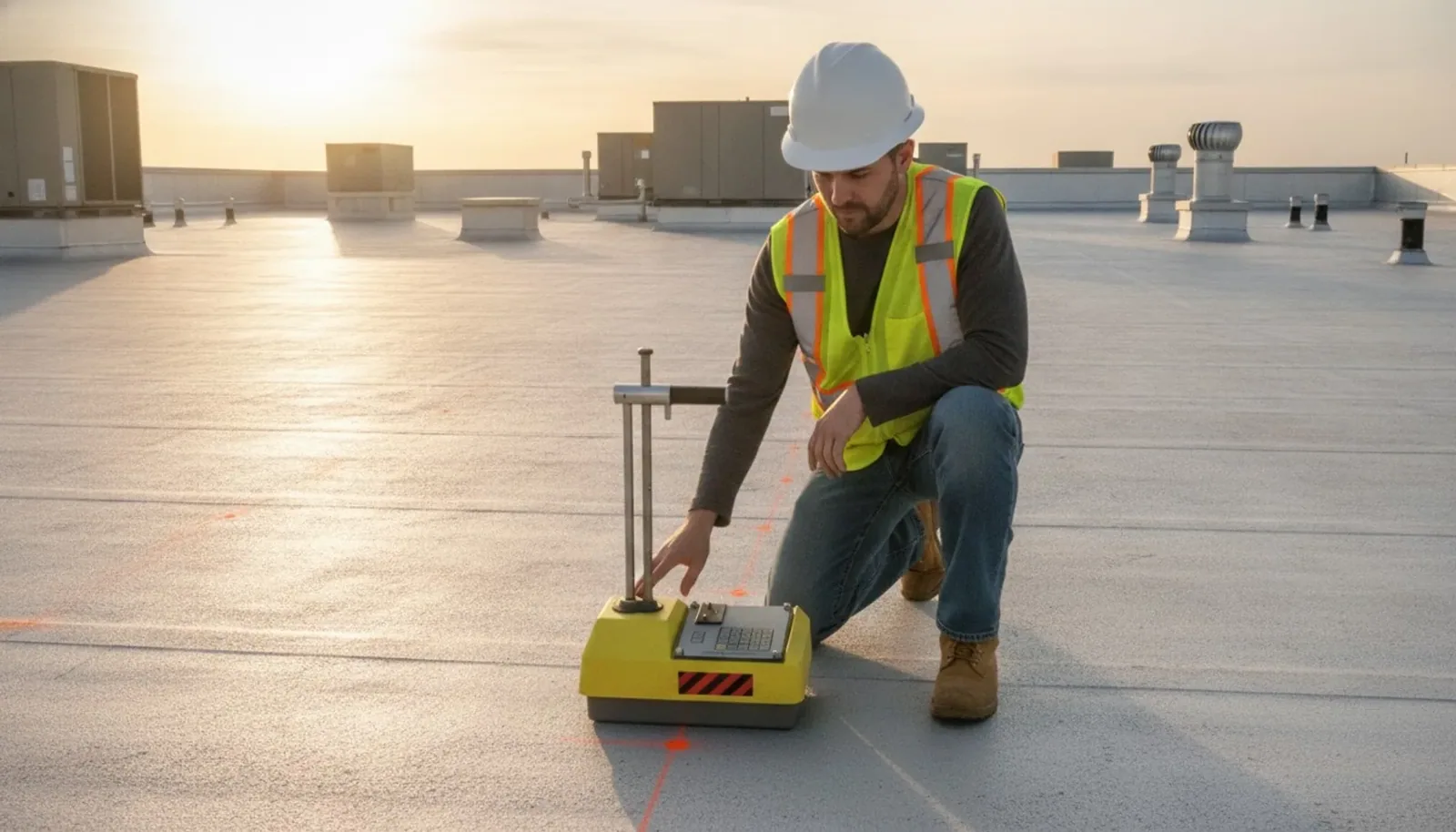
Water that came in at the seam has usually spread into the insulation, sometimes well past the visible damage. An infrared moisture survey helps find those wet areas, though we still confirm with core cuts before we commit to tear-out. Any opening has to be closed up properly, and the stock underneath has to be protected while the roof is open. If we find soft decking or a structural concern, we bring in an engineer. You end up with a clear answer for each spot: keep it or replace it, and why.
Opening the roof over tall pallet racking is a different job than opening it over an empty aisle. It can mean moving or covering product, setting up debris protection and planning where the crane or hoist can lift materials. That is why square footage alone does not tell you what a warehouse roof project will cost. Our occupied building reroofing plan maps the work areas, debris paths and lift locations, and we review it with your operations manager before work starts so everyone knows which aisles will be affected and when.
Sometimes we open the roof and find the wet insulation runs further than expected, which can put another row of racking under the work area. When that happens, we stop, show you the new extent and agree on it before cutting further, then set up protection and a temporary watertight seal for the night if needed. We can respond to urgent roof problems on nights, weekends and holidays, with access arranged through your on-site contact. If the work affects electrical equipment, a qualified electrician handles that part. The schedule shows what gets protected temporarily and what waits on another trade.
We work on warehouses across the region, from Temecula up to Riverside, and every building is its own job. A roof problem we solved on one Riverside warehouse does not mean a building in Pala needs the same fix. For each property, we ask for the affected storage areas, any roof drawings or past repair records, and how materials can be handled on site. Then we inspect the seams, the insulation and the flashing before recommending repairs or a surface upgrade. The estimate reflects what we actually find on that roof and how the stock below has to be protected.
Warehouses around Temecula, Riverside and Pala can have very different roofs and very different operating rules. On each one we need to know which roof section is involved, when the loading docks are busiest, and what route crews and deliveries can use. Once we know the condition of the roof, we can compare a targeted repair against a larger replacement. Mechanical and structural questions go to the proper engineer or contractor. The result is a plan that ties the heat question to a roof surface that will actually work, and ties any tear-out to the product sitting under it.
Other buildings in your portfolio may look like they have the same roof but need a very different job. A distribution center roof with constant truck and forklift traffic has its own drainage, insulation and scheduling issues. A manufacturing plant roof may have exhaust fans and process equipment that need servicing before the roofing crew can finish around them. We price each building on its own conditions instead of copying the scope from one warehouse to the next.
When the work is done, you get photos that show the finished seam repair, any temporary patches, and anything still waiting on another trade. We note which sections of the old roof were kept, any drainage issues we saw, and any equipment work still outstanding. Future maintenance visits can then go straight to the repaired areas, and a reflective roof can still be considered later as its own decision. Planning ten years out is much easier when you know exactly what was fixed and where. It also lets you deal with active leaks first and upgrades second, without cutting corners on either.
No. Fix the leak first and confirm which parts of the roof are worth keeping. Once the seam is permanently repaired and the insulation is known to be dry, we can price a reflective coating or membrane as a separate option, based on how the building is actually cooled.
Water travels inside the roof, so the insulation is often wet well past the opening you can see. We confirm wet areas with moisture scans and core samples, and include the protection and close-up of the opening in the estimate, so any tear-out is limited to what is actually damaged.
Sometimes. It depends on where the roof will be opened, where debris could fall and where materials will be lifted. We walk it with your facility team. If the work area grows after we open the roof, the protection plan grows with it and we agree on it before continuing.
Keep the photos of the finished repair, a note of which roof areas were kept, and any open items such as drainage, structural or equipment work. That gives your next inspection or budget cycle a clear starting point.
Tell us about the heat issues, the aisles where you are seeing leaks and any roof records you have. We will inspect the roof and compare a permanent repair, a reflective upgrade and the stock protection each option needs.
Request a Roof Assessment