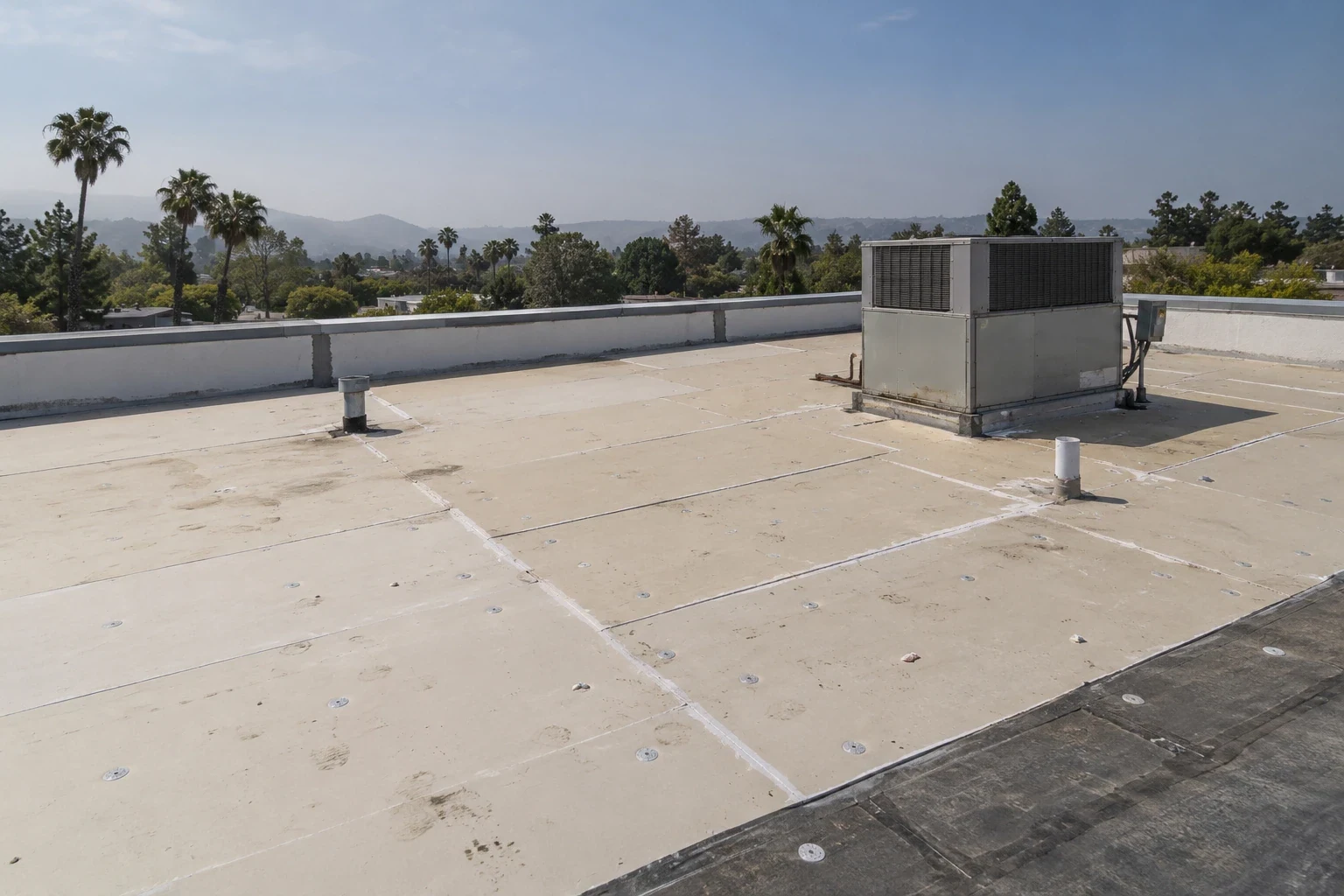
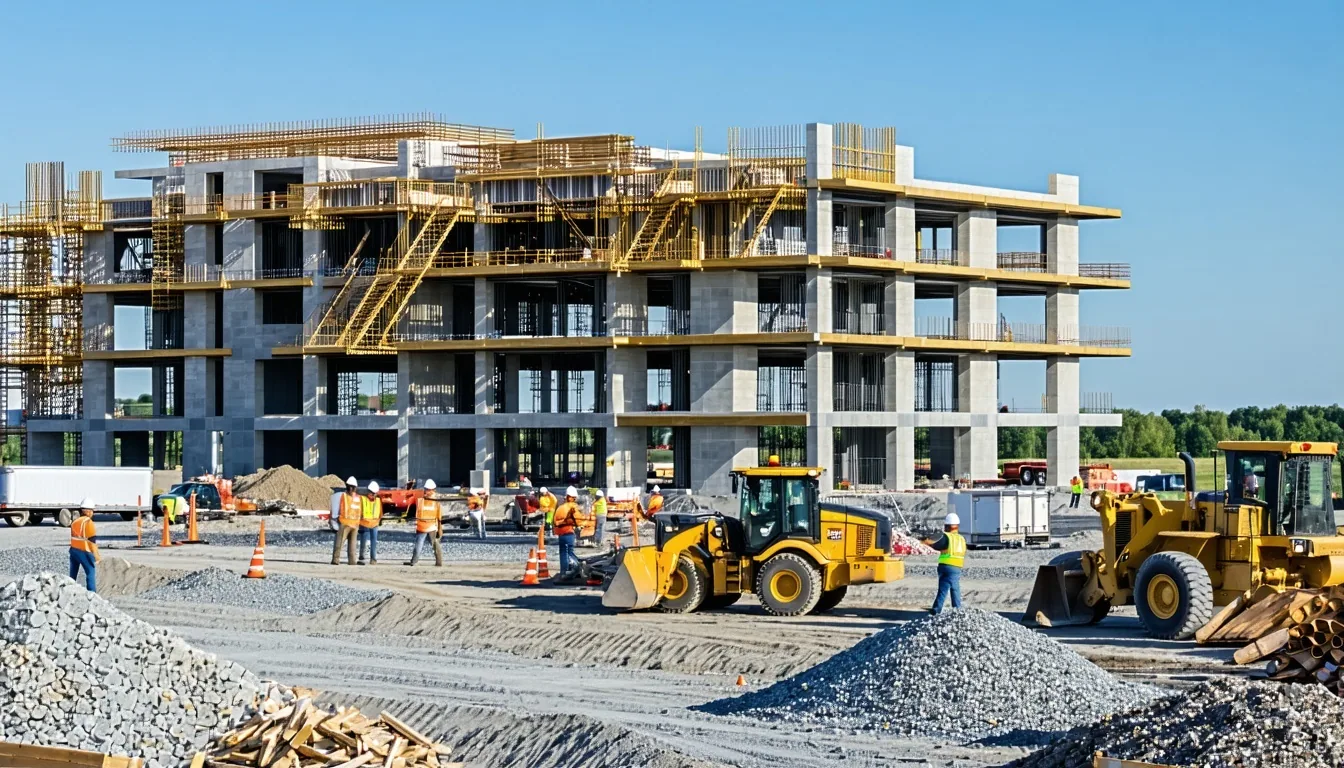
At a Temecula manufacturing plant, spending on a cooler roof often competes with fixing a damaged pipe or equipment penetration, so the comparison has to start with the roof that is actually there. Roofing for manufacturers in Temecula, CA, looks at that penetration and the insulation that decides whether it can be rebuilt properly. We explain the full prep each realistic option needs and the equipment work that has to happen first. You get a roof scope tied to how your plant runs, not a field-surface price that leaves the equipment flashing out of the repair. A manufacturing roof in Bonsall may have different penetrations, equipment support and access constraints from a plant in Romoland. We inspect each roof separately and document which equipment connection, retained layers and operating requirements determine its repair boundary. For manufacturing plant roofs with a damaged penetration, we review the roof we can reach and any drawings you have. The unit or pipe there today may not match an older drawing. We compare its shape and the roof build-up around it with the flashing proposed. A detail that worked at another plant does not tell us what this roof needs under its permanent flashing.
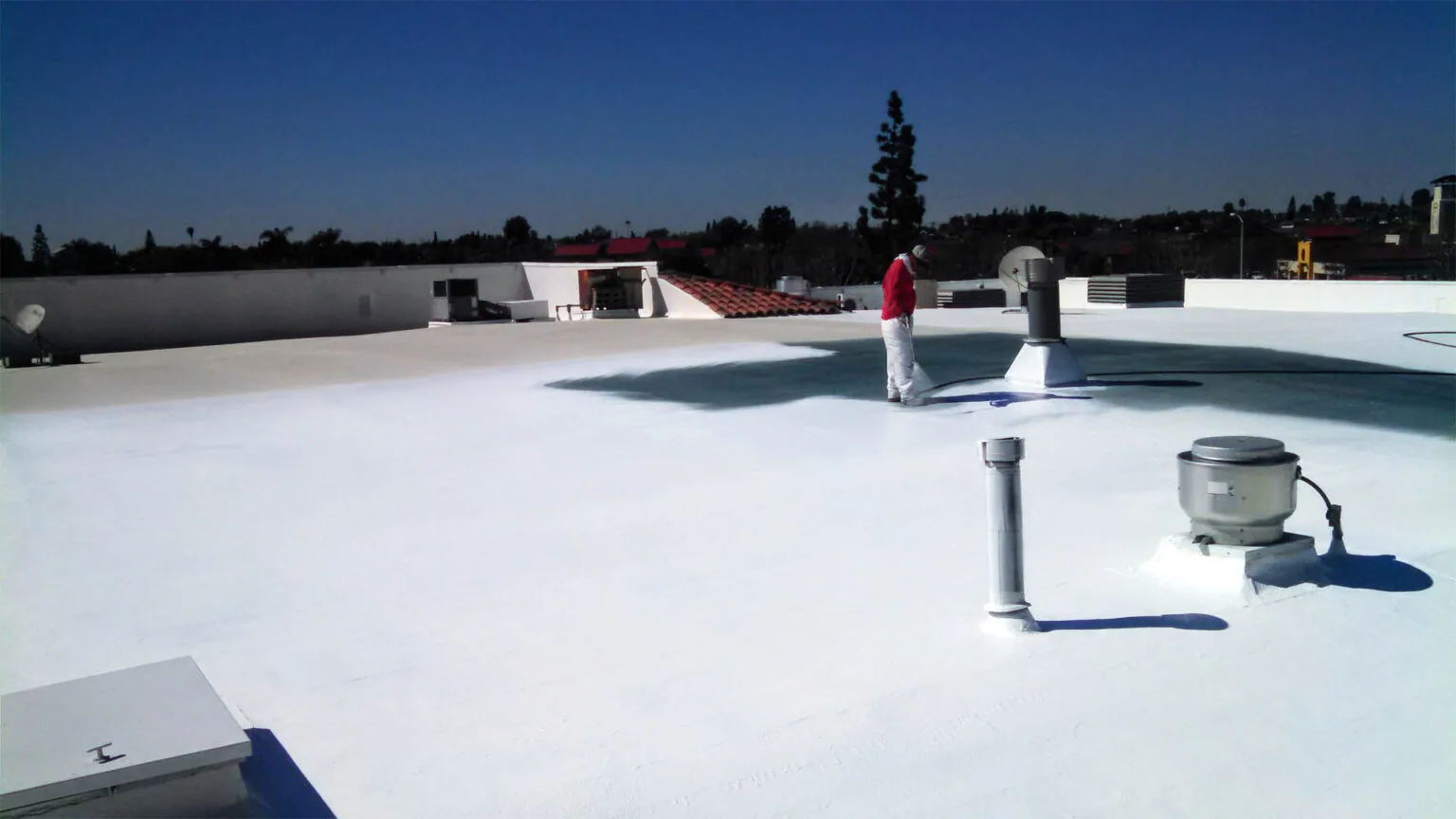
Temecula's emergency planning includes extreme heat. A reflective finish can reduce the sunlight a roof absorbs and the heat reaching the plant floor, depending on the product and the building. That option should be weighed against the condition of the roof it would sit on. We point out wet insulation, peeling old coating and open flashings where they affect the prep. A possible energy benefit does not make an open penetration ready. You can compare complete jobs, while any energy projection is done separately with real plant data.
Cool roof installation on a plant should include the leak repairs in the scope. The product's and project's requirements stay tied to the method chosen. One roof may be fine to keep after local prep, while another needs confirmed wet layers removed. We explain why the jobs differ even when you want the same finish on both. The price should describe what stays and which details get finished, so you can judge real alternatives without assuming a coating-only price includes the same prep.
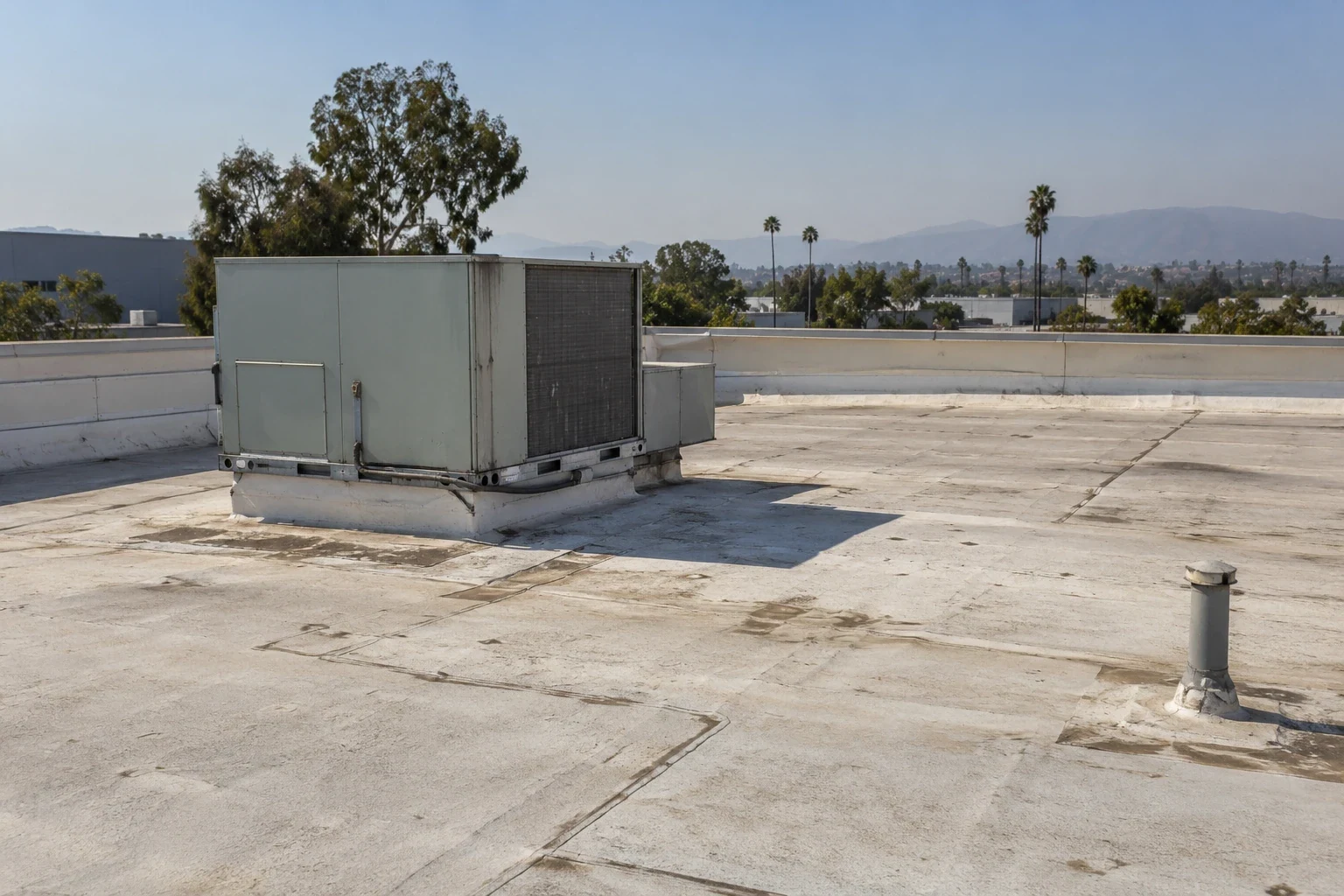
A replaced pipe, curb or unit can leave the old flashing the wrong shape for what is there now. We check the edges we can reach and compare any records with the installed equipment. Equipment service, placement and performance stay with the plant's mechanical or process contractors. Our scope explains how the final layout affects the roof prep. If a side of the penetration is hidden, we name what it will take to expose it before the roof is opened. You get a sequence that reaches the whole penetration, not just the easy front edge.
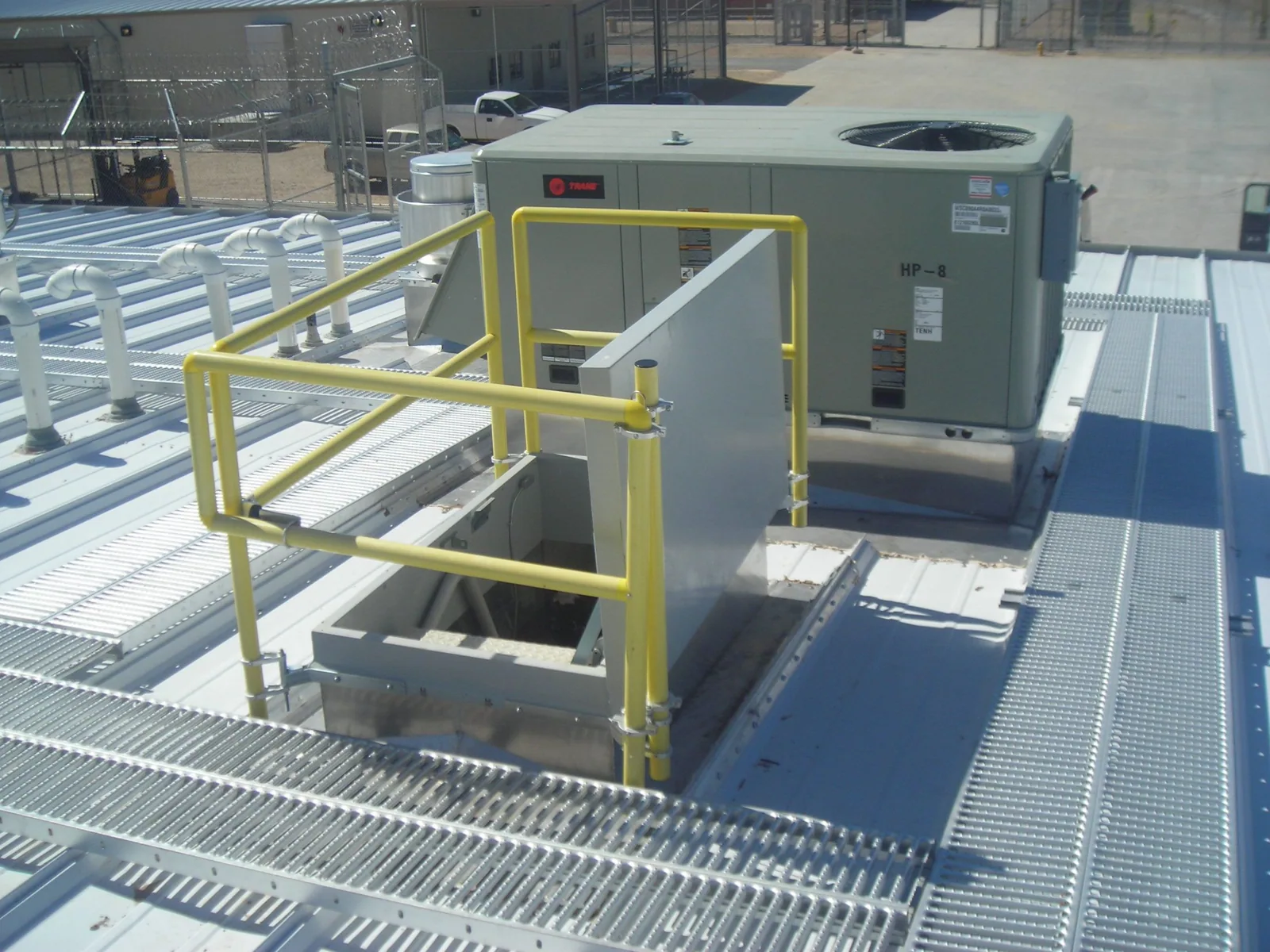
Rooftop equipment curb and support work on a plant includes the right curb height and compatible flashing material. Old mastic and patching compounds change how we get to a clean surface. On some membranes, a test weld or adhesion test helps confirm the method. That result applies to the spot and method tested, not every penetration on the roof. We explain the permanent detail we chose and anything still keeping it from fitting. Flashing parts on site do not help if another trade is still going to change the equipment.
Water through a failed penetration flashing can soak insulation beyond the visible gap. We test in a way that fits the question of what stays and what goes. Infrared can point us in the right direction, and core cuts confirm what is wet. The record lists confirmed findings and keeps untested areas separate. A stain reported by the plant guides the inspection but does not define the hidden quantity. You can see why the insulation repair is proposed and what further testing could change its size, which makes the prep review useful for the actual decision.
Replacing insulation and cover board at a plant penetration can change how it fits against the existing roof and the equipment. We check the new height and drainage before ordering parts sized for the old roof. Structural concerns go to an engineer. Any additional damage gets photographed and measured for the agreed approval process. The roof stays temporarily sealed while the change is reviewed. The permanent repair puts compatible membrane and flashing over sound insulation, with equipment responsibilities listed next to the roofing work.
The plant tells us about restricted production areas, roof access and how materials can be moved. We plan each roof opening and any equipment work around those confirmed rules. A slow shift or an inspection permit does not automatically clear every route needed for tear-off. Equipment contractors tell us what they need done before permanent flashing depends on it. Each phase needs sound insulation and a way to seal the roof that day. You can plan the work that is actually needed, rather than assuming a general plant schedule settles the flashing detail or clears every affected area.
General contractors on plant projects can keep the separate trades in order. For a manufacturing roof near Old Town Temecula, each building keeps its own findings and access arrangements. We keep temporary protection separate from a permanent flashing that is still waiting on equipment work. When a detail is blocked, the manager gets the next step for that location. A field completion percentage should not hide an open penetration, because that one detail still decides whether the repair keeps water out.
The closeout identifies the repaired penetration and any insulation we replaced. Photos show the prepped surfaces and where the new flashing ties into the existing roof. Equipment and interior work outside the roof is listed separately. If equipment changes or a new leak appears later, we inspect the roof as it is then and use earlier records to explain the change. One finished penetration does not prove every other detail on the roof is sound. You get a clear record of what was done and what is still open at each location we inspected.
A separate building for logistics and 3PL companies under the same ownership may need different handling and different equipment work. We keep its roof and operating rules separate rather than reusing the plant recommendation. A reflective option stays available where the roof and the product's requirements support it. Compare its full prep with the penetration repair and any insulation work. That keeps roof spending tied to finished work and real prerequisites, with each building's findings explaining its place in the order.
It should not leave it out. A complete option includes every penetration and curb flashing. An open equipment detail may need insulation or equipment work before a roof-wide coating makes sense. Compare finished scopes with that work shown.
The final size and position of the unit, pipe or curb, and what it takes to reach all sides of it. Equipment service and performance stay with them. We need to know what will be there once their work is finished.
Confirmed wet or damaged insulation can increase tear-off or change the roof height. We document the location and effect and send it through the agreed approval process. The revised scope explains the insulation and flashing fit, and the roof stays temporarily sealed during the decision.
The plant does. We coordinate those rules with equipment readiness and how much roof can be opened at once. A work window at another building does not tell us what is allowed at this one.
Send us the plant and the current equipment details. We will go over the insulation findings, the plant's rules and the prep needed to finish each phase of roof work.
Request a Roof Assessment