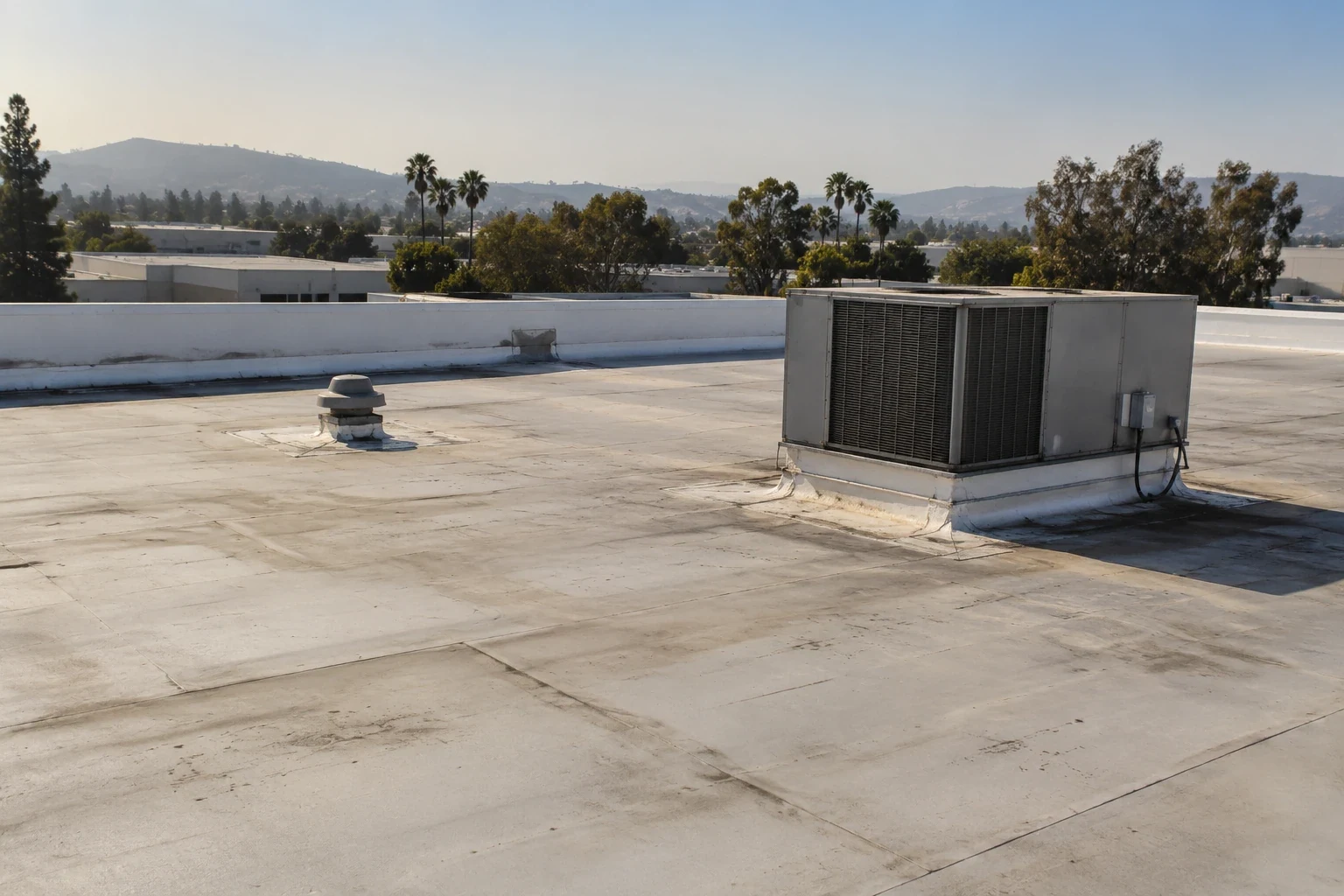
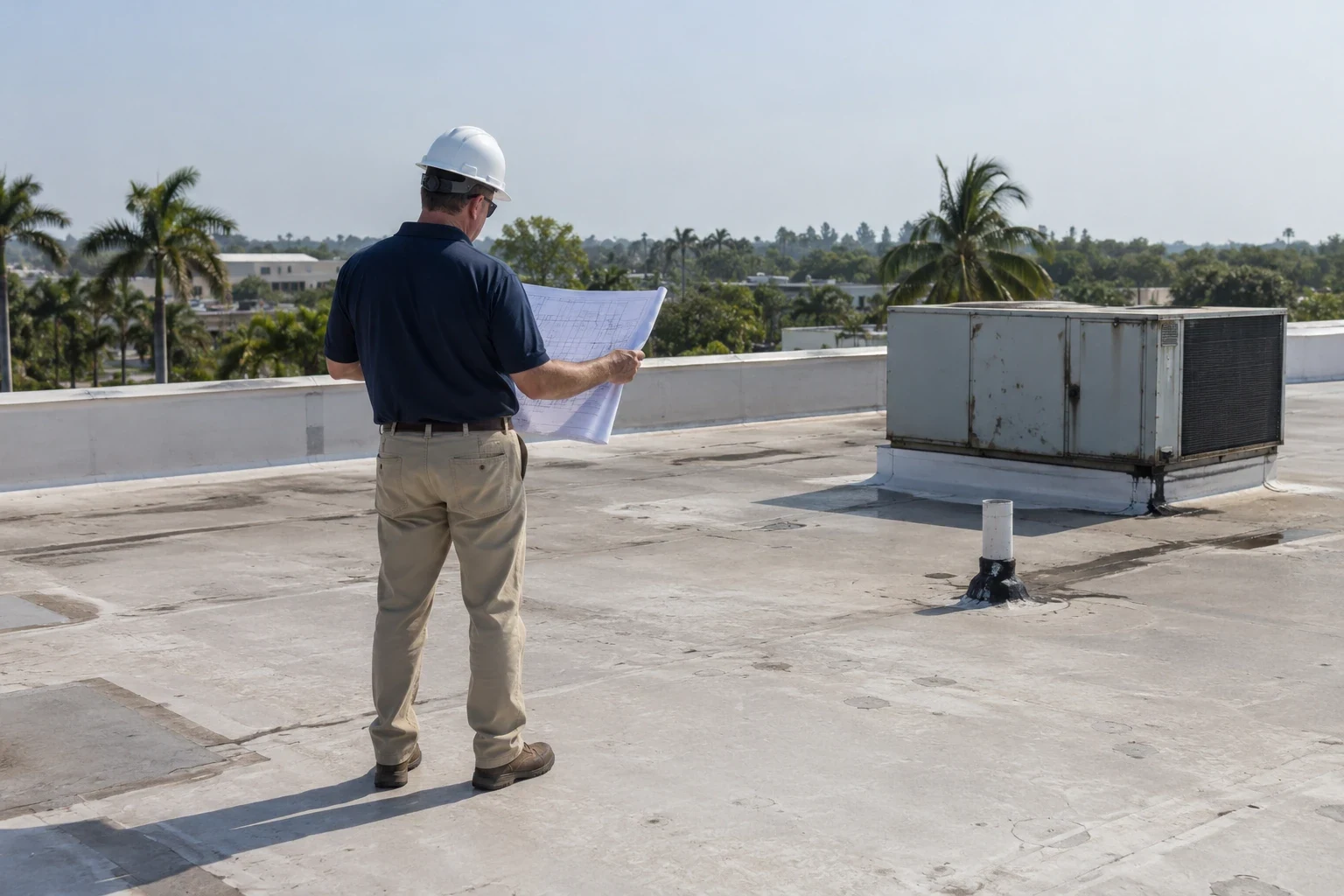
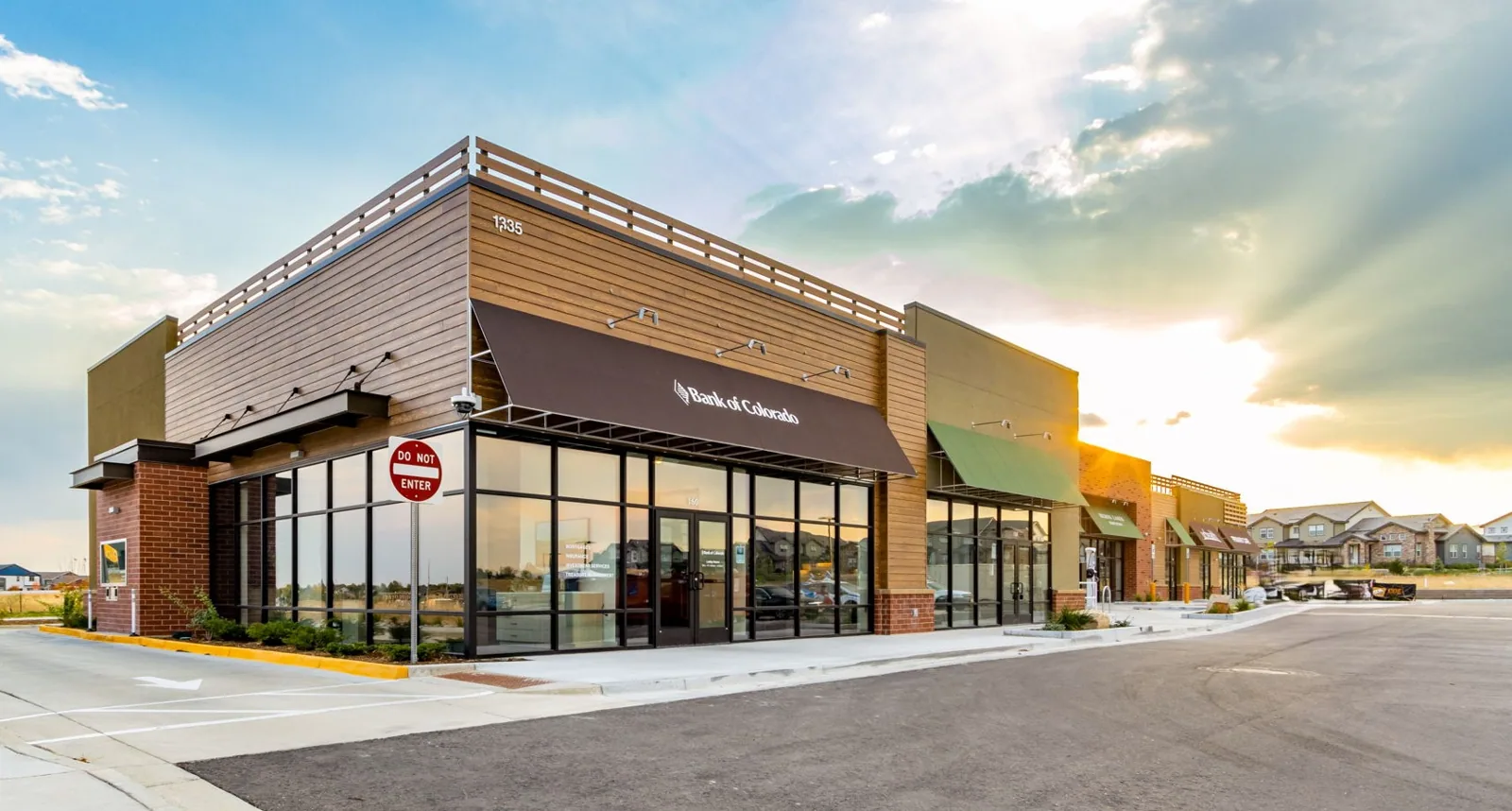
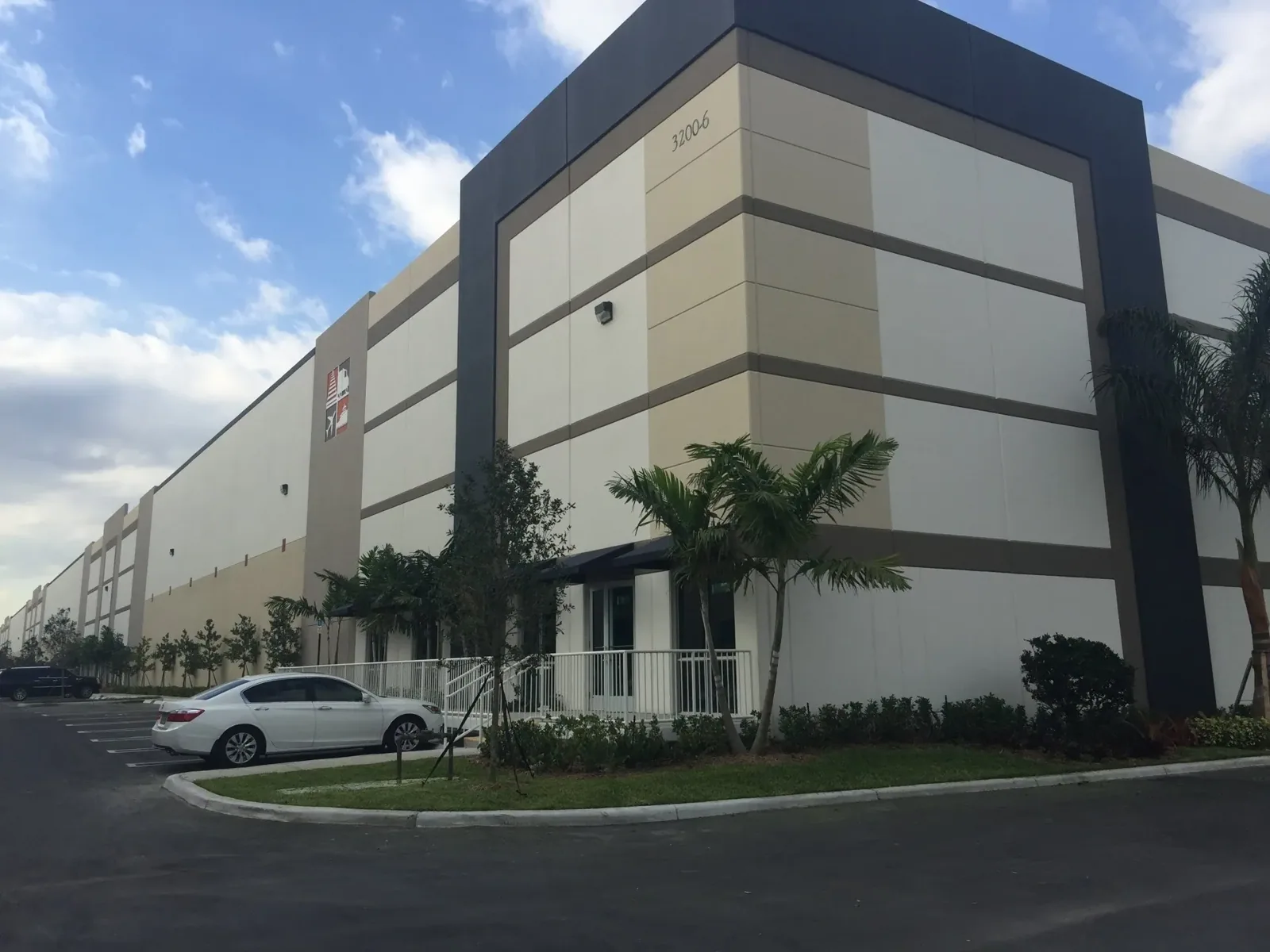
At a Temecula investment property, money for a cooler roof competes with every other improvement, so a reflective option needs a cost comparison the owner can actually use. Roofing for real estate investors and REITs in Temecula, CA, looks at the existing roof and the defects each phase of work would fix. A distribution building with a failing drain detail may need that fixed before any roof-wide upgrade goes ahead. We show those dependencies with complete scopes, so you can rank roof work without assuming an energy return or the same prep across different buildings. A property near the Uptown Jefferson business park area may have a very different roof build-up from one near Winchester. For a distribution property in your portfolio, each budget line should tie to the roof's condition, the impact on tenants and the evidence recorded at that building. For distribution center roofs, we review the roof we can reach and its repair history. Old drawings can explain how the drains were meant to work when they still match the roof. A later recover or new equipment may have changed that. Our recommendation keeps what we found and the question each option answers, rather than treating a location as a roof spec.
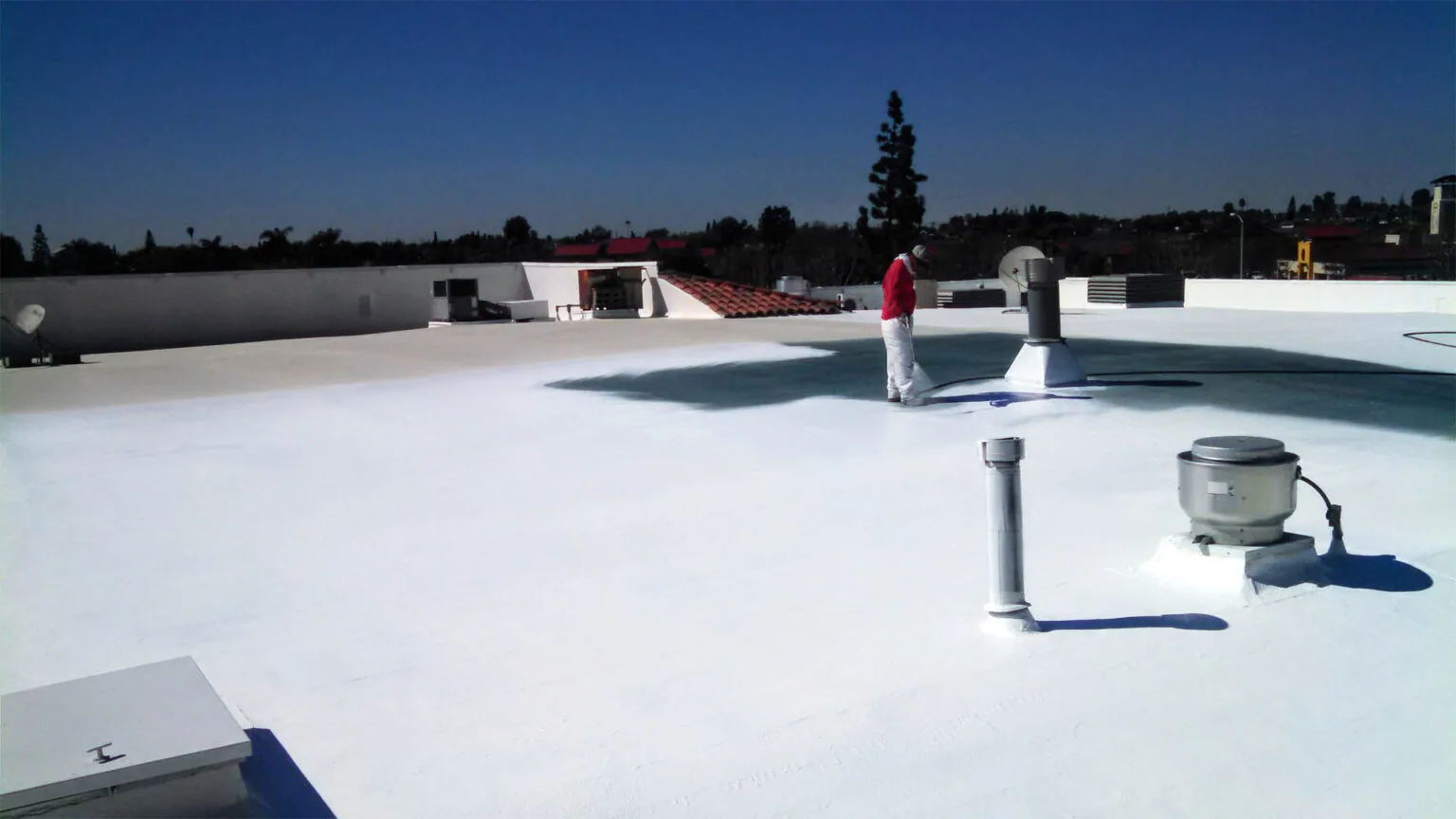
Temecula plans for extreme heat, so it is fair to weigh a roof's heat performance alongside direct repairs. A reflective surface absorbs less sunlight and can reduce the heat passing into a building, depending on the building and the product. That general fact does not give you a financial result for this property. We inspect the roof the option would sit on and explain the prep it needs. Any cooling-cost projection needs real building data and its own analysis, separate from our roof findings.
Cool roof installation on an investment building should include the defect repairs and insulation work the findings call for. A coating-only number can leave a failing drain or wet insulation outside its price. We compare the finished roof each option would deliver, showing what stays and which details need rebuilding. You can then tell a real alternative from an attractive surface allowance with no prep behind it. That keeps the roof discussion focused on work that will last, while wider investment decisions stay with your own advisers.
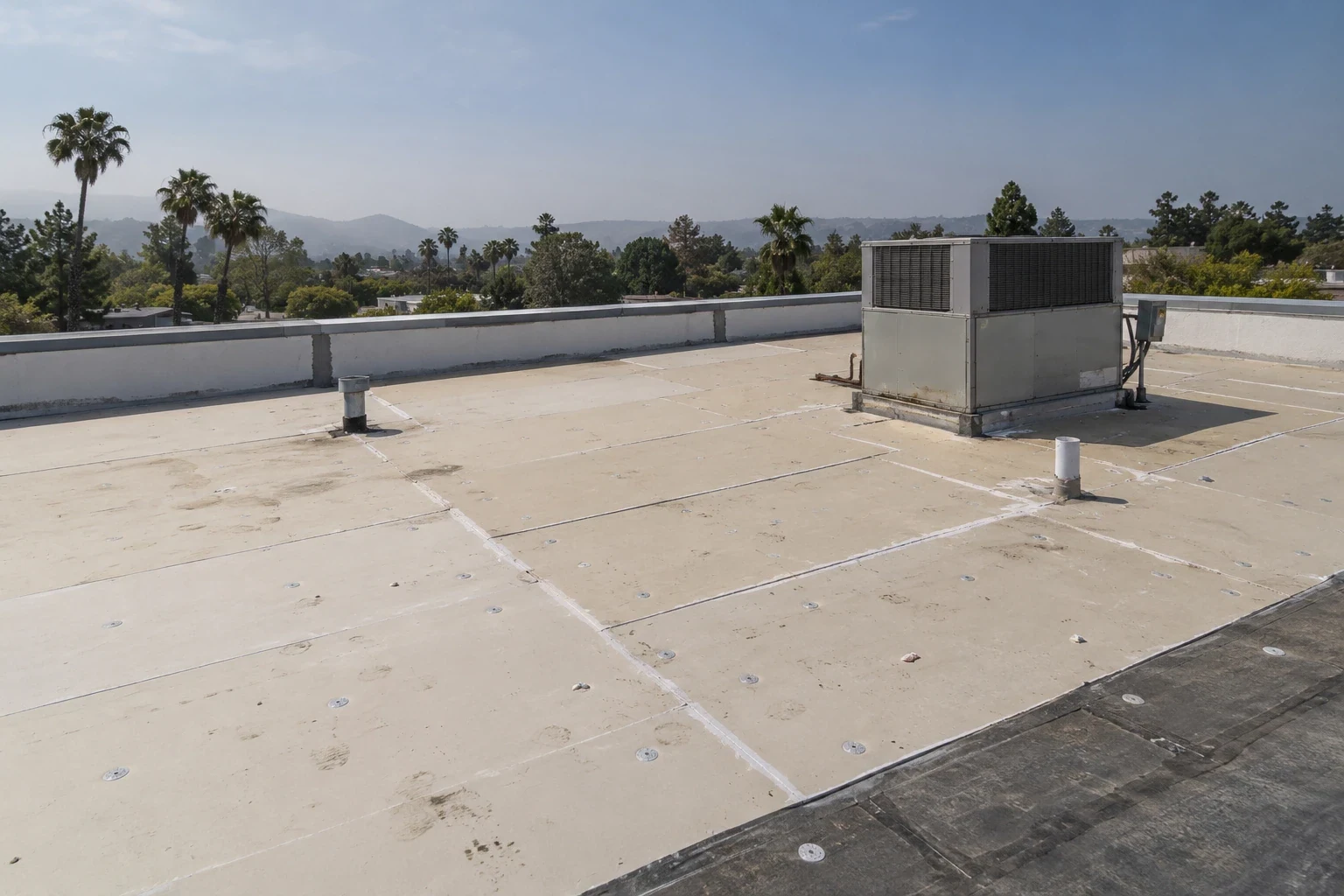
The membrane may look fine while the condition of the insulation under it is still unknown. When the answer decides whether the roof can be kept, we test and explain what the test can prove. Infrared helps us decide where to look, and core cuts confirm which layers are wet. Each finding keeps its location and limits. An untested area next to a test cut stays separate rather than borrowing its conclusion. You get a clear question about the roof and how it affects the proposal, so the next round of testing actually helps the decision in front of you.
Roof insulation and cover board work in each option should describe the confirmed removal and the replacement. A rebuilt section can change the height at drains, walls or curbs. Those changes belong in the scope before quantities and flashing sizes are final. If tear-off reveals more damage, photos and measurements explain the change through the agreed approval process. The roof stays temporarily sealed during the decision. You can see why a change is needed to finish the detail, rather than treating every added layer as a vague contingency.
Two roof prices can look close while assuming very different things. One may rebuild the drain and replace wet insulation, while the other assumes both can stay. We point out that difference before recommending an order of work. Each realistic option should show what stays, what is new and how every flashing is finished. Product and design questions stay with the method they apply to. An open requirement does not go away just because a quote exists. You should compare complete repairs with the important exclusions shown next to the total.
A roof capital plan for the property can then name the job that makes the next phase possible. An open drain detail may need a direct repair before a roof-wide treatment, while another sound section can take a separate upgrade. We show each prerequisite with the phase it controls. Tenant schedules and your actual holding-cost figures can inform the plan when you have them, and we will not substitute made-up assumptions. If findings change, that entry is updated while the reason for the original decision stays on record.
Occupied space and material routes can affect tear-off even when the roof is easy to get to for an inspection. The building operator confirms those limits. Mechanical or plumbing contractors say what they need to do before a drain or curb can get its permanent flashing. We plan each phase around those requirements, with parts on hand and sound insulation. A date on the schedule does not help if the drain or unit is still going to change. You need that readiness spelled out before a phase becomes the basis for approving construction.
For an investment building anywhere in Temecula, each site keeps its own access rules and roof findings. Property management companies working for you should keep owner decisions and tenant restrictions together. We keep temporary weather protection separate from final roofing that is waiting on another trade. The report for each location explains what can go ahead and what is holding things up. That is more useful in a budget review than a field-progress percentage that hides an unfinished drain.
The closeout entry shows the work delivered and the prep that made it last. Photos show where the new work meets the existing roof, and any equipment or interior work left out stays listed. Later problems are inspected based on the roof as it is then. A new unit or an added layer can change the right method at the next detail over. The earlier record helps explain that difference without stretching the original recommendation. You can see which roof question was settled and which decision belongs in the next budget review.
General contractors handling a later phase should keep the chosen section and its prerequisites on file. Any warranty or contract obligations depend on the terms for that specific job. An earlier repair does not approve every later change. We compare new proposals with the roof as it is now and your current requirements, keeping the full prep next to the cost. The roof record stays useful as plans change because every recommendation says what it fixes, where it stops and what is still open, rather than relying on a promised return from a new surface.
Compare what each one assumes about the existing roof, which defects it fixes and how its flashings are finished before looking at the totals. One price may include insulation or drain work the other leaves out. A useful comparison shows the complete roof each option delivers and anything left outside it.
No. Reflectivity is a reason to ask the question, but the actual result depends on the building and the product. Any projection needs real building data. Our proposal separately explains the prep needed for the roof itself.
Confirmed wet insulation or a membrane too damaged to hold new material. We test for that specific question and state how much we tested. Any untested hidden area stays listed as an open question rather than an assumed tear-off quantity.
When new roof findings, equipment changes or tenant restrictions change whether a phase is ready. We show the effect on the full scope and keep the earlier assumptions on record, without changing unrelated roof work.
Send us the property and any repair records. We will go over the existing roof, the realistic options and the prerequisites that shape your roof spending order.
Request a Roof Assessment