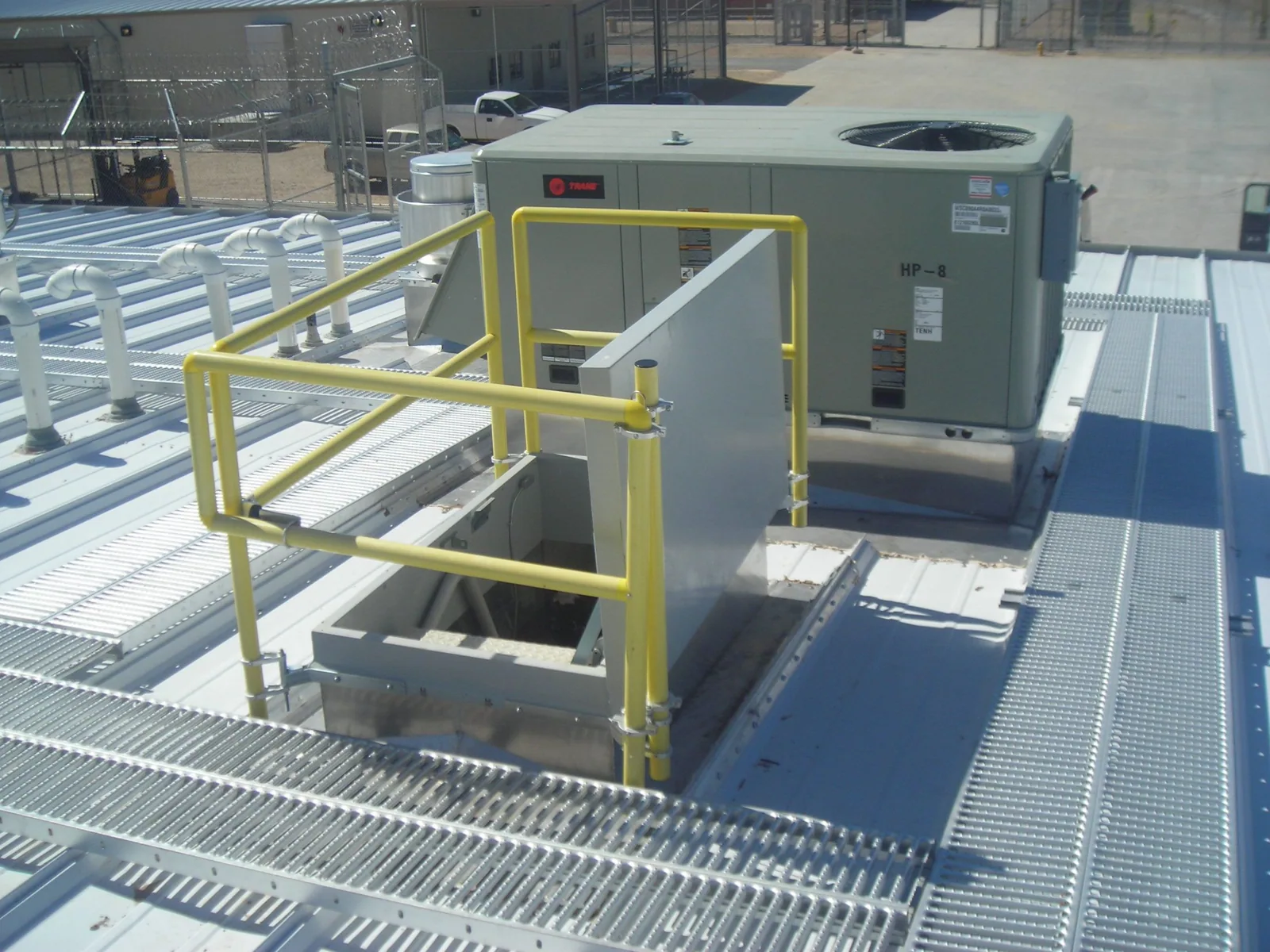
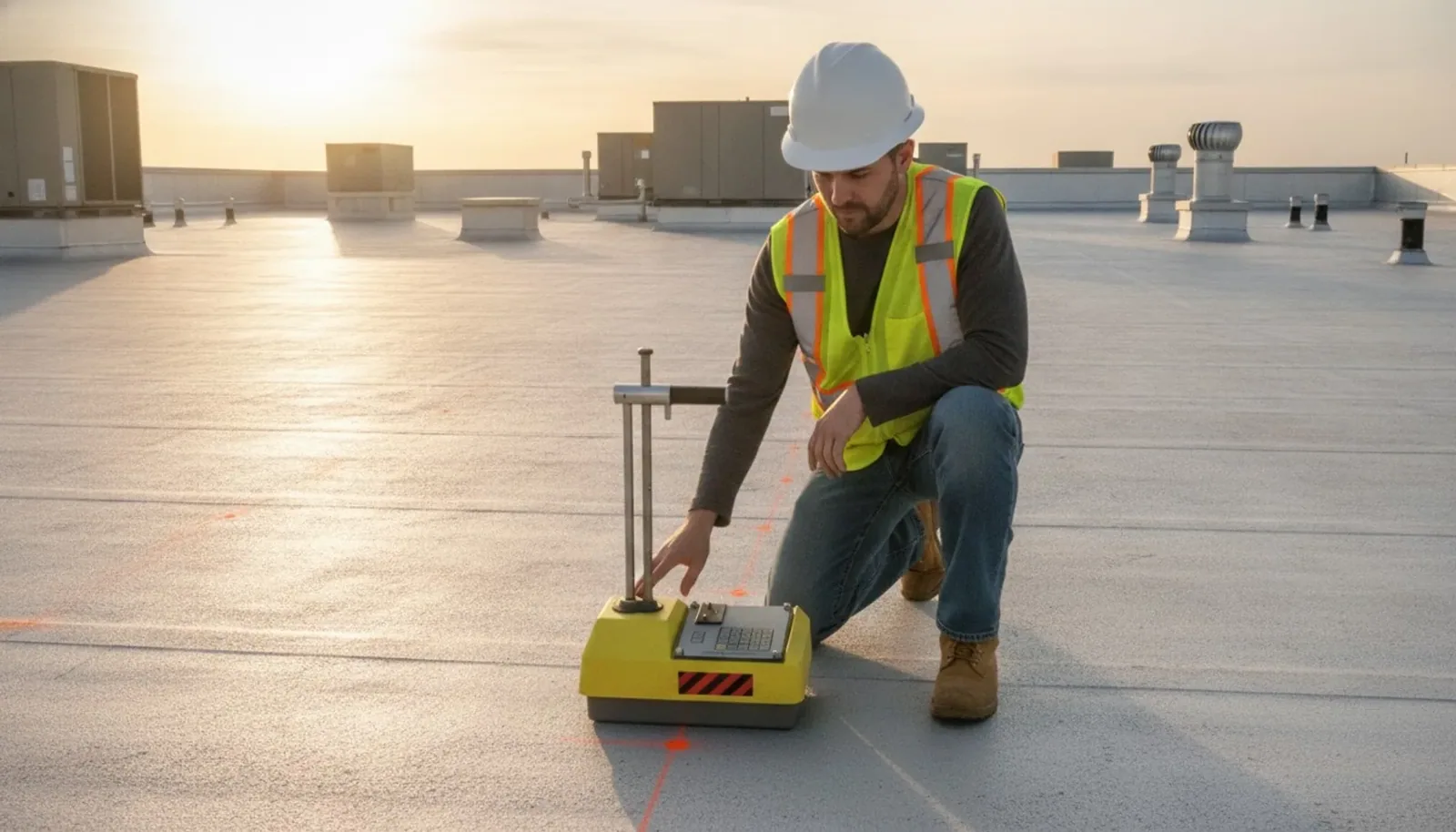
At a Temecula manufacturing plant, the heat question should start with the rooftop equipment curbs before anyone recommends a reflective roof. Summer heat makes energy costs a fair topic, but the roof surface, insulation and cooling setup decide what is actually worth doing on that building. A curb with loose flashing may need its backing rebuilt or equipment work done before a permanent roof repair is possible. We tie those needs to the production area below the opening, so the plan has a specific roof task and a protected work area to carry it out.
A reflective roof absorbs less sunlight and can reduce heat entering the building, depending on the product and the building. But a lighter surface will not reattach a failed curb or tell you whether the insulation under the equipment is still good. We inspect the curbs, match them to where leaks are being reported inside and test where hidden damage would change what can stay. If you are comparing a repair with a larger roof project, you should see what has to happen at each unit alongside the cool roof option. That keeps the cooling goal from hiding an unfinished repair around the equipment.
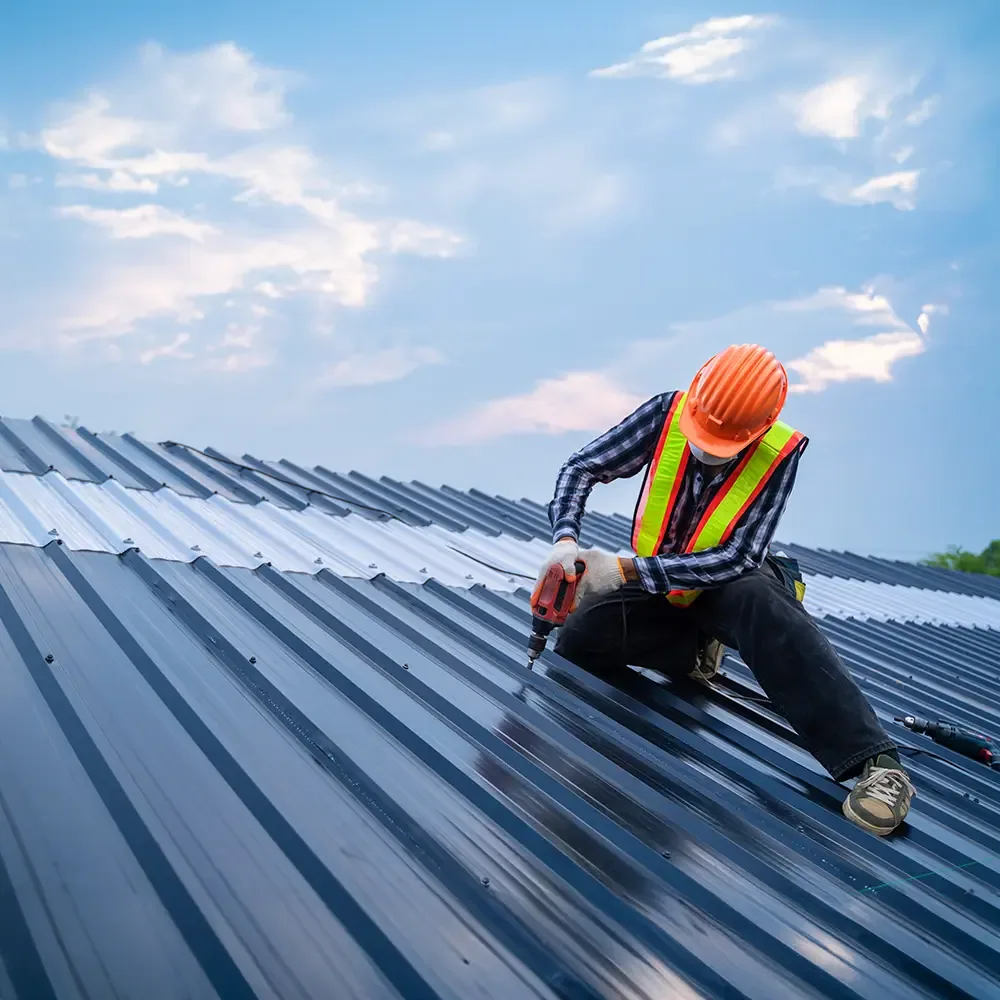
A curb cover can hide loose or rotted backing while the flashing still looks continuous away from the failed corner. Curb and equipment support repair checks that backing and identifies when the equipment contractor has to provide clearance or service before roofing can go ahead. We check which existing roofing can take the permanent repair and cut out material that is too deteriorated to hold. TPO and PVC need clean, weldable surfaces; other roofs get the prep their system requires. The proposal covers the work under the new flashing, not just another coating over missing backing.
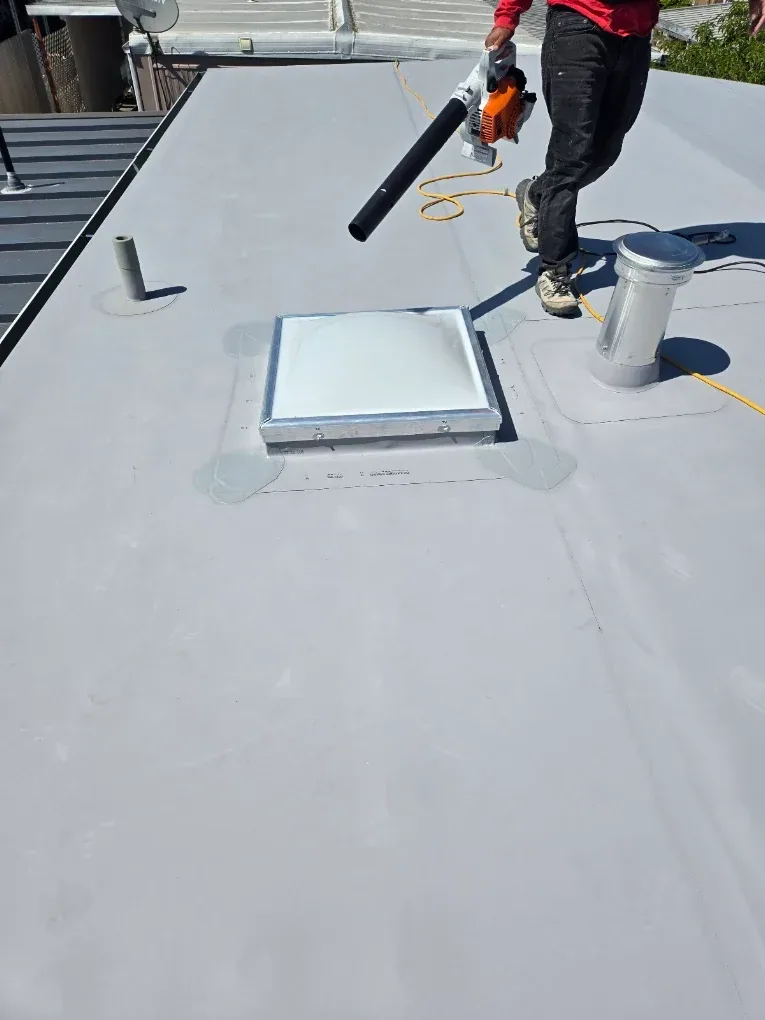
A curb can also connect to an equipment housing or a wall that is outside the roofer's work, and that trade has to finish their part before the roof edge is closed up. Penetration flashing work identifies the roof edge and the material needed around that opening. We list the roofing work and the equipment contractor's work separately, so you can schedule both visits. A temporary seal can protect the open area while the other work is arranged, but it is never counted as the finished repair at the rebuilt curb.
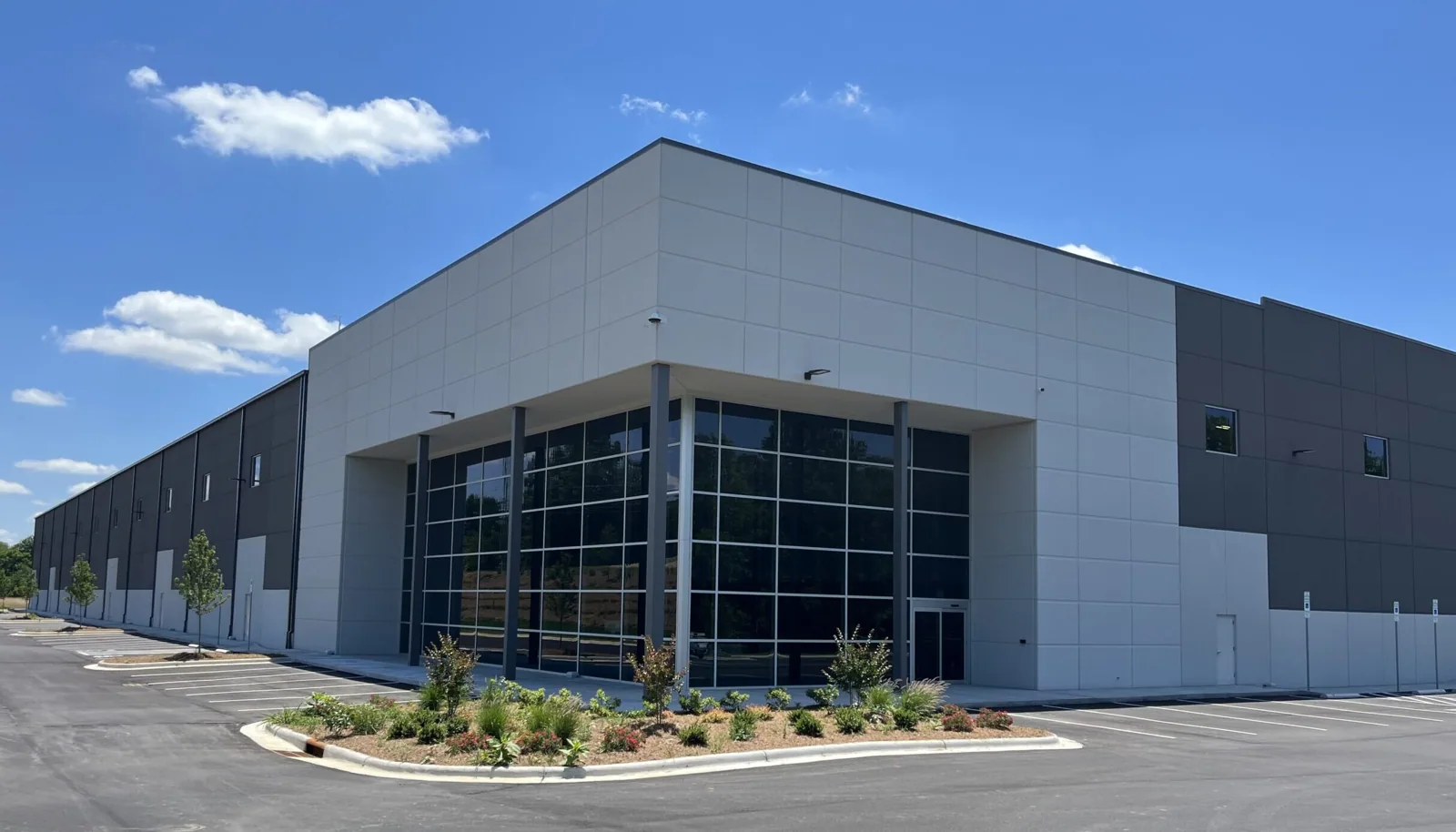
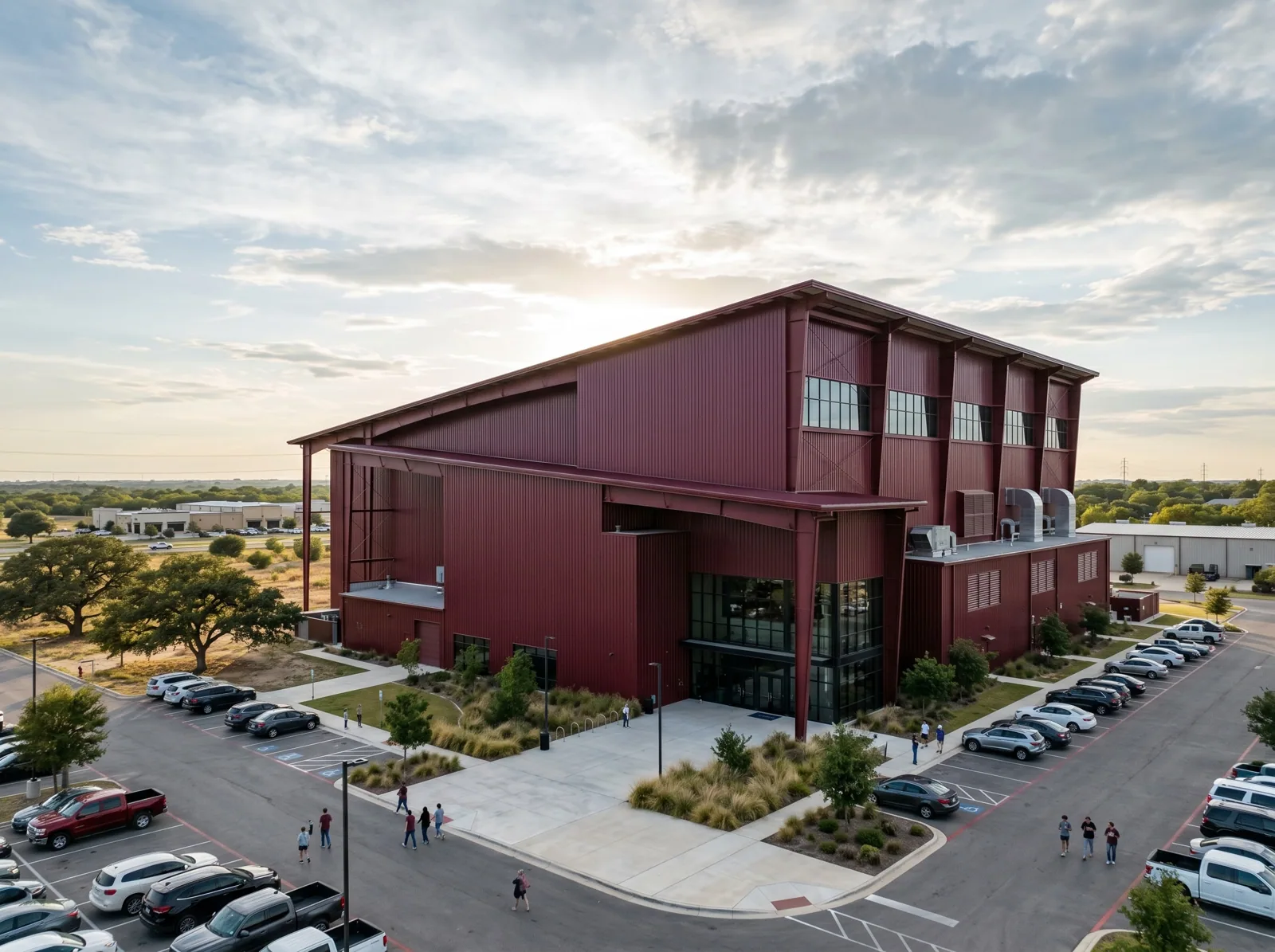
Tearing off roofing next to rooftop equipment can affect a production area that needs very different protection than an ordinary roof opening. Roofing over an operating plant lays out debris handling, lifts and roof openings for the plant's facility team to review. The plant's operations contact sets protection and access, while equipment specialists handle service and performance decisions. We match the roof work to those requirements before a work period is approved, so the bid includes a real work plan and the prep needed before the permanent repair.
If bad backing extends past the curb, the work may move over another production area, which means more protection and handling than the finish quantity shows. We explain the larger repair area and review it with the plant before opening more roof. Any temporary seal has to bond to sound existing roofing. We respond to urgent plant roof leaks overnight, on holidays and on weekends, with access arranged through the plant's contact. If water reaches electrical equipment, a qualified electrician should evaluate it; that is not a roofing decision.
A plant roof that looks fine may still need moisture testing before it can stay under a new reflective surface. An infrared moisture survey is read against the roof build-up and the survey conditions. Core cuts confirm the readings where the result decides whether the old roof stays or goes, and every cut is patched. We name the specific question that needs an answer instead of assuming the whole roof is fine from how it looks. That lets you separate the curb repair from the roof condition the cool roof depends on.
Cooling equipment, how the building is used and the insulation all affect the energy comparison, so roof color alone cannot prove a cost saving at the plant. Energy or equipment specialists can review those questions, while we define the roofing prep. A thicker system may change clearances at curbs and drains, which brings design or equipment decisions into the schedule. We explain those details alongside the new layers. Your ten-year plan is on solid ground when the cool roof option includes the prep and the production coordination needed to install it.
For a manufacturing plant near Escondido, the roof visit should record the problem area and any access limits that affect it. A separate building is priced only after its own condition is reviewed. The plant's operations contact provides the production requirements, and equipment specialists identify any work needed to reach the units. We inspect the existing roofing and backing before comparing a local repair with a larger surface option. The recommendation keeps the repair area and the protected work zone tied to that specific plant.
At an Escondido manufacturing property, roofing has to fit production access as well as the existing roof build-up. For a separate plant along the Rancho California Road corridor, we confirm that building's operations contact and roof area before carrying over any schedule. The site contact can identify shutdown windows and restricted zones, and our assessment covers the membrane, insulation, penetrations and curbs within the approved area. If a unit must be shut down or lifted, we coordinate with its equipment contractor before setting the roofing schedule. Each plant building needs its own scope, because production loads and access can differ across a campus.
A warehouse may have the same type of membrane as a manufacturing plant but need a different tear-off plan and protection for stored goods. Warehouse roofing is planned around racking and inventory rather than production equipment. Flex industrial roofing deals with each tenant's units and service needs. We keep the plant's curb findings in their own record, so another building's roof condition or work schedule is not used in place of the production requirements here.
Final photos should show the rebuilt curb, the sound roofing around it and any equipment work still waiting next to the roof repair. Later maintenance reports can be matched to that exact spot, and you can tell a permanent repair from temporary protection used during the job. A larger cool roof project still gets its own compatibility and building review. We explain what made the current curb repair work, what is still keeping another detail from being finished and which roof-wide project would address the heat goal. That makes the budget something you can act on.
Usually, yes. If the equipment contractor needs to service, lift or reconnect a unit, that should happen first. Otherwise their work can damage the new flashing or block it from being finished.
Wet insulation, poor backing or a membrane that is not compatible with the new product. We test where the plan depends on keeping the old roof, then compare the needed repairs with the prep the cool roof requires.
We map the roof openings, lifts and production areas affected, and the plant's operations staff set the protection. The bid includes that work plan and the prep steps instead of treating plant coordination as an unpriced extra.
Photos of the finished curb and the roofing around it, plus a separate list of any equipment, design or backing items still open. That gives the next budget a specific item to fund instead of a vague note.
Tell us about the heat concerns, the problem curbs and your production requirements. We will inspect the roof and rank the curb repairs, protected work zones and cool roof options for your plant.
Request a Roof Assessment