A cool roof might catch a Temecula property manager's eye while a leaking HVAC curb on the same building needs fixing now. Roofing for property management companies in Temecula, CA, ties those decisions together through an inspection of the roof and the full work each option needs. We inspect the reported leak, check the insulation and explain any equipment work needed before the permanent flashing goes on. You get a cost comparison you can take to the owner and the tenant, with the leak repair and a possible upgrade kept as separate, clear phases.
Before assigning a roof request, identify the managed building, the affected room, any roof history and the person who can grant access. The tenant can show us the leak area and how to reach the curb. A replaced unit or an old patch can change the right repair. The recommendation explains that specific detail rather than applying the same repair spec to every building you manage.
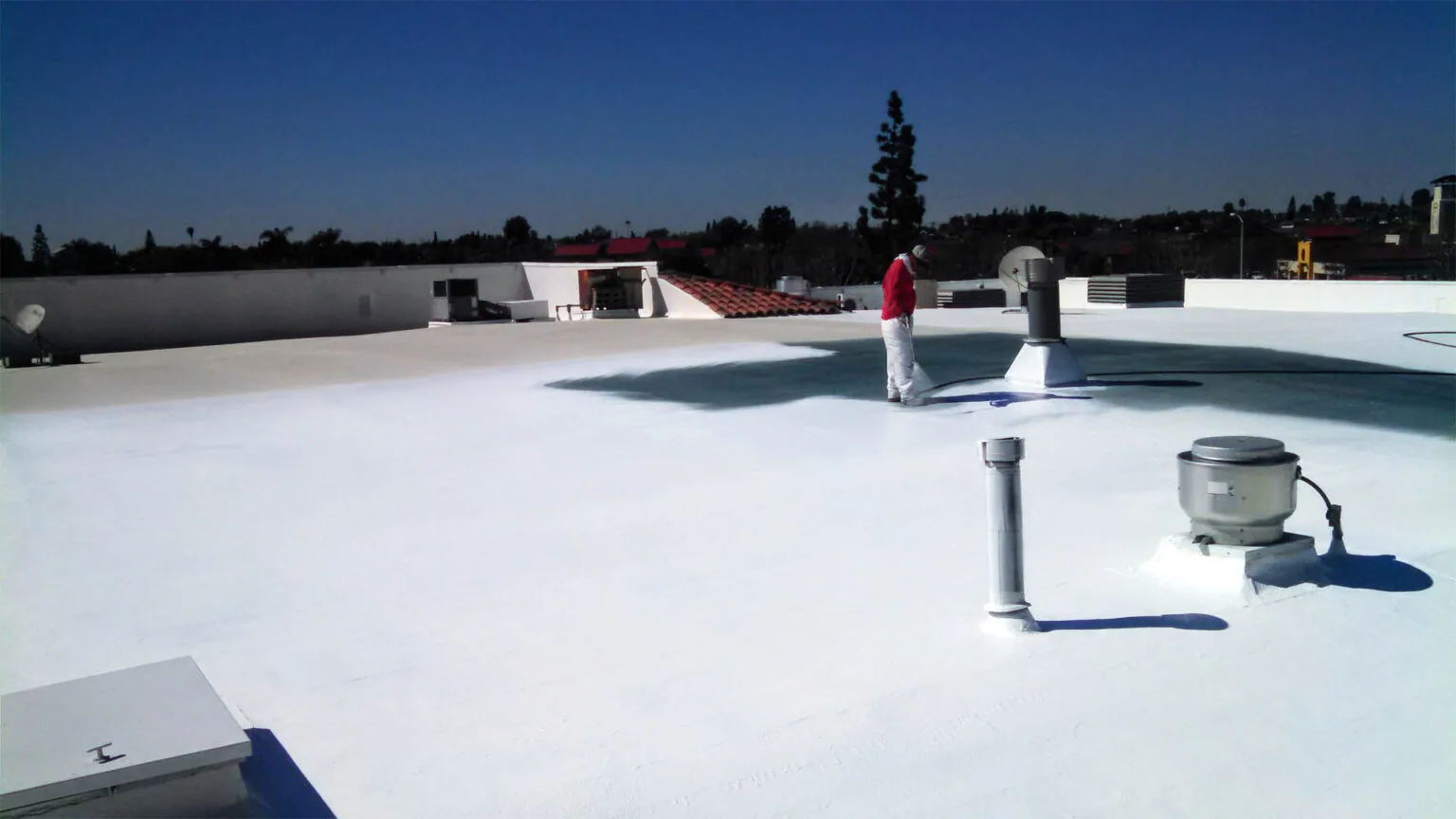
Temecula plans for extreme heat, which gives a manager good reason to include heat gain in an owner's roof review. A reflective surface can reduce the sunlight a roof absorbs and the heat that gets inside, depending on the building and the product. The roof underneath still needs sound insulation and finished flashings for that system to work. We spell out that prep before a coating-only price drives the decision. Any cooling-cost projection belongs with real building data and a proper analysis, while our report describes the roof work behind the option.
Cool roof installation on a managed property should include the confirmed leak repairs in its scope. Wet insulation or an open curb may need work before the coating is ready. Another building in your portfolio may have a sound roof and need a different job. We show those differences next to each proposal. You can then explain to the owner why costs differ without treating the same roof area as the same amount of prep. The comparison follows what each option would actually deliver and any details it would leave open.
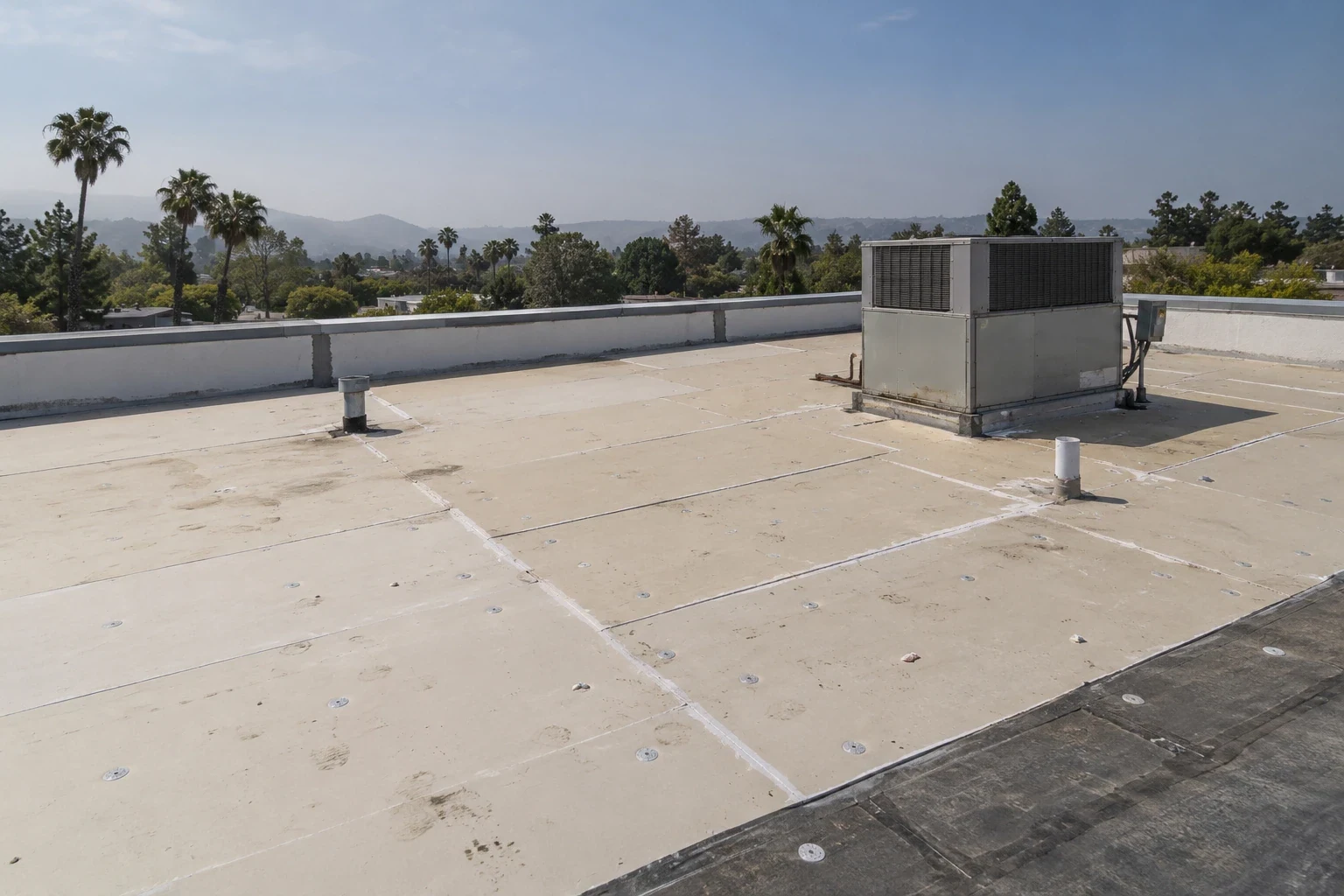
Water showing up under rooftop equipment can come through the roof flashing or a seam in the unit above it. We check both, and leave the unit itself to the mechanical contractor. When the leak started and which room it showed up in first help guide us, but they do not prove the whole path. Our photos include landmarks as well as close-ups of the suspected opening. You get a finding someone can find again, with a clear note of what we could and could not inspect. Another patch should not cover up an open equipment problem just because the nearest curb is easy to reach.
Commercial roof leak repair at a managed building's curb includes compatible material around the repair. Old patches may add prep beyond the visible gap. We confirm the membrane and the right permanent detail before ordering parts. If the back side is blocked, we explain what the mechanical contractor needs to do to expose it. You can schedule that step instead of assuming a finished front edge seals the whole curb. Each next step targets the specific detail standing between you and a watertight roof.
Water under the membrane can soak insulation past the visible gap at the curb. When that decides what stays and what goes, we test it. Infrared helps us decide where to look, and core cuts confirm what is wet. The proposal separates confirmed damage from a nearby hidden area that still needs checking. That gives you a clear explanation for the tear-off quantity and the decision that could still change it. A general allowance cannot explain that as clearly as a marked finding and what it means for the job.
Replacing insulation and cover board at the curb may change the roof height where it meets the unit. We check that fit with the existing roof and drainage before ordering parts sized for the old curb. Any extra damage found during tear-off is photographed and measured for the agreed approval process. The roof stays temporarily sealed while the change is considered. You should know which owner contact can approve it and what the extra work allows us to finish. That keeps every change order tied to the repair it supports.
You and the tenant decide which rooms, roof hatches and material routes the work will affect. Inspection access may not settle how tear-off will be handled. The mechanical contractor confirms what they need to do where the unit blocks the flashing or is due to be replaced. Each work phase should line up access, sound insulation and flashing parts, rather than starting around a curb that is still blocked. We explain where each day's work stops and how the roof will be sealed, so you can coordinate real tasks instead of relying on a calendar entry.
General contractors on managed properties can keep those trade steps visible. For a managed building near Old Town Temecula, each site keeps its own rules and roof findings. A visit to a nearby building does not settle access here. We keep temporary roof protection separate from permanent flashing that is still waiting on prep. You get a status for each location that explains what can happen next. Progress across the rest of the roof should not hide the one curb that still decides whether the building stays dry.
The closeout shows the rebuilt insulation and the finished flashing. We note where the repair sits and where it stops, so the owner has a record of the work they approved. Equipment performance and interior finishes stay outside our scope. If water shows up later, we inspect the roof as it is then and use earlier photos to see what changed. Moving a unit can change the curb the repair was built to fit. You can explain the next recommendation through those real changes instead of treating every new leak as the same defect.
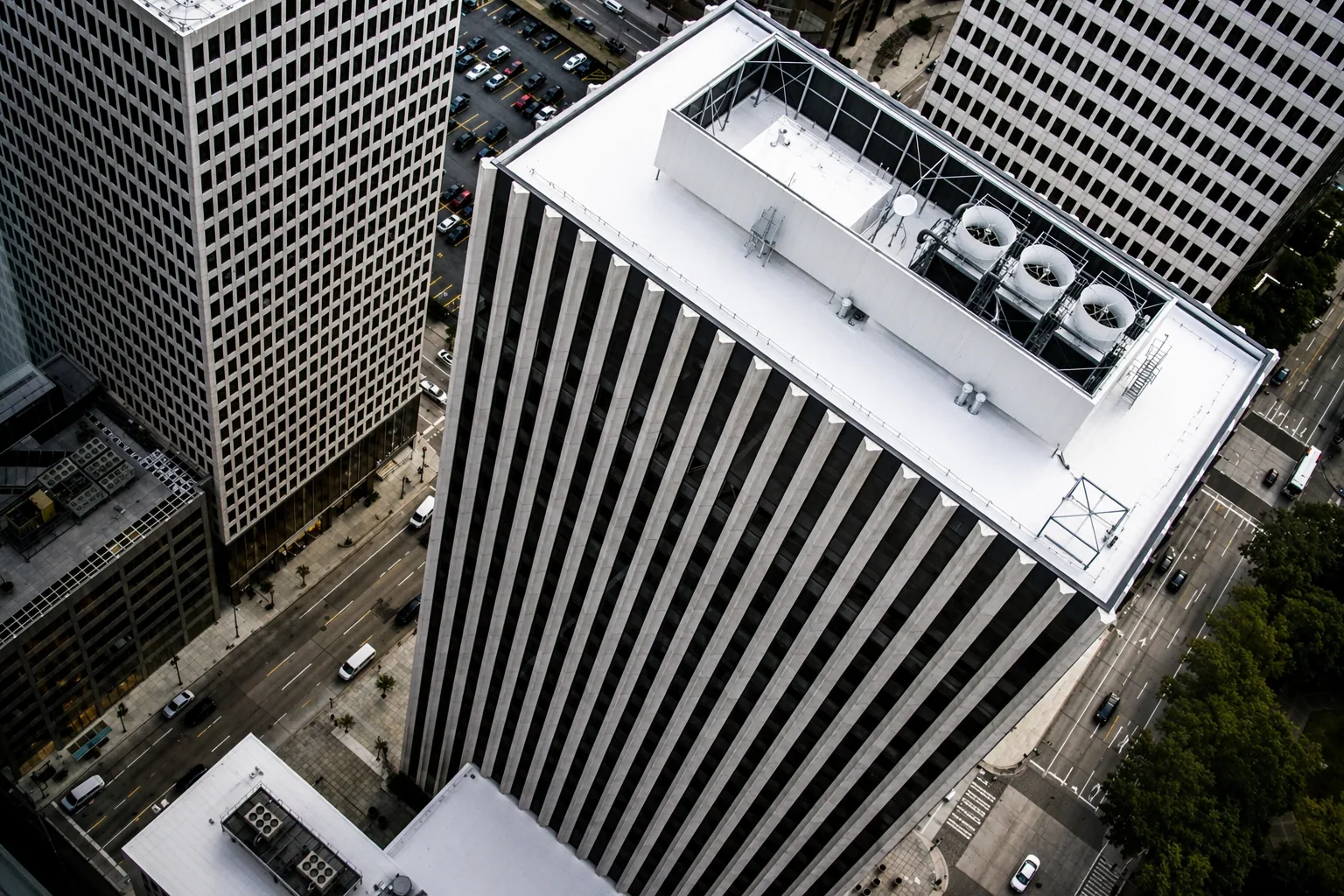
For owners who are real estate investors and REITs, the roof review keeps finished phases next to the remaining options. A wider reflective upgrade may still make sense when the roof and the product's requirements support it. We compare full prep and finished scope, not just surface totals. You get a clear account of the leak repair, any open equipment questions and a possible upgrade, each tied to where it is on the roof. That keeps the roof budget conversation easy to update as findings and tenant needs change. In Uptown Jefferson, planned uses include office, retail, industrial and medical buildings; each management assignment still needs its exact building file and operating contact.
Find the leak and list what each proposal includes. A roof-wide coating still needs sound insulation and a permanent curb repair. Compare the finished scope of each, and keep any energy estimate separate and based on that building's data.
The mechanical contractor assesses the unit. Our inspection covers the roof flashing, while a leak in the unit itself is a separate job. Keep both on the list before assuming one repair stops the leak.
Photos of where the damage is, its measured size and how it changes the finished repair. We explain how the extra work affects the curb height or the area being kept. It goes to the agreed approval contact while the roof stays temporarily sealed.
Closeout photos, what we found under the roof and the finished flashing detail. Any equipment or interior work still pending is listed separately. If something changes later, it can be compared with the finished curb before a new repair is chosen.
Send us the property, the owner contact and any roof records. We will go over the leak, the prep and the access arrangements needed for the next complete phase of work.
Request a Roof Assessment