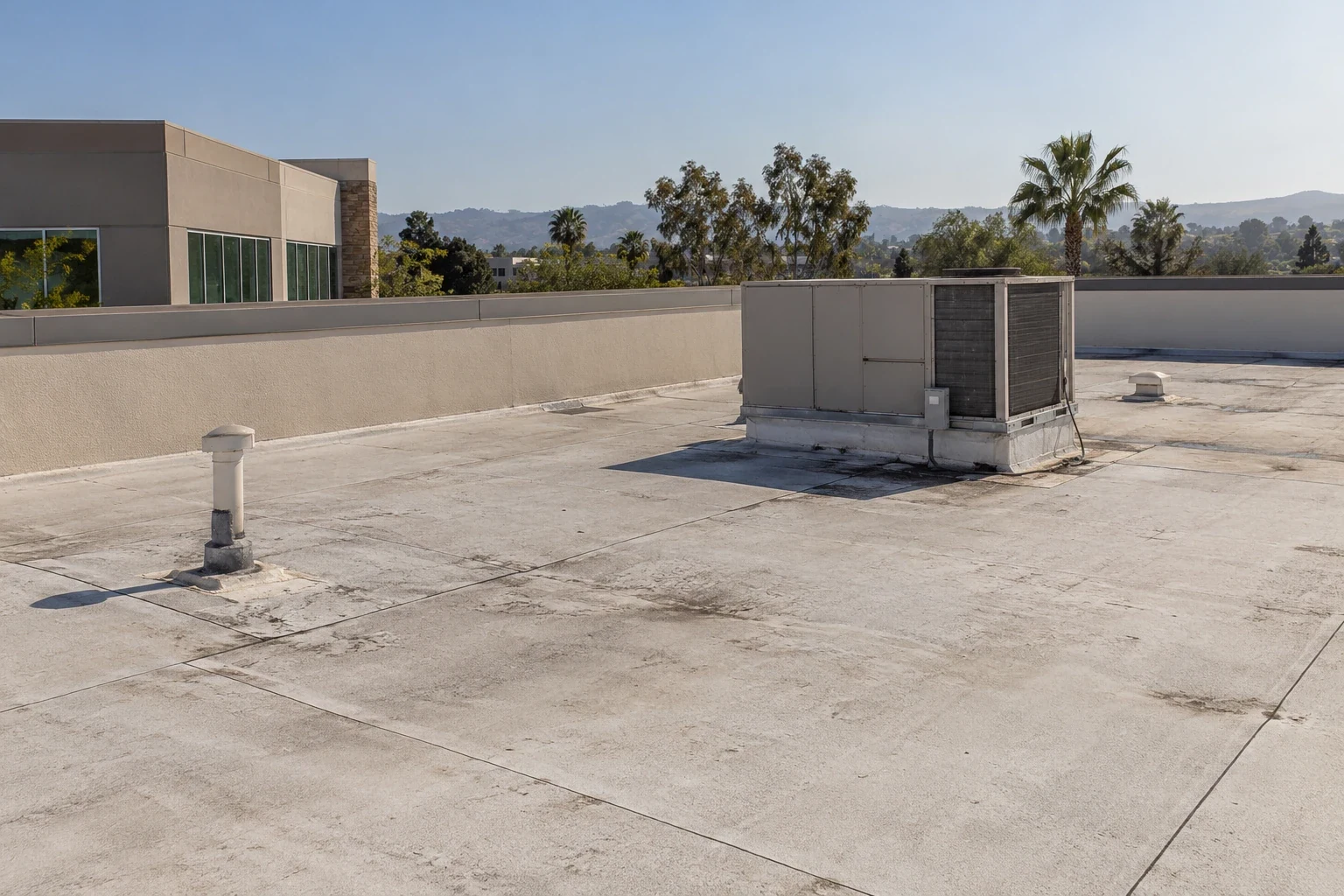
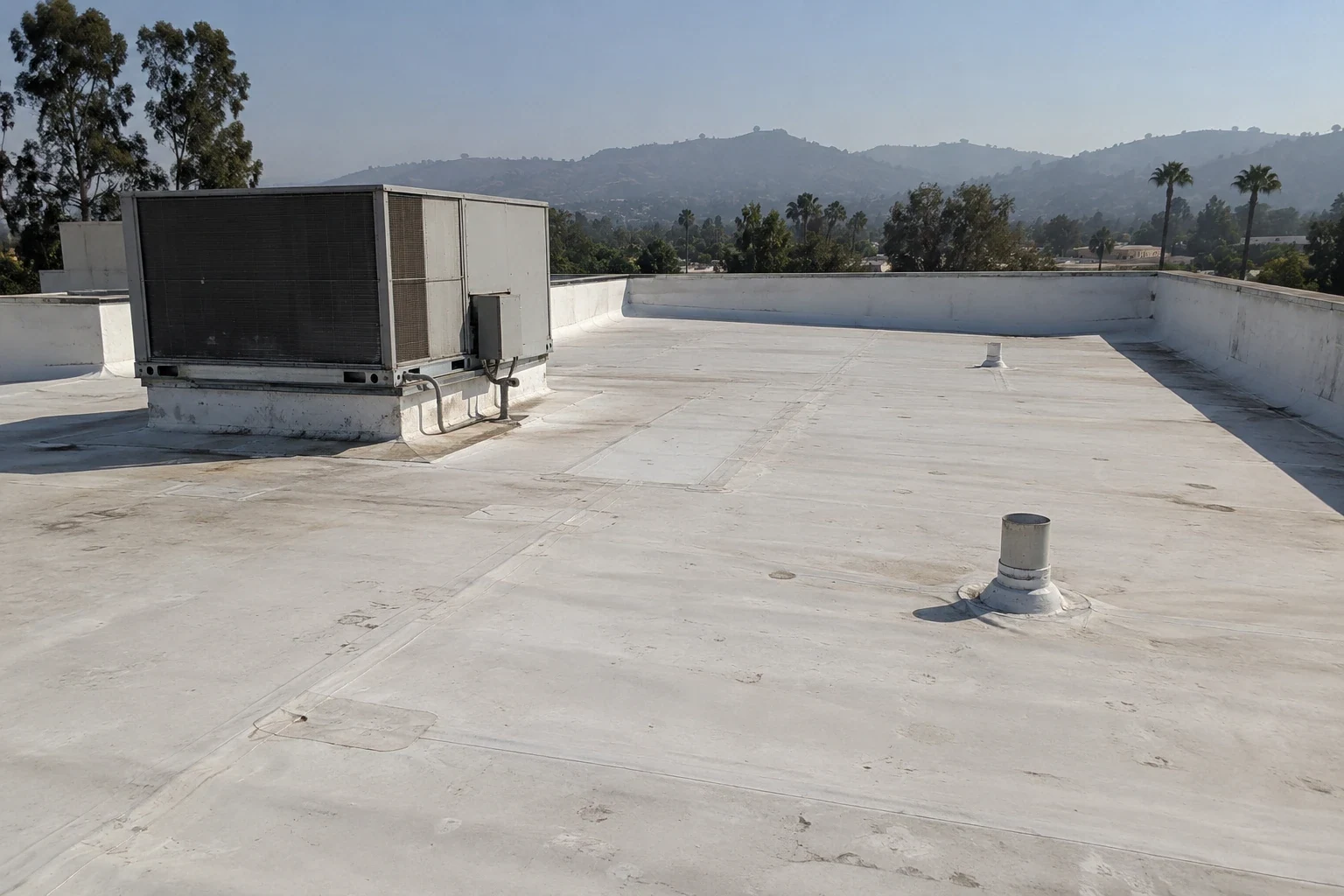
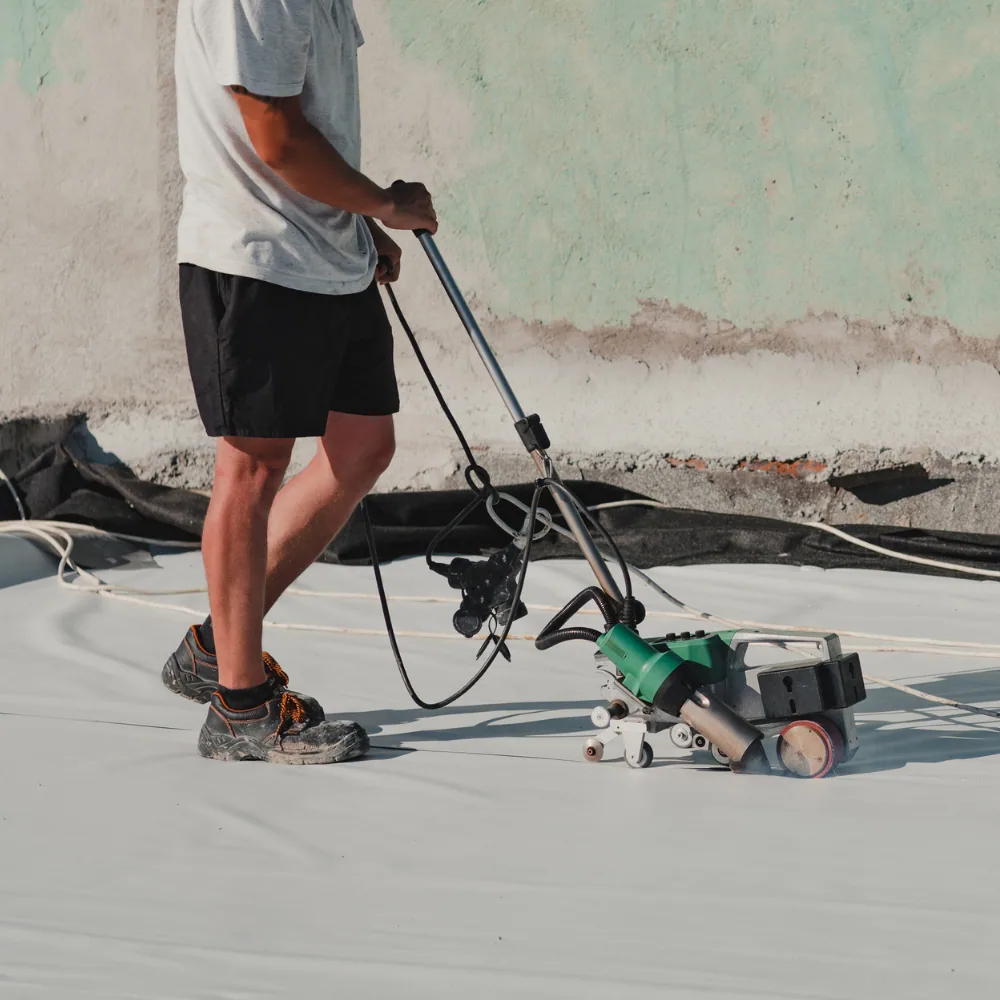
Temecula summers are hot enough that many owners, including medical-office owners, start asking about cooler roof surfaces. Before that conversation, an inspection has to answer the questions that actually drive the budget. A commercial roof inspection in Temecula, CA, looks at the membrane, seams, flashings, curbs and drains we can reach, and is honest about what cannot be seen without opening the roof. A medical office condition and construction assessment also has to account for rooftop equipment and patient rooms that cannot be disrupted. A roof that looks fine from the surface is not proof the insulation is dry, and a coating someone wants to sell you does not make a failing curb flashing acceptable. A good inspection answers your question about a specific part of the roof. We photograph what we see, note where we could not get access and point out where a small test cut or another specialist would be needed before anyone recommends tearing off or keeping the roof. The method follows the question, and the recommendation follows the roof we actually inspected.
Deciding between a repair, a coating or a new roof calls for different information, so it helps to know which decision you are facing before we call the inspection done. We agree on which roof area we are looking at and what you need to know, and we report any areas we could not reach next to what we found. If we could not confirm the condition of the insulation or how the roof is fastened, the report says so. One wet spot on top should not be turned into a conclusion about the whole roof.
A permanent repair decision informed by examination needs the leak point and the right prep identified. We confirm what the roof is made of and how the detail is built before final quantities go on the estimate, and we keep suspected wet areas separate from areas we know are bad. A small visible defect does not tell you how much hidden material needs to come out. If an HVAC unit or another trade's work is part of the problem, the report says who needs to handle it. That way you can see which repairs are confirmed and which numbers may still move.
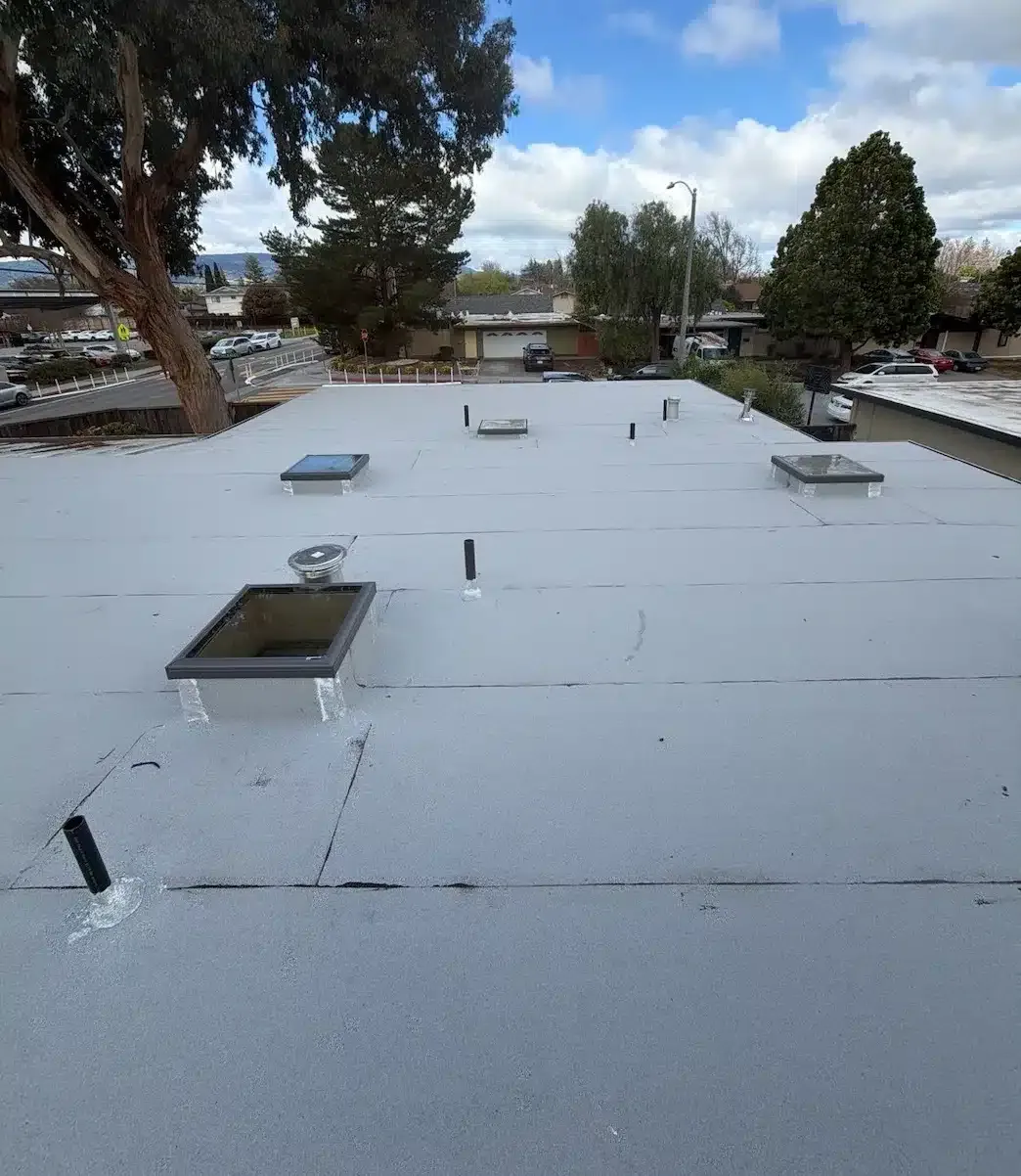
A roof can look smooth and continuous while hiding wet insulation or loose fasteners underneath. Those need their own checks before an estimate counts on keeping the old roof. We compare your roof records with what we find on site and are clear about the difference between what we saw and what we concluded. Moisture and attachment are separate questions and may need separate tests. The report says what we confirmed and what we did not, so a general note that the roof looks fine is never read as approval of every hidden layer.
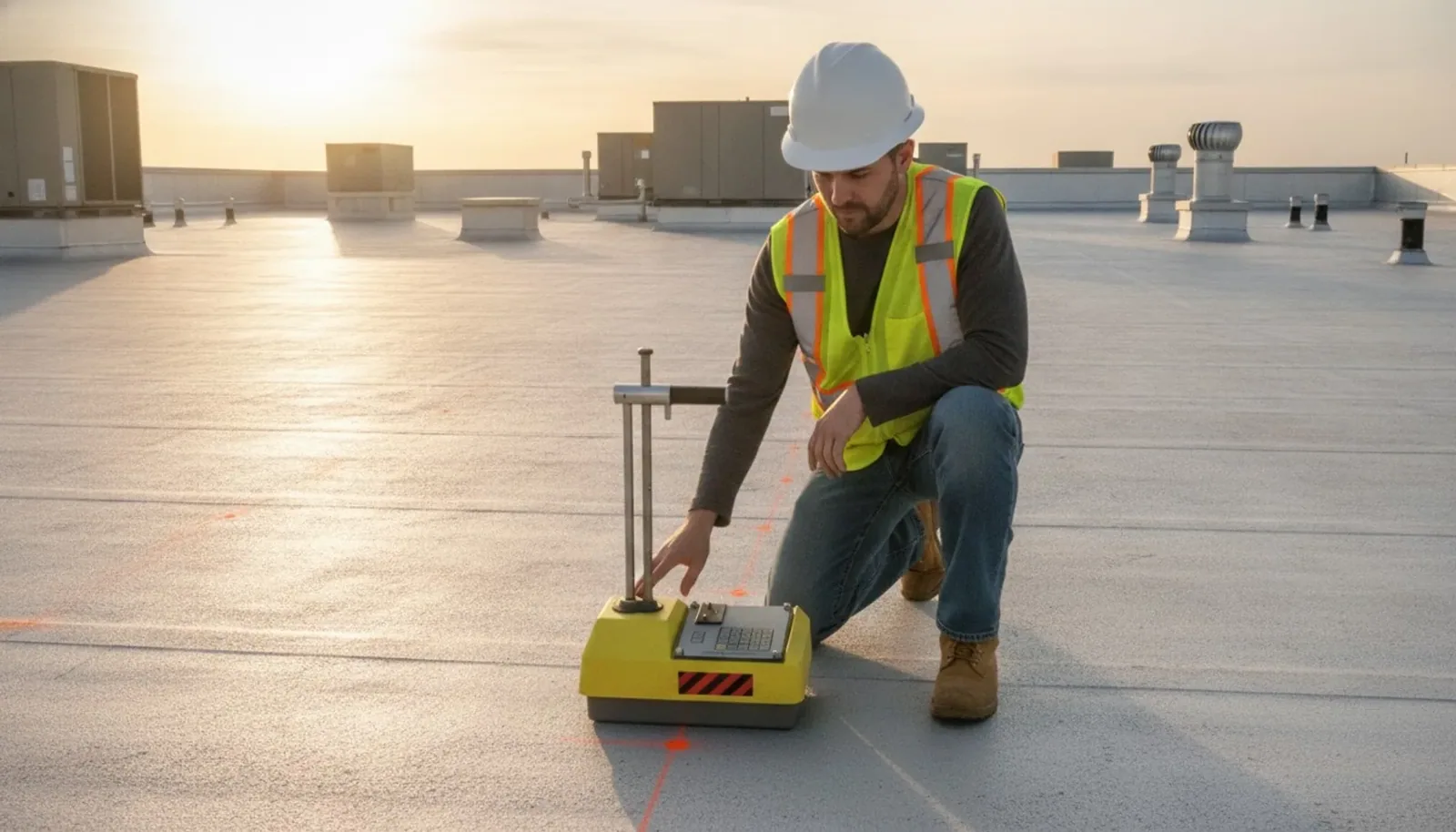
An infrared moisture scan alongside test cuts can point to likely wet areas, but a scan reading alone does not tell you exactly how much material has to come out. We confirm suspected areas with core samples before an estimate depends on them, and we note where the scan could not see. Once we know which areas are wet, the replacement insulation and repairs get priced. A new coating on top cannot dry out wet insulation underneath, and the tear-out area should follow what the cores show, not just how the roof looks.
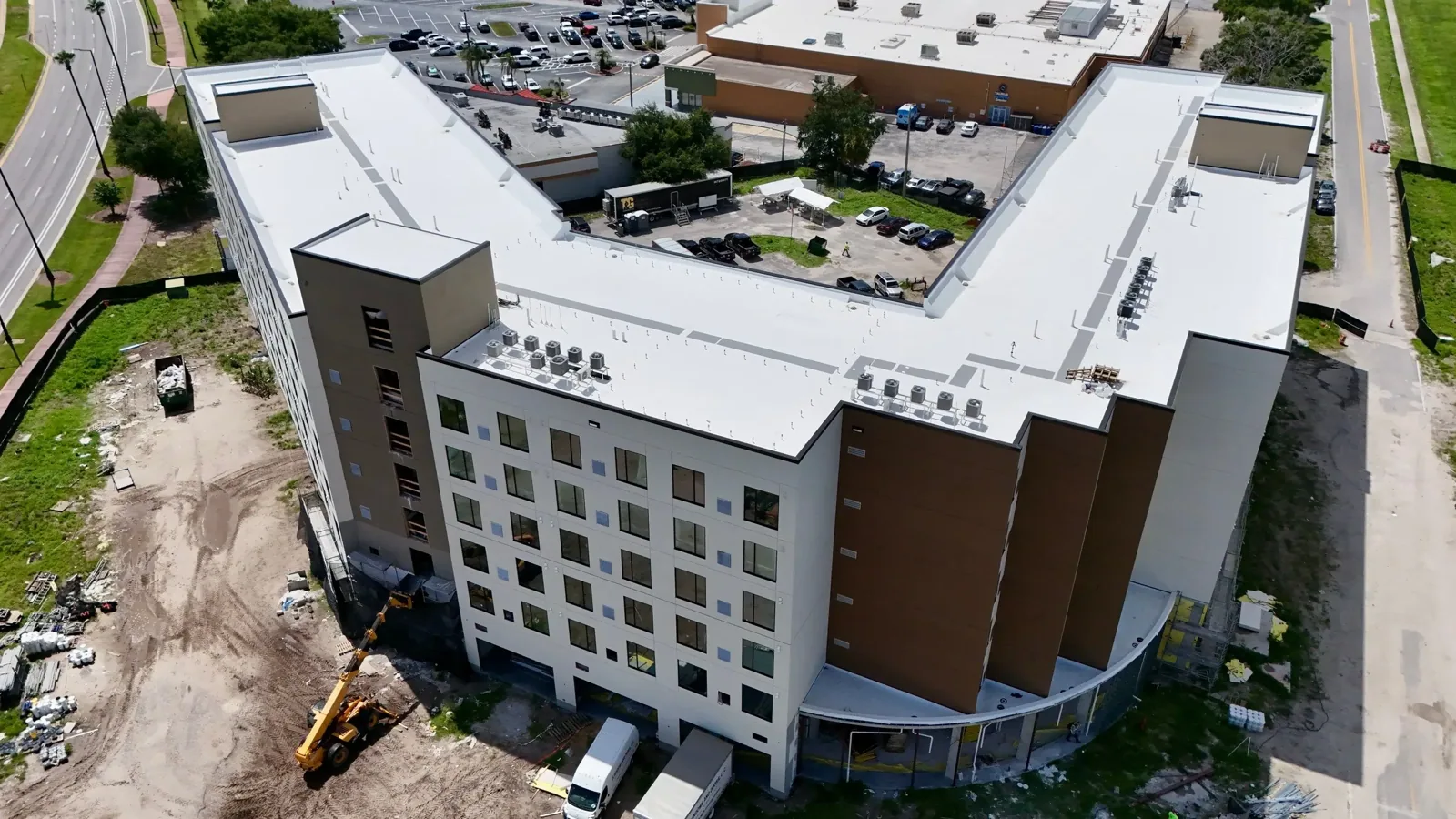
A reflective roof absorbs less sunlight and can reduce the heat that gets into the building, though how much depends on the building and the roof system. We weigh that benefit against what we found on the deck, insulation and flashings, rather than treating a preference for a white roof as a repair plan. If operating cost is your concern, the comparison should include the product's actual requirements, what your roof is made of and the repairs that have to happen anyway. Two roofs that look the same color do not have the same rating, energy savings or compatibility. The right option is a complete roof system that suits the roof we inspected.
A TPO option considered after inspection means checking the specific membrane, cover board and flashing parts together. A PVC alternative based on the inspection needs its own prep and installation requirements reviewed. Two systems covering the same square footage do not need the same seams, accessories or labor. The underlying repairs and any work-hour limits should be the same in every option you compare, so the material comparison means something beyond a price per square.
Fixing the flashing at an HVAC unit may depend on the mechanical contractor moving or disconnecting it first, so that timing becomes part of the roofing schedule. We list the prep and parts needed to finish each detail, and keep anything waiting on another trade separate from roof work that can go ahead. You should see delivery routes, room closures and protection needs next to the repair price, because limited access means more handling and more setups. Having membrane delivered to the roof does not mean a section is ready to work. The schedule follows what can actually be built and when the building can let us in.
Each confirmed finding is tied to a specific repair and to any check still needed before the quantity is final. Measured repairs stay separate from hidden concerns we have not answered yet. If more damage turns up during the work, it gets reviewed and approved by the right person on your side before we proceed, with the roof kept sealed in the meantime. You can then compare options that cover the same scope, instead of setting priorities by roof age alone. The recommendation also explains which tasks have to happen first and why that affects when the work can be done.
We scope commercial roof inspection near Escondido based on the specific roof and what it is built from. We note the property contact and the hours we can work, then inspect each building on its own before sharing any quantities. Requests around Old Town Temecula roof assessment areas work the same way, with access limits and equipment responsibilities written down next to our findings. Whether the insulation and deck are sound depends on checking those layers, and areas we could not reach are listed separately from what we saw. The report should state clearly which roof area was inspected and what questions are still open.
You get photos tied to the decisions they support, with a clear line between what we saw, what we confirmed and what still needs checking. Recommended quantities follow what the roof is made of and the details it needs, and any detail we could not reach is flagged with who needs to prepare it. If you have a roof warranty, its terms and requirements should be reviewed separately from our inspection findings. An inspection is not a warranty ruling or a sign-off on the whole building. We tie the roof findings to the right repairs and the open items, so you have a solid basis for deciding what to do next.
Start with the decision you are trying to make: repair, coating or replacement. That, plus which roof areas we can reach, sets the scope. Anything about hidden layers or materials that still needs a test cut or core sample is listed separately, so a surface walk is never read as a verdict on everything underneath.
No. Wet insulation and loose fasteners can hide under a roof that looks fine. We keep what we saw separate from what we confirmed with cores or test cuts. Any tear-out and replacement insulation then goes into the repair plan, instead of assuming the whole roof is good because the top looks good.
We compare options on the same roof: the same repairs, the same edges and flashings, and each product's real requirements. A reflective roof can lower heat gain, but we keep that possible benefit separate from any promised dollar savings or whole-building result.
What has to happen first. Confirmed problems are tied to the prep and any other trades needed to finish each detail. Work waiting on an HVAC contractor stays separate from roof work that can move ahead, and areas with hidden damage still to be checked stay protected until a decision is made.
Send us any roof drawings or records you have and tell us what decision you are facing. We will inspect what we can reach and explain what we found, your options and anything that depends on other trades or building schedules.
Request a Roof Assessment