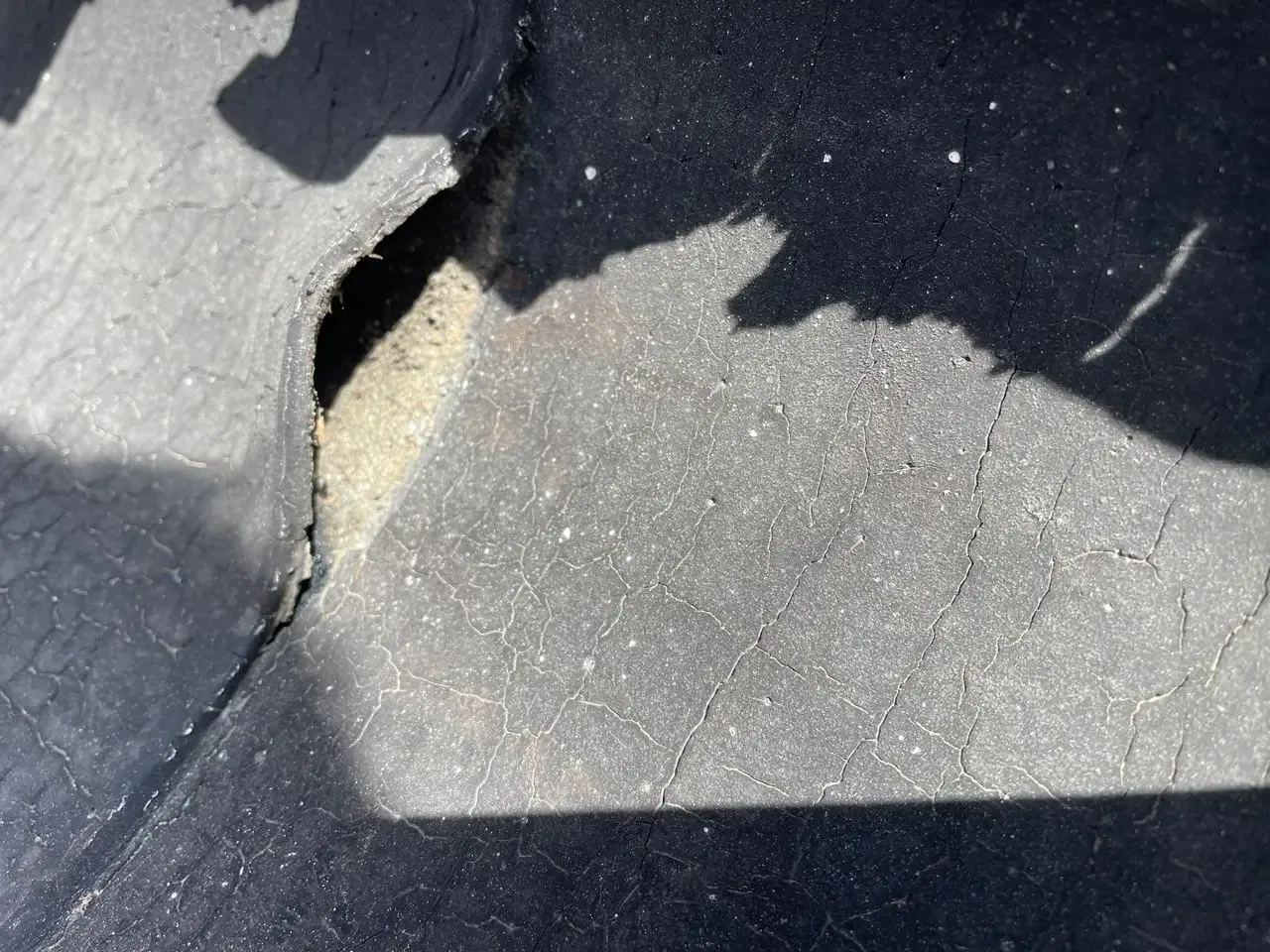
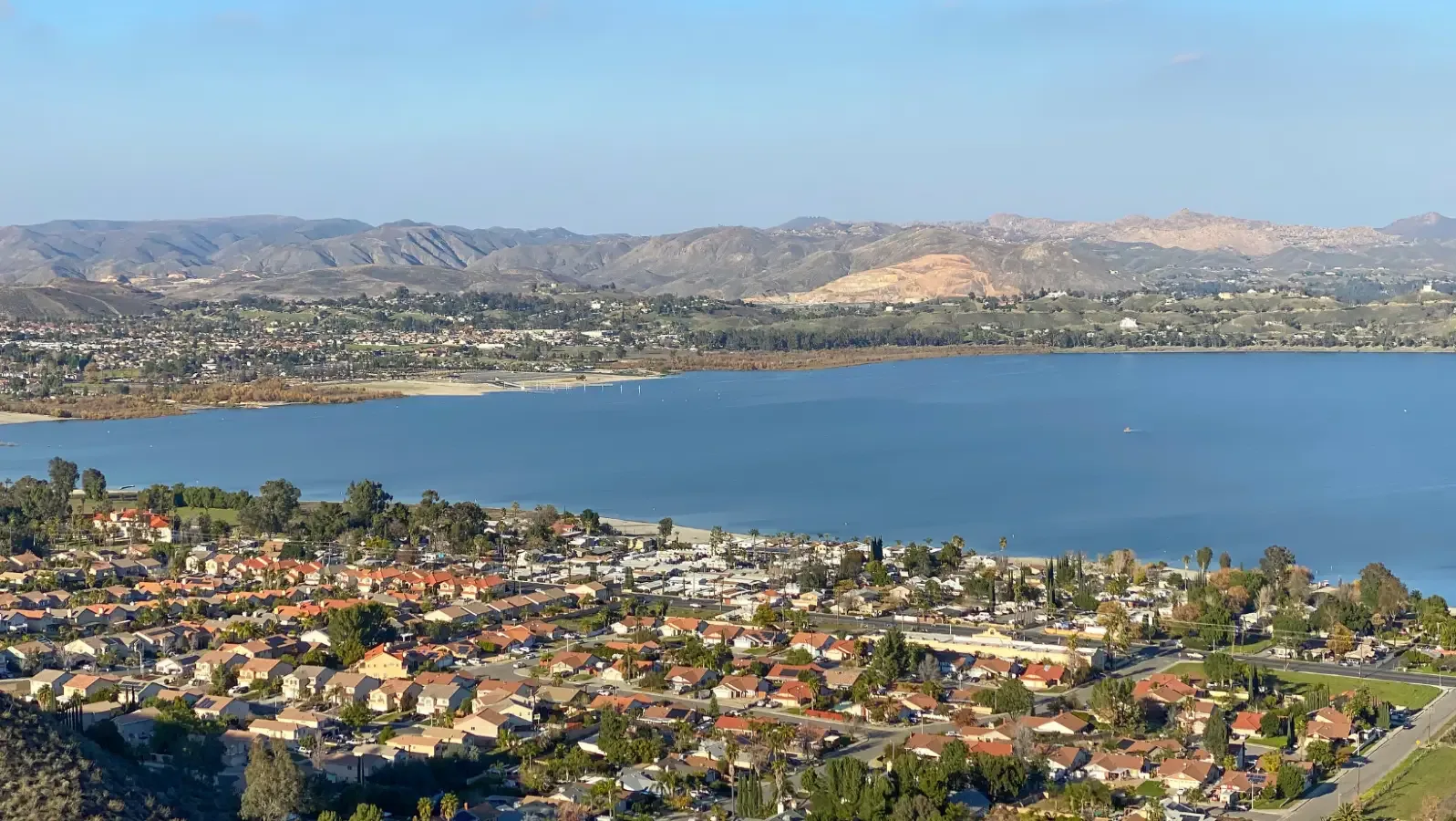
Open seams on a Lake Elsinore commercial roof can turn into a standing maintenance bill, with a patch every few months while the sun keeps aging the membrane around them. We repair, inspect and replace commercial roofs from our Temecula, CA base, and we find out whether the seam itself or the roof under it is the real problem. For a public or commercial building in Lake Elsinore, we define the repair area and the plan for protecting the interior before pricing a seam repair or a larger opening. The decision should reflect the actual separation, the membrane around it and the access available at that property.
An open seam can be a one-off installation flaw, a sign of aging membrane or the result of strain from the roof underneath. The real question is what a permanent repair takes and how much good roof can stay. A reflective coating may be worth comparing later, but only after the seams and any wet insulation are dealt with. We base the plan on what we find, so a cheap first repair does not hide repeat visits or a bigger fix still coming.
An open lap needs a look at the membrane on both sides, not just the gap. We check the seam, the condition of the material it has to bond to and any signs of stress nearby, using methods that fit the roof system. Heat welding, adhesives and asphalt-based repairs are not interchangeable. A patch needs sound material and a repair method that suits the roof, with preparation based on what we find.
Our seam failure repair separates a single bad spot from a pattern. If nearby seams show the same wear, we compare a wider repair rather than pricing each gap one at a time. That can change material orders and how the interior is protected. We explain what supports the repair area we chose, so the fix is tied to the actual membrane and not just a surface patch over an unsolved seam problem.

Wrinkles or a shifted membrane next to a seam can mean the roof is reacting to movement somewhere else. We check the attachment nearby, the transitions and what we can see underneath before deciding the seam is the whole problem. Temperature swings affect exposed membranes, but the actual cause still has to be found. Locking down a moving area with a rigid repair can just move the strain to the next seam.
A hands-on commercial roof inspection can tell us whether a test opening or a design review is needed to answer that question. You will know which repairs are confirmed and which areas are still being investigated. That helps us give a reliable price, because fastening changes, removal of weak material and rebuilt details can add work beyond the visible seam. We account for those possibilities before setting the plan.
Water that gets in at a seam often spreads into insulation well beyond the gap. We assess the affected area and confirm with scans or core samples what cannot stay. Where we can see it, we also check the deck. Pulling out wet insulation is only part of the cost; new insulation, fastening and a sound surface are needed to put the roof back together.
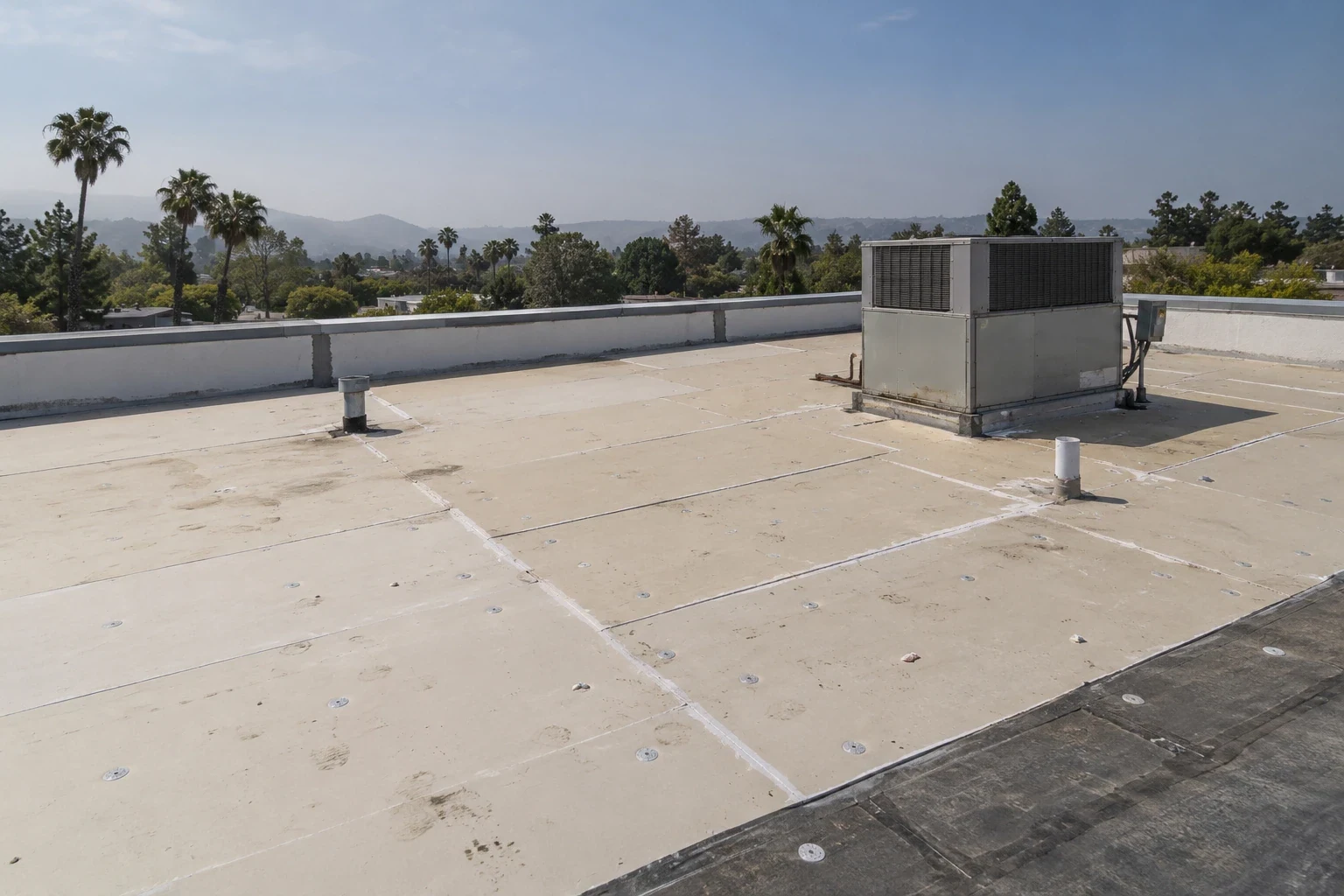
With roof insulation and cover board work, the new layers have to suit the roof system and the performance it needs. A change in thickness can affect nearby curbs or drains, so even a small repair can carry transition costs. We spell those out when comparing the repair with a larger replacement. You can then decide whether keeping the surrounding roof makes sense without overlooking the work needed to tie new and old together.
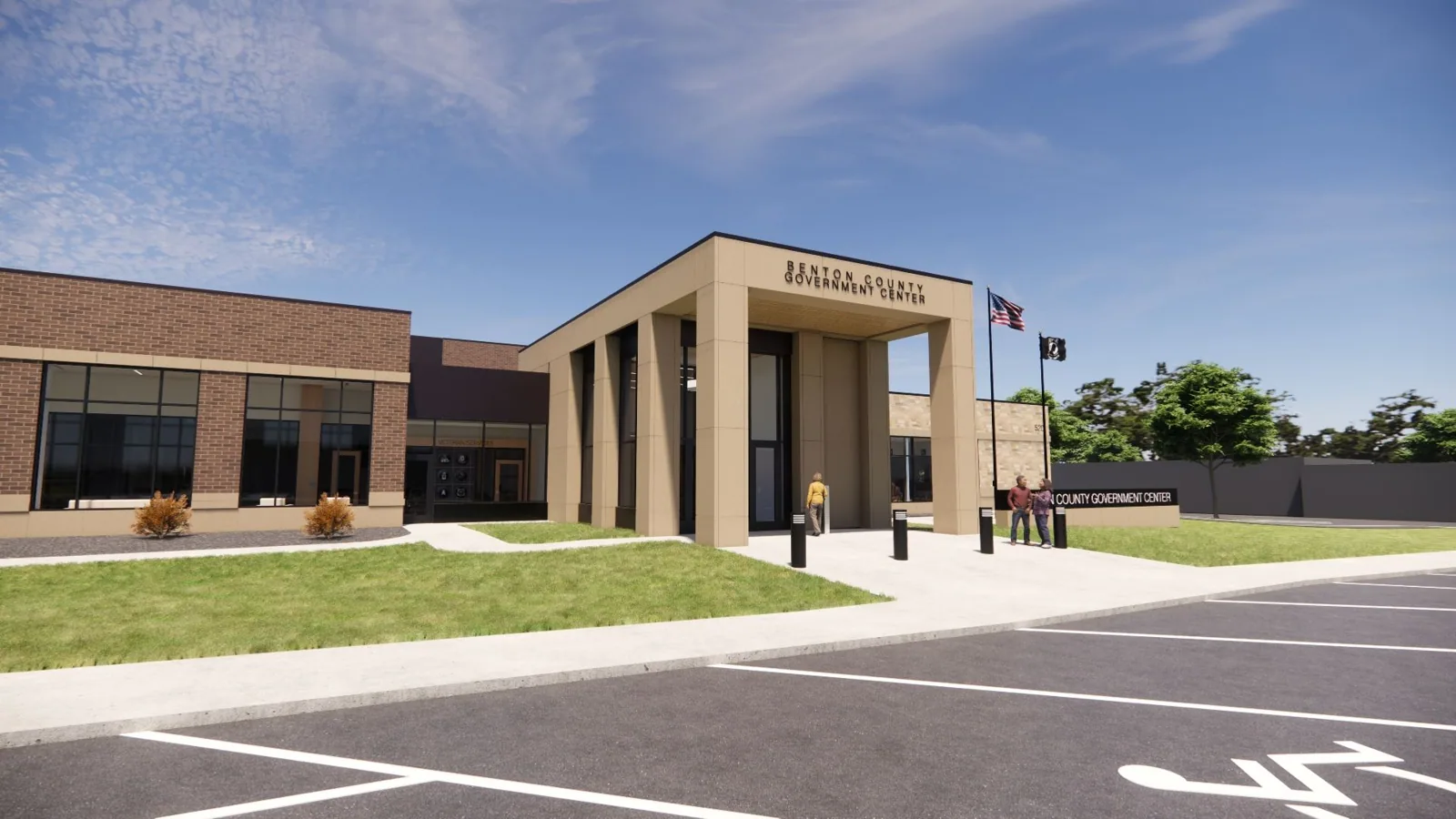
Roof work above a public service area may need a protected entrance and limits on debris handling. For work over offices such as City Hall on South Main Street, we would confirm the affected rooms and restrictions with the building's manager before deciding how much roof to open each day. The plan needs to show how the open areas are protected and how a finished seam or replacement section is checked before the protection comes down.
Our government building roofing planning ties those requirements to the actual work area. Smaller phases reduce disruption but add setup and close-up time. We explain that cost rather than assuming crews can work uninterrupted. A proposal with a defined protection plan is easier to compare with a larger phase, because both include what it takes to keep the occupied spaces separated from the work above.
A building in Wildomar can be part of a wider roof budget, but its own seam findings set its repair scope. We compare the cost of repeat service calls with a larger permanent repair only after we know the condition of the roof that stays. Similar ceiling stains do not mean the seams are the same, and a shared work date should follow the actual work rather than replace it.
A building in Menifee gets its own recommendation for stopping the leak, investigating and making a permanent repair. Surface upgrades can be considered once the seams and the existing roof are sound. That order puts your money where it fixes the cause, then lets you evaluate a reflective coating or a replacement with its full preparation and protection cost. You end up comparing defined work instead of choosing between endless patches and an unexplained big number.
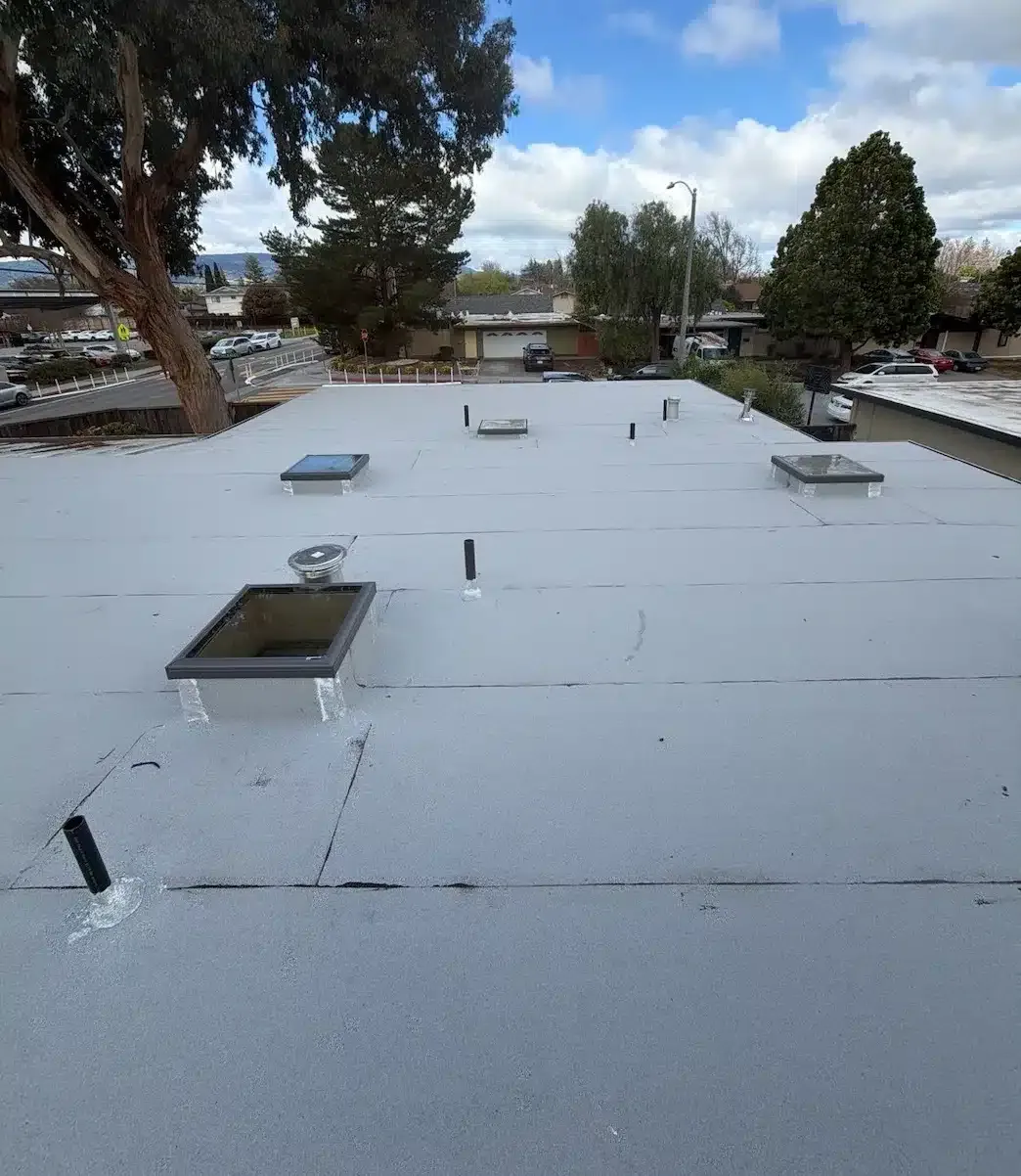
Lake Elsinore's growth and the I-15/State Route 74 junction create a broad mix of commercial properties with changing access patterns. Confirm the delivery route, roof hatch and work hours with the current building contact rather than assuming older site information is still accurate. On low-slope sections, check drain function and the direction of runoff before deciding whether ponding is a surface issue or a blocked drain. If highway construction or nearby development affects arrival, build that into the schedule without letting access concerns expand the actual roof scope.
Often, yes, if the membrane around the seam is sound and a good bond can be made. We inspect the material and nearby seams before setting the repair area. If the same wear or movement shows up elsewhere, we compare a wider repair using the real preparation, removal and protection work.
That depends on the roof system. TPO and PVC seams are usually heat-welded, EPDM uses tape and primer, and asphalt roofs use compatible asphalt-based materials. We identify the membrane and its condition first, and the proposal describes the repair method for that roof.
Wet insulation, weak membrane or a fastening problem can extend the work. We explain what we found and what testing is needed before the repair area is final, and the price includes putting the roof back together so you can compare it fairly with a larger repair.
Its access and protection needs set how much roof can be opened at once. We work it out with the building's manager and price debris handling and daily close-up, so you can choose a phase size with the costs visible.
When the same problem keeps coming back. Each return visit adds access and protection costs. Once the inspection shows a pattern, we compare a wider permanent repair, while keeping sound areas where possible.
Send us the Lake Elsinore building address, where the seam is leaking and the room affected. We will inspect the membrane and compare a local seam repair with a wider permanent repair before you spend more on patches.
Request a Roof Assessment