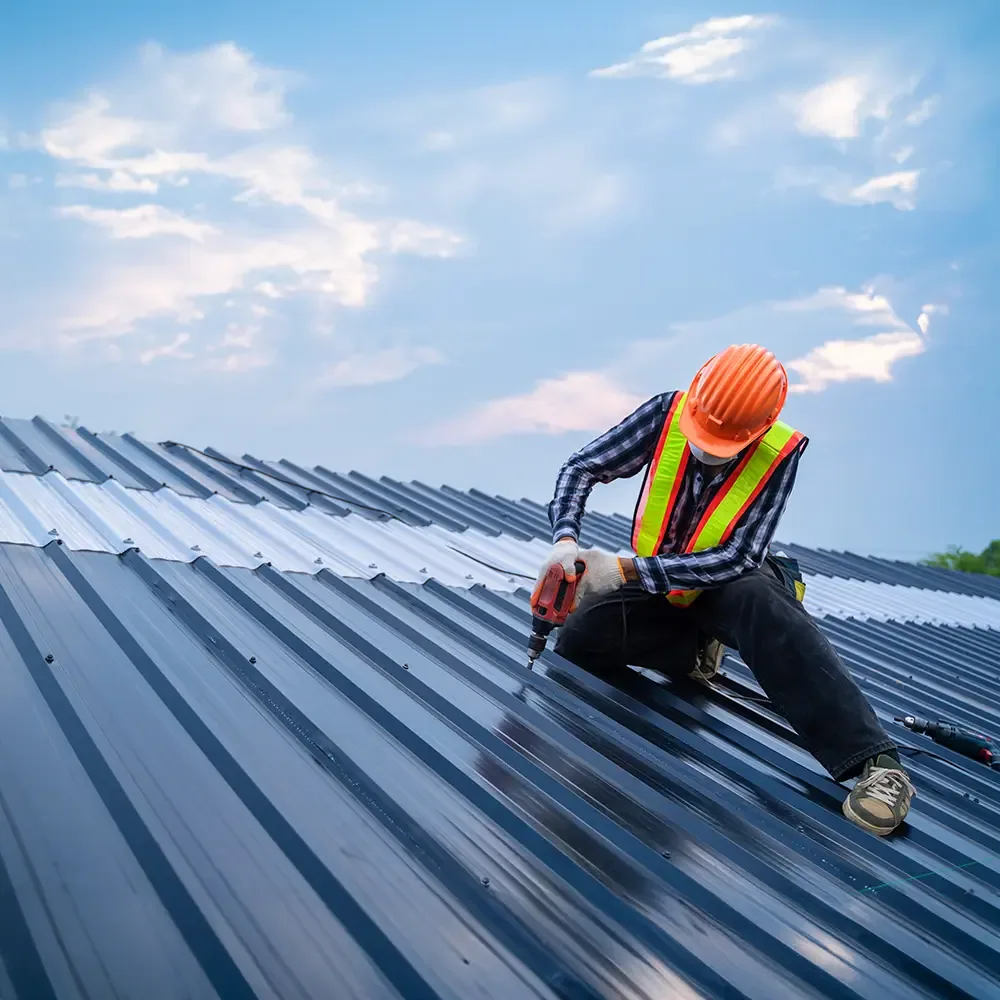
Before you put a cool roof on a Temecula retail building, the existing membrane has to be in good shape, and an open seam is one of the first things to fix. Seam failure repair in Temecula, CA, looks at the separated seam and what is underneath it before a bigger project goes into the budget. We identify the membrane, how far the seam has opened and what prep it takes to reseal it to sound material. You get a repair decision based on that seam, not a one-size method picked from a photo. A reflective coating stays a separate option until the seams under it are watertight. A separated seam near Riverside may come from a failed weld, building movement, an incompatible patch or membrane that has simply worn out. We identify the roof system and check the membrane on both sides of the seam before choosing a repair. In Anza, that building's exposure and access get recorded during its own inspection. Where the membrane around the seam is brittle, or the seam keeps opening again, we explain why a spot repair may not hold. For shopping center roofs, we confirm the building and the section we can reach. Old records can help identify the membrane or an earlier patch when they match what is there. If we still cannot confirm the membrane type, we sort that out before choosing seam products and parts.
The City of Temecula lists extreme heat among its hazards, and a reflective roof can reduce the sun's heat on the roof and inside the building. How much depends on the building and the product, and it says nothing about whether an open seam can be left alone. We inspect the separated seam and spell out the repair before recommending anything bigger. Loose edges or wet insulation may need work that a coating-only price leaves out. You can then compare full options with those repairs included, instead of assuming a new surface will seal everything underneath.
A commercial roof repair at an open seam starts with knowing the membrane and how its seams were made. Different membranes need different prep and different repair methods. We check old patches and the condition of the edge the new seam will bond to. A single defect can often be fixed locally when the membrane around it is sound. Another opening further down the same seam may change how much we repair. The proposal shows where those findings are and what prep is needed, so you get a repair quantity tied to what we inspected.
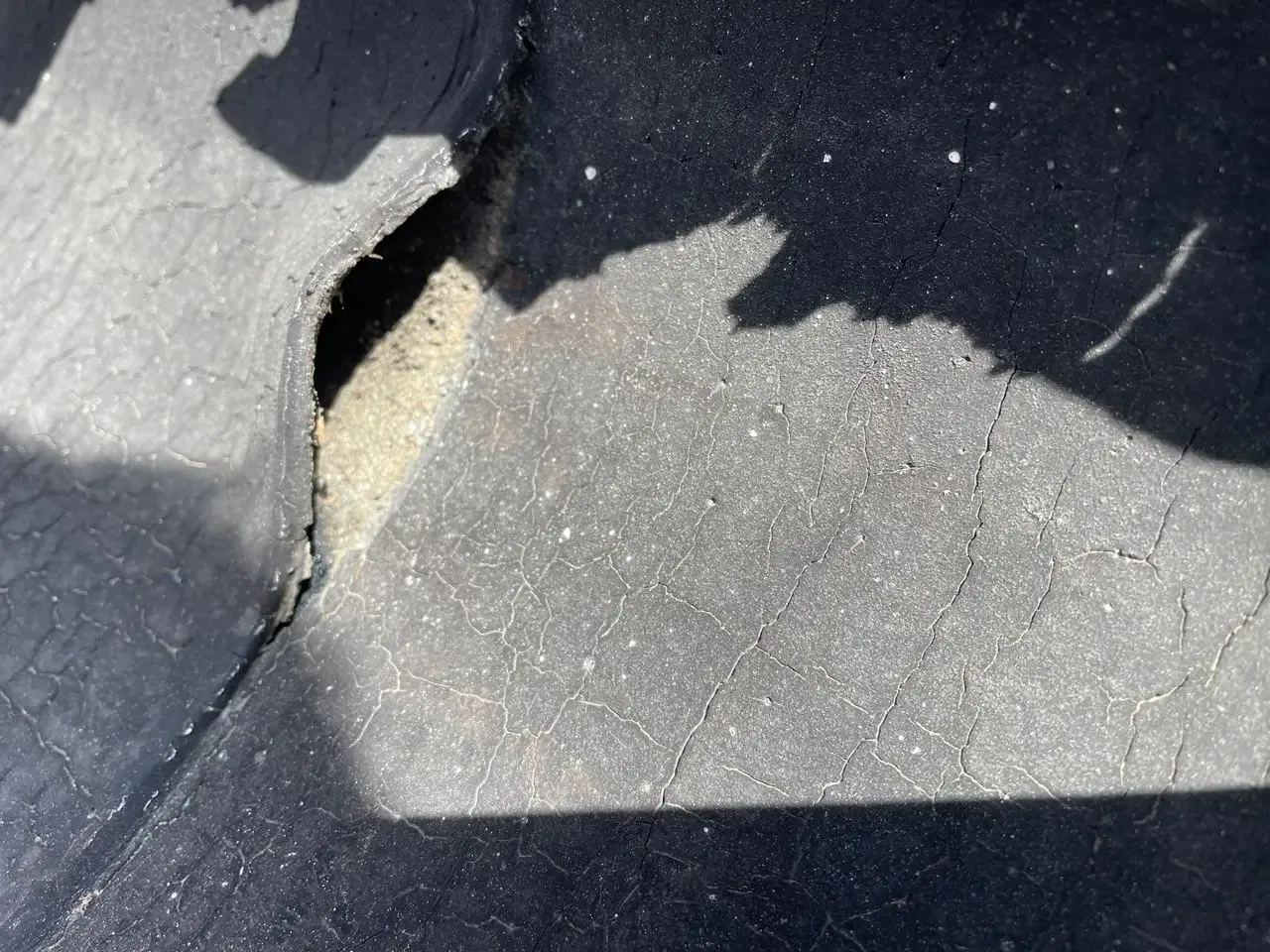
You cannot tell from looking at a seam whether a given repair product will stick to it. We use product and roof records when we can confirm them, and say plainly when the membrane type is still unknown. TPO and PVC seams are heat-welded with compatible material. EPDM and modified bitumen each follow their own manufacturer's repair methods. Old mastic or patching compound has to be removed to reach a clean surface. On some roofs a test weld or adhesion test helps confirm the method will hold. That result applies to the method and the spot we tested.
Where the seam runs into a curb or wall, flashing failure repair has to be part of the job. Sealing the flat part of the seam can leave the vertical turn-up or hidden end still open. If a unit is in the way of that surface, we say who needs to move it. Current dimensions matter if the unit or that roof section has changed since the original flashing was built. You should see where the permanent repair ends and what has to happen first. A roll of seam tape on the roof does not fix a blocked or missing surface to bond to.
Water coming through the seam may have soaked insulation well past the open edge. When that decides whether we cut out or keep the roof, we test. Infrared helps us decide where to look, and core cuts confirm what is wet. A finding at one cut applies to that spot and how far we traced it. Areas next to it stay unconfirmed until they are tested. You see both what we proved about the insulation and what else could change the repair, instead of a quantity guessed from the length of the open seam.
Replacing wet insulation and cover board under the seam includes getting it level with the dry roof around it. A rebuilt section can change the roof height at nearby drains or curbs. We check that before settling the repair layout. Any extra damage gets photographed, measured and sent through the agreed approval process. The roof stays temporarily sealed while the change is reviewed. The full scope explains the insulation work and the new seam together, so you can see why the repair reaches further than the first visible split.
The building operator tells us which spaces below the work are occupied and how we can get materials to the roof. We plan a daily work area we can seal tightly before we leave. Access for an inspection may not cover lifting materials or hauling debris for a repair. If equipment blocks part of the repair, the right contractor has to be scheduled to move it. The work goes ahead when the surface is ready and the parts are on hand. A good plan names what is holding up the final seal, instead of assuming a date on the calendar solves it.
Roof work over occupied retail space keeps temporary patches separate from finished, permanent seams. For a seam repair near Old Town Temecula, the building keeps its own protection and access rules. We explain how much roof gets opened each day and which part is waiting on a decision about the insulation. You can then plan the next step with a clear status. Progress on the rest of the roof does not finish a seam at a curb that still needs its prep.
We photograph the repaired seam with enough of the roof around it to find it again later. The record shows any insulation we replaced and where the new work meets the existing membrane. Any equipment or interior work still open is listed separately. If the seam or another one opens later, we inspect it where it is rather than assuming the earlier diagnosis. Comparing the roof with the closeout photos shows whether a surface, a unit or another seam has changed. The record stays useful for exactly the repair it documents.
A membrane puncture repair next to the seam may need a different fix. We check the insulation under it and the right repair rather than treating every nearby defect as the same seam failure. A wider cool roof option may still be a good choice once these repairs are done. You should see the leak repairs next to the prep needed for that upgrade. That keeps the spending order tied to finished work and open questions, with each recommendation saying what it would actually change on the roof.
No. TPO, PVC, EPDM and modified bitumen each need their own compatible seam repair, and old patches can change the prep. We identify the membrane first, then pick the products and method that match it.
When the opening is limited and the membrane and insulation around it are sound. We check for wet insulation and look at the whole seam, including where it meets curbs and walls. If the membrane is brittle or failing along its length, a larger repair or replacement may be the better choice.
Whether the chosen weld or adhesive bonds properly to your membrane on a cleaned spot. We record where it was done and what it showed. One good test does not prove the insulation is dry or that every other seam on the roof will behave the same way.
The unit or fixture in the way has to be moved or lifted first, and that step goes into the schedule. Sealing the flat part of the seam does not seal a hidden turn-up at the curb. You should see the full repair area we are proposing.
Send us photos of the open seam and any records of your membrane. We will go over the condition around it, any testing needed and the full repair alongside other roof options.
Request a Roof Assessment