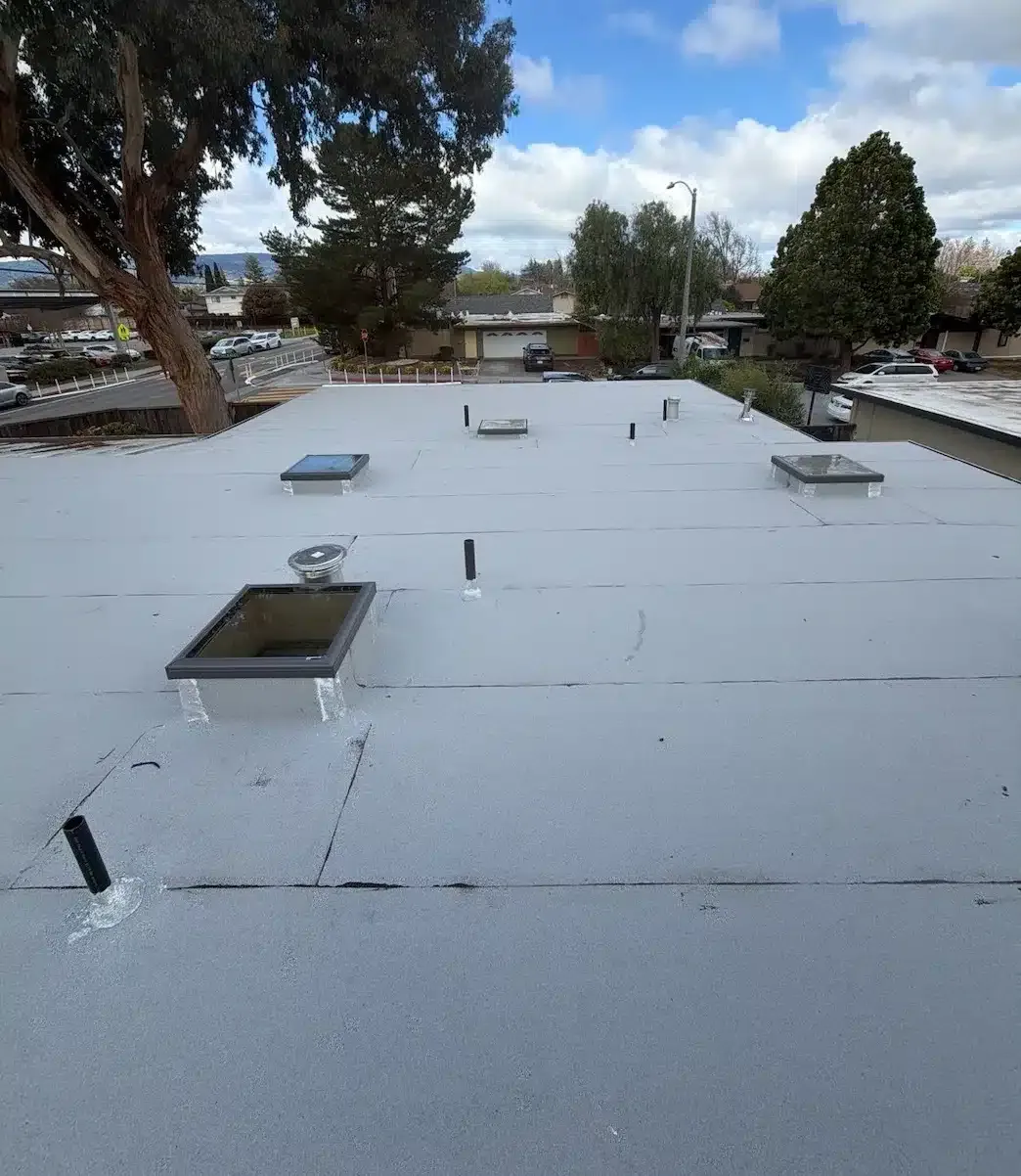
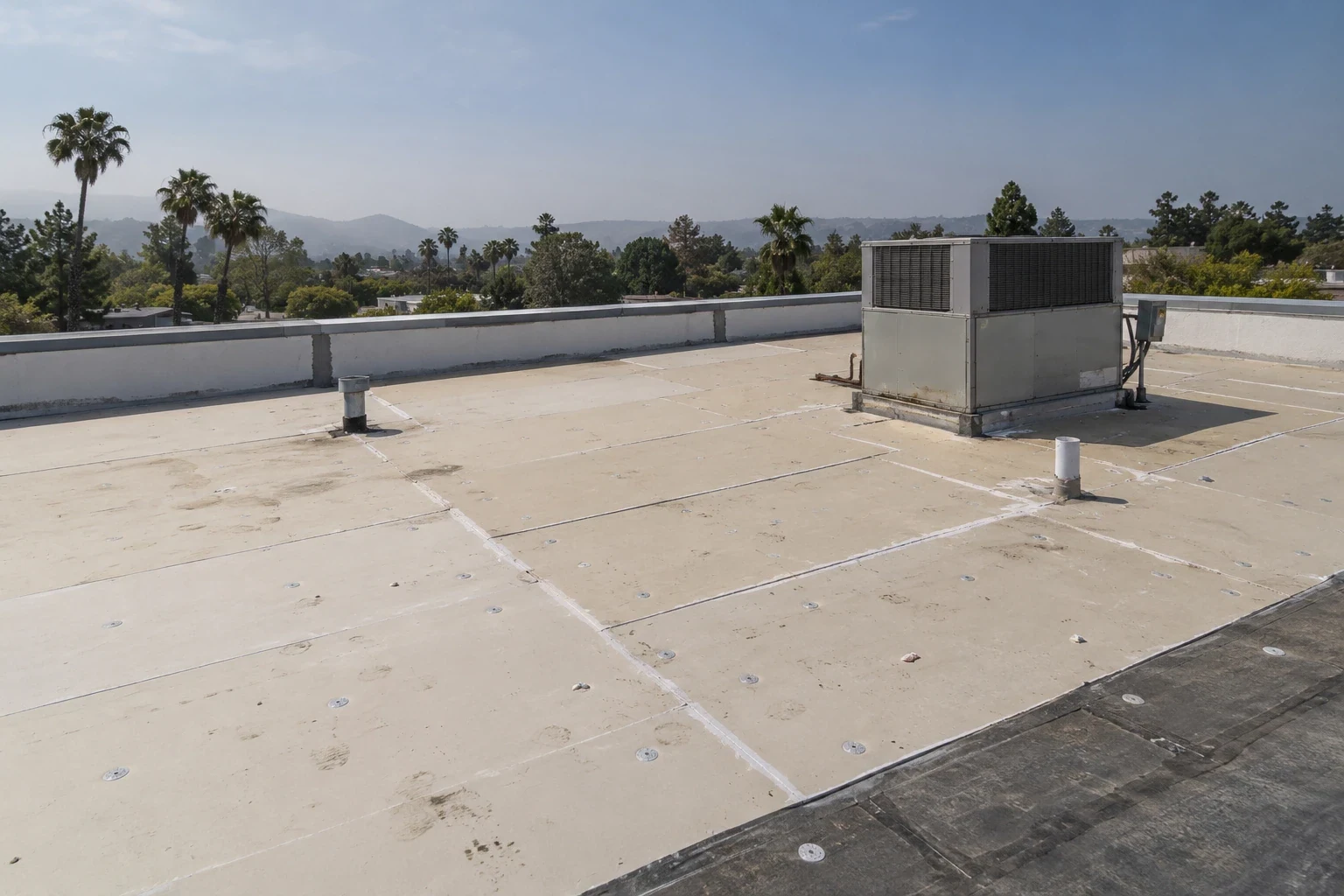
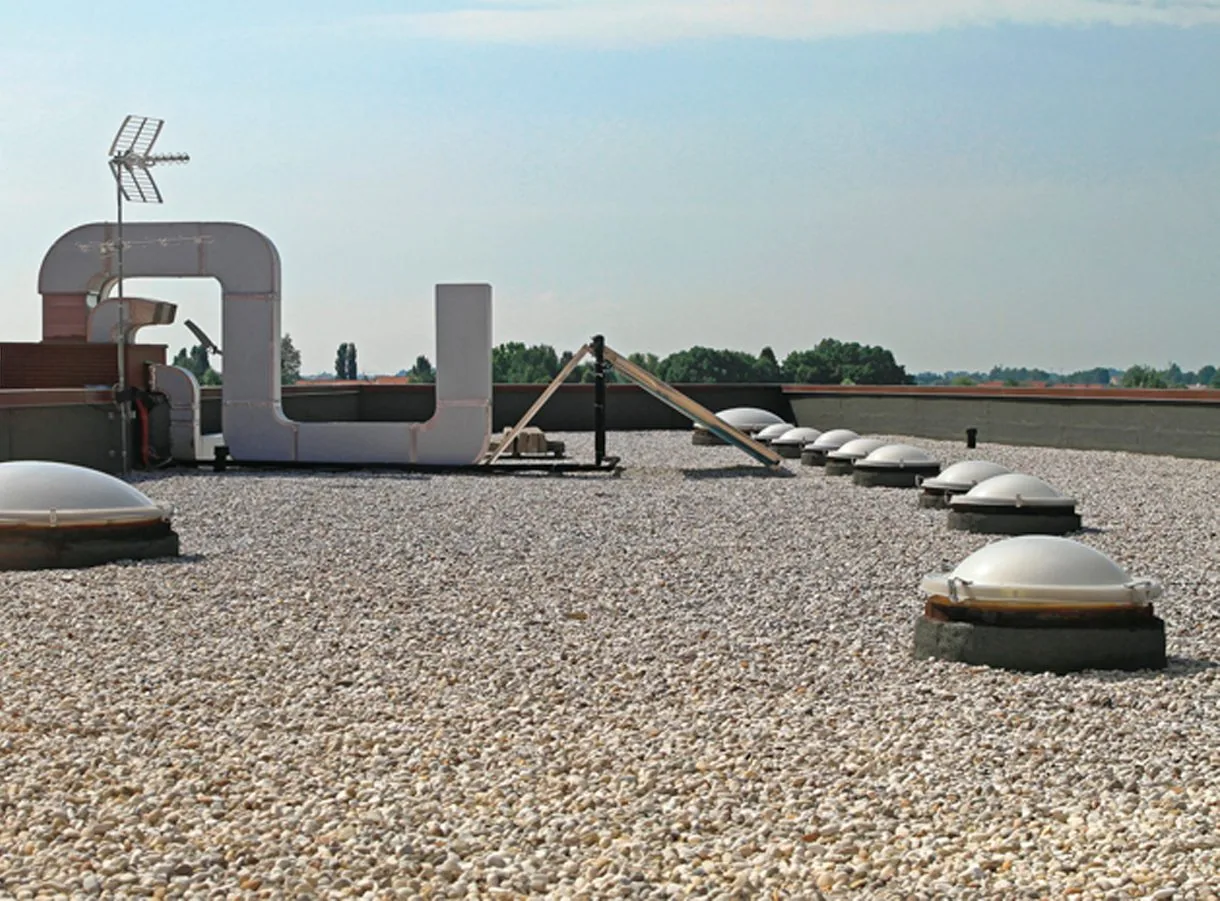
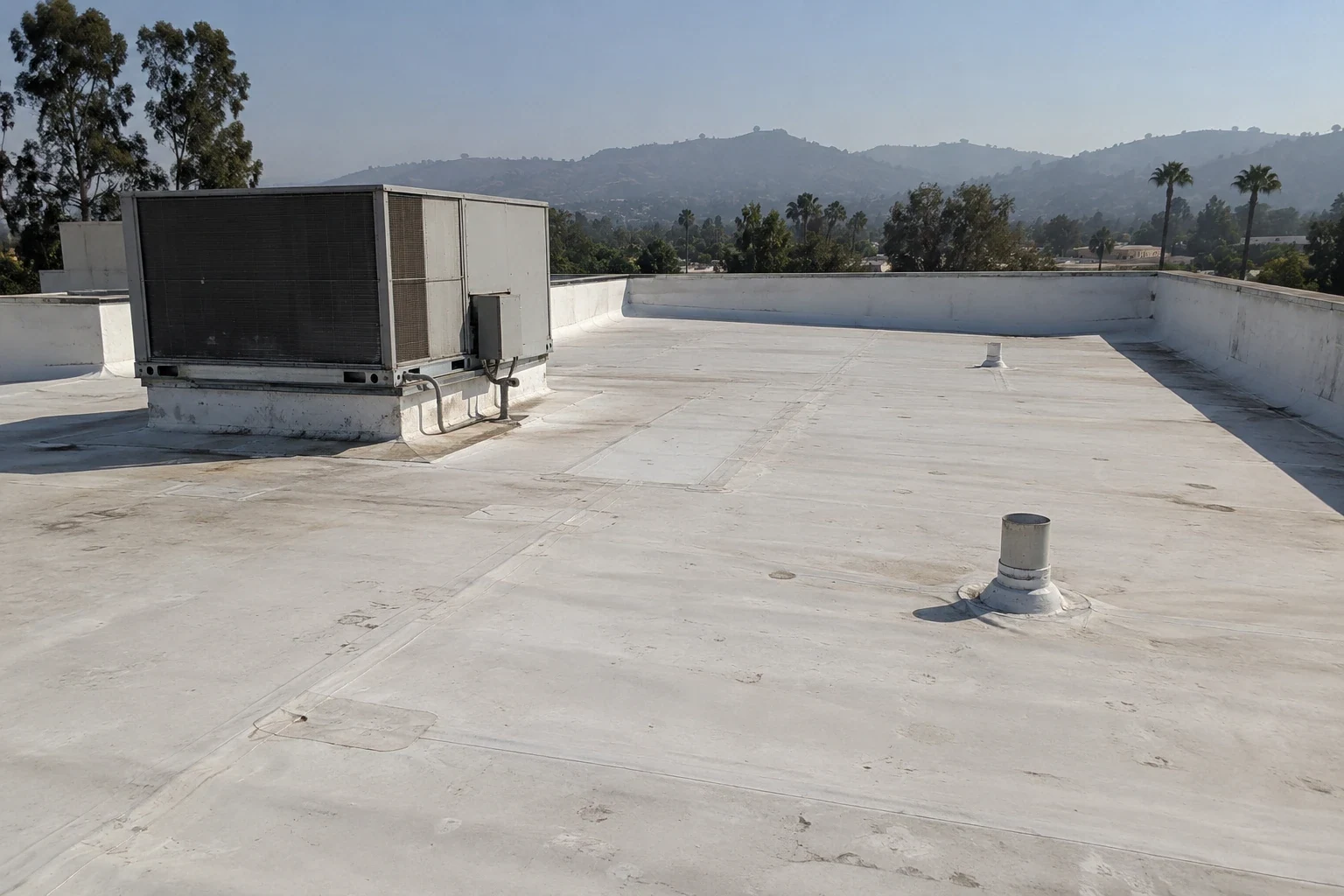
Modified bitumen is asphalt roofing reinforced and blended with rubber (SBS) or plastic (APP) modifiers, installed in rolled sheets that are torched, mopped, cold-applied or self-adhered. It is a tough, repairable roof and common on Temecula shopping centers and retail strips. Owners worried about summer heat often ask about a reflective cap sheet or coating, and that is worth discussing, but the proposal still has to name the actual SBS or APP system and the complete scope. On a shopping center roof, that means insulation repairs, flashing at walls and curbs and coordination with tenants' rooftop units, not just a sheet price. A Perris property, for example, may have an older mod-bit roof with years of patches over the original SBS or APP sheet. We identify the sheet type, seam condition and existing flashings before choosing compatible materials. At a Pala building, we confirm whether the job is a local repair, a recover or a full replacement, and we account for attachment and edge details in that choice. A reflective surface can help with heat, but it does not tell us whether new material will bond or whether the insulation is dry.
SBS and APP sheets are installed differently and have different accessories. The proposal should say which one is being used and how, rather than lumping every modified bitumen product together. A commercial roof inspection before choosing a system tells us what is on the roof now, what condition it is in and what still needs to be checked under the surface.
You should get a description of the complete installed roof: how the existing surface will be prepared, which sheets go down and which flashings and accessories are used. Johns Manville, for example, offers SBS systems installed with cold adhesive, which has its own requirements for the surface it goes over. That does not make cold adhesive the right method for every SBS or APP roof. Keeping the method specific makes the bids easier to compare, because you can see the preparation and parts each one includes.
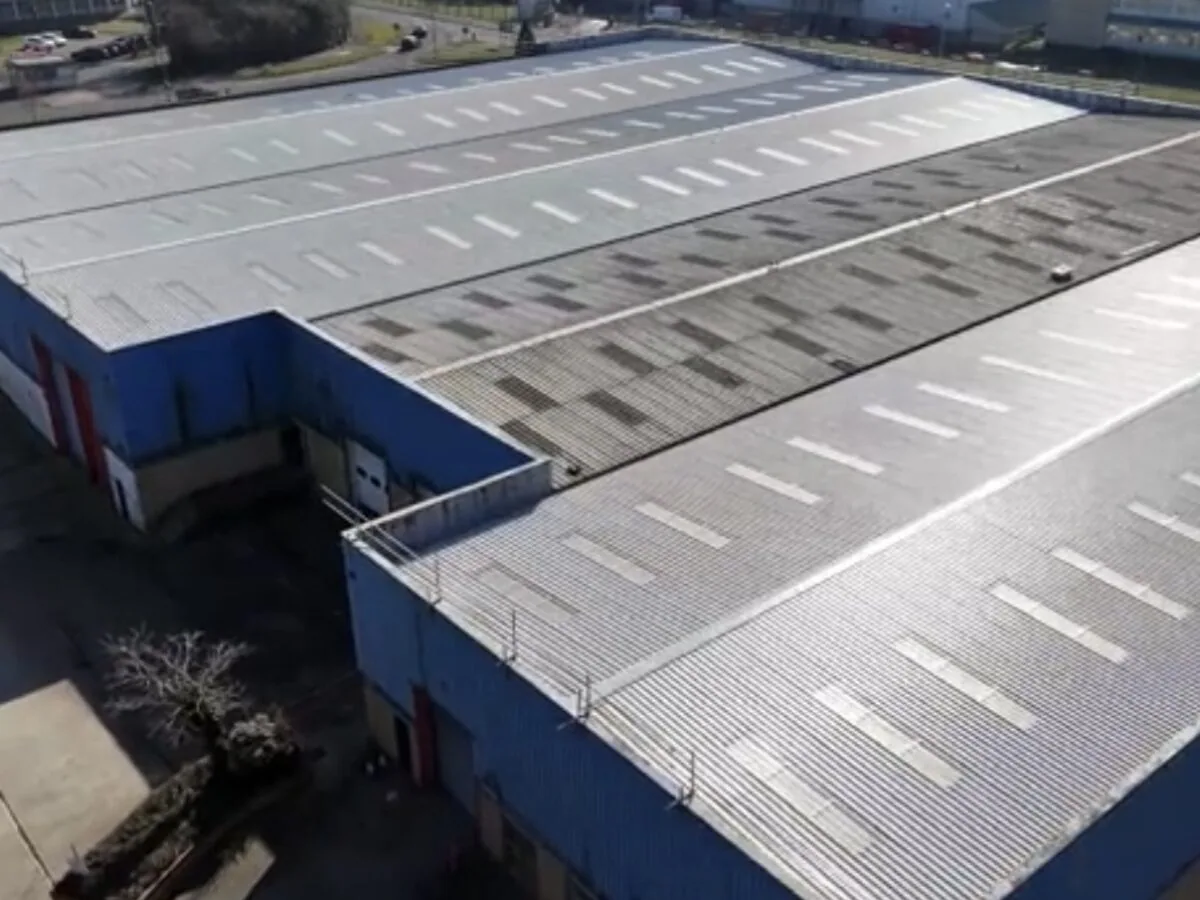
If existing layers are staying, we need good reason to believe they are sound. A roof can look continuous on top while the insulation is wet or loose, and old repairs can make it hard to know what new material will bond to. Where we find problems, roof insulation and cover board replacement is part of the modified bitumen scope, so the needed repairs are in the price rather than discovered later.
If tear-off uncovers more damage, we show you the area and the added quantity, get approval and keep the roof sealed while you decide. Compare bids on the same amount of insulation replacement, and keep areas we could not confirm clearly marked. A new cap sheet or a different adhesive does not make wet insulation go away. When bids include the same insulation work, the price difference shows you what each system really costs.
A modified bitumen roof is usually a base sheet plus a cap sheet, and the layers and flashings have to be planned together under the manufacturer's requirements. A built-up roof is a related asphalt system but uses multiple felt plies and hot asphalt, so it has its own layer count and detail work. The same roof area does not mean the same preparation, labor or accessories.
Compare bids to a finished roof that includes wall, drain and curb flashings, not just the field. If the existing surface needs extra preparation or a particular product changes how details are built, the proposal should say so instead of folding it into one number. That way any added cost reflects real work. The choice of system should follow the condition of the roof and the project requirements, with appearance a secondary consideration.
For a repair, we first identify the existing membrane and any past patches so we can pick compatible materials and preparation. A TPO roof is heat-welded and attached differently, so it cannot be treated as a direct substitute for modified bitumen. Keep the insulation repairs and the finished details the same when comparing the two.
Rooftop units or other trades may control when certain details can be finished, so that coordination is part of being ready to build. Tenant schedules, occupied spaces below and delivery access can add setup and protection time if work has to be split into several visits. A roll of cap sheet on the roof does not finish a blocked curb or fix wet insulation, and a completed section elsewhere does not mean that curb is done. A sensible schedule lines up the deck, the materials and the other trades so each detail can be finished properly.
When comparing proposals, ask each contractor to lay out the work in order: preparing the existing roof, the sheet system being installed, how seams and transitions are handled, and how the roof meets drains, edges and penetrations. The attachment method should be the one approved for that product on your roof. Where existing layers stay, ask what supports that decision and how hidden problems will be handled if tear-off reveals something different. That keeps the comparison about the full roof, not square footage or a product label.
For each modified bitumen project in Temecula, we confirm the roof area and the on-site contact before any inspection or work that affects occupied space. Projects in Old Town Temecula work the same way, with the scope based on that building's existing roof and the system chosen for it.
When the work is done, you get photos of the insulation repairs and finished flashings, plus a list of the products used and where. You will know which layers stayed, how much was replaced and any equipment or other-trade work still outstanding. If a warranty is offered, check its terms for your system and any later alterations before relying on it. This record gives future repair crews a clear reference point, and it keeps the question of a reflective surface separate from the repairs that keep the roof watertight.
SBS sheets are modified with rubber and stay flexible; they can be torched, mopped, cold-applied or self-adhered. APP sheets are modified with plastic and are usually torch-applied. The proposal should name the system, the installation method and the preparation and accessories it needs.
No. Cold-applied SBS systems work well in the right conditions, but each product has its own requirements for the surface underneath. The method should match the specific product and your existing roof.
We check for wet or damaged insulation with moisture scans and core samples and replace what has failed. If tear-off reveals more damage, we show you the area and get your approval before doing the extra work.
Compare them with the same insulation repairs and the same finished flashings, then look at the differences in layers, installation and accessories. Both should include equipment shutdowns and scheduling so the price difference reflects the full job.
Send us any records on the existing roof and the problems you are seeing. We will inspect it and explain modified bitumen options with insulation, flashing and preparation included, plus an alternative system where it makes sense.
Request a Roof Assessment