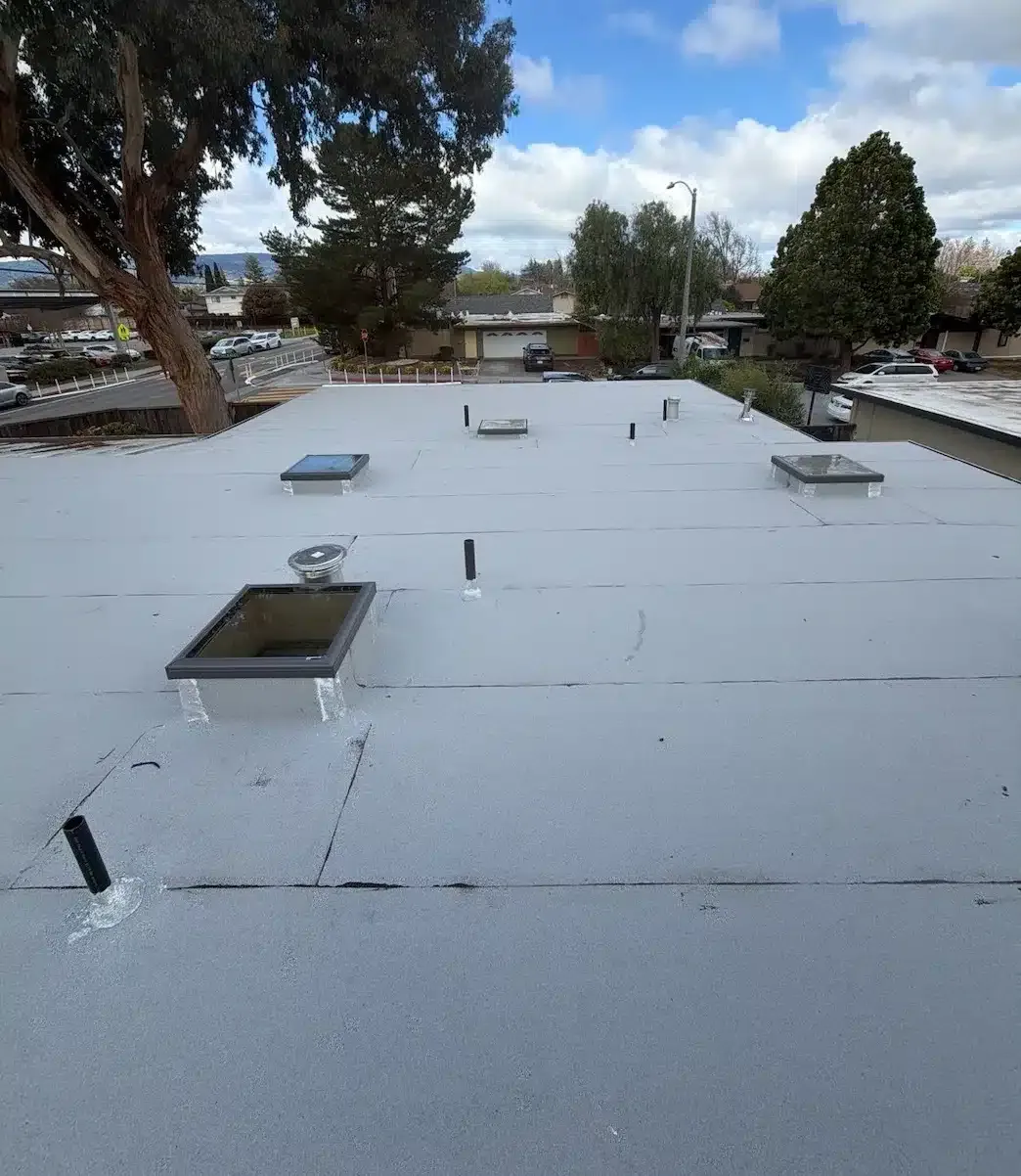
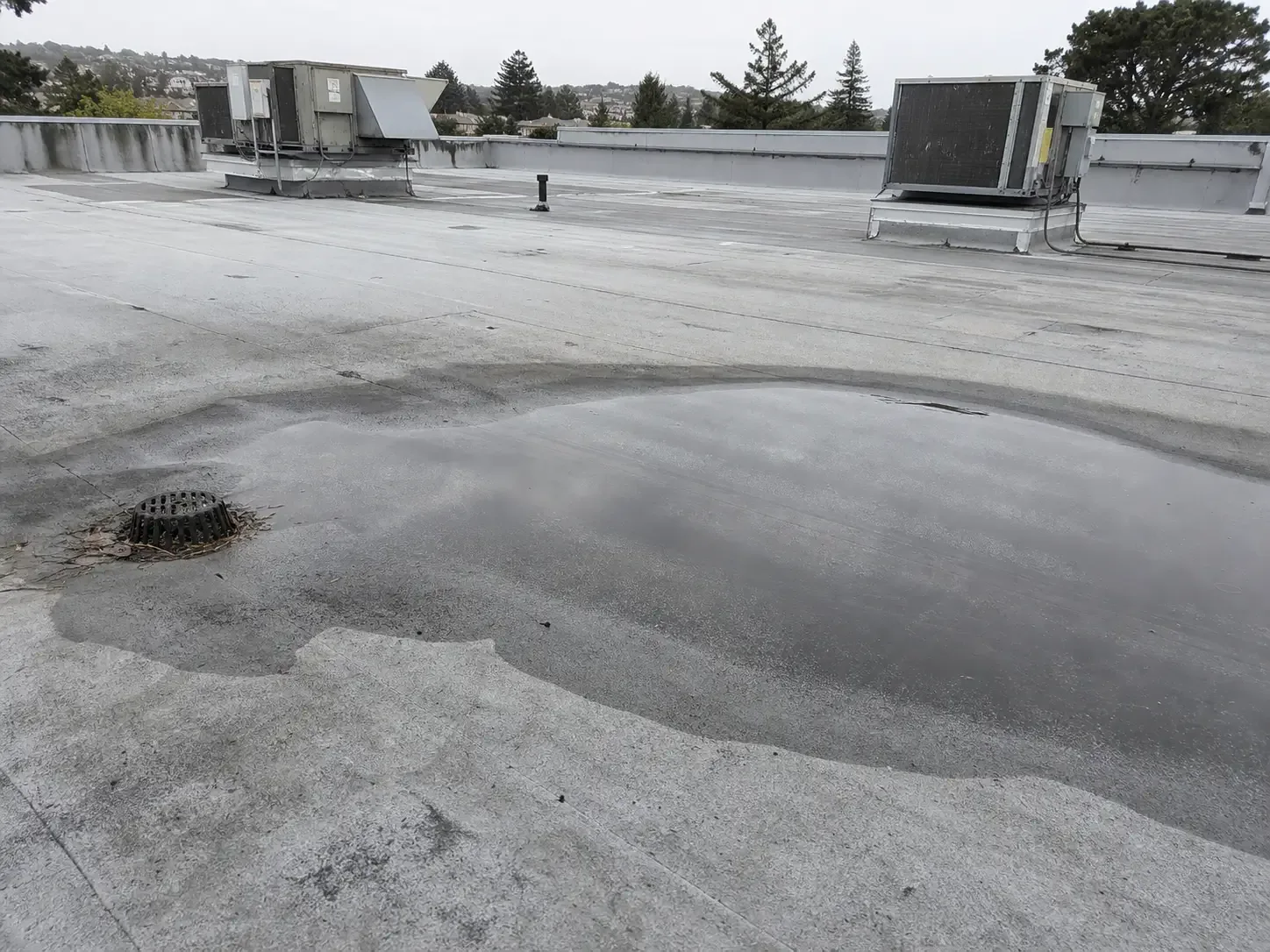
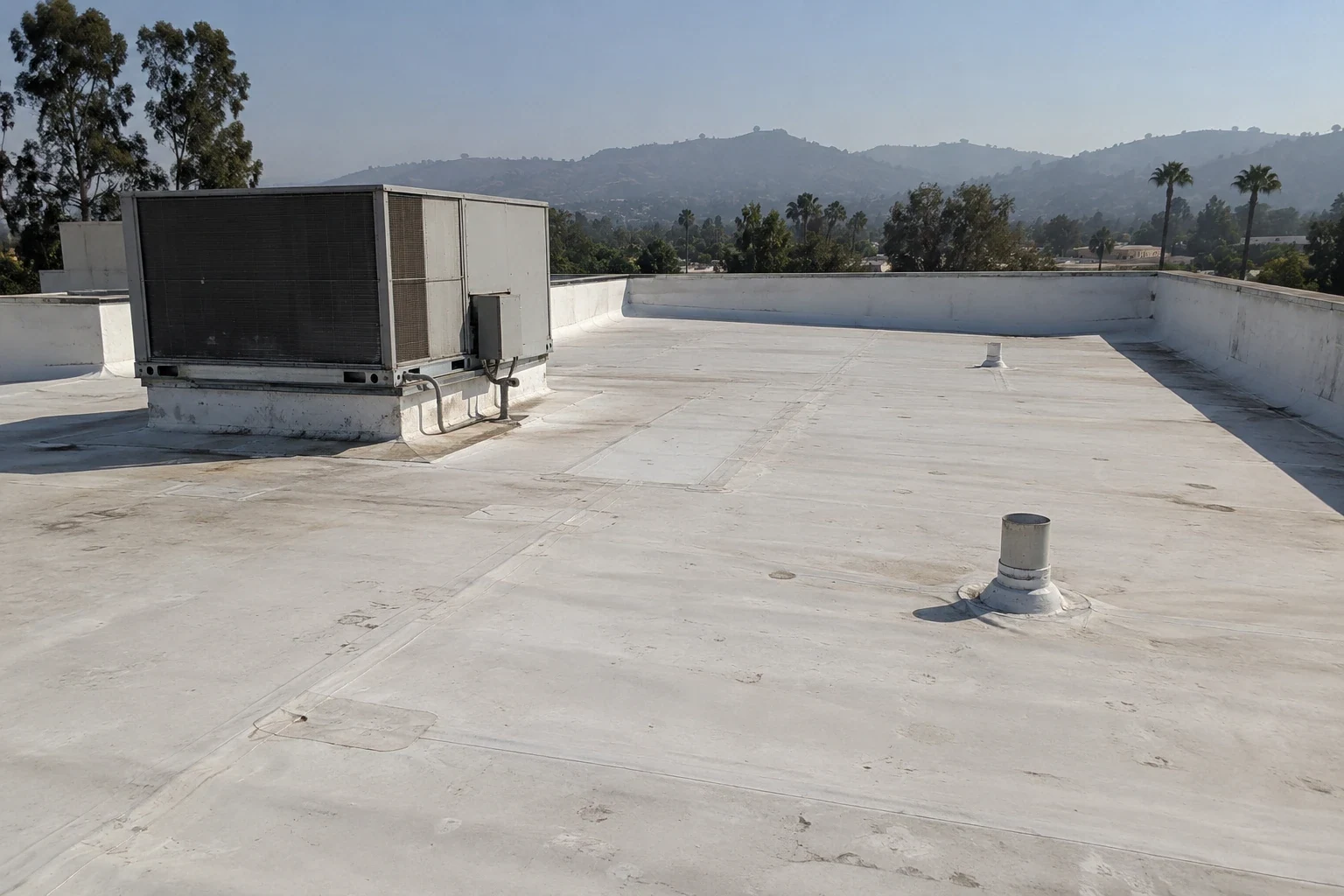
In a busy Temecula office, summer heat might be why you are thinking about a new roof surface, but a drip that keeps coming back needs its source found before anyone prices a permanent repair. For commercial roof leak repair in Temecula, CA, we compare when and where the leak shows up with the seams, flashings and HVAC connections we can reach on the roof, and we do not assume the ceiling stain marks the hole. An office leak investigation also has to plan for protected access and checks of the insulation alongside the actual repair. The order of work follows the path the water takes, because a new roof surface does not dry out wet insulation or fix a leak coming from an HVAC unit. Buildings near Lakeland Village or Murrieta each get their own inspection and access sign-off. We compare where and when you see the drip with the roof details we can inspect, and keep roof problems separate from equipment problems. Hidden wet insulation may need a core sample before we know how much has to come out. The recommendation follows what the investigation answered and what work is needed to fix that specific leak.
Water often travels along the deck or insulation before it drips, so the stain can be well away from where it got in. When it leaks and where it shows up are useful clues, not a repair map. We check the seams, unit flashings and nearby details against what you are seeing inside, and separate roof leaks from sources another trade needs to look at, such as a condensate line. Patching a convenient spot on the surface can leave the real entry point untouched. The repair recommendation names the specific detail we are fixing before insulation and material quantities are set.
A roof inspection matched to when it leaks should answer where the water gets in and what it has soaked. We note any areas we could not reach, and check records for the existing roof when we are not sure what material it is. A big ceiling stain does not mean all the insulation above it is wet, and a membrane that looks intact does not prove the layers below are dry. Cores or test cuts settle whether material stays or goes, so the quantities on the estimate rest on what we confirmed, not just the stain.

Water that gets in at a seam or flashing can soak insulation well past the visible hole, so we confirm how far it spread before a patch outline turns into a tear-out number. Suspected wet areas are kept separate from areas we know are bad, and the price includes tear-out, disposal and matching replacement along with the roof repair itself. If the quantity changes once the roof is open, you review and approve it, and the roof stays protected while that happens. The repair should reach dry, solid material all around the leak, and any open questions about hidden layers stay written down.
A permanent repair after the leak is traced needs the existing material and the shape of the detail confirmed first. We match the prep to the roofing around the opening, and check what any old patch is made of when the new repair has to bond to it. A small visible defect does not tell you the full tear-out area, and one well-sealed seam does not prove the rest of the roof is dry. The repair and the parts it uses are tied to the specific leak we are fixing.
An old patch can make it hard to tell what membrane is underneath, and that matters because new material has to be compatible before you buy it. We identify the existing membrane and how the detail is built, and check the manufacturer's requirements for the repair. Prepping the insulation and deck is a separate question from testing the seams, and we handle both. A new flashing kit does not help if the HVAC unit is blocking the detail, and it does not prove the hidden layers are dry. The repair is chosen to make a complete, compatible connection, not another strip of patch material picked because it looks right.
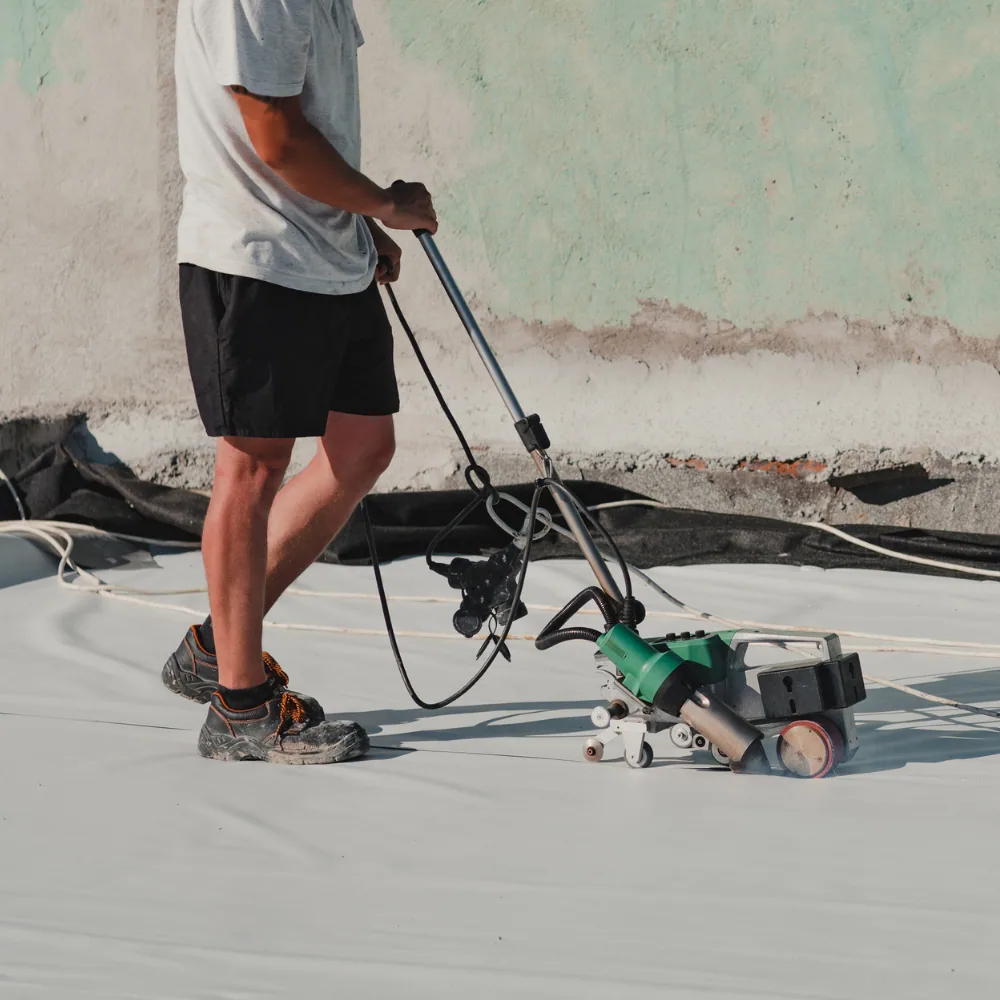
A PVC repair option has its own membrane and flashing accessory requirements. A TPO repair alternative for the leak area needs its own parts and prep spelled out. Two patches the same size do not take the same labor, so the insulation repair and where the work stops should be the same in every option. A fair comparison shows exactly what each option fixes, without assuming everything in the same membrane family works together.
If the leak is at an HVAC unit, the mechanical contractor may need to move or disconnect it before we can reach the insulation and rebuild the flashing. That timing becomes part of the repair plan. We keep the HVAC contractor's work separate from ours and list the prep and parts needed to finish the roof detail. You should see the material route, the rooms affected and how the roof will be sealed each day next to the repair price, because separate visits for each trade mean more setups. Work starts when both the roof prep and the equipment move are scheduled.
An occupied-building repair plan after the leak is found keeps details we cannot reach yet separate from work finished elsewhere. We talk through your tenants' restrictions before the schedule depends on them, and keep the roof protected while we review any new findings about wet insulation. A temporary seal is not the finished repair, and equipment work outside the roof stays assigned to the trade responsible for it. That lets you see what each leak point really takes to fix, instead of assuming progress on the open roof means every leak is solved.
Water can travel a long way from where it gets in before it shows up inside. We compare when it leaks and where you see it with the nearby seams, penetrations and drains, then explain what supports the repair area we chose. If you have a second leak reported in Old Town Temecula, we trace that roof on its own. Requests around Old Town Temecula leak calls follow the same approach: we fix what we can confirm and list any unexplained paths separately. The record makes clear which part of the roof we fixed.
We keep a record of where and when the leak showed up, what we found, how we fixed it and what we installed, with photos tying it together. Any follow-up checks we agreed on are noted at that detail, and roof areas we did not inspect are not covered by our findings. If your roof has a warranty, its repair and alteration rules should be checked against the work we did, and any open items next to the repair are kept for later. You get a clear account of what was fixed and what is still open, so if water shows up again, you can tell right away whether it is the same leak or a new one.
When and where the leak shows up, compared with the possible entry points we can check on the roof. If an HVAC unit or another trade may be involved, we note it separately. The repair is then sized to the detail we confirmed, not to the size of the ceiling stain.
No. A drip tells you water got in, not how far it spread. We use cores or test cuts to find wet insulation, keep suspected areas separate from confirmed ones, and include tear-out, disposal and replacement in the price. If more turns up, you approve the change before we proceed, and the roof stays protected.
We identify the existing membrane, any old patches and how the detail is built before ordering parts. The repair materials have to match the manufacturer's requirements for your roof. One well-sealed seam does not prove the rest of the roof is dry, so we check the insulation separately.
Keep the leak report, what we found, where we repaired it and the photos. If water shows up again, compare it with that record. That quickly tells you whether it is the same detail, a different roof area or an HVAC issue the mechanical contractor needs to handle.
Tell us where and when the roof is leaking and send any roof records you have. We will check the roof details we can reach and explain the repair, including any wet insulation that needs to come out.
Request a Roof Assessment