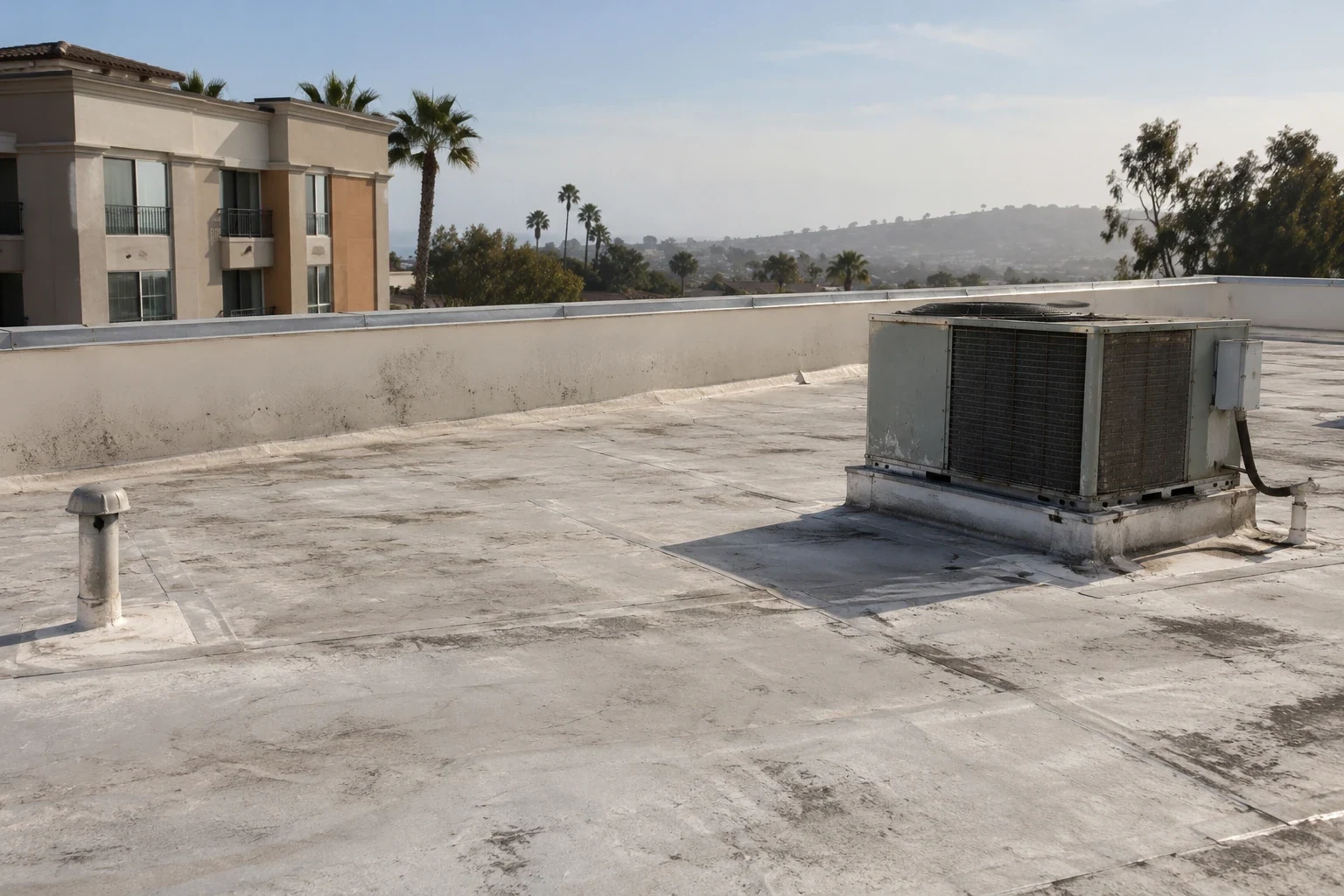
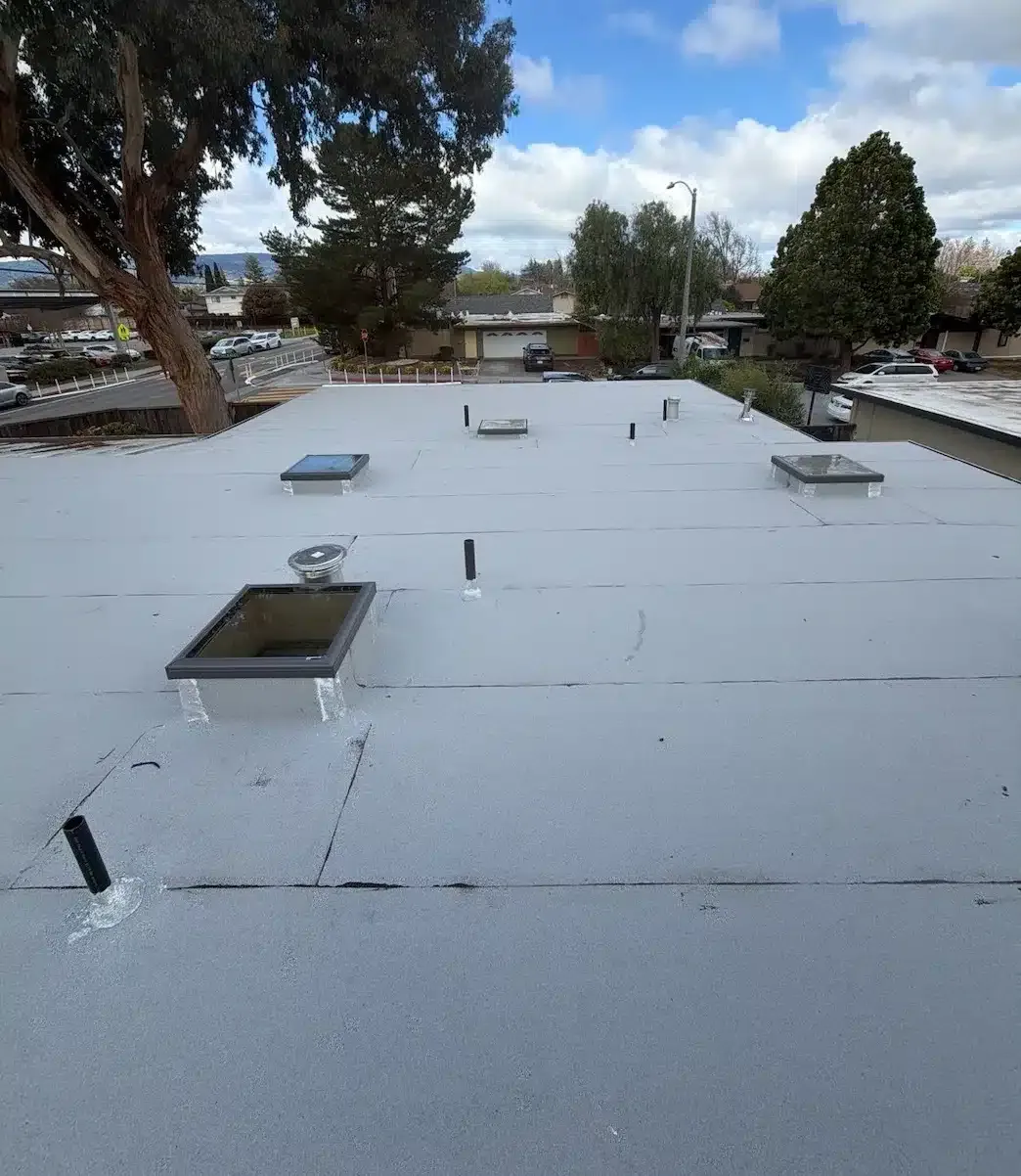
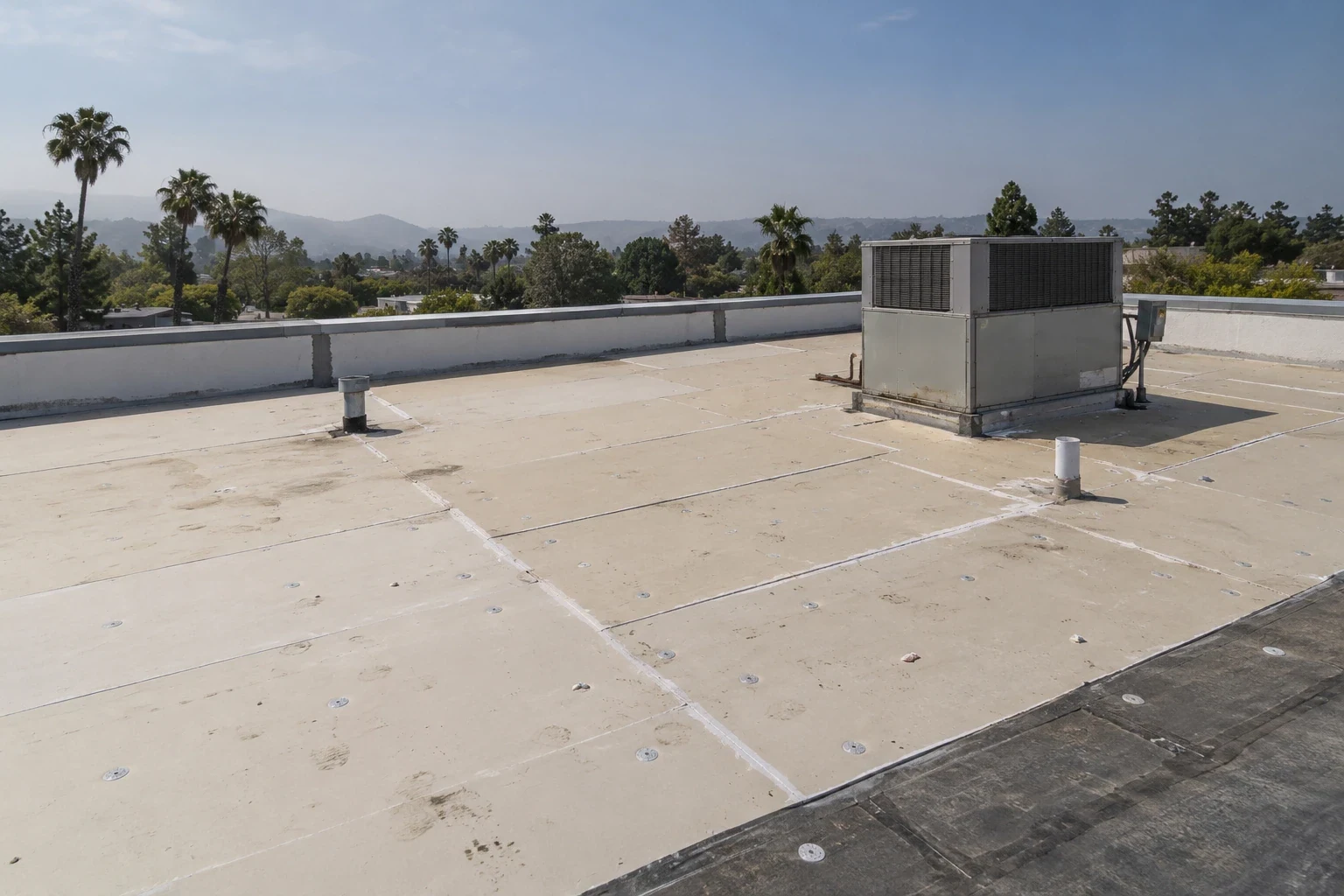
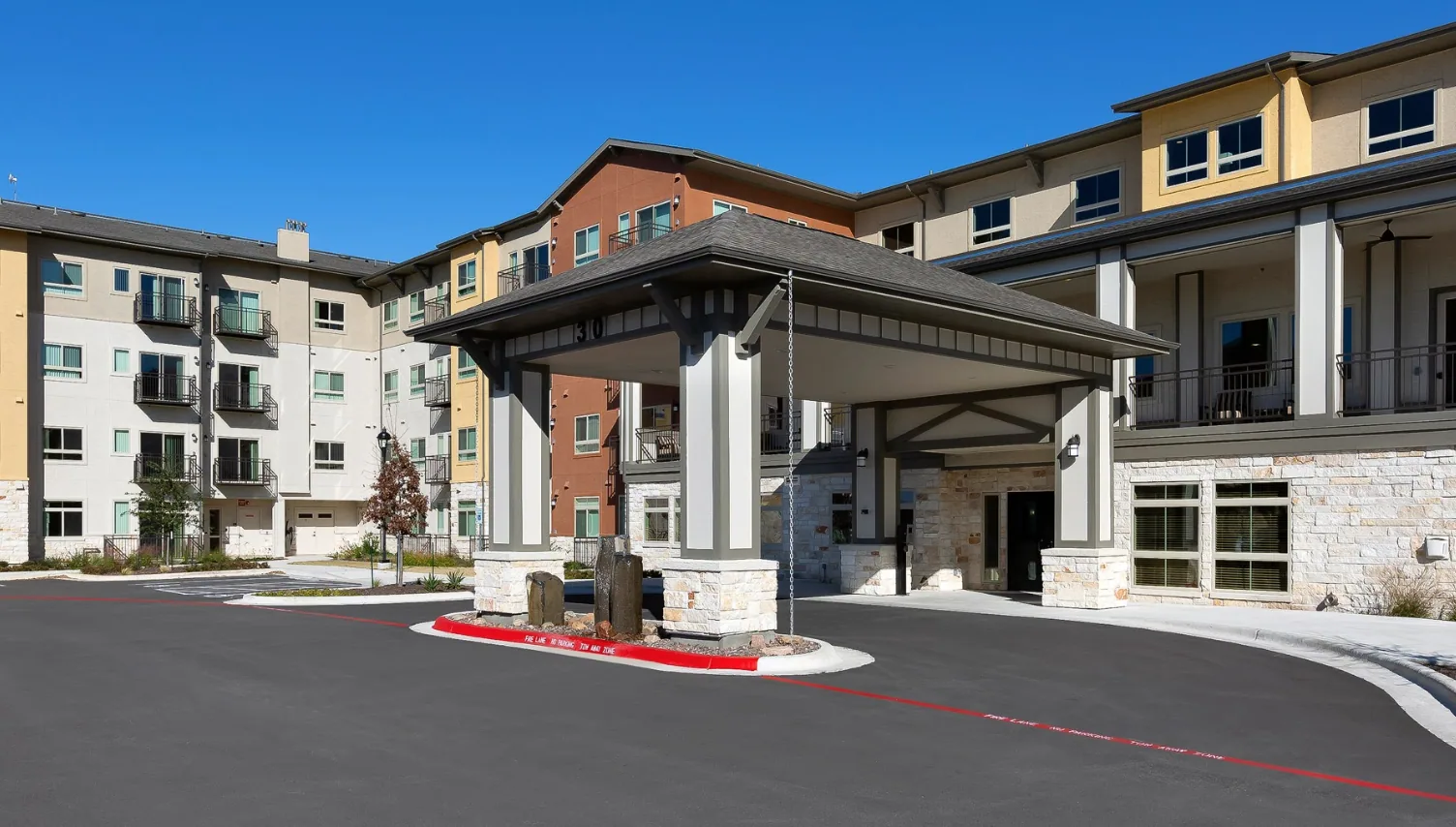
An occupied Temecula hotel may be eyeing a cooler roof surface because of the summer heat, but replacing the roof while guests are in the building means the construction and the building's operations have to be planned together. Occupied building reroofing in Temecula, CA, sets out each roof section, the insulation it needs and its flashing details alongside the building's actual limits on disruption. A hotel occupied reroofing plan should include room access, HVAC responsibilities and material handling in every option, so a low membrane price does not hide the work needed to keep an open roof under control. We size each work section so it can be torn off, protected and closed up within the hours the building agrees to. Interior protection is coordinated with your building contact, and deliveries are timed so material handling does not get in the way of guests or staff. A separate roof in Winchester gets its own phasing plan. Your operating requirements should come from you, alongside our findings, rather than being guessed from the type of building. Reroofing options can then be compared on real protection needs and finished details, with the choice of a new surface kept separate from the insulation and disruption questions that have to be settled first.
Before the roof scope relies on access, the building needs to tell us which rooms are affected, which equipment serves them and who can approve shutting them down. We map delivery routes and spots where crane or lift work touches entrances or storefronts, and plan those alongside the work area. A roof inspection for an occupied building places what we find inside those limits, rather than assuming that reaching one detail means the whole roof is ready to open.
It helps to separate hard limits from preferences that can be weighed across options. Different room releases or HVAC shutdown windows change handling and how many times crews set up, so they belong in the cost discussion. Calling it an occupied building does not set a safe work method or tell you how much disruption to expect. The proposal needs the actual people involved and the actual roof conditions, with details we cannot yet reach listed separately from areas we can prepare under your rules.

Tearing off the roof can uncover wet or damaged insulation that changes the job, so the review and approval process for hidden damage should be agreed before we start. Findings and revised quantities are tied to their location on the roof, with replacement and same-day sealing handled together. Insulation and cover board replacement during occupied reroofing follows that approach, because a fixed membrane quantity cannot settle every hidden layer in advance.
You should know how an insulation review will affect the open section and the protection needed in the rooms below. Tear-off stays within the approved work area, and unknown conditions get checked rather than assumed sound. Compare proposals that handle extra work the same way, so one does not look cheaper just because it leaves hidden repairs unpriced. A good decision ties the needed insulation work to the same finished details and the same responsibilities for occupied spaces.
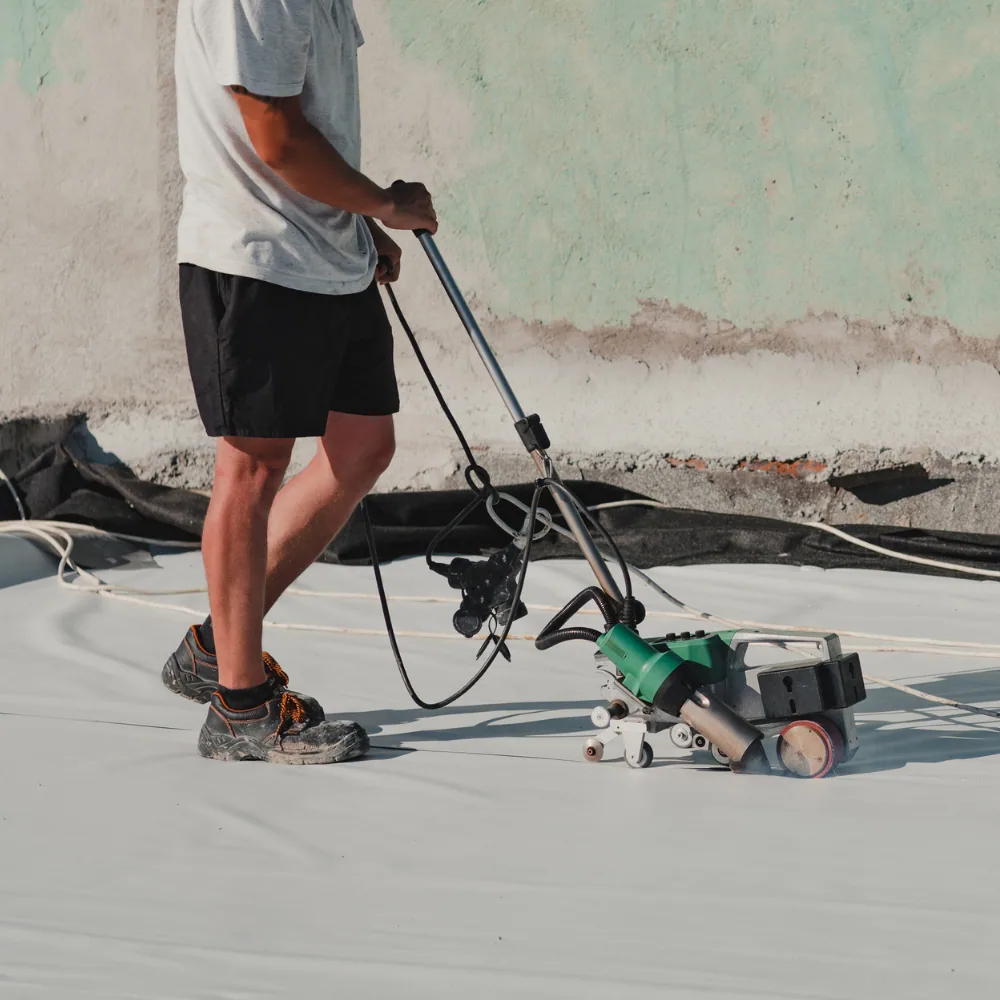
Each roof section should be defined by its finished details as well as its square footage, especially where drains, walls and rooftop units have to be closed up. A PVC section on an occupied reroof needs its flashing accessories and insulation planned together, with the product requirements confirmed before ordering. Membrane on hand cannot finish a curb if the HVAC unit still has not been moved, so those tasks need to be lined up before the section is scheduled.
When temporary protection is needed, it stays clearly separate from the finished membrane and flashings rather than being treated as done. You should see how each section ties into the roof around it and which details are waiting on someone else. That makes the comparison practical, because each section ends at a finished detail, not just at square footage installed somewhere on the roof. Different membranes should be compared with all their detail and prep requirements, and their products and labor kept separate where they are not interchangeable.
HVAC work, interior access or other trades can control when roofing can proceed, so the right people need to agree on those steps before a work window is counted on. A senior living occupied reroof follows the operator's own requirements for the equipment serving residents, with clear responsibility for getting that equipment back on whenever another trade shuts it down.
Material deliveries and dumpsters need real staging plans, especially when restrictions mean crews move between separately approved areas. Those setup and protection costs belong in the full option price, not as surprise additions to the membrane cost. You can then choose a sequence based on when work can truly happen, with insulation, flashing parts and approvals all visible together. A preferred start date or a delivered membrane does not mean every occupied area is ready to open or that another trade has finished.
We turn your operating limits into clear section approvals: where crews can stage, which paths stay open, who can approve a disruption and how the day's tie-in is sealed if work stops. Noisy or disruptive tasks are scheduled with your building contact before they are assigned to a phase, and the agreed notice and access steps go into the project schedule. Every day ends with the open area sealed against weather and a note of what needs inspecting before the next area opens. That lets you track how occupied-space needs line up with the roofing sequence without relying on informal agreements in the field.
For an occupied reroof in Temecula, we confirm the building section and the building contact before access rules shape the tear-off plan. Requests around Old Town Temecula occupied roof replacements follow the same approach, with the roof and approvals recorded next to our findings, so the work sequence fits that building and its operator.
You get photos of the insulation repairs and finished details for each section, with any HVAC or other trade items still open clearly listed. A maintenance plan after the reroof can then compare future concerns with those locations and installed materials. If a warranty is offered, its terms and the installed system should be reviewed, with the operating restrictions kept on record next to the roofing work. The closeout ties the order of work you chose to the finished details and lists any work still waiting on someone else.
Which rooms are affected, which equipment serves them and who can approve shutting them down, along with delivery routes and disruption limits. With that alongside our findings, the proposal compares full roofing options that fit your building's rules rather than guessing from the type of building.
A section that ends at finished flashing details, with sound insulation and any needed HVAC or other trade work lined up. Ask for the detail end points and who handles the daily seal, because square footage alone does not show whether a section can be finished while the building stays open.
We record what we found and the quantity, get your approval and replace it, while keeping the roof sealed. The rooms below stay protected during the review, so the extra work is part of a clear, priced repair rather than a surprise left open on the roof.
No honest contractor can. The work sequence and approvals come from the building's actual requirements and the roof itself. We spell out equipment shutdowns, protection and restart responsibilities, and compare options within those limits instead of promising zero disruption.
Send us any roof records, the rooms and spaces affected and any HVAC limits you know about. We will inspect the roof and explain reroofing options with complete details and a section plan built around your building.
Request a Roof Assessment