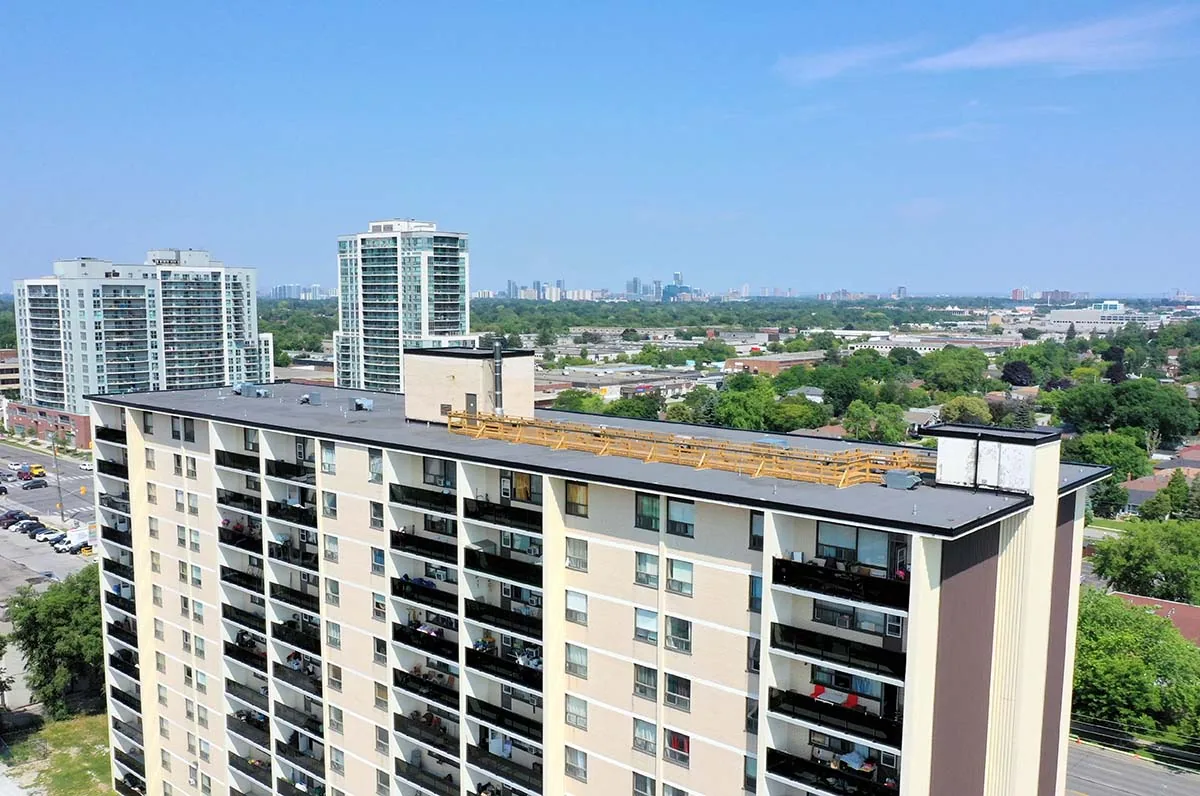
Summer heat matters at a Temecula senior living community, and a cool roof deserves a building-by-building look. But a split seam in the field of the roof needs a sound repair before an optional reflective upgrade goes to the top of the list. A reflective surface can reduce the sunlight a roof absorbs and the heat passing into resident rooms, depending on the product and the building. We inspect the seam and the backing around it, and compare that with where leaks are being reported, before recommending what to do first. You should know what makes the repair last and what resident protections need to be in place before the roof is opened, without assuming a new surface will improve comfort or care.
Roof records help us find the failed seam, nearby curbs and drains. A roof that looks fine on top does not prove every hidden layer can stay, so we test wherever keeping the old roof depends on it. Care and facility staff decide protection and access for the resident and service areas under the work. Clinical and equipment decisions stay with their teams. We tie those steps to the right roofing materials, so you get a clear repair area and work plan alongside the bigger question of repairing or replacing the roof.
Opening the roof along a failed seam can affect rooms beyond the one that reported the leak, so the care and living layout is part of the prep. Roofing over occupied buildings lays out the roof openings, lifts and debris routes for staff to review. They decide protection and access for the affected areas, and clinical and equipment work stays with those teams. We include patching and any equipment steps in the plan before a work period is approved. The comparison then includes the handling needed to reach sound roofing, not just the materials installed above the rooms.
If more bad backing turns up, another resident area may be under the opening, which changes both the prep and the care-area review. We explain the larger area before opening more roof and install a temporary seal if another trade needs its own visit. We respond to urgent senior living roof leaks on holidays, at night and on weekends, with access arranged through the community's contact. If water reaches electrical equipment, a qualified electrician should check it. Our records keep temporary seals separate from the backing work still needed before the seam repair is finished.
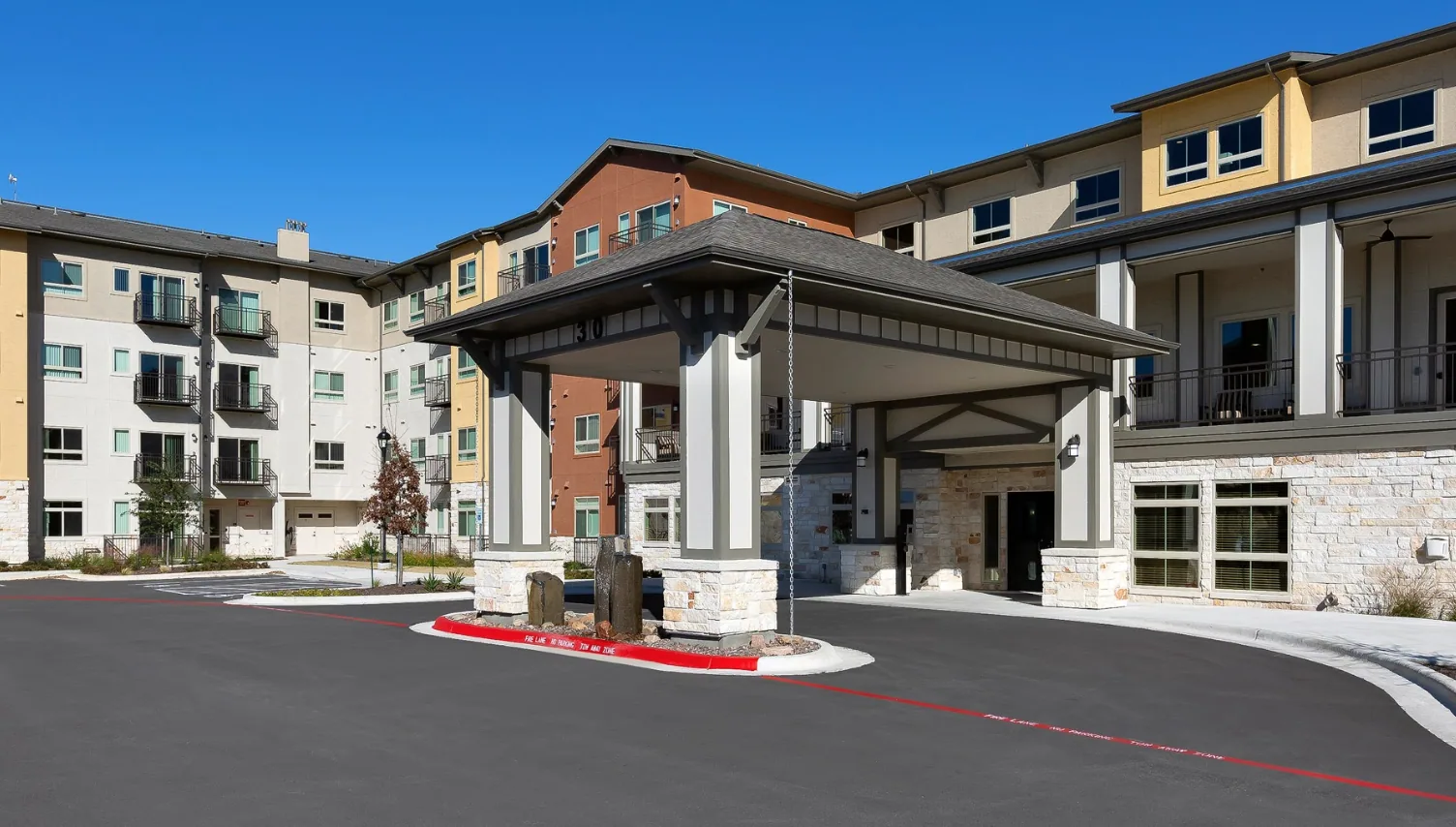
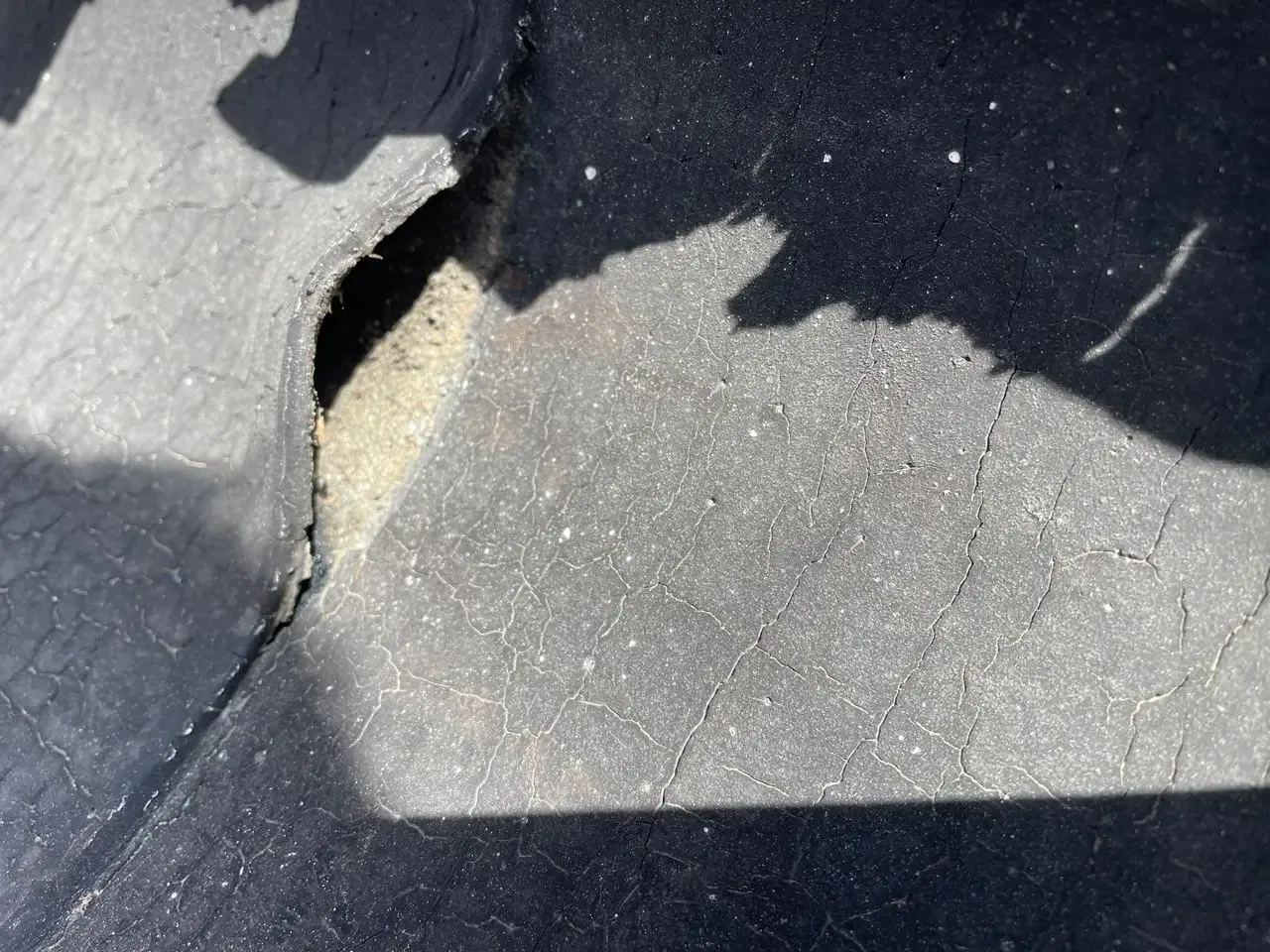
A visible seam split can extend into dirty or damaged membrane beyond the open edge, so deciding where the repair stops is a materials question. Seam failure repair checks the surrounding membrane and the backing needed for a permanent seal. TPO and PVC have to be clean enough to weld, while other systems need their own prep and compatible method. We replace material that cleaning alone cannot make sound. That work is part of the repair price, so you get a complete seam repair instead of another layer over bad membrane.
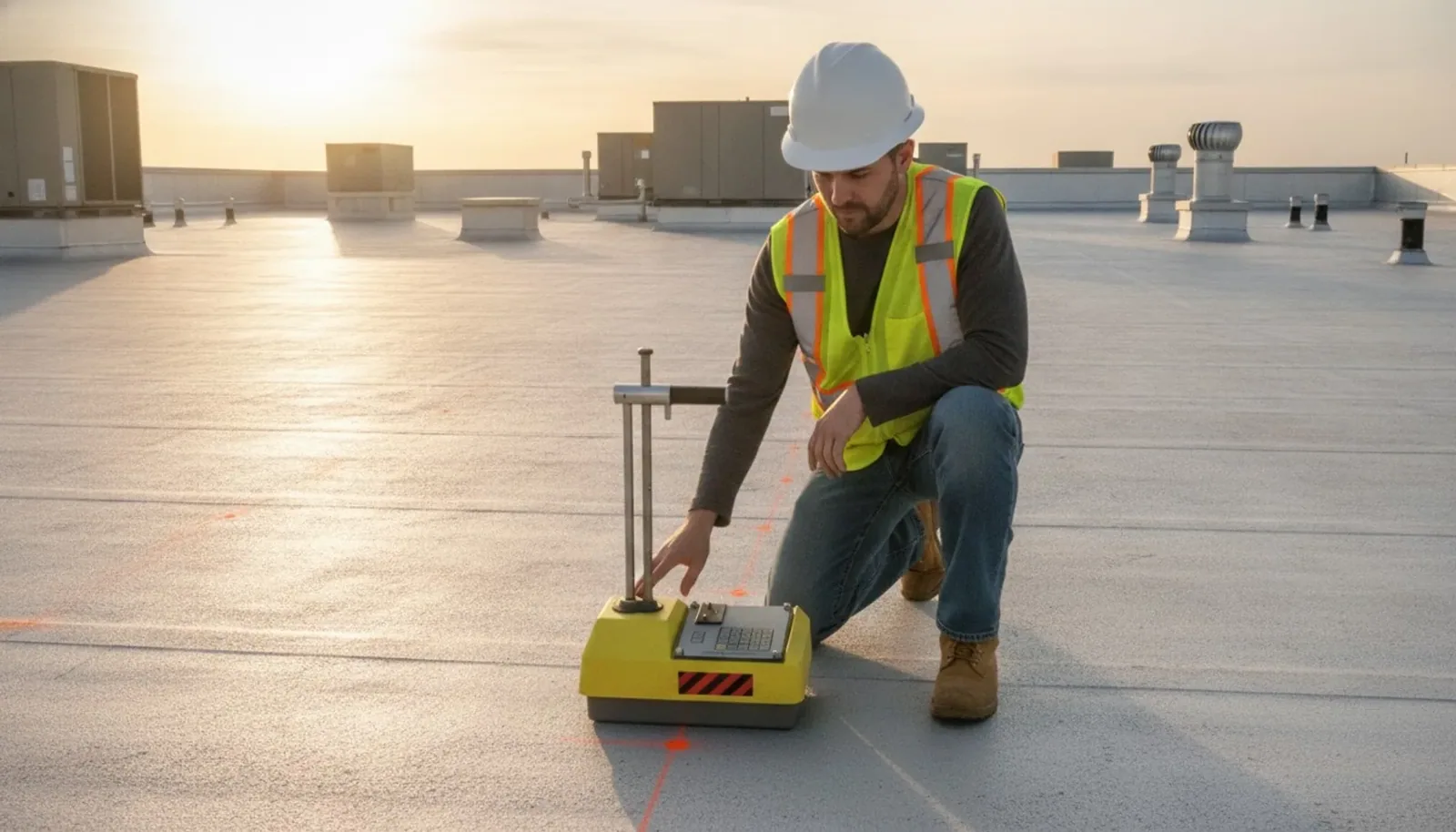
Wet or damaged insulation under the seam can mean a different tear-off area than the surface suggests. An infrared moisture survey is read against the roof build-up and survey conditions before it guides the repair. Core cuts confirm the readings where keeping the old roof depends on them, and every cut is patched with resident areas protected. Structural questions go to the right professional. We explain how each finding changes a local repair or larger work, and the rest of the roof is judged on its own instead of assuming every similar area needs replacing.
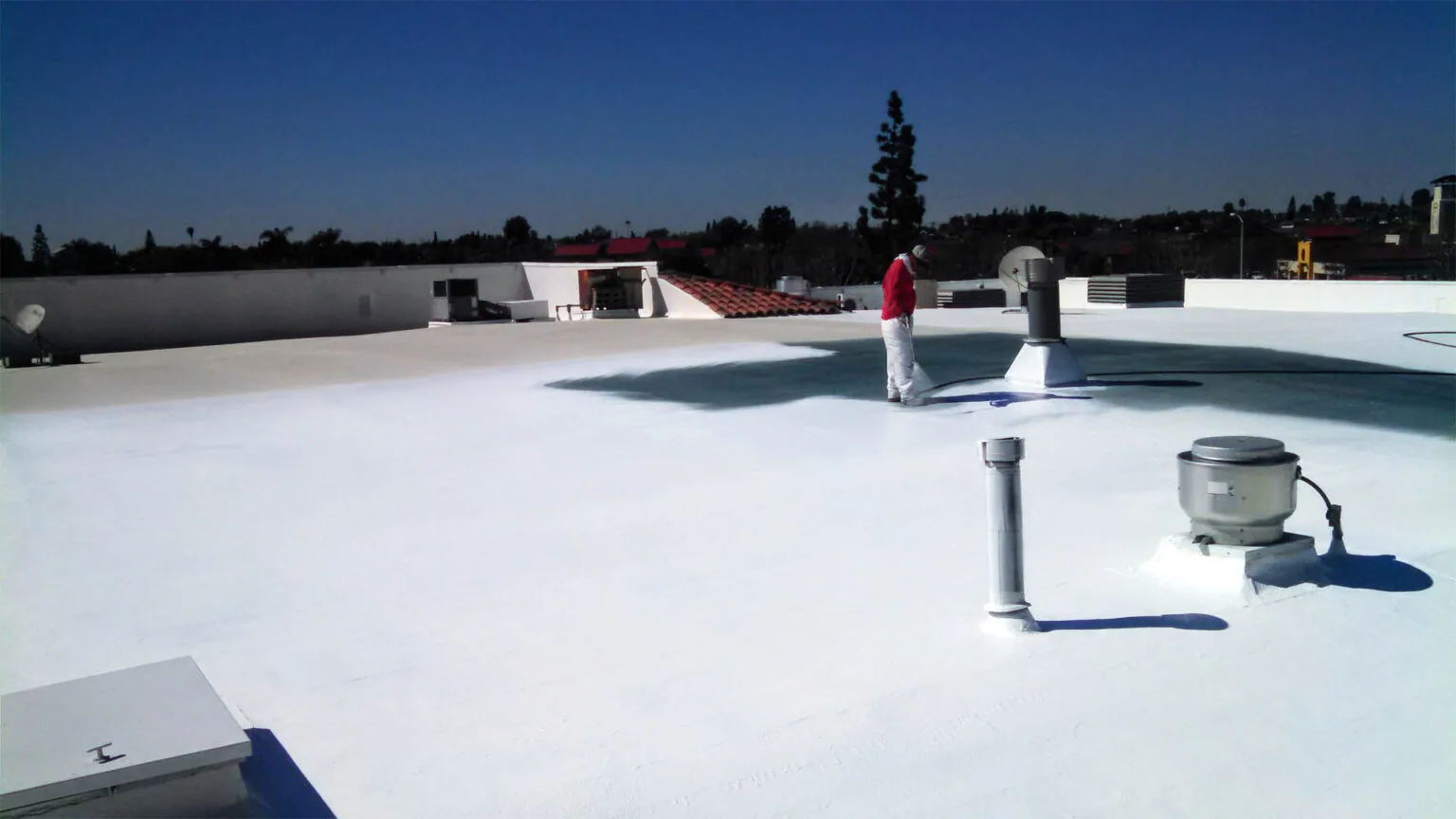
A reflective roof needs the existing roof to be in shape for it, including the repaired seam and the other details that stay. A cool roof plan compares compatible materials and prep before you commit. Energy and HVAC specialists review the building's savings, while we check the membrane and clearances at each detail. A thicker system may change the height at curbs or drains, which needs prep before the new surface can go on. That work belongs in the comparison when you weigh the heat goal against complete options.
Keeping the existing roof can make sense where the layers are sound and the details can be finished properly. Where testing confirms bad backing, a tear-off may be the better choice in that area. We describe what has to be rebuilt either way and the protection needed under each opening. The plan should separate the urgent seam repair from an optional roof-wide upgrade, while both include the prep that makes a permanent repair possible. Your ten-year plan then starts with a clear reason for each priority, not a general recommendation that leaves backing, clearances or resident protections unresolved.
For a senior living roofing project in Moreno Valley, we match the work period to the community's rules and the repair we find. A building in Aguanga is assessed on its own before a crew is scheduled. We inspect the membrane and backing before choosing how far the seam repair goes or whether a roof-wide option fits. Care and facility staff review the areas affected by the roof opening and material handling. The recommendation keeps those requirements tied to that specific building, so the owner has a clear task to budget for.
For senior living in Moreno Valley, we set the roof phase with the facility contact so resident areas and service routes stay protected. A building in Aguanga has its own access and conditions, and we assess those before carrying over any schedule or price. We check the seam material and test the hidden layers where keeping them changes the method. Equipment and design decisions stay with the right professionals. Then you can weigh the heat concern against compatible roof options while keeping the seam repair and resident protections needed for good results, instead of assuming conditions based on a nearby building.
An apartment building may need different resident protection under a similar seam repair, so it gets its own plan. Apartment roofing plans around residents and property managers. Medical office roofing plans around patient rooms and clinical staff. We compare senior living options using the seam and the roofing we actually inspected here. A similar care or residential building cannot tell us whether this roof's backing is sound or when work can happen, so each repair stays tied to its own building and resident plan.
Final photos should show the finished seam repair and the sound roofing around it. Temporary seals stay clearly separate from finished roofing, and any open equipment, design or backing items are listed on their own. Later leak reports from inside can be compared with that exact seam and repair area. A roof-wide cool roof proposal gets its own compatibility and building review before the next capital decision. Future spending then goes to work that is finished or a specific item still open, without assuming any comfort or care outcome.
Out to sound membrane and backing that will hold a permanent seal. Where dirt or damaged backing prevents a good bond, we remove it, and we test the hidden layers wherever keeping them depends on the result.
We show staff the added rooms and material routes before opening more roof. Care and facility staff review protection and access, and clinical and equipment decisions stay with their own teams.
Yes. The seam, the backing and the details at curbs and drains have to be sound before a new surface goes on, or the upgrade will cover problems that still need fixing.
Photos of the finished seam repair and the roofing around it, plus a separate list of temporary seals and open equipment or backing items. The next budget can then go straight to what is still open.
Tell us about the heat concerns, which rooms are affected and how care areas are laid out. We will inspect the roof and compare the seam repair with cool roof options, planned around your residents.
Request a Roof Assessment