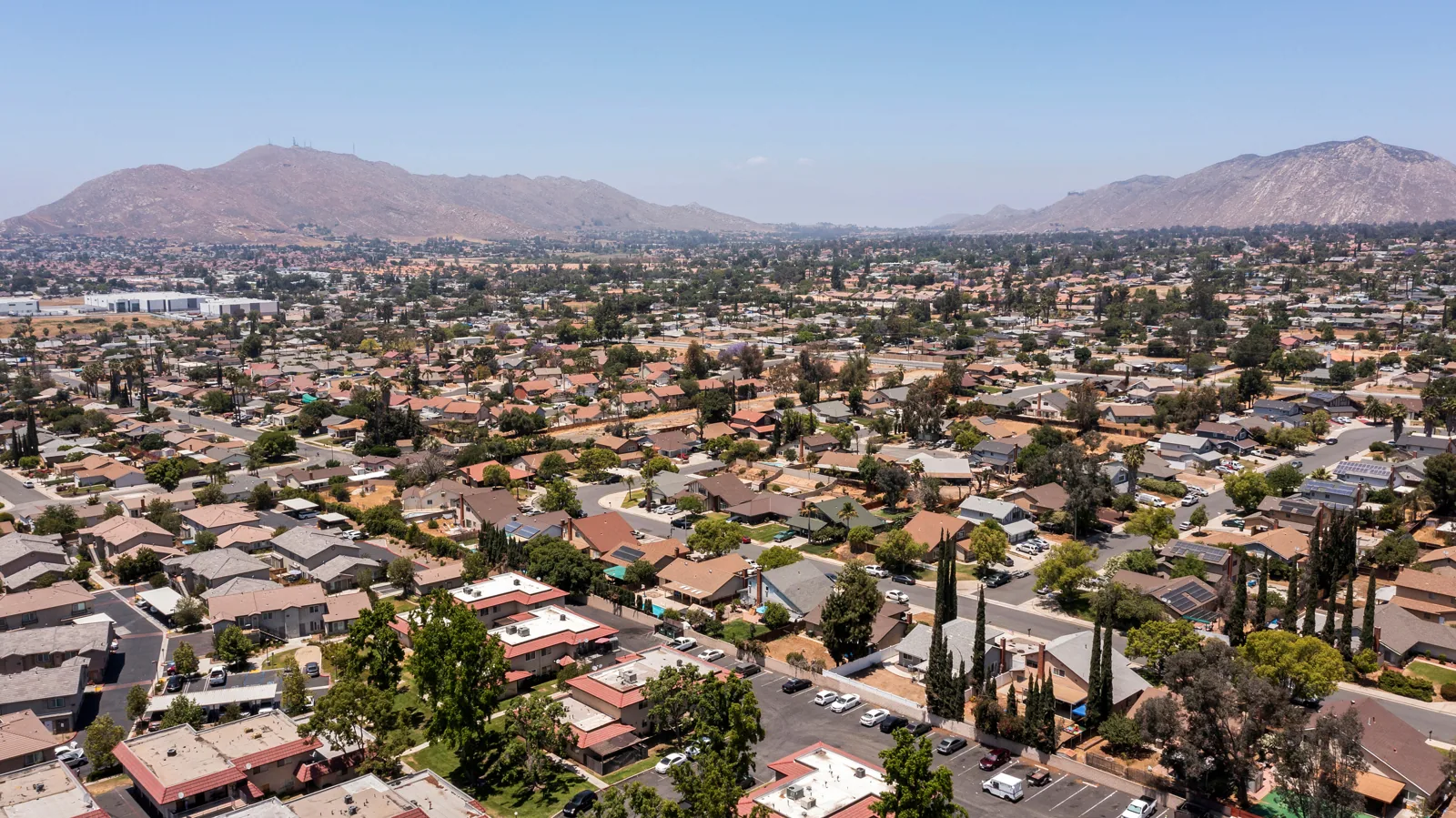
On a Moreno Valley commercial roof, a blocked drain or a missing overflow route can matter more than any heat-related upgrade, especially when the room below is occupied. We provide commercial roof repair, replacement and inspection from our Temecula, CA base, and we price drainage repairs separately from any reflective coating. Moreno Valley is a large service area with public and commercial buildings across many districts. On each building, the conversation starts with the actual drains, how water moves across the roof and what is underneath the problem area.
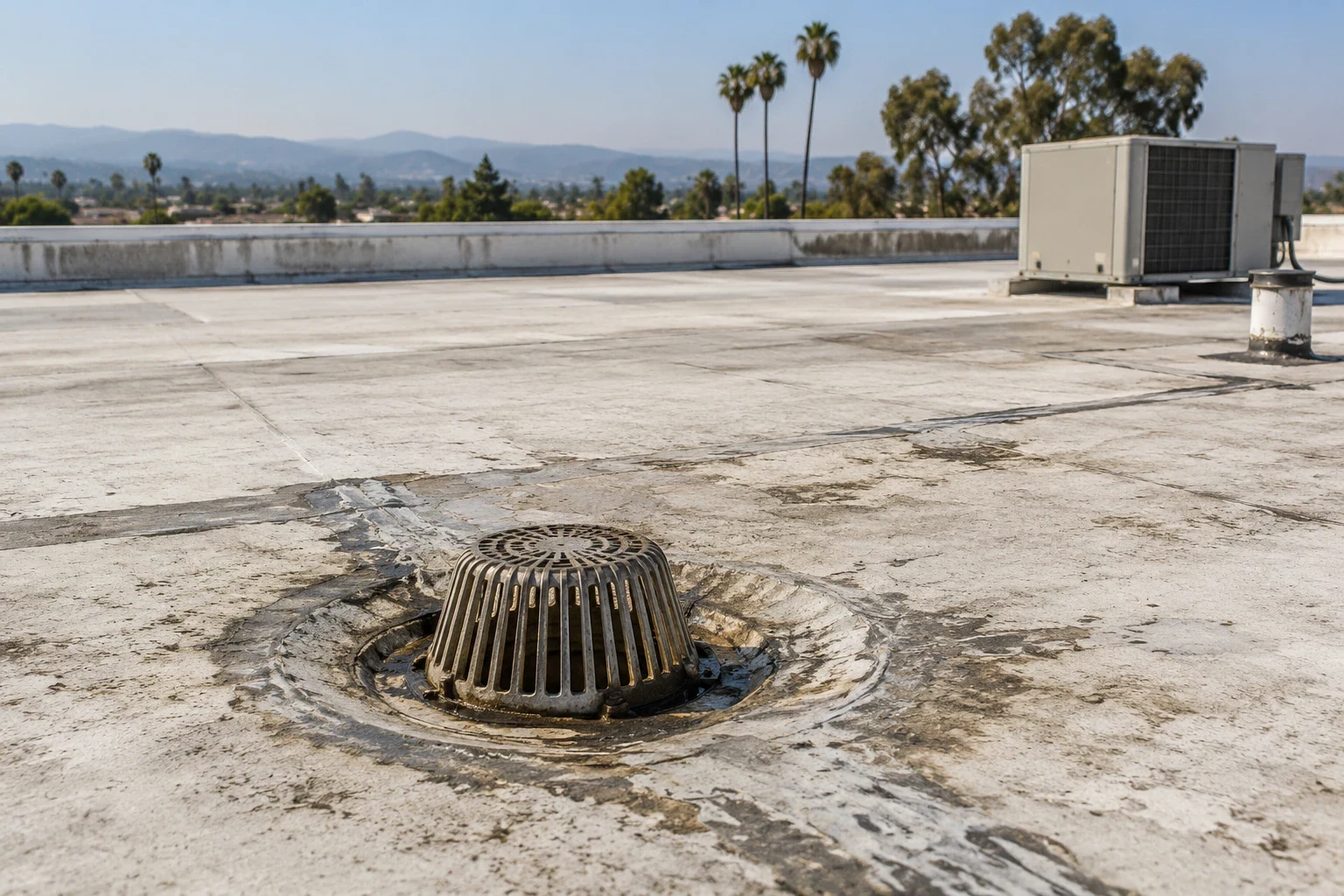
A roof can look clean and still have a clogged drain or a drain set too high. The drainage needs a look before a coating or new roof is chosen, particularly if a thicker roof would change the levels around the drains. We tie what we find to the protection and design input needed for a permanent repair. That gives you a practical order: stop the leaks, figure out what the drains need, then compare surface options on a roof that drains properly.
Leaves or construction debris can slow a drain, while a drain bowl set too high can leave a pond even after cleaning. We inspect the drain bowl, its connection and the roof levels around it before calling the work maintenance or rebuilding. A drain can also have a problem further down the pipe that needs a plumber. The roofing scope should make that clear so cleaning the drain opening is not mistaken for fixing the drainage.
Our roof drains and scuppers work addresses the roof-side problems the inspection finds. We explain which work clears a blockage and which work changes the drain connection or the roof around it. Design review is included when changing drains requires it. You can then compare routine maintenance with a permanent fix based on what each actually involves, not on the size of the drain.
Overflow drains or scuppers need a clear path for water to leave the roof when the main drains back up. We inspect the overflow and the construction around it and identify what information is needed before any changes are proposed. Having an overflow does not prove the whole drainage design is adequate. Changing drains, roof levels or discharge points calls for proper design, not a guess on the roof about how big an opening should be.
A roof condition report with drainage findings separates a simple blockage from an open design question. We mark the locations and explain the next step before any change is priced. That keeps an owner from treating a new scupper as an automatic cure for ponding. It also makes the budget clearer, because the work follows a reviewed plan rather than a quick surface repair that ignores where overflow water would go.
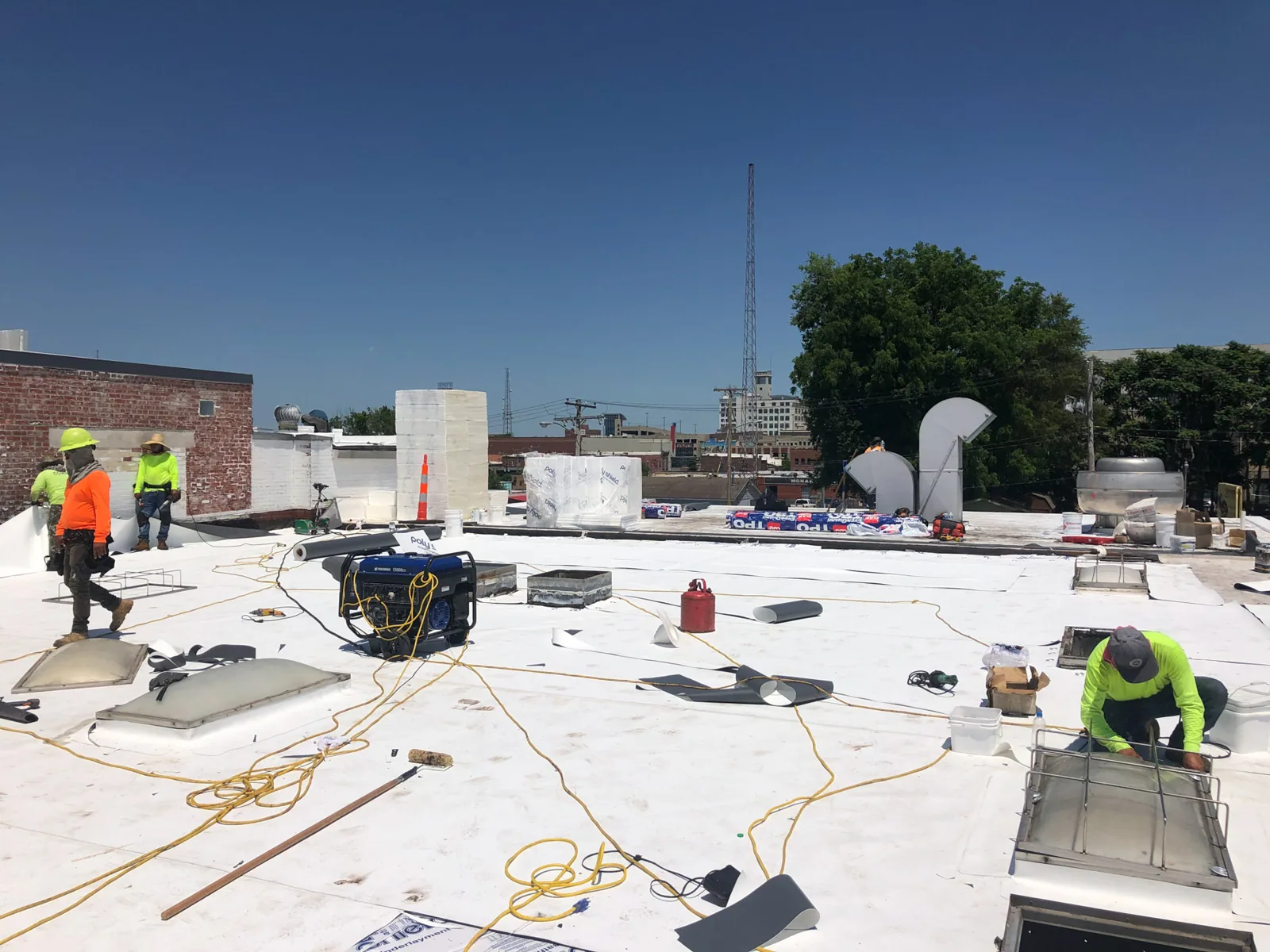
New insulation or roofing can raise the roof level right around a drain. We look at the proposed roof system and the existing drain before pricing replacement, so water can still flow into the drain properly. Wet or weak insulation that stays needs to be dealt with, and fastening and loads get reviewed for the specific system. The price per square foot does not settle the drain detail, especially where new and old layers meet at different thicknesses.
With commercial roof replacement, the comparison includes those transitions and any drain rebuilding. We list tear-off, preparation and temporary protection as part of the cost. A reflective surface may be a good choice for the new roof, but drainage comes first. That way the cooling argument does not crowd out the drain work that makes the replacement function.
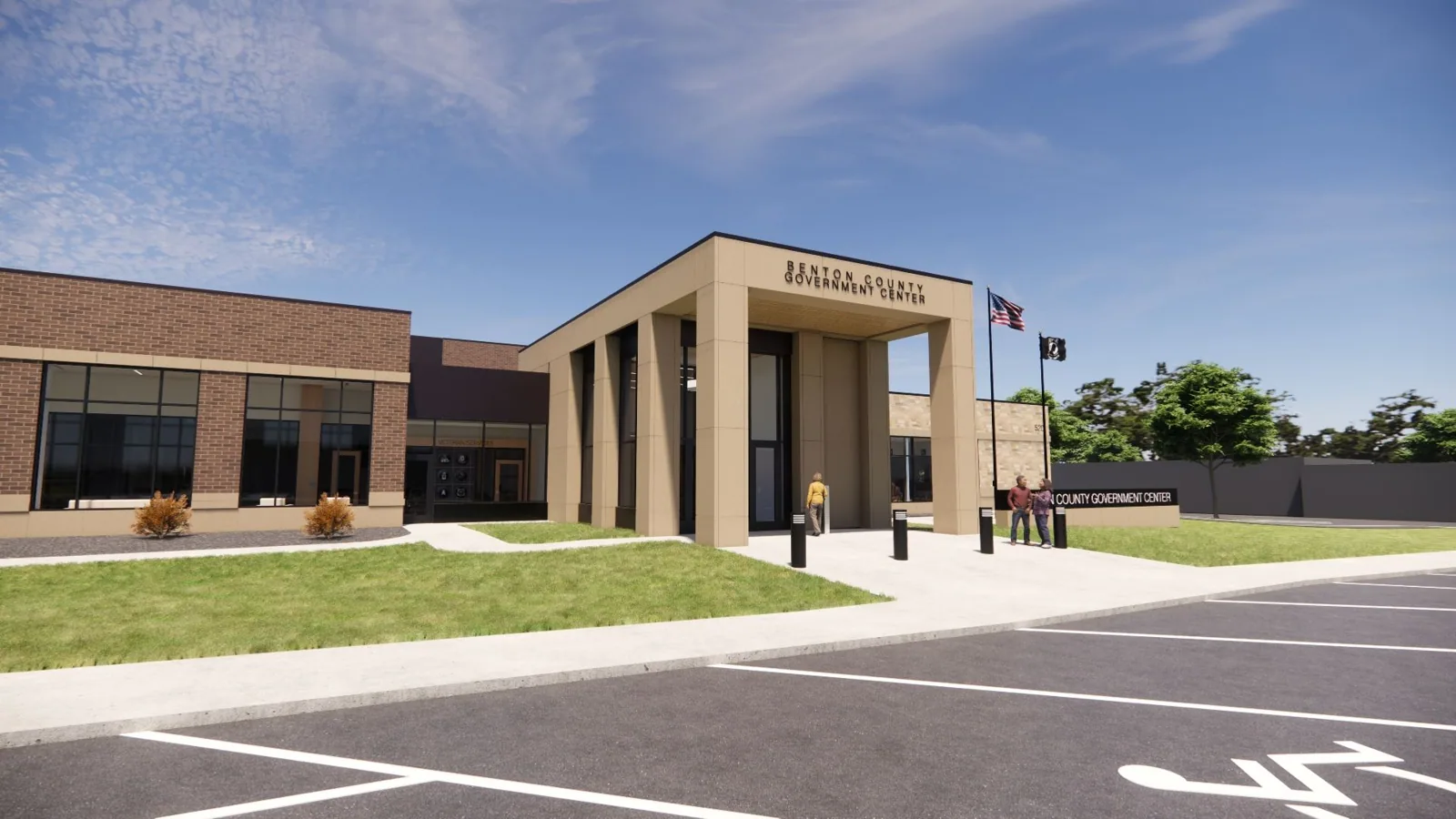
Opening up a drain connection can leave a small but concentrated area exposed above an occupied room. For a public building such as a library on Alessandro Boulevard, we would confirm the affected space and the protection required with the building's manager before choosing a tear-off phase. The material route, debris handling and temporary seal need to suit that opening. Water from the surrounding roof also has to be managed while the permanent drain connection is partly done.
Our government building roofing work ties those requirements to a practical schedule. A small opening reduces disruption inside but adds setup and protection time. We compare phase options with their sealing requirements spelled out in the proposal. You can then choose timing that works for the building without the drain repair getting lost in a general schedule or temporary protection becoming an open-ended allowance.
A second building in Riverside may have different drain heights and discharge points. We assess each separately before discussing combined purchasing or shared dates. The same complaint about ponding does not mean the same fix, and the bid should keep each roof's blockage, connection and design questions visible. Combined purchasing makes sense once those boundaries are clear.
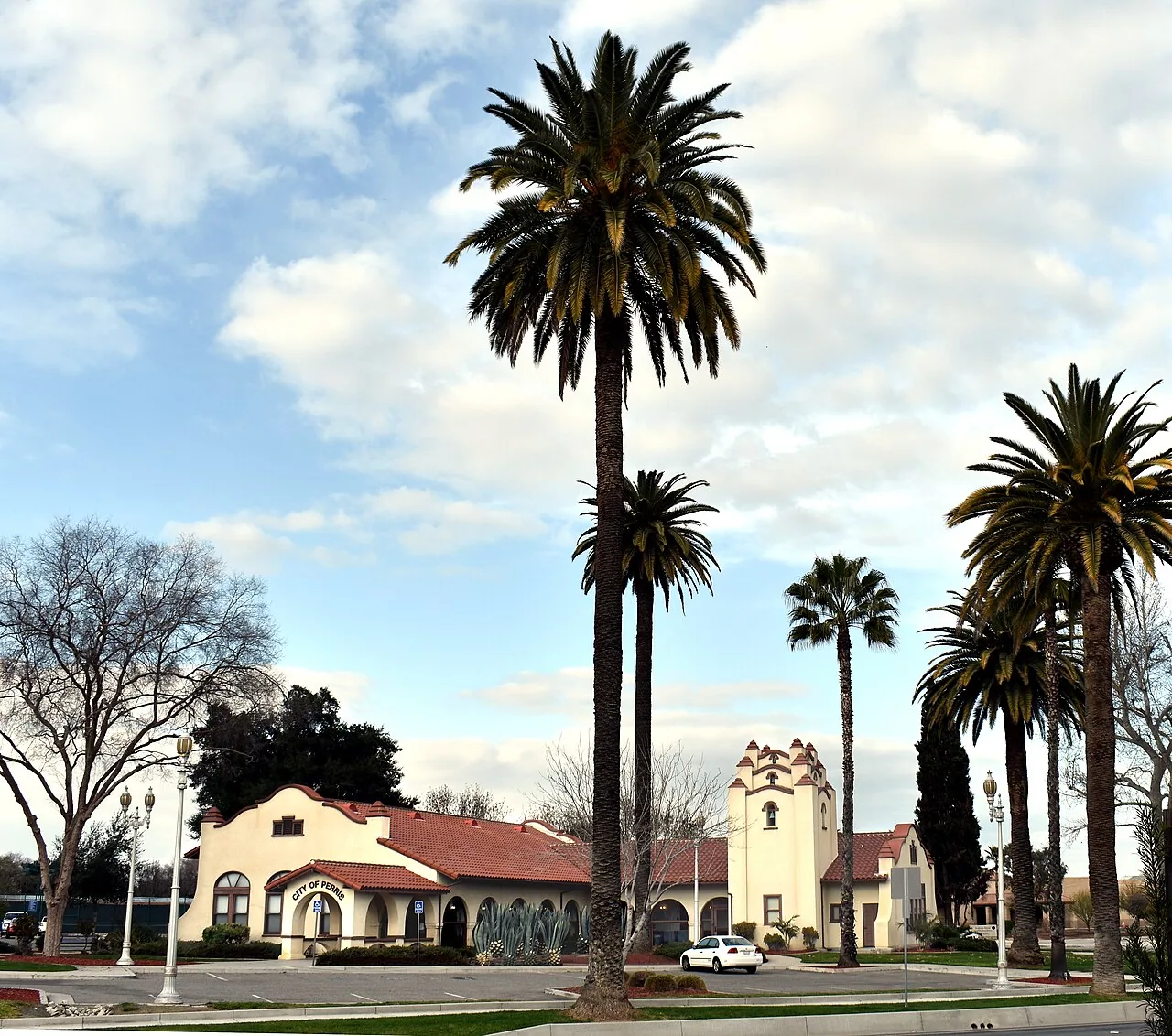
An owner adding a building in Perris can plan spending the same way, separating immediate fixes from reviewed permanent work. We identify what needs testing, what the drainage needs and when a surface upgrade makes sense. That order reduces the chance of tearing into a new coating for a drain project that was never resolved. The recommendation rests on how water leaves the roof, with any cooling benefit treated as a separate factor.
Moreno Valley's logistics role brings roofs over large distribution floors, dock areas and office spaces. A leak above a stored-goods aisle needs interior protection coordinated with operations before roof work begins. Inspect the drain path and penetrations serving the affected area, then determine whether the main membrane is involved. With truck traffic and active loading, choose a material route that stays clear of dock operations. The final note should say whether the repair is localized and what conditions could require a second visit.
If debris is the cause, cleaning may solve it. If the drain sits too high, the roof has sagged or the pipe is blocked further down, it needs a different fix. We check the whole path we can reach and separate maintenance, roof rebuilding and plumbing work.
Not without a proper plan. A new opening needs the right location, size and discharge route, and changing drainage may need design review. Adding one without that can leave the real problem in place.
A thicker new roof can change the levels at each drain, which may mean rebuilding the drain connection or adding tapered insulation. We compare the new roof levels with the existing drains before choosing a system and include that work in the price.
The size of the opening, the debris route and a temporary seal suited to the drain work. We agree on those with the building's manager and recommend a daily phase size, showing the setup and protection costs.
Yes. Ponding and wet insulation should be fixed before the roof is coated. Once drainage is solved, a coating can be compared on its preparation and cooling benefit without an unpriced drain project waiting to tear it up.
Send us the Moreno Valley address and describe the drain or overflow problem. We will check how water leaves the roof, identify any design input needed and compare permanent drainage work with larger roof options.
Request a Roof Assessment