On a sun-baked Perris commercial roof, a small puncture from foot traffic or a dropped tool can be the start of repeated repair bills if the same path keeps getting walked. We inspect, repair and replace commercial roofs from our base in Temecula, CA, and we look at both the damage and the traffic that caused it. For a Perris property, the service visit should record where water got in, which part of the roof is affected and how rooftop equipment limits access for the repair. Every building gets its own findings and its own coordination with operations.
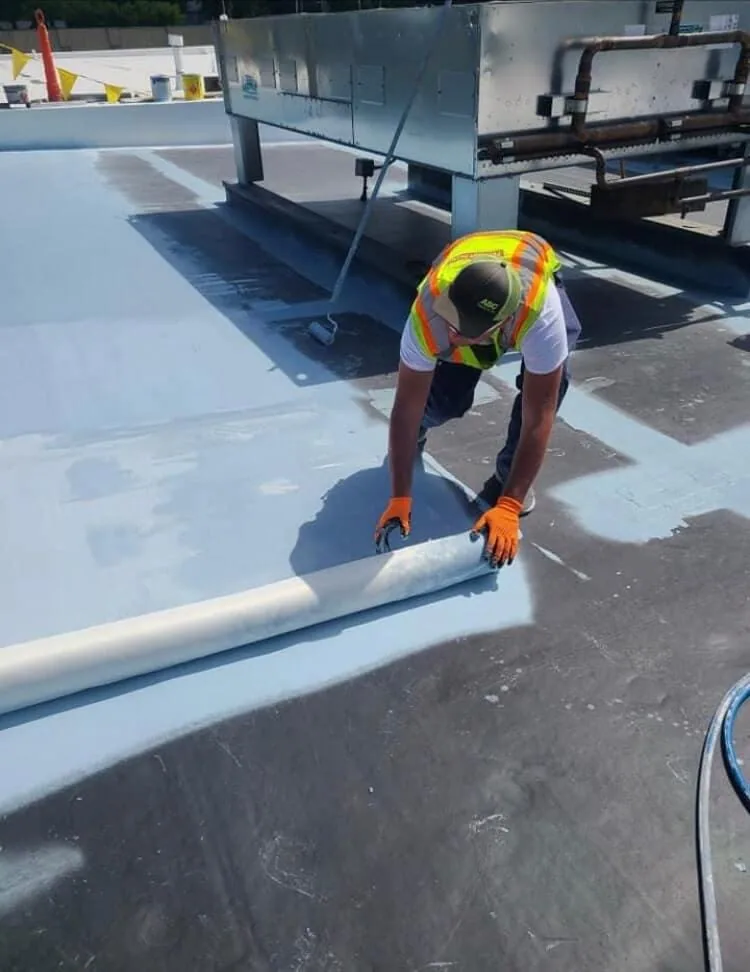
A new reflective surface can lower heat gain and still be easily damaged by heavy traffic or sharp objects. So the spending decision should cover both the repair and how people will reach equipment in the future. We compare a defined patch with wider replacement where the inspection supports it, then explain protection that suits the roof system. That separates stopping the leak from the ongoing cost of repeated service trips and repeat repairs.
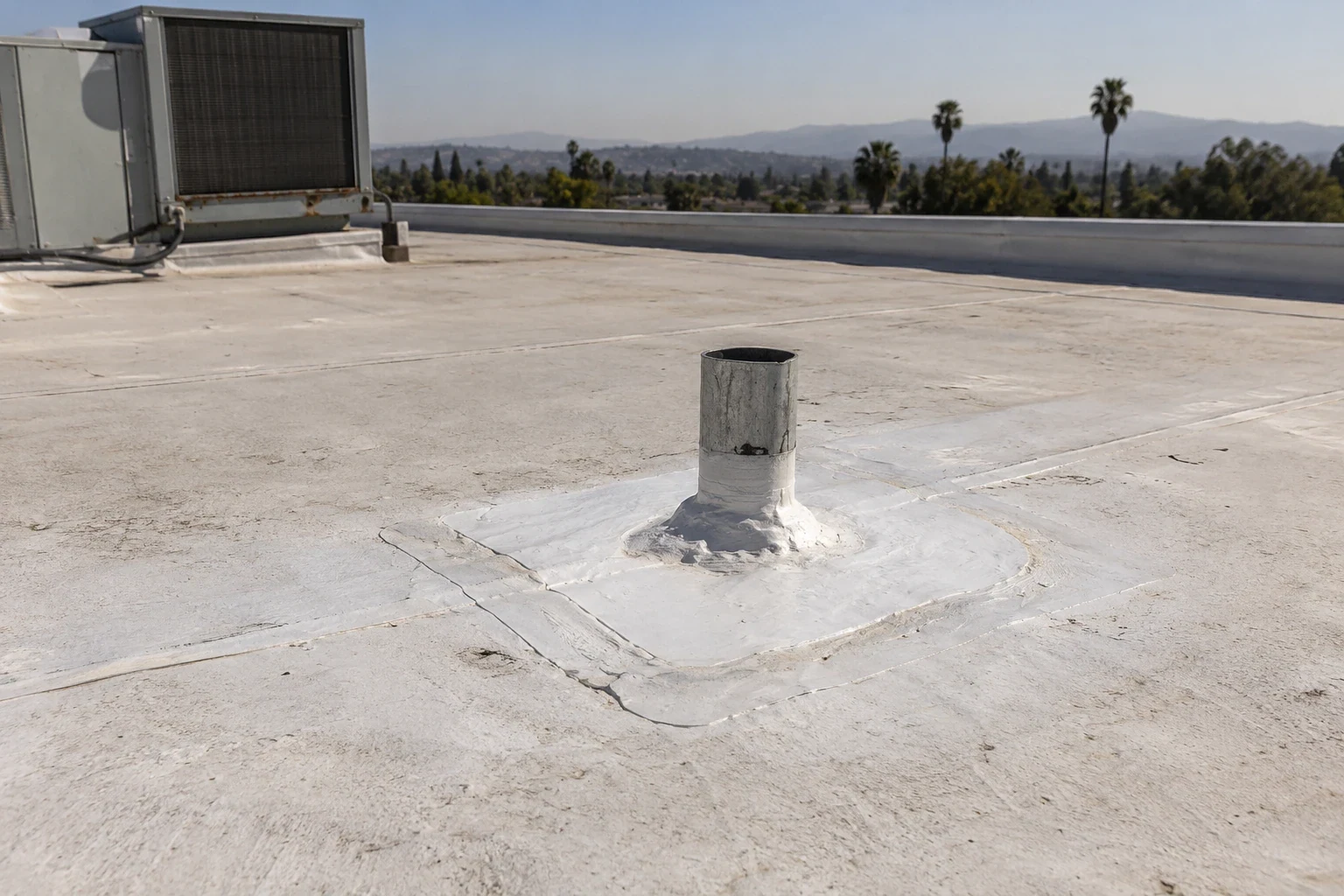
A small hole in a membrane needs sound material around it for a permanent patch. We inspect the cut, the surface around it and what is underneath before choosing the patch size. Water that got in through the hole may have spread into insulation beyond the visible damage, so the removal quantity is based on testing, not the size of the puncture. The repair method depends on the roof system.
Our membrane puncture repair includes preparation and any insulation replacement needed for a lasting repair. We tell you when the nearby material is weak or wet and a bigger opening is needed. That helps you weigh disposal, new insulation and interior protection based on real conditions. It also keeps a small patch price from hiding the work needed underneath the damaged spot.
A service path that crosses a low curb or exposed flashing can cause damage that is easy to avoid. We look at how people get onto the roof and where they walk, then recommend protection that suits the roof system. Walkway pads have to be compatible with the membrane and attached properly. The route should also keep drains clear and leave access to equipment, rather than putting a new obstacle in the way of water.
With preventive roof maintenance, the plan can cover the damaged route as well as the repaired spot. We talk through debris removal, checking exposed flashings and how walkway pads will be inspected after they are installed. You can compare that effort with the cost of coming back to fix repeated traffic damage. Good maintenance reduces the exposure; it is not a promise that normal wear or every future puncture will be prevented.
A damp ceiling under a puncture is a reason to look closer, but it does not tell you how much insulation is wet. We check the roof and use moisture scans or core samples to find which layers need replacing. Test openings may be needed where a surface look cannot answer the question. The written scope should show what is confirmed and what is still being checked before a fixed removal price is treated as complete.
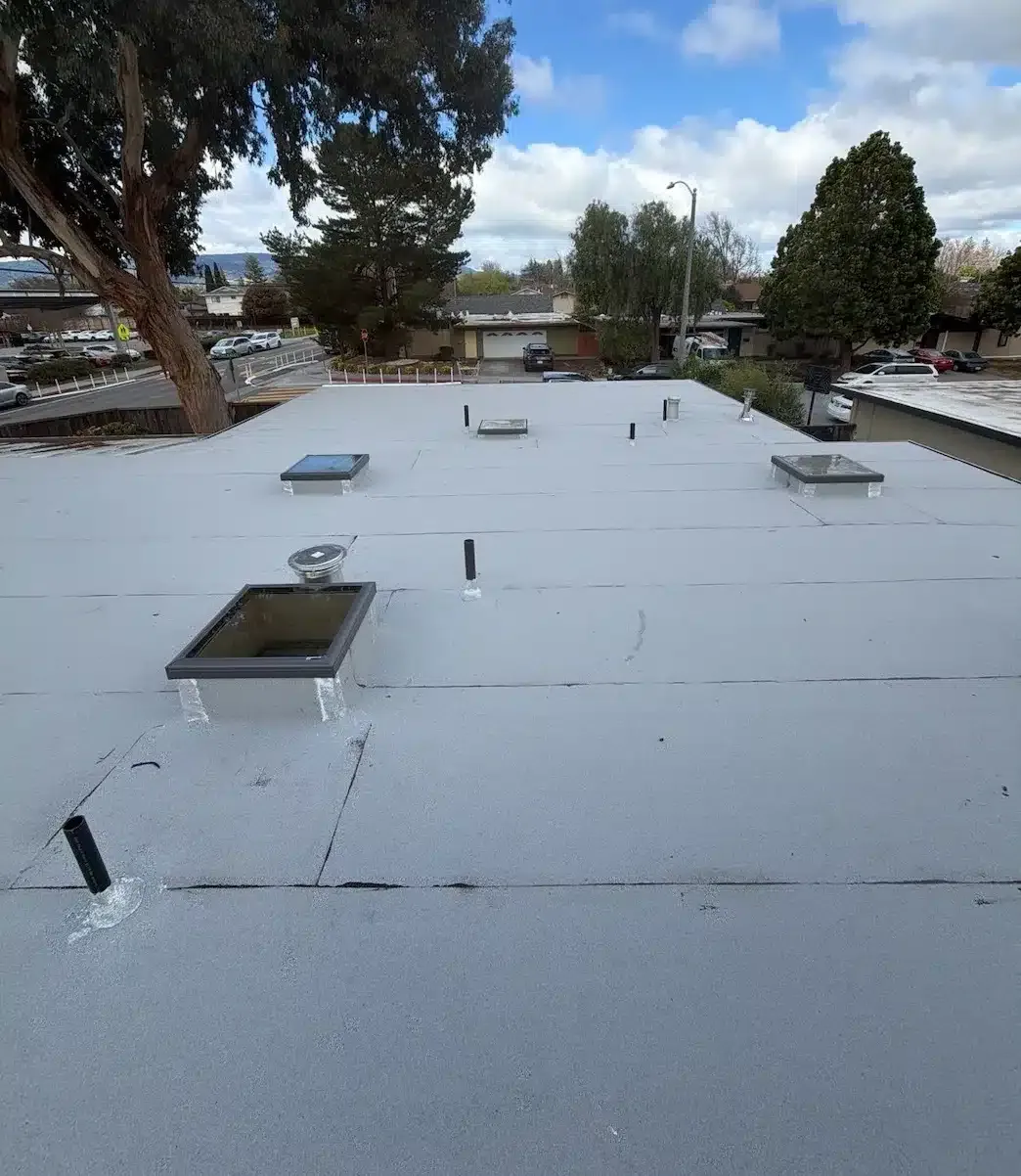
A detailed commercial roof inspection ties that information to repair options and practical work areas. We explain whether the damaged spot can be tied into sound roof around it or needs a wider rebuild. The cost includes new material, preparation and closing the opening, not just the top patch. That gives you a solid comparison between testing now and committing to a larger project with uncertain quantities.
Carrying materials up to the roof can affect an entrance, a hallway or a work area below. For a building on East San Jacinto near the library, for example, we would confirm the allowed route and the affected interior with the building's manager before starting. The repair needs a practical limit on how much is opened and a way to protect it if the roof has to be opened up. Those details affect labor and temporary protection even when the puncture is small.
Our occupied building reroofing planning ties that protection to deliveries, debris handling and putting the roof back together. A tight route takes different handling than an open staging area, and several small phases add setup costs. We explain those effects in the proposal so you can compare workable schedules. The repair area stays tied to the damage and what is underneath, while the schedule reflects the building's real restrictions.
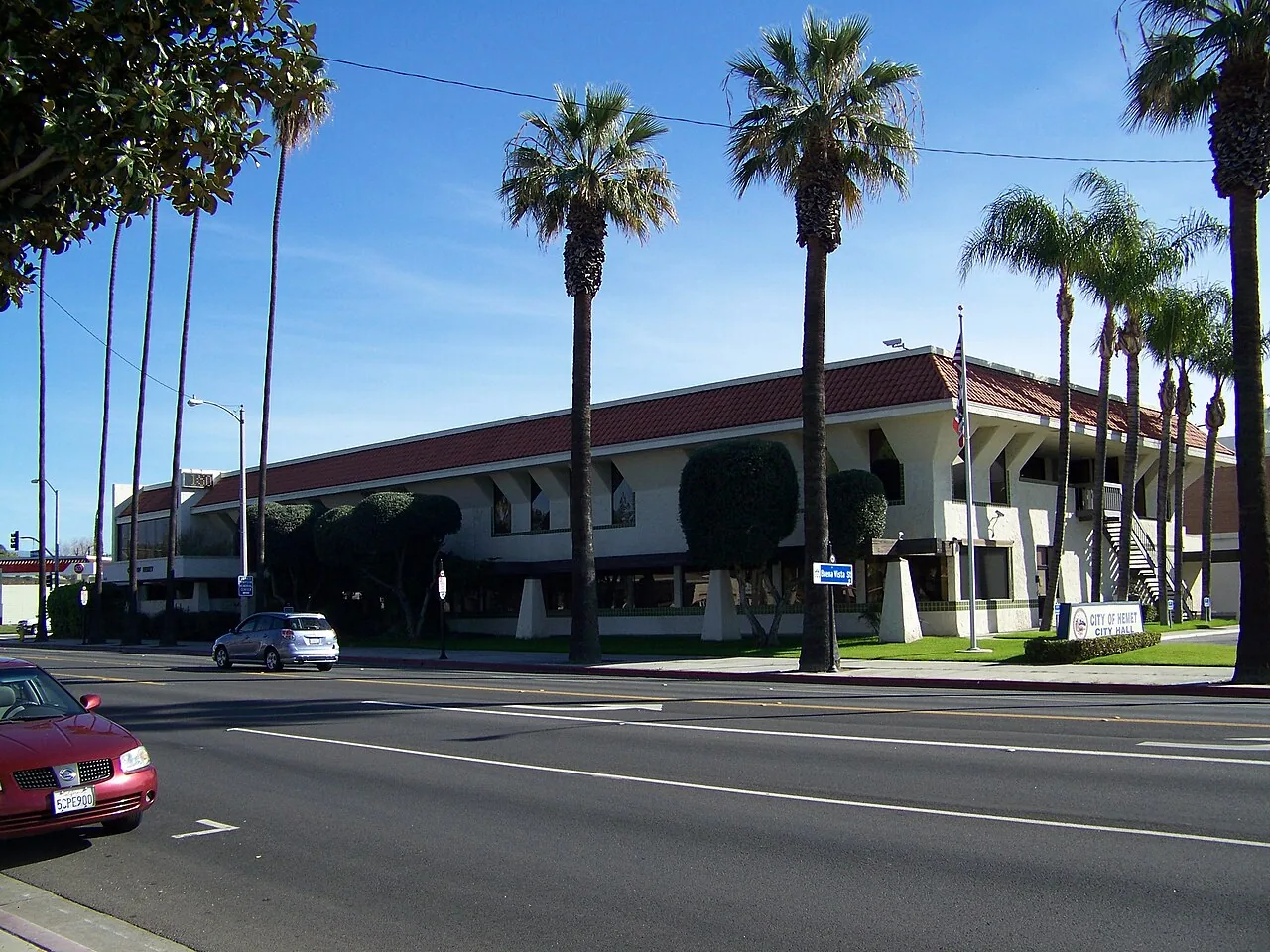
An owner with another building in Hemet can separate a one-time cut from an ongoing traffic problem before combining repair purchases. Each roof's material and condition decide its patch method. Shared timing can save coordination, but protection choices and removal quantities should stay separate. We keep that visible so one building's bigger damage does not disappear inside a shared repair allowance.
A building in Moreno Valley can be part of the same budget conversation with its own inspection findings. Active leaks come first, insulation replacement follows once it is confirmed, and walkway protection is weighed against its maintenance. A reflective coating can be considered afterward on a roof that is ready for it. That order cuts down repeat damage costs while keeping the leak repair and any surface upgrade clearly priced.
Perris's distribution and retail activity makes dock and inventory protection central to many commercial repair plans. Before inspection, ask which operations cannot pause and whether the affected area contains stored goods, electrical equipment or a shift change. Locate the leak and trace it through nearby penetrations, seams and drains; water can travel before it appears indoors. A written work boundary should show the exact roof area affected and leave other sections out of the scope unless inspection finds a connected defect.
Often, if the membrane around it and the insulation below are sound. We inspect the damage and check for moisture where needed. If a bigger opening is required, we explain why, so the repair matches the actual condition rather than the size of the cut.
No, but they greatly reduce damage along the main service routes. We recommend a route and pads that suit your roof while keeping drains and flashings clear. Routine maintenance then checks the pads and nearby details.
We check the insulation around the puncture with moisture scans or core samples to see what has to be replaced and what can stay. That gives you a repair quantity based on the actual material, not just the size of the wet spot inside.
Getting materials up, handling debris and protecting the space below can take more effort than the patch itself. We work it out with the building's contact and recommend a practical approach, so the cost reflects the whole job.
Yes. Fix the punctures, replace any wet insulation and protect the walking routes first. Then evaluate a coating, so you are not paying for a finish that gets torn up by more repairs or the same foot traffic.
Send us the Perris roof address, where the puncture is and how people usually get onto the roof. We will compare a permanent repair, any insulation work and walkway protection before you spend on a coating or other upgrade.
Request a Roof Assessment