Spray polyurethane foam (SPF) roofing is sprayed on as a liquid that expands into a seamless, insulating layer, then covered with a protective coating. It works well on irregular roofs with lots of penetrations, and owners like the added insulation in Temecula's hot summers. But the foam is not a finished roof on its own; the protective coating is what keeps the sun from breaking it down. For an office building roof, an SPF estimate should include repairs to the existing roof, the coating and the details around rooftop equipment. In Hemet, the scope for an SPF job follows what we find on that building and how crews can reach the roof. A Moreno Valley SPF roof should be checked for coating wear, blisters, soft spots and exposed foam before a recoat is proposed. Existing drawings and our findings decide whether the roof is ready, and project requirements are confirmed before the system is chosen. Summer heat is not a reason to pick a certain foam thickness, and it does not prove the insulation underneath is dry or promise lower bills. Get the base right first.
Foam has to go over a clean, dry, sound surface. If the existing roof is staying, wet insulation, loose layers or old materials that foam will not stick to all need to be found first. A roof can look fine on top while the insulation below is wet. A commercial roof inspection before SPF records what we found and which areas need moisture scans or core samples.
Wet or damaged material gets removed and replaced as part of the foam scope, rather than sprayed over. If tear-off reveals more damage, we show you the location and added quantity, get approval and keep the roof sealed until the work is done. Compare SPF bids on the same amount of repair and replacement, because two bids for the same area can leave out different preparation. Foam only goes down after the base is confirmed sound.
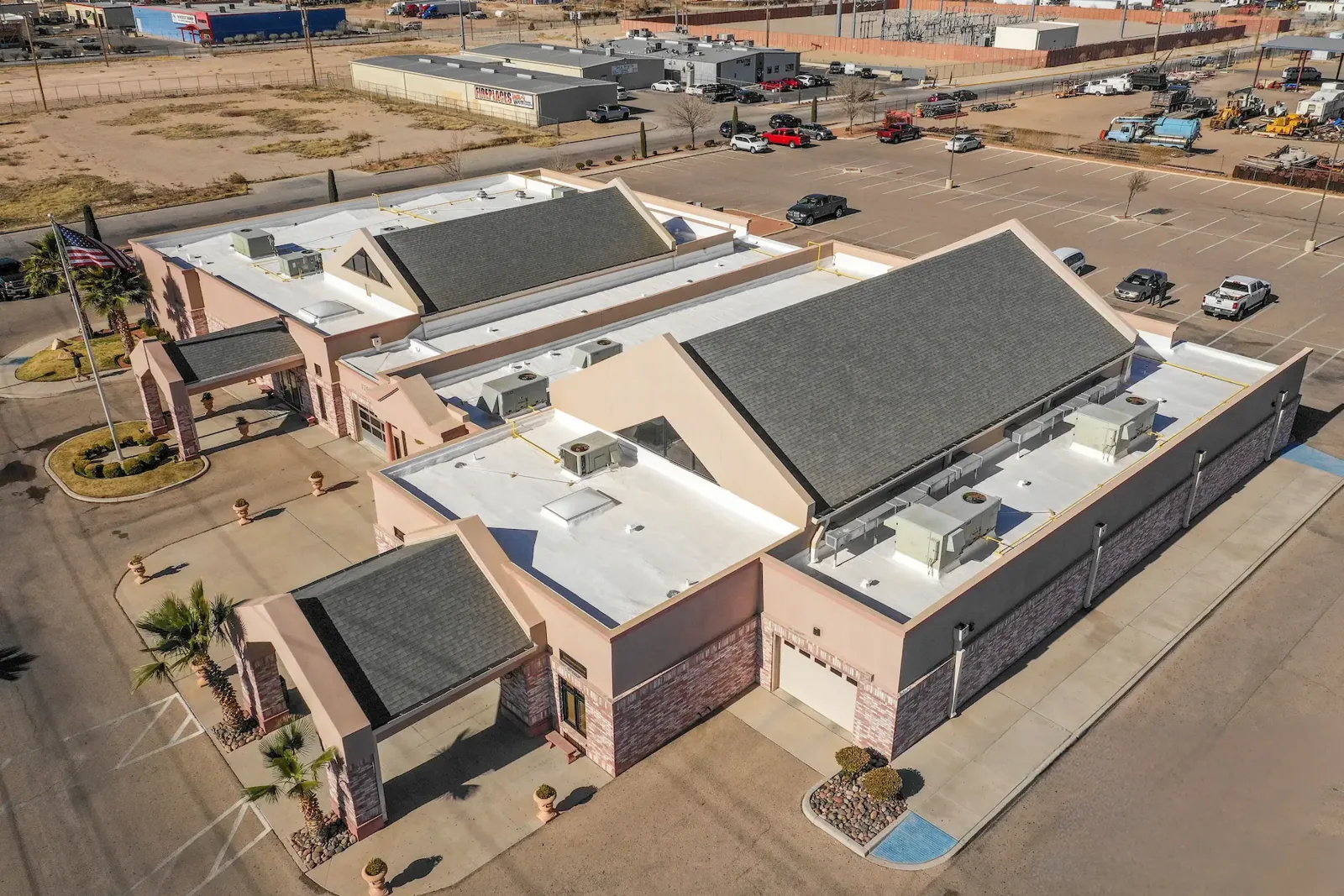
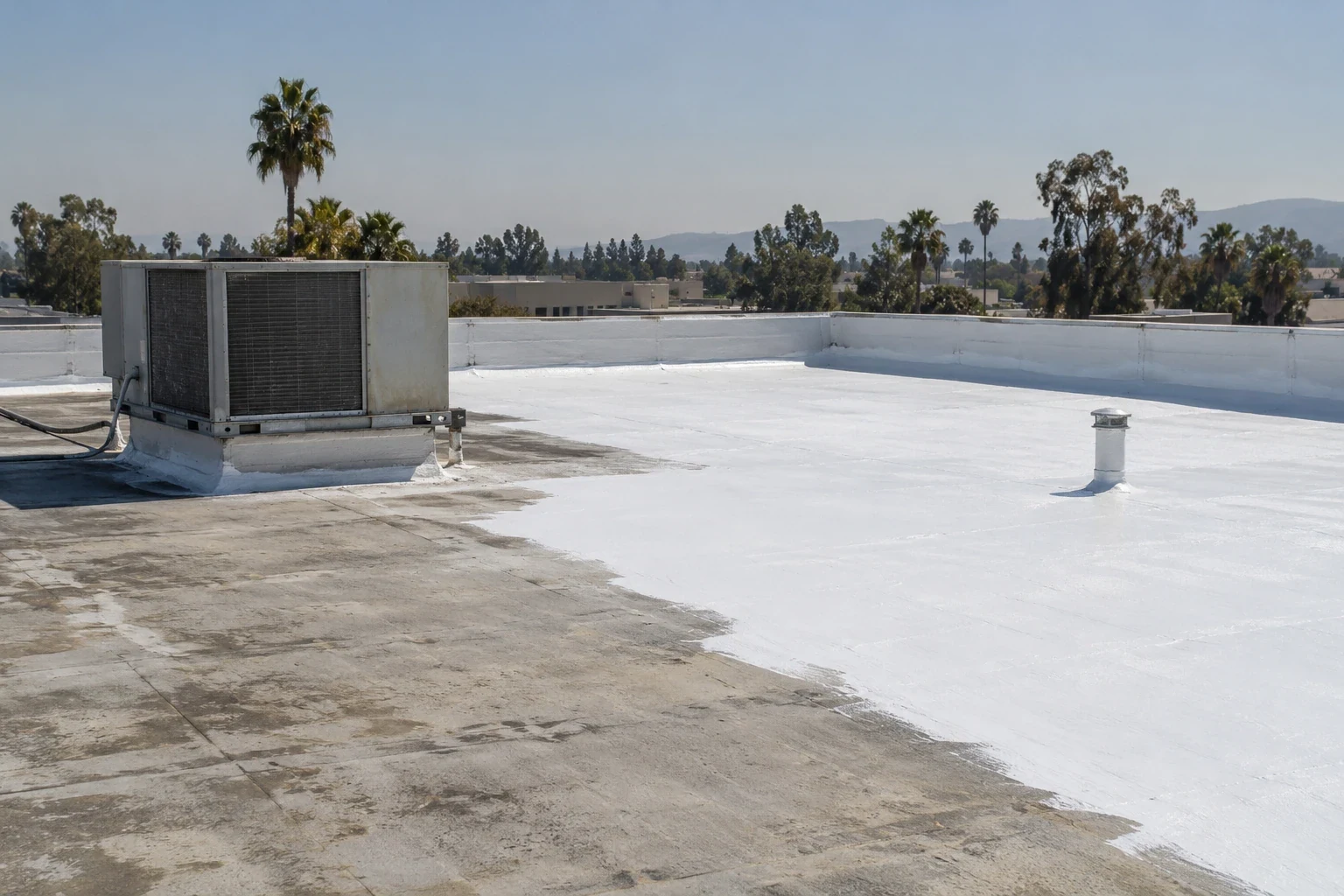
Roofing foam is sprayed on and then protected, usually with an elastomeric coating and sometimes with granules or gravel. Gaco, for example, makes roofing foam designed to be used with approved protective coatings, and the Spray Polyurethane Foam Alliance describes coatings or aggregate as part of protecting a foam roof. A silicone roof coating is a common topcoat, and its compatibility with the specific foam should be confirmed before ordering.
You should see the foam and the topcoat priced together, along with the preparation. A foam-only price leaves the most important protection undefined, and a good topcoat does not make the insulation underneath acceptable. Foam thickness, coating thickness and inspection requirements come from the products and project specs, not from a different job. Keeping both layers in the scope shows why the coating is a separate step that has to be done right. The foam and coating also need to be finished carefully at drains, walls and equipment, with preparation at each of those spots, not just the open field.
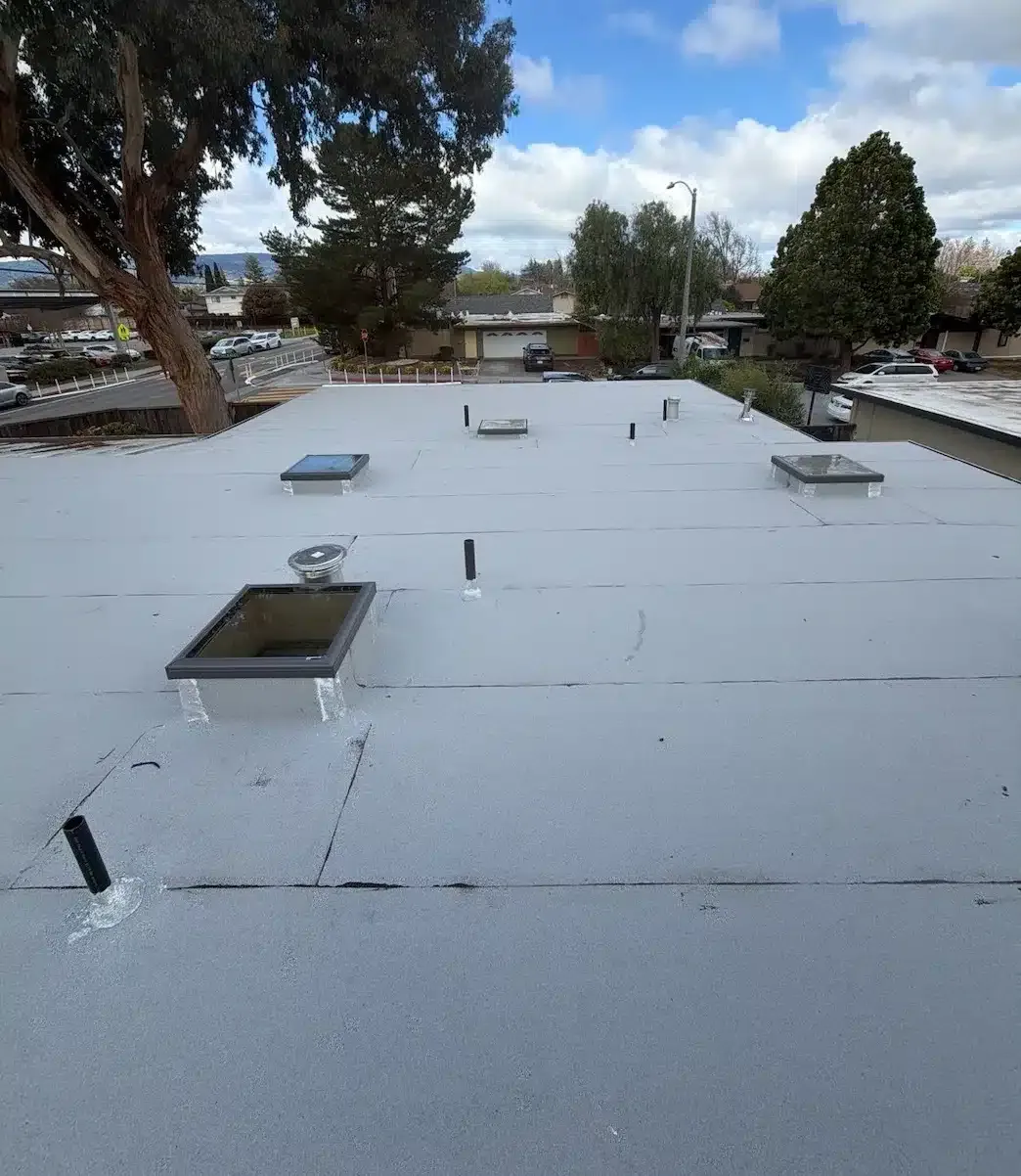
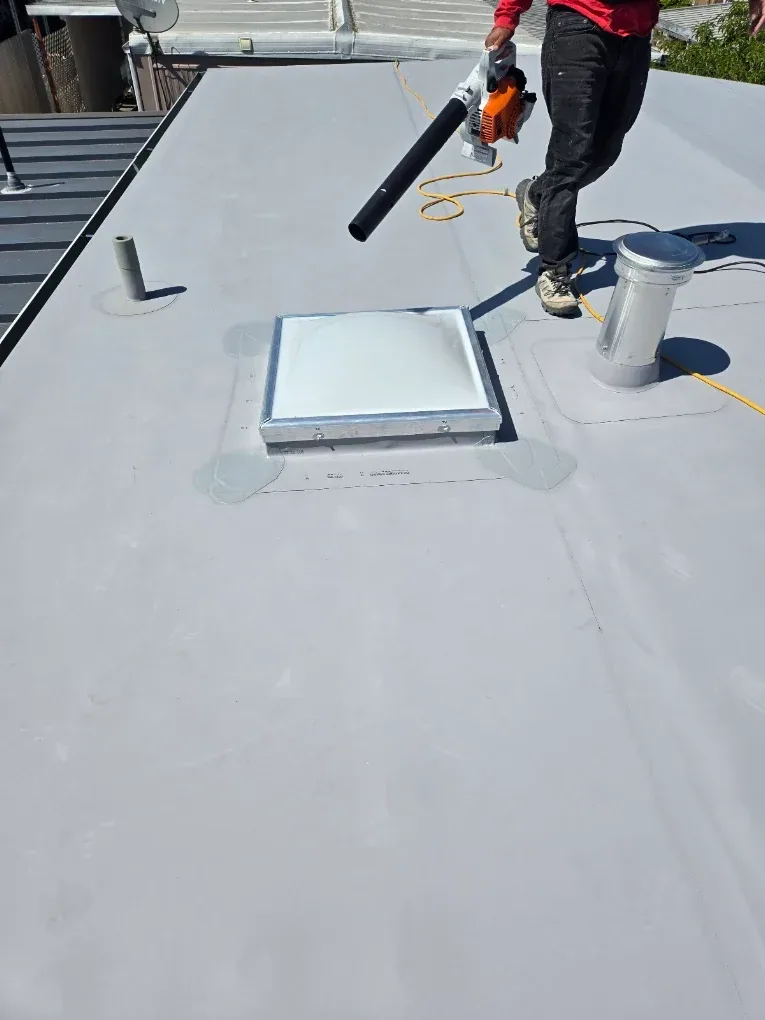
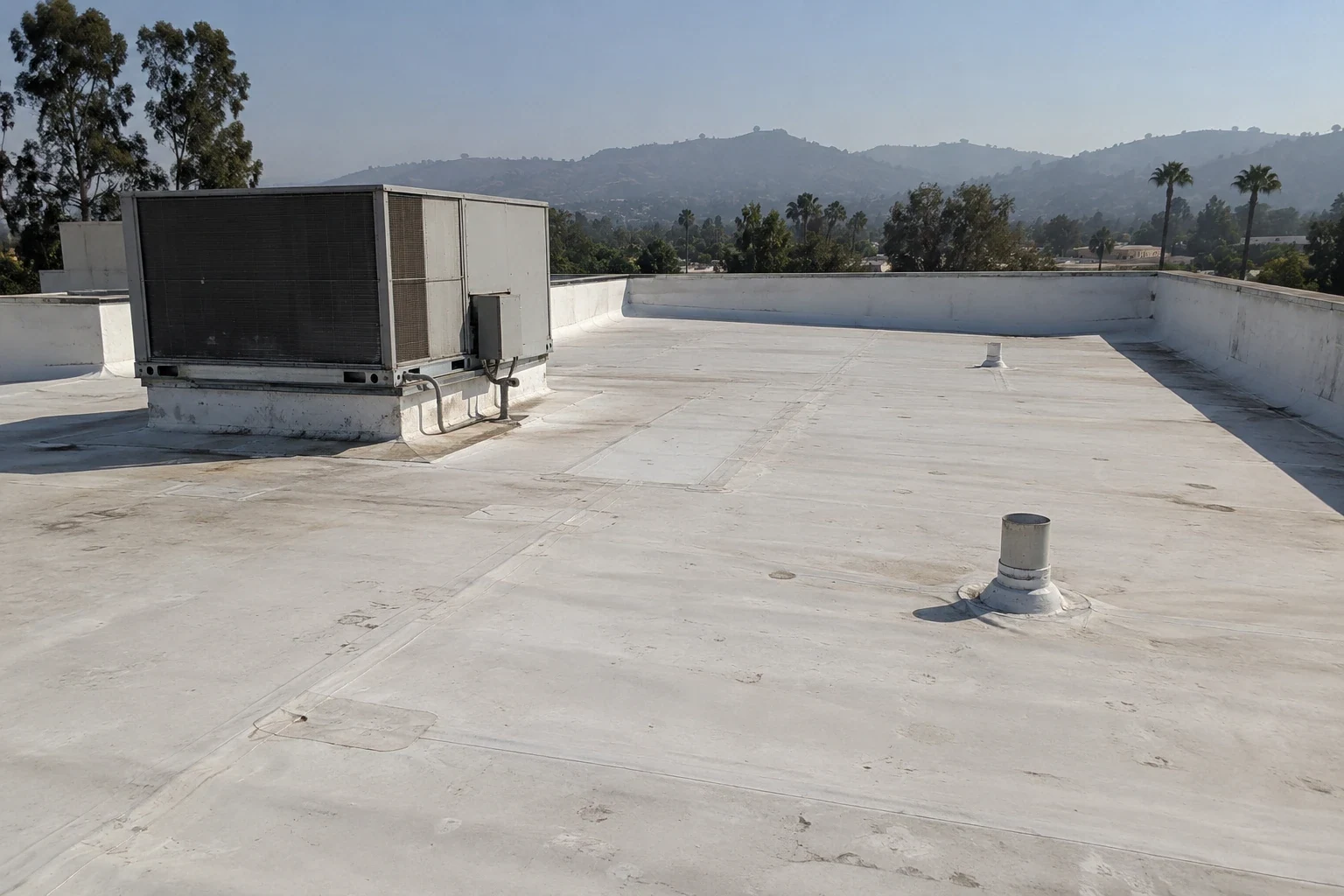
Drains, walls and rooftop equipment need as much attention as the open roof. Each one has its own shape and materials, and some cannot be finished until equipment is moved. Skylight and penetration flashing on a foam roof should account for any damaged curbs and the other trades involved. Spraying foam over the whole roof does not rebuild a failed curb or fix a leaking unit.
The proposal should explain how each detail will be finished and what materials meet there, following the products' requirements and built on sound backing. A temporary patch is not the same as a finished, coated detail, especially if another contractor has to disconnect equipment first. That way you are comparing complete jobs rather than assuming everything is included in one spray area. If opening a detail reveals more damage, the change is measured and approved, and the area is sealed until it is repaired.
An SPF roof should be compared with other roof systems on the same scope: the same insulation repairs and the same finished details. A TPO roof has its own attachment, seams and accessories, but the needed insulation work should be the same in both bids. The same roof area does not mean the same labor or interchangeable products, so square footage alone should not decide.
Spraying foam requires calm weather and careful masking to keep overspray off cars and neighboring buildings, so work windows matter. Equipment shutdowns, access to occupied spaces and limited work hours can change setup and protection costs under either system. Material on site does not clear a blocked curb or satisfy every project requirement. The schedule has to bring together a sound base, the right components and coordinated trades, and that is the only way to see what really changes between options.
For a property on the Winchester Road commercial corridor, we measure the condition behind the requested foam work and note what still needs to be checked, and we do not copy those quantities to another building without inspecting it. Projects in Old Town Temecula follow the same approach, with the scope based on that building's existing roof and the foam and coating chosen for it.
When the work is done, you get photos of any repairs, the finished details and the coated foam. You will know which products were installed, what was outside our work and what maintenance the system needs, such as periodic recoating. If a warranty is offered, read the terms for the actual system installed. Future maintenance crews can use that record to find the details that need attention and compare any change to what was originally installed, with open equipment items listed separately.
The protective topcoat, preparation of the existing roof, any insulation replacement and the flashing work at drains, walls and curbs. A foam-only price does not give you a finished roof.
No. Wet or damaged insulation has to be found and removed first. We use moisture scans and core samples, and if we find more damage once the roof is opened, we show you and get approval before doing the extra work.
That depends on the foam system and the project. Common choices include silicone and acrylic coatings, sometimes with granules. The coating has to be approved for the foam being used, and the thickness follows the manufacturer's requirements.
Compare them with the same insulation repairs and the same finished drains, walls and equipment details, then look at the differences in preparation, protection and accessories. Both bids should account for equipment shutdowns and work windows.
Tell us about your existing roof and any problems with its surface or coating. We will inspect it and explain a complete foam roof with the topcoat, repairs and detail work included.
Request a Roof Assessment