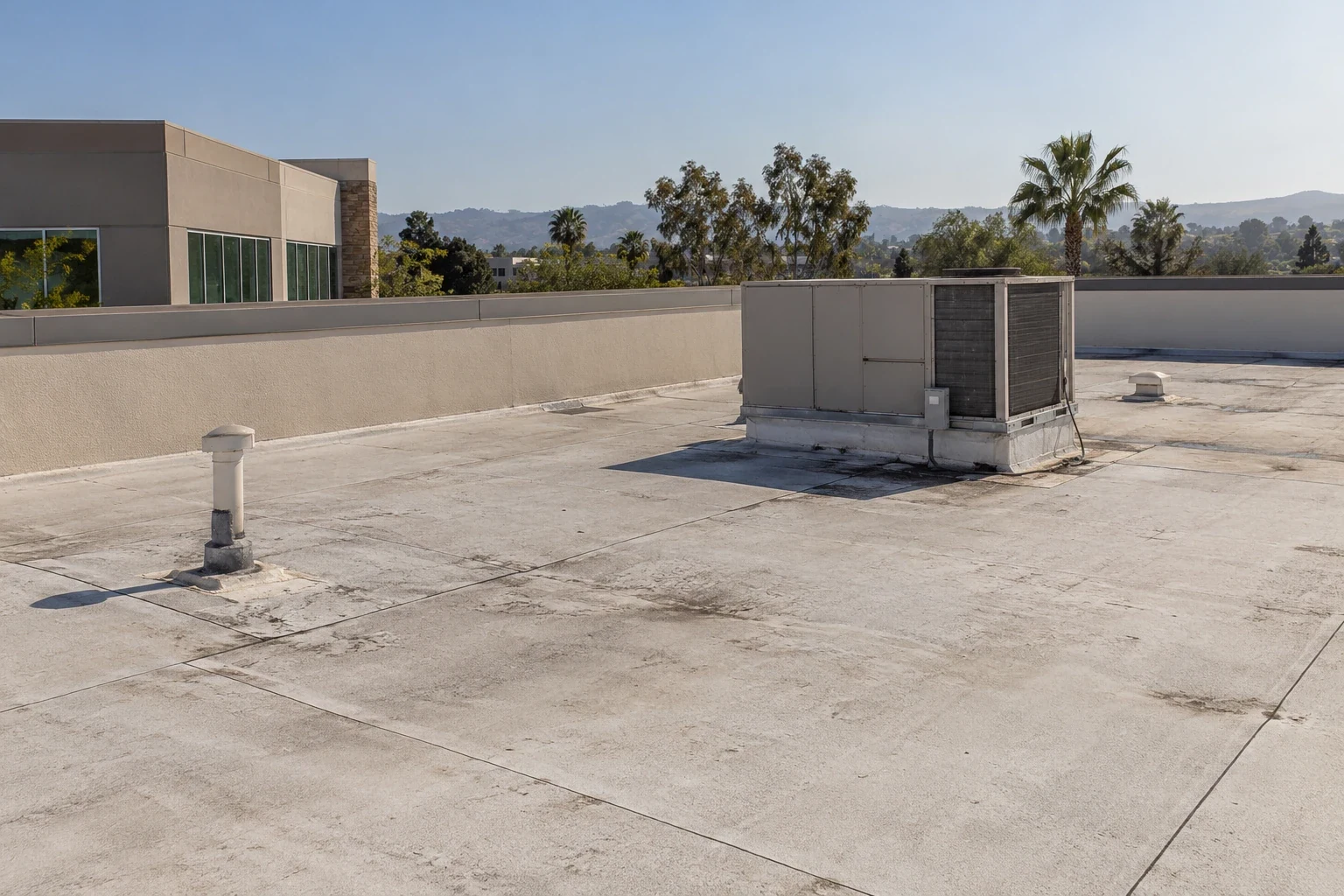
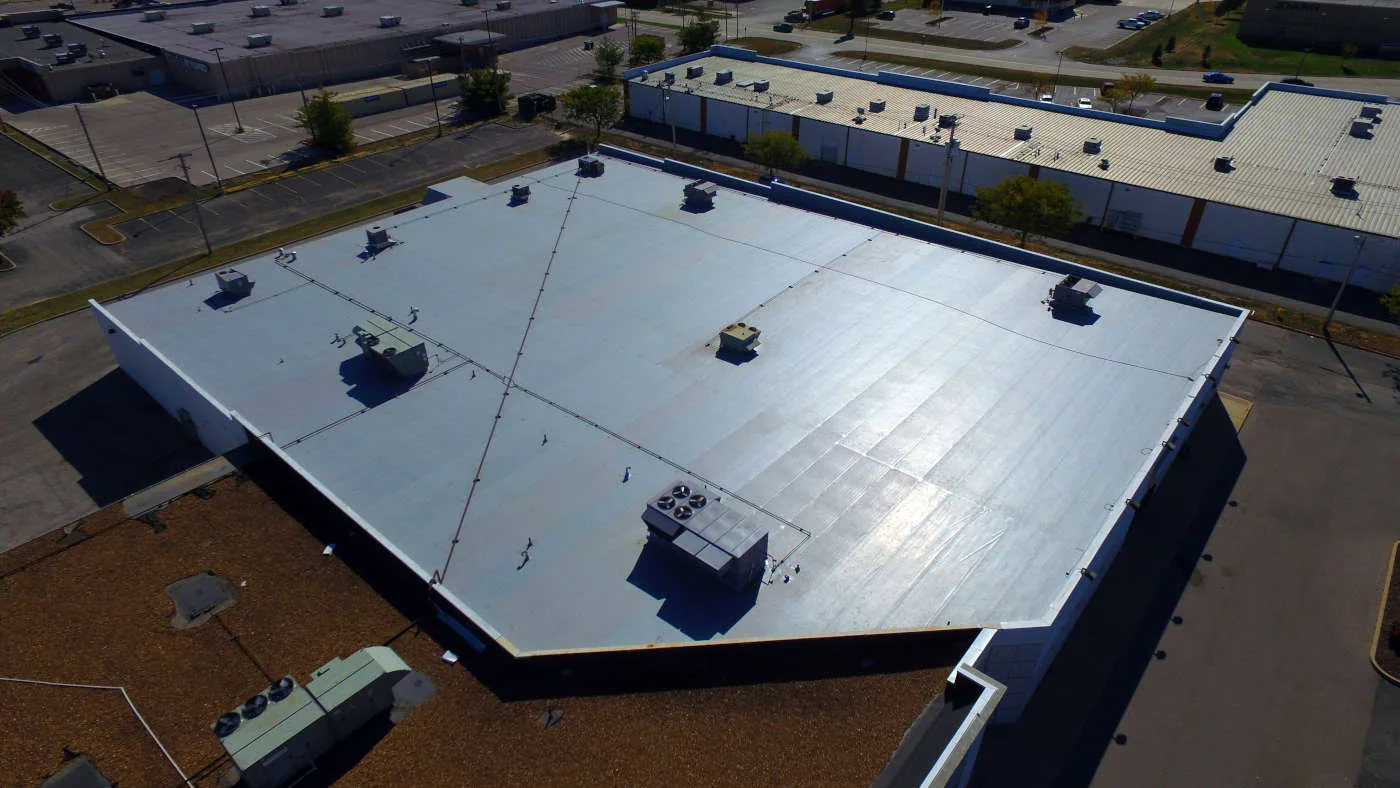
Summer heat in Temecula pushes a lot of owners toward a reflective roof, but a coating or new membrane only pays off when the roof underneath is ready for it. Picture a medical office where the flashing has pulled away from an HVAC curb. That curb has to be rebuilt and re-flashed before any cool roof option makes sense. A good roof condition report in Temecula, CA, tells you that plainly: what we found, where it is on the roof, and what has to happen before the next investment. For medical office roofs, we confirm who operates the building and which roof sections are in scope before we go up. We write the same kind of report for buildings in nearby Rainbow and Beaumont, and each one covers only the areas we could actually reach and inspect. If you have old repair invoices or a previous coating record, send them along. They often explain why a curb looks different from the rest of the roof, and we will note anything that no longer matches what is on the building today.
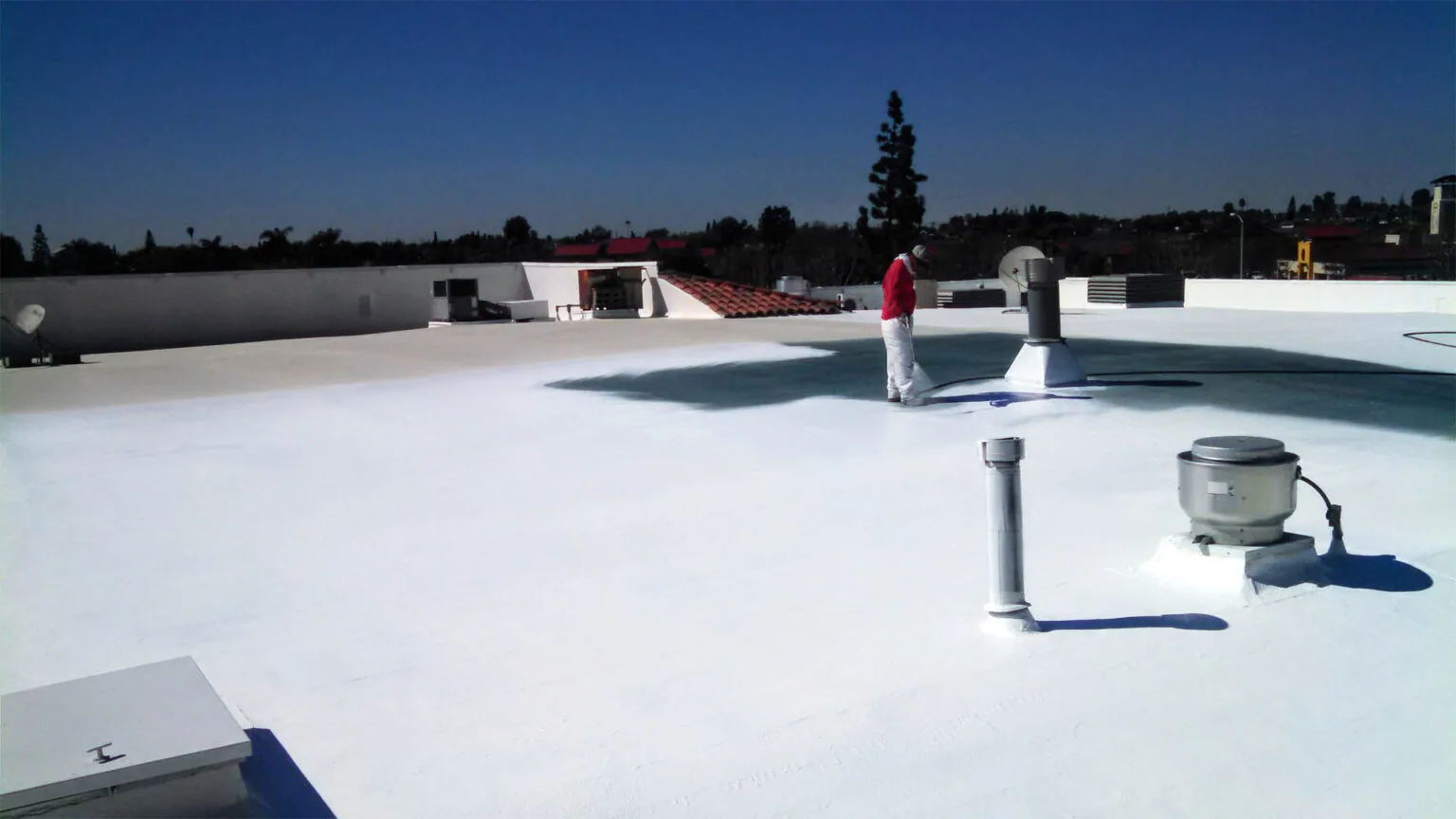
Extreme heat is one of the hazards the City of Temecula plans for, so it is reasonable to ask about heat gain when you review roof options. A reflective cool roof absorbs less sunlight and can reduce the heat that moves into the building. How much it helps depends on the building and the product, and we will not promise an energy number for a roof nobody has measured. What the report can answer is whether the existing roof can accept that kind of system and what has to be fixed first.
Cool roof installation starts with a look at the current membrane and its edges, curbs and penetrations. We note old coatings, loose or blistered areas and how much of the roof is sound enough to keep. Where wet insulation would decide whether a section stays or goes, we test it. Sometimes a new reflective surface is a good idea only after damaged layers are cut out and open flashings are closed. The report lists that prep work next to the option, so you can compare the full cost against a repair or a replacement instead of judging by how the roof looks.

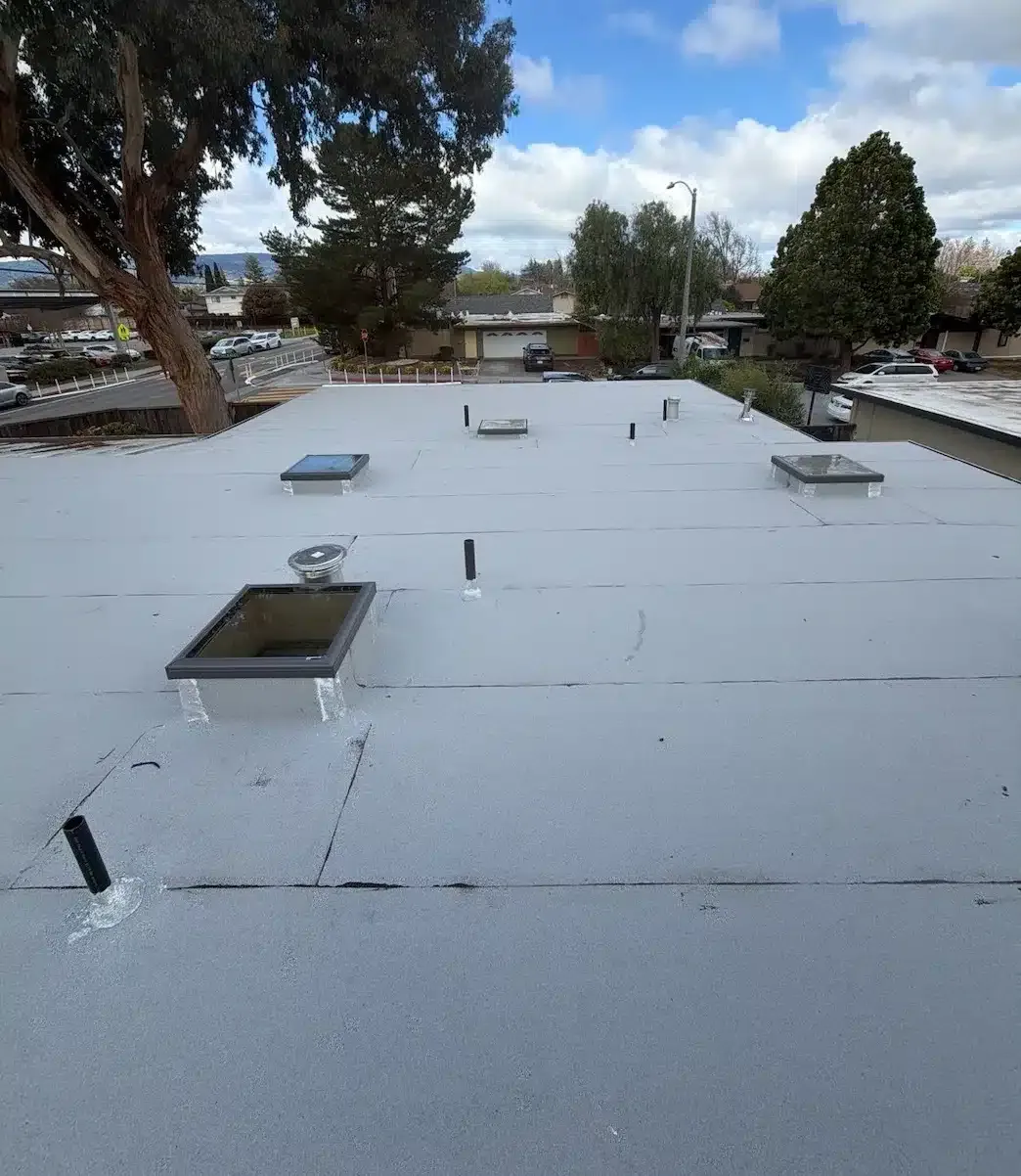
A close-up photo can show a gap without making it clear which side of the unit it is on. We take wide shots too, with a skylight, drain or parapet in frame, so anyone reading the report can walk straight to the spot. We look at the membrane, the curb wall and the top termination together. If the leak is coming from the equipment itself, such as a cracked cabinet or a bad gasket, we say so and note that the mechanical contractor should handle it. That keeps the roof finding separate from an equipment problem, and we do not claim a cause the evidence does not support.
An on-roof inspection has limits, and the report states them. If the back side of a unit was blocked, we say we could not see it and explain what it would take to get access. Checking the front of a curb tells you nothing about the far side. A membrane that looks fine on top does not prove the insulation below is dry. We describe what we saw, what we could not check, and how a closer look might change the repair, so you can act without guessing about the rest of the roof.
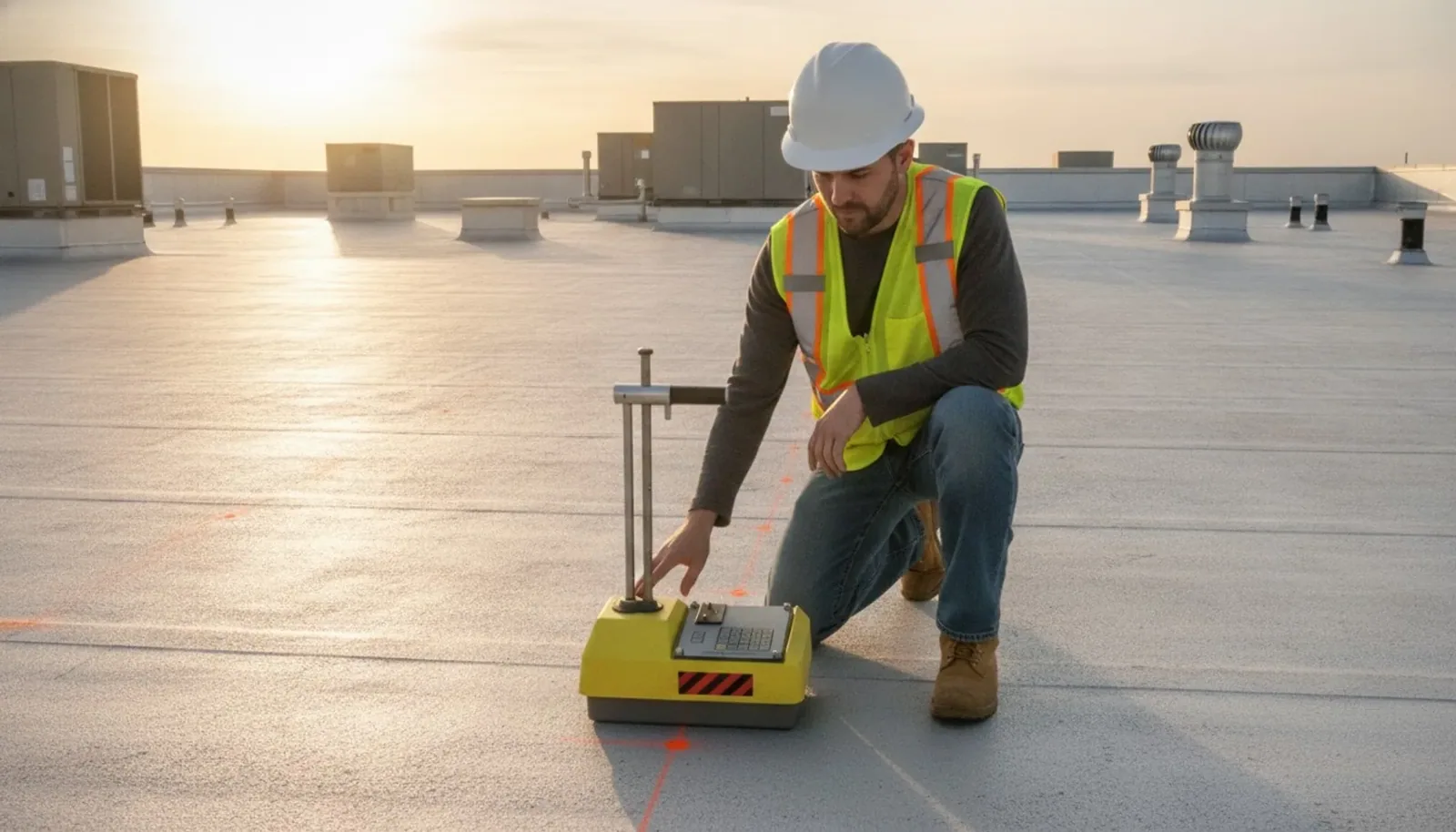
Water that got in at a failed curb may have soaked insulation well beyond the visible gap. We pick a test method that fits the roof and record what it actually proves. An infrared scan is good at pointing to suspect areas, and core cuts confirm whether the insulation is wet. Where we open the roof and find damage, the report gives the material, the location and the measured size of the wet area. Nearby areas we have not opened stay listed as unknown. That way you can see why one quantity is firm and why another needs a decision.
An infrared moisture survey should include patching every core cut and a clear note on what the scan cannot tell you. A scan on its own does not identify every wet layer or prove the rest of the insulation is dry. We tie the confirmed wet areas to the repair we are proposing around the curb. Replacing insulation can change the height of the roof at the curb and the flashing needed there. A surface patch over wet board usually fails again, so the report carries that through to the recommendation.
Sometimes the roof repair cannot be finished until the mechanical contractor disconnects, lifts or moves a unit. We put that step in the report right next to the roof finding. Questions about the equipment itself stay with the mechanical contractor. The building operator also tells us which rooms are occupied, when we can have roof access and where material can be lifted, before we pick a phase for tear-off. All of that goes into the report wherever it affects the repair. A fast patch is not much use if the curb still cannot be flashed properly.
Ranking roof repairs across your buildings only works if those dependencies stay attached to each item. For a medical building anywhere in Temecula, we confirm the exact site and the on-site contact who can grant access. Permissions at one facility do not carry over to another. The report marks any temporary patch as temporary, so it is not confused with the permanent fix. You get a clear status for each open item and the next decision it needs.
Every recommended repair in the report points back to the photo and finding behind it, plus the prep work it needs. Photos and measurements show where new material will tie into the existing roof, and any open questions about the deck or equipment stay listed. When the findings support both, the report compares a targeted repair with a larger coating or replacement option. It says which problems each option fixes and what it leaves out. Two bids that land at similar prices can cover very different amounts of work, and this makes that easy to see.
Building a roof capital plan from the report keeps its date and assumptions in view. If equipment is replaced, new leaks show up or more wet insulation is found, the recommendation may need updating. We check new findings against the original report before reusing an old conclusion. When one repair is finished, we document it without implying the rest of the roof is done. You end up with a plain record of what is on the roof, what it needs and what is still unknown, which supports approvals now and reviews later.
It should tie every recommendation to a specific finding and the prep work it needs. It should also say which problems each option fixes and how much of the existing roof it keeps. Areas we could not inspect and any equipment work should be listed clearly, not hidden behind a general description of the roof.
No. Photos show visible defects, but the insulation and deck underneath usually need an infrared scan, core cuts or both. The report states what each test proved and where more checking is needed. Tear-off quantities should be based on confirmed wet areas, not on the size of a stain or a visible gap.
The report should show where the curb is and what the mechanical contractor needs to do to expose it, such as disconnecting or lifting the unit. That step sits right beside the roof repair. That way you can schedule both trades instead of assuming a patch on the visible side seals the whole curb.
Review it when equipment is replaced or moved, when new leaks appear, or when testing finds more wet insulation. We compare the current roof with the dated findings in the original report. The older report is still useful background, but the repair should match the roof as it is now.
Tell us about the building and send any past repair records you have. We will go over what we found, what still needs testing and what the repair options would cost to compare.
Request a Roof Assessment