Heat is a real concern in Temecula, but money spent on a cooler roof still has to follow what the existing roof can support. If you are weighing a warehouse roof replacement against a reflective recover, someone needs to look at the drains and the layers underneath before either price means much. Roof capital planning in Temecula, CA, turns those findings into a practical spending schedule. We spell out the full work each option needs and the details that could change its quantities. That way you can rank spending with the real dependencies in view, instead of buying a nice new surface around a drain that still does not work. For an owner in Bonsall or anywhere in the valley, a useful plan separates confirmed work from questions that still need inspection. A warehouse roof budget should tie each allowance to the roof we actually looked at. It names the building and roof section, shows which drain or insulation problems affect each option, and keeps untested hidden layers listed as open items. That keeps a near-term repair clearly separate from a larger replacement, and stops early allowances from being treated as final quantities.
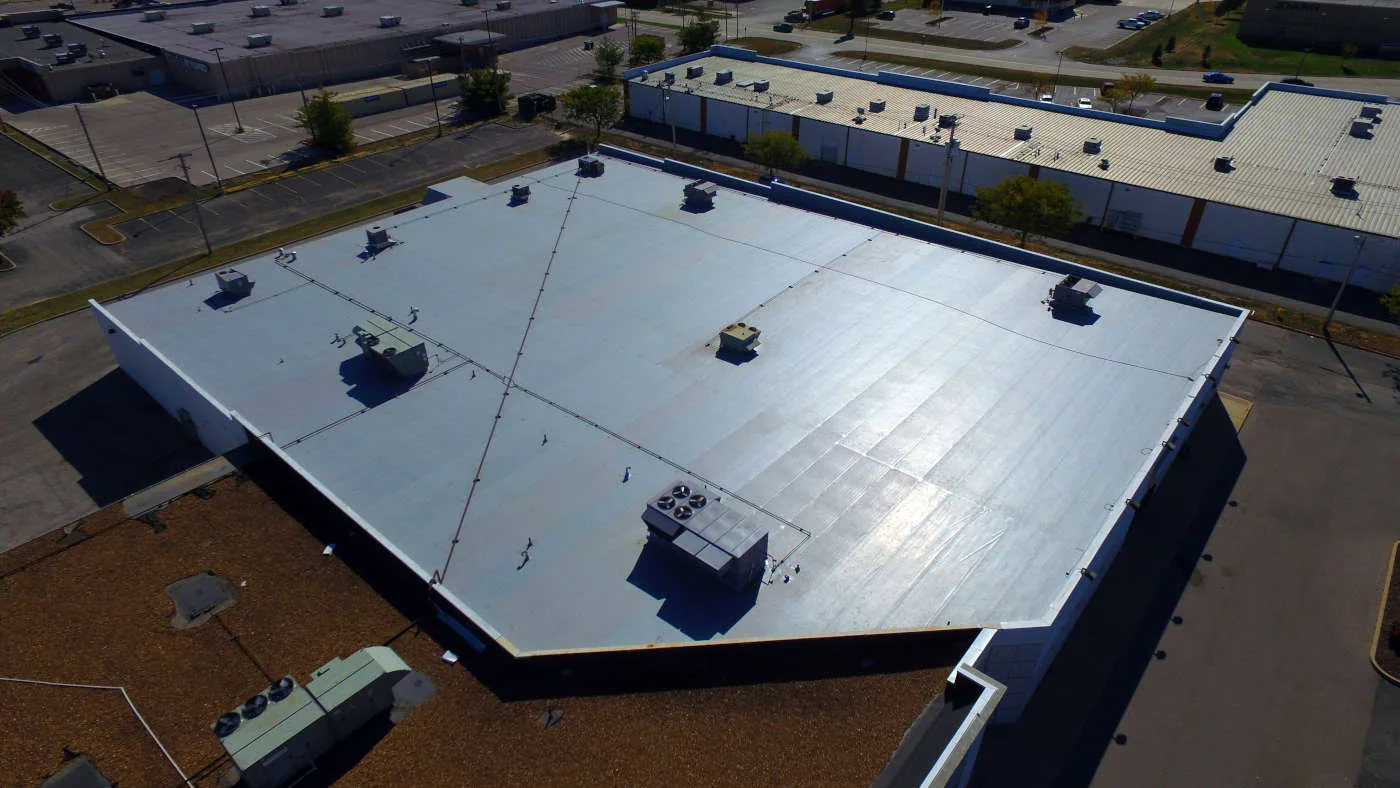
A cool roof reduces the sunlight a roof absorbs and the heat that passes into the building, and the actual benefit depends on the building and the product. That makes reflectivity worth considering, but the condition of the roof underneath decides how much prep comes first. If wet insulation is left under a recover, a coating-only quote leaves that problem in place. The plan should list what stays, what comes off, what insulation gets replaced and how the edges will be finished for each option. The price should describe the finished roof you would actually own.
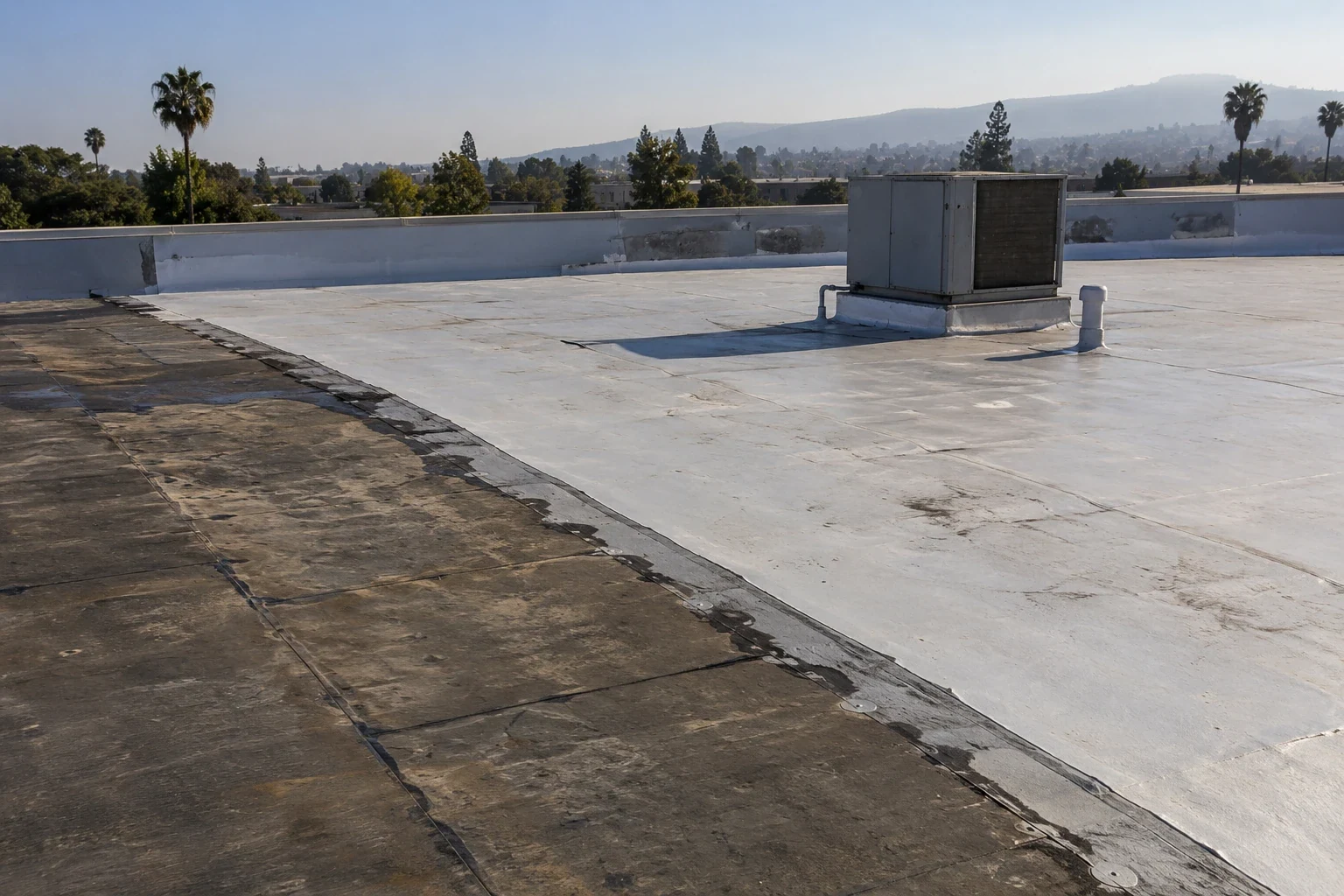
A roof recover needs an existing roof that is sound enough to keep and a manufacturer willing to warranty the system over it. We look at the current membrane and what we can reach underneath, then say what hidden conditions still need testing. You can compare a recover with a replacement once both include fixing the same known defects. Any cooling-cost study is a separate calculation using real building data. A reflective surface does not by itself save energy or make the cheaper option right. We explain what evidence supports keeping the roof and what finding would push the decision toward tear-off.
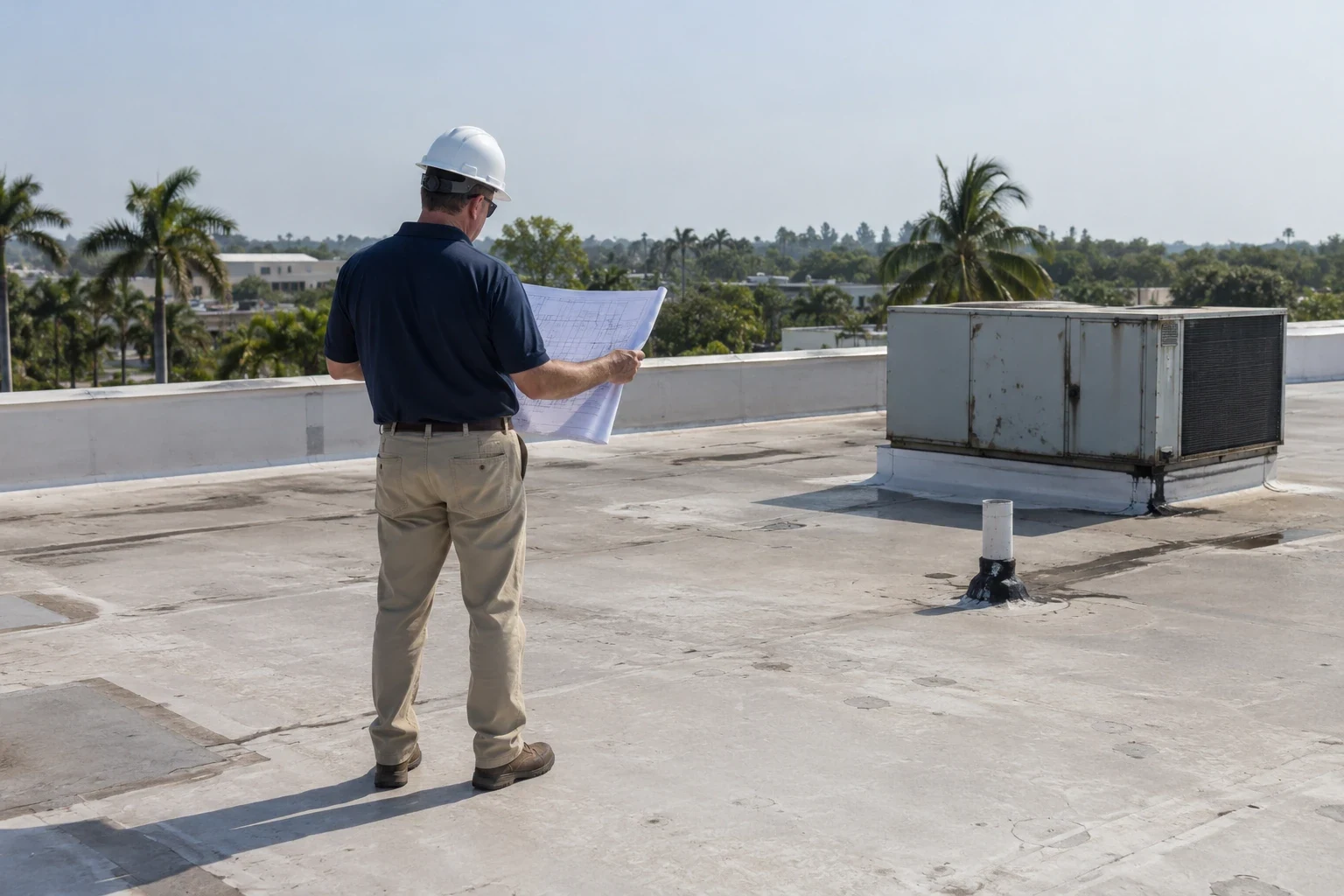
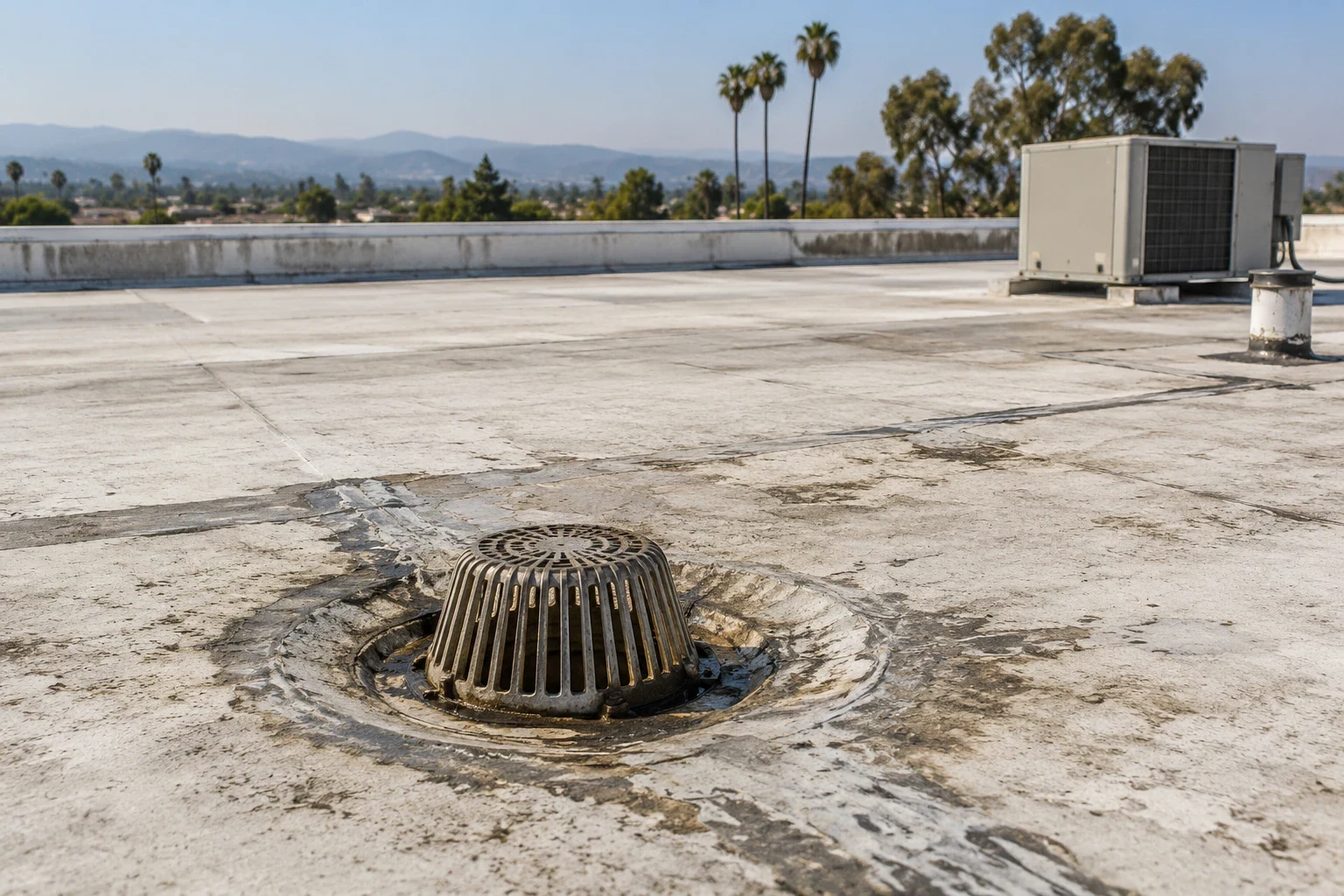
Adding new roof layers changes how the roof surface sits against an existing drain. We check the drain bowl, its clamping ring and the membrane around it. If the drain ends up low, or the area around it has to be rebuilt, that is work beyond the obvious square footage. Any design or plumbing questions need the right professional before the final detail is specified. The plan lists those steps, because parts sized for the old roof height may not fit the new one.
Including drain and scupper repairs in the roof budget keeps that work attached to the option it belongs to. We separate the roofing around the drain from plumbing work that needs a licensed plumber. A finished field does not mean a clogged or unfinished drain is ready. Each option should show how the drain will be flashed and how water will reach it afterward. Then you are comparing complete roofs, not one price that includes the drain and another that quietly leaves it out. That can change which job makes sense first.
If a drain connection is confirmed open and leaking, it may need to be fixed before any wider roof upgrade. On another building, sound insulation and intact flashings may make a recover practical once the product requirements are settled. We rank these choices by what we found at each building, where water is getting in and what really has to happen before the job can be finished. You should see why one job comes before another and which decisions are still conditional. A bigger tear-off is not always the best first investment when one blocked detail is keeping the roof from being sealed.
Roof asset management keeps those dependencies next to their costs. We show what the first phase finishes and what a later phase would add. If findings change, the schedule can be revised without losing the reason the first phase was approved. When you can share them, tenant schedules and the cost of waiting can feed into the comparison. We will not plug in a guessed operating cost in their place. The schedule stays grounded in complete roof work and the confirmed requirements for each phase.
Testing can confirm one area and leave another hidden area unknown. We say where that line is and what finding could change the budget. If tear-off reveals more damage, the revision should come with its location and measured size. You need a clear approval process and a temporary seal on the roof while the extra work is decided. A large contingency line does not explain what extra work is actually needed. The budget should keep each allowance tied to the open condition and to how we plan to confirm it.
A roof condition report behind each allowance makes later reviews simpler. For a roof project in Old Town Temecula, we keep the building's location and its access rules with that record. Getting on the roof to inspect is not the same as being cleared for tear-off and material deliveries. Each phase has to fit the restrictions the building operator has confirmed, not an assumption that the space will be empty. Mechanical contractor availability and parts on hand also affect when permanent work can start. You see those dependencies next to the dollar amounts they affect.
A replacement price can look higher simply because it includes insulation and drain work that a competing coating bid leaves out. We point that out before recommending either one. Each realistic scope should show what stays, what changes and how the new work ties into the existing roof. Any manufacturer or engineering review the method needs stays on the list. An open requirement should not vanish just because there is a price. You can then judge each option as a complete job, with the important exclusions spelled out instead of buried in the total.
Real estate investors and REITs need a roof budget that keeps the assumptions behind the comparison. After the work is done, photos and findings show which budgeted job was delivered. Later changes to the building may change the right option for the next area. We compare new conditions with the earlier record before carrying any recommendation forward. A capital plan stays useful when it can be revised around real roof conditions, costs and tenant arrangements. That beats a fixed schedule that ignores what the roof is doing.
Ask both bids to spell out what existing roof stays, which defects get fixed and how the flashings and edges will be finished. A recover only works over a sound existing roof that meets the manufacturer's requirements. Compare the finished scope of each before deciding whether the lower price is a real alternative.
Yes, list the drain work next to the roof option it belongs to, with any plumbing work shown separately. New insulation can change the height of the roof at the drain, which changes the parts needed. That work should be included before either option is treated as ready to build.
It should say where the unknown area is and what finding would change the tear-off or prep. It should also explain how the condition will be checked and how a change order gets approved. An allowance is far more useful when it is tied to a specific question about the roof.
Update it when testing confirms new damage, when equipment changes or when the building's access rules change the work. Keep the earlier assumptions on record and show what the new finding changed, so the revised order still makes sense.
Send us the phases you are considering and any condition reports you have. We will rank the prep work, access requirements and finished scope of each, with the costs that go with them.
Request a Roof Assessment