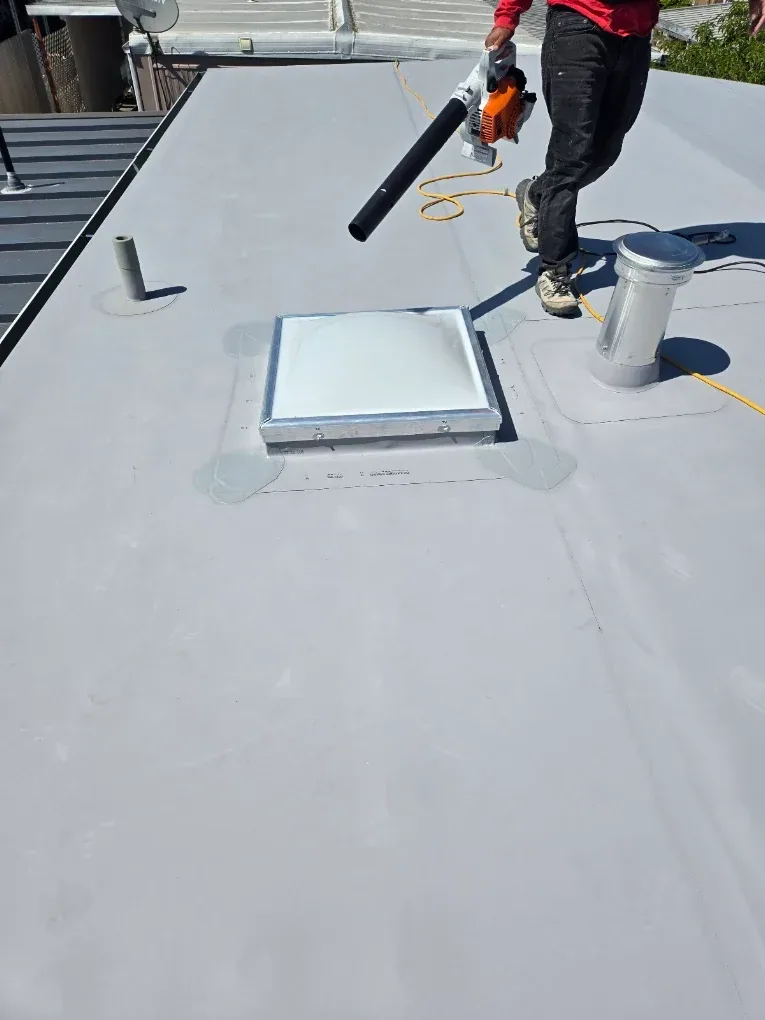
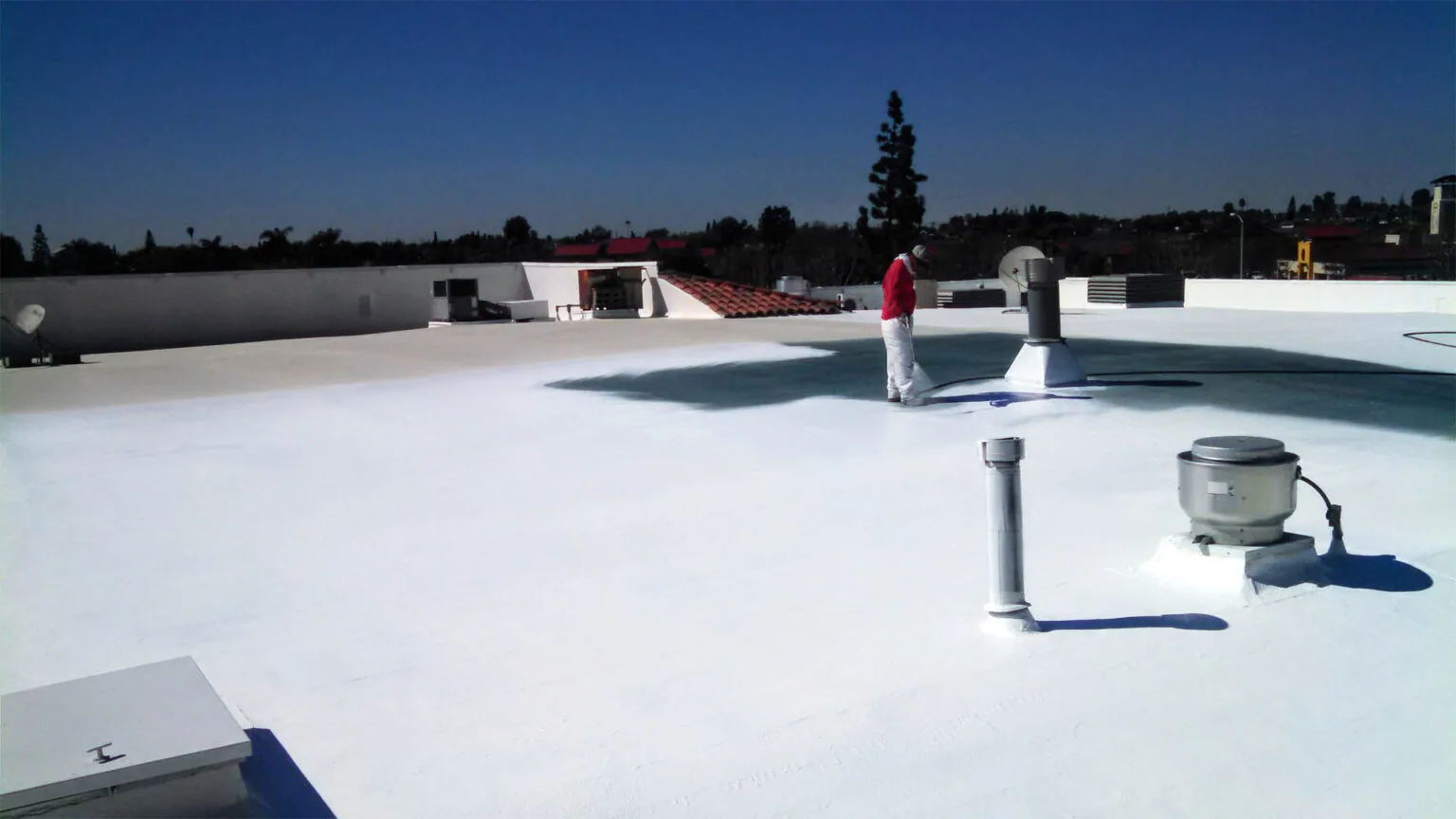
Apartment owners in Temecula often ask about reflective roofs after a hot summer, but a leaking pipe boot or failed pipe flashing usually needs attention first. A reflective surface can cut the sunlight a roof absorbs and reduce heat moving into the units; how much depends on the roof and the building. We inspect the pipe flashing, the membrane around it and the deck underneath, and compare that with where residents are reporting leaks. The plan should include a proper permanent seal at the pipe and the prep it needs, rather than assuming another coat of sealant will fix damaged material around it.
A pipe can also have a plumbing issue that is separate from the roof flashing, and a plumber may need to handle that before we can finish our part. Roof drawings, if you have them, help us find the pipe and the roof layers around it. We tell you which roofing can stay and where we need to test before deciding, and the property manager reviews which units will be affected by the work and the material handling. That way you can separate the leak repair, the plumbing work and an optional cool roof upgrade, with resident access and the repair method planned together for the building.
When pipe flashing fails, the damaged membrane often extends past the visible split, which means more prep before a permanent seal can go around the pipe. Penetration flashing repair starts with finding solid membrane and decking and choosing a method that works with the existing roof. TPO and PVC need clean, weldable surfaces; other roofs follow their own product rules. We cut out material that is too damaged to bond to and clean what can stay. You get a clear repair area instead of a vague plan to seal the hole.
Sometimes the pipe itself needs work or more clearance before the roof flashing can be done right. Leak investigation compares the roof around the pipe, nearby details and drainage with where residents are actually seeing water. If we see a plumbing or equipment problem, the right trade handles it. We keep the roofing repair and the plumbing work as separate items and tell you what is stopping us from sealing the pipe permanently. A neat-looking patch should never hide bad backing or stand in for a plumbing repair that still needs to happen.
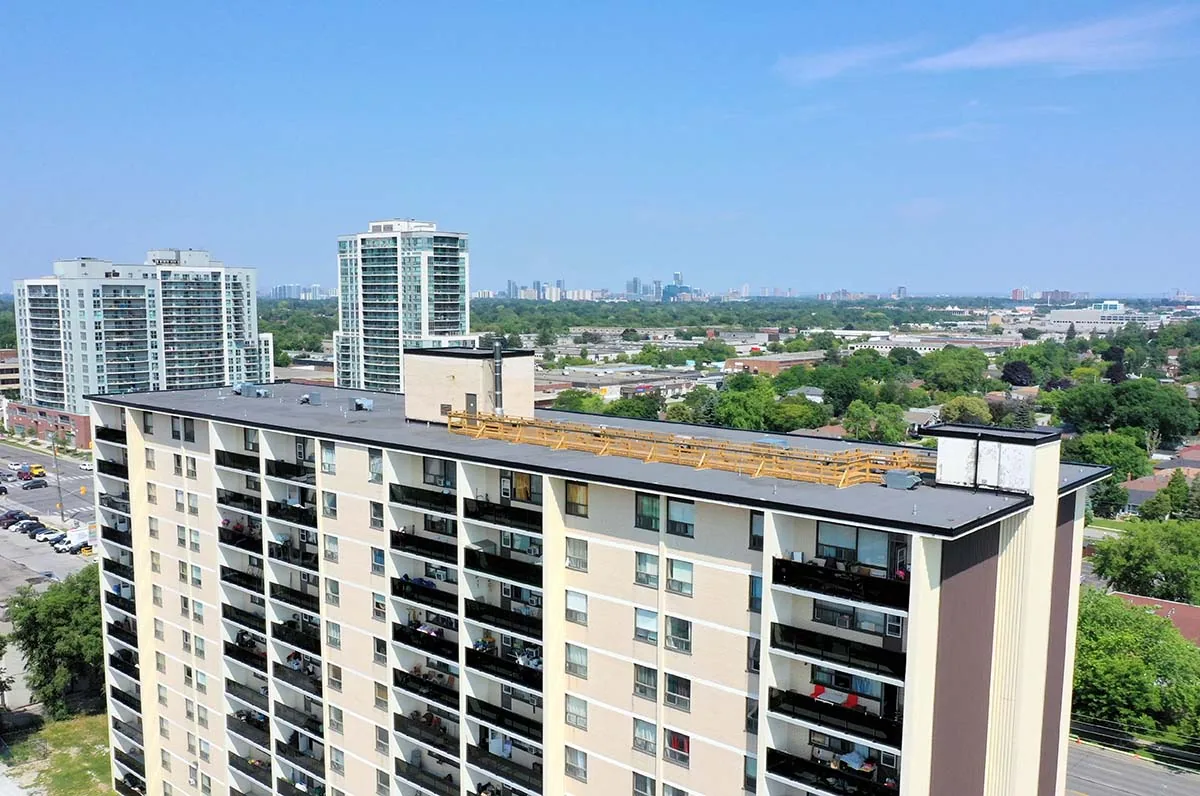
A reflective roof needs an existing roof that can accept it, including the flashing around pipes and vents. A cool roof review checks compatibility and the prep at those details before you commit to the full upgrade. An energy specialist can look at insulation, equipment and the building to estimate savings. We define the roofing work and point out where a thicker system changes clearances at pipes and curbs, so any savings goal stays tied to a method that will actually work. The proposal lists any plumbing or design work that has to happen before the final membrane goes on.
Hidden damage can change how much of the old roof can stay, even where the surface looks fine away from the pipe. Infrared scans have to be read against the roof build-up and the survey conditions before anyone decides the insulation is dry. Core cuts confirm the findings where keeping the old roof depends on them, and every cut is patched with the units below protected. We explain each question and whether it points to a small repair or larger tear-off. That lets you compare complete options rather than putting a surface upgrade first while the deck it needs to attach to is still an open question.
Opening the roof near a pipe can affect more than the unit that reported the leak, especially when tear-off or lifting happens above neighboring apartments. Roofing over occupied buildings starts with a plan showing roof openings, debris paths and material routes for the property manager. They decide access and the protection needed for each affected unit. Plumbing, equipment and electrical work stays with those trades. We match the repair to that approved plan before the work date is set, so the bid includes the resident-protection work along with the roofing.
If we find bad decking beyond the first opening, more units may need protection and tear-off takes more effort. We explain the added work before opening more roof and coordinate with the property manager. Any temporary seal has to tie into sound membrane while other work is scheduled. We can respond to urgent apartment roof leaks on nights, weekends and holidays, with access arranged through the property's contact. If water reaches electrical equipment, a qualified electrician should check it. Our records keep temporary fixes separate from the deck or plumbing work still needed before the permanent repair is done.
A visit to a property in Beaumont is used to find the damaged material and how far the repair needs to go. A complex in Moreno Valley is measured on site before any shared schedule is set. We inspect the roofing and decking before recommending a permanent repair area. The property manager reviews access and how residents will be protected, and a plumber or equipment contractor identifies any work needed at the pipe. Your proposal keeps the repair and the resident plan tied to the specific apartment roof.
Across the Temecula area, each building's roof condition and access rules are looked at separately. A complex in Beaumont and one near Moreno Valley each need their own inspection and their own sign-off from the property manager. We trace likely leak paths and test where keeping the old roof would change the plan. Any design or plumbing questions get answered before the permanent pipe flashing goes in. Then you can weigh a cool roof upgrade once the existing roof, the pipe flashing and the resident plan are all settled.
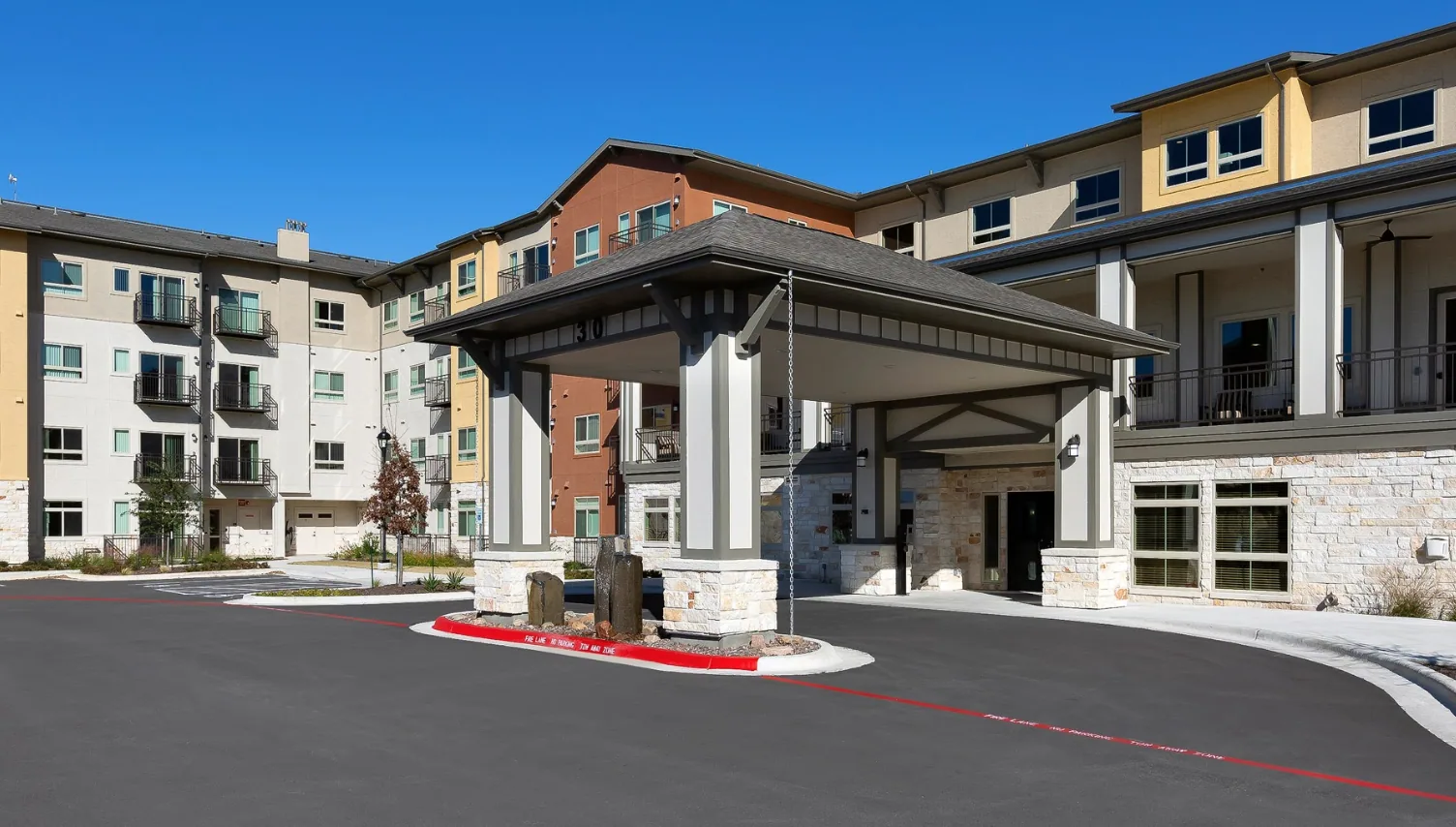
Senior living buildings can have very different care schedules and rules under a similar roof detail, so each project is planned on its own. Senior living roofing follows the protections that care facility needs. Hotel roofing works around guest rooms and occupancy. For an apartment roof, we base the options on the actual pipe flashing and the roofing we inspected here. A similar residential building down the street will not have the same deck or the same work window, so every roof repair stays tied to its own building.
Final photos should show the new flashing around each pipe and the membrane left in place next to it. The records list any open deck or plumbing items separately from the finished flashing. Temporary fixes are marked on the roof so future leak reports from residents can be compared with what was repaired and what is still pending. If you later consider a cool roof, that proposal can start from the finished pipe details. Your ten-year plan then shows which repairs are done, which items are still open, and whether a surface upgrade makes sense for the building.
Sometimes. If the pipe needs repair or more clearance, a plumber should handle it before we close up the roof around it. We list the roofing repair and the plumbing work separately so both get done.
Out to solid membrane and decking that the new flashing can bond to. We cut out damaged or contaminated material and test underneath when keeping the old roof depends on what we find.
We explain the larger opening before we cut, and the property manager arranges access and protection for the added units. A temporary seal keeps the roof dry while the extra work is scheduled.
Photos of the finished pipe flashing and surrounding roof, plus a list of open deck or plumbing items and any temporary fixes. That gives a future cool roof or repair project a clear starting point.
Tell us about leak reports, where the problem pipes are and how residents are affected. We will inspect the roof and compare the permanent repair with the cool roof options that make sense for your building.
Request a Roof Assessment