Choosing a cooler roof surface for Temecula's summer heat is one decision. A warehouse owner calling about a roof edge that tore open in a storm has a different, more urgent one, and it starts with a look at the roof itself. Storm damage roof repair in Temecula, CA, compares what we find on the roof with when the problem showed up, without assuming the storm damaged every hidden layer or that the cause is settled. A warehouse roof inspection after a storm plans around docks and equipment along with temporary protection and permanent repairs. We confirm the roof materials and any insulation questions before quantities depend on them, so your spending goes to the repair the damaged detail actually needs. For storm repairs in Moreno Valley, the opening and temporary protection are based on the damage we see on that property. For a Lakeland Village claim, we compare the storm date you report with any photos and the visible damage, and note what is still uncertain before setting permanent repair quantities. Hidden insulation may need a core sample before tear-off is chosen. The repair ties the damage we observed to solid insulation and properly built details, with any open questions listed.
When a problem showed up and the date of the storm are useful clues, but the roof still has to be inspected before a permanent repair or any conclusion about cause relies on them. We keep any earlier photos and roof records next to what we see now, and say so plainly when we do not know what the roof looked like before. An open seam or torn edge is one fact; why it failed is another, because timing alone cannot account for every factor. The recommendation names the repair we are making and any equipment or other trade review needed before the detail can be finished.
A roof inspection after a storm compares what we can see with the decision you face: repair this area or rethink the roof. We list where we could not reach and what is still hidden, and treat wet insulation and loose fastening as separate questions that may need separate tests. A large ceiling stain does not show how much hidden material has to come out. Permanent quantities follow what we confirm, while the storm date stays a separate piece of information. That keeps the repair decision concrete instead of turning the word storm into a verdict on the whole roof.
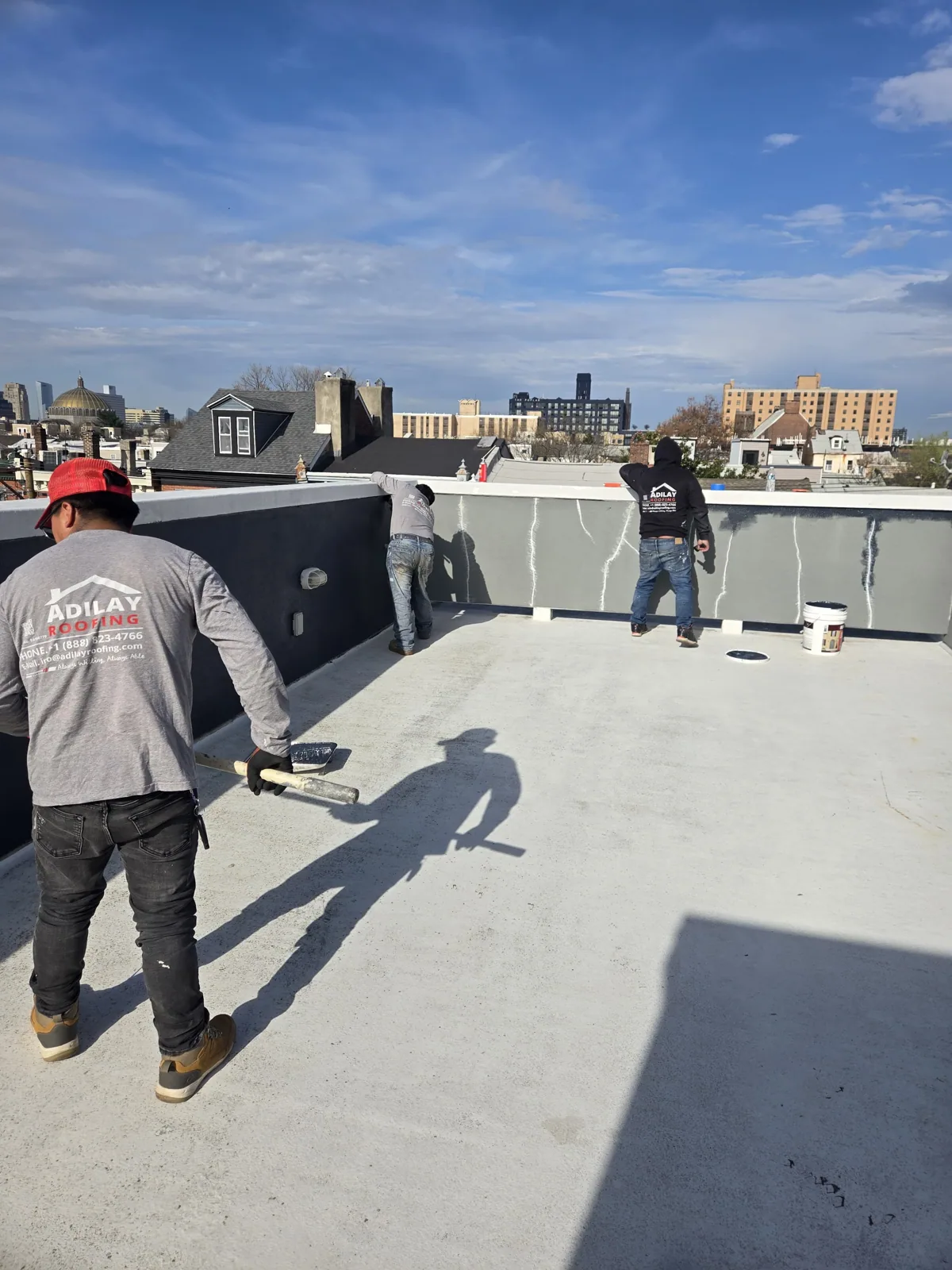
A torn roof edge may need temporary protection right away, before it can be rebuilt, especially if a unit or damaged wall is in the way. We talk through the building's restrictions and any approvals before describing what we can do now, and keep the temporary seal separate from a finished repair. You should see which permanent materials and insulation questions are still open next to that temporary work. A tarp over the opening does not remove wet insulation, and finishing another part of the roof does not close a detail we cannot reach. The permanent fix follows the full detail, properly prepared.
An emergency repair phase before the storm repair lists details we cannot reach yet and who needs to clear them. We compare the size of the opening with the work assigned, and keep water paths and equipment issues separate where another trade needs to look. We may need to confirm the existing membrane before ordering matching flashing parts. Further testing and any change in insulation quantities stay as decisions you approve, rather than assuming the roof is fine because the patch looks good. The job is finished when the permanent repair is done, not when the tarp goes on.
Water coming in through a torn edge can soak insulation well past the visible damage, so we confirm how far it spread before setting a tear-out quantity. Suspected wet areas are kept separate from confirmed ones, and the price includes tear-out, disposal and new insulation along with the roof repair. If more damage turns up, you review and approve it while the roof stays protected. New membrane on top will not dry out wet insulation left underneath. The repair follows the roof's condition, not just the date of the storm, and any open questions stay written down.
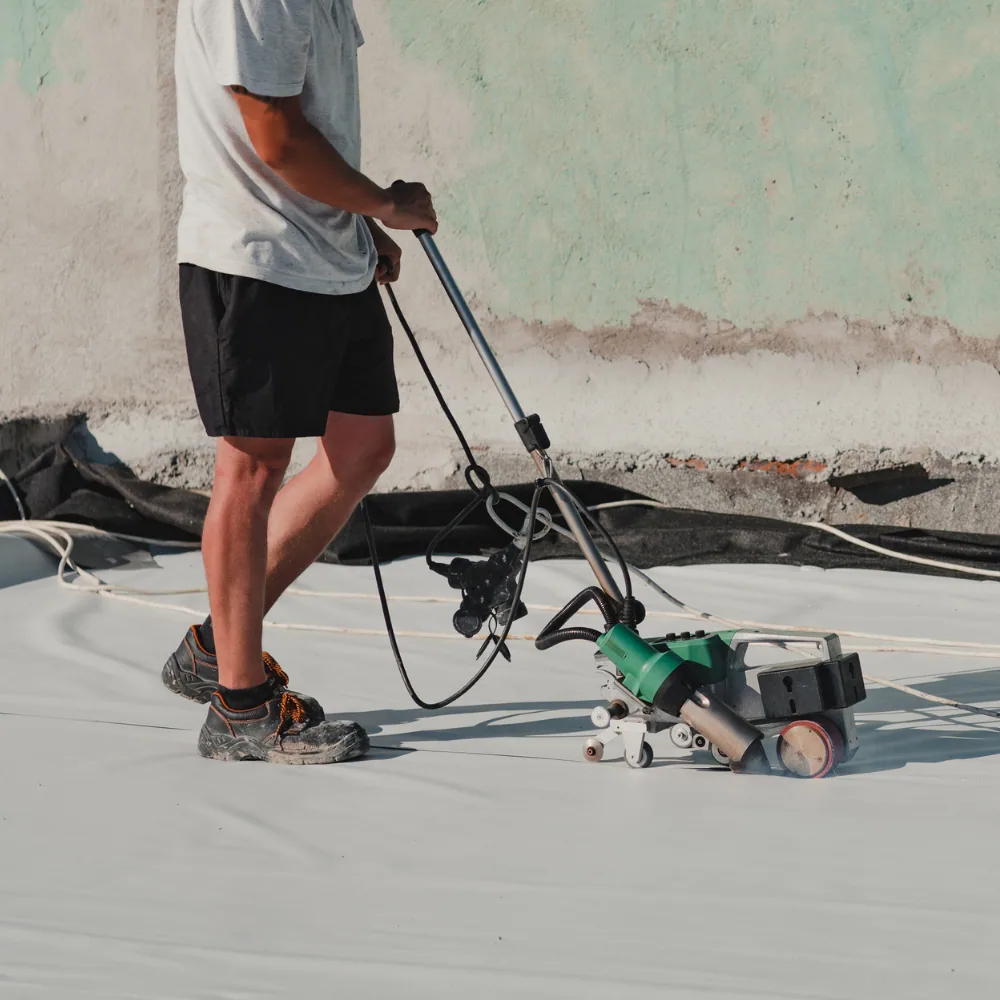
A TPO storm repair needs its membrane, insulation and flashing parts spelled out together. A PVC repair option for the same damage has its own prep and detail requirements. Two repairs the same size do not use interchangeable parts or take the same labor, so the insulation work and where the repair stops should be the same in both options. The manufacturer and project requirements govern what gets ordered, and seam testing stays separate from checking the hidden insulation.
Rebuilding the insulation can change the height next to an existing curb or wall, so the shape of those details is part of the repair, not something to sort out under a general allowance. We measure the heights we can reach against the proposed repair and include any curb or wall flashing rebuild before quantities are final. Moving a unit or prepping a wall may be someone else's job, and it may have to happen before we can finish the flashing. Membrane ready to go elsewhere on the roof cannot finish that blocked detail. Work goes ahead when solid insulation, the right parts and the other trades are all ready.
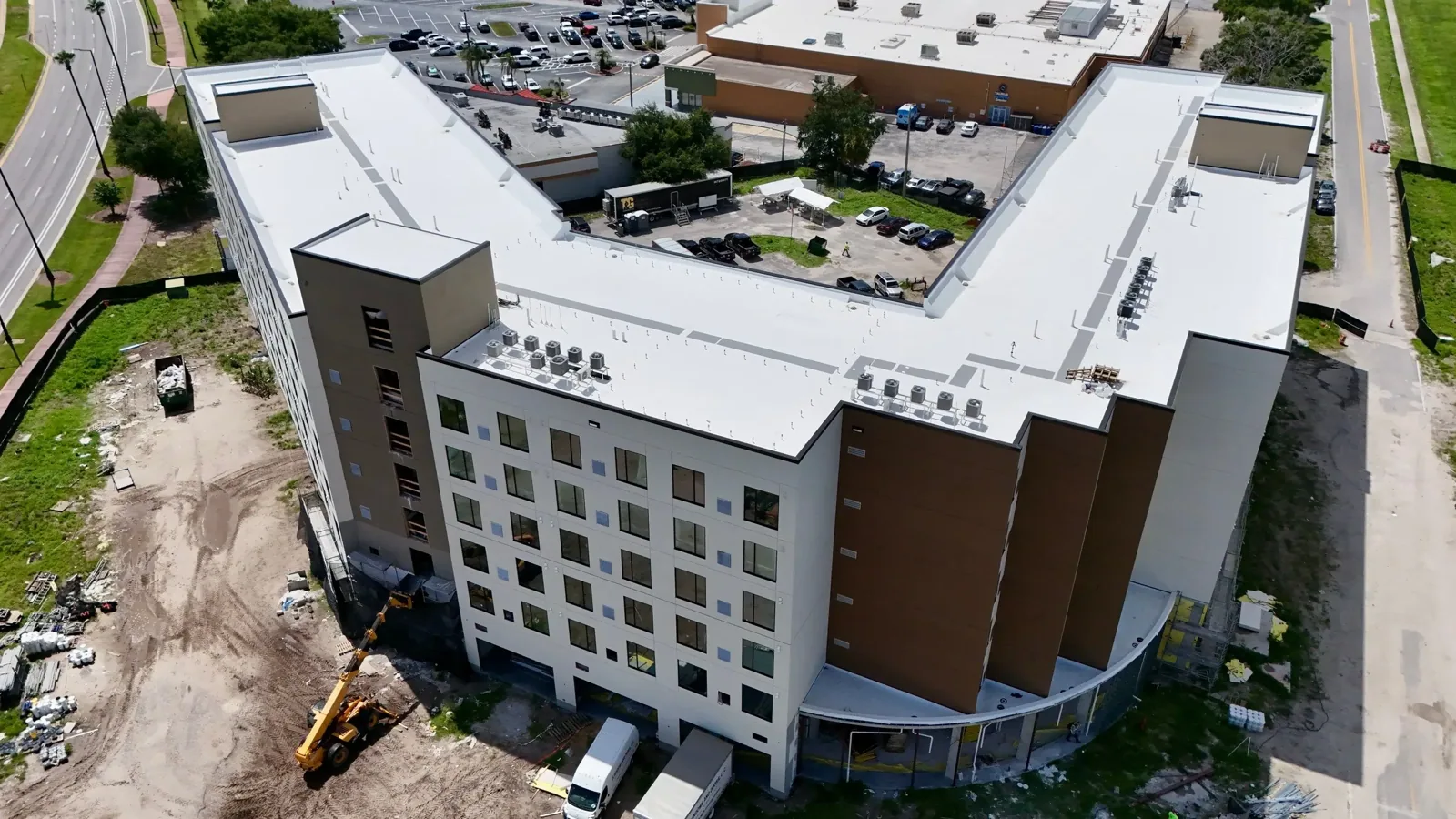
A permanent repair after the storm plans delivery routes and building hours around the actual detail. Limited access can add handling and extra setups, with a temporary seal kept in place wherever permanent work is still waiting. A square-foot price cannot explain all of that. We compare a local repair with a bigger project where the condition needs a closer look, keeping the same finished details in both. The final price follows the permanent work actually completed and any work still waiting on another trade.
After a storm report near Canyon Lake, we keep the storm date and interior symptoms separate from the roof conditions found during the inspection. A request on Temecula Parkway gets its own survey, with temporary protection and permanent repair quantities recorded separately. Requests around Old Town Temecula storm damage repairs follow the same approach, noting when we do not know the roof's earlier condition. Reported damage gets its own condition account, and HVAC or other trade items stay listed beyond any roof work already finished. The record shows clearly where our repair begins and ends.
We keep what you reported about the storm and any earlier records separate from what we found, the insulation work and the materials installed, with photos tying them to locations on the roof. Agreed checks stay with the detail we repaired, and roof areas we did not inspect need their own look. Any warranty or insurance terms should be reviewed by the right people rather than assumed. You get a clear account of the repairs and any open questions, with the cause of the damage kept separate from the work we did.
The storm date and any earlier photos or roof records, alongside what we see on the roof now. We keep the repair separate from any conclusion about cause, so the word storm never decides how much hidden material was damaged.
No. We check the insulation around the opening with cores or test cuts, keep suspected wet areas separate from confirmed ones, and price tear-out, disposal and replacement into the permanent repair, with your approval for any changes and the roof kept sealed.
Confirming the existing membrane and how the detail is built, so new parts and prep match the manufacturer's requirements. If a unit or wall has to be dealt with first, that trade's work is scheduled before the flashing, since having parts on site does not make the detail ready.
Keep the storm details and earlier records separate from what we found and what we installed. Photos and agreed checks are tied to the repaired locations, and any uninspected areas or open items for other trades stay listed.
Tell us when the storm hit, where the roof is damaged and send any earlier roof records. We will make it safe, inspect what we can reach and explain the permanent repair.
Request a Roof Assessment