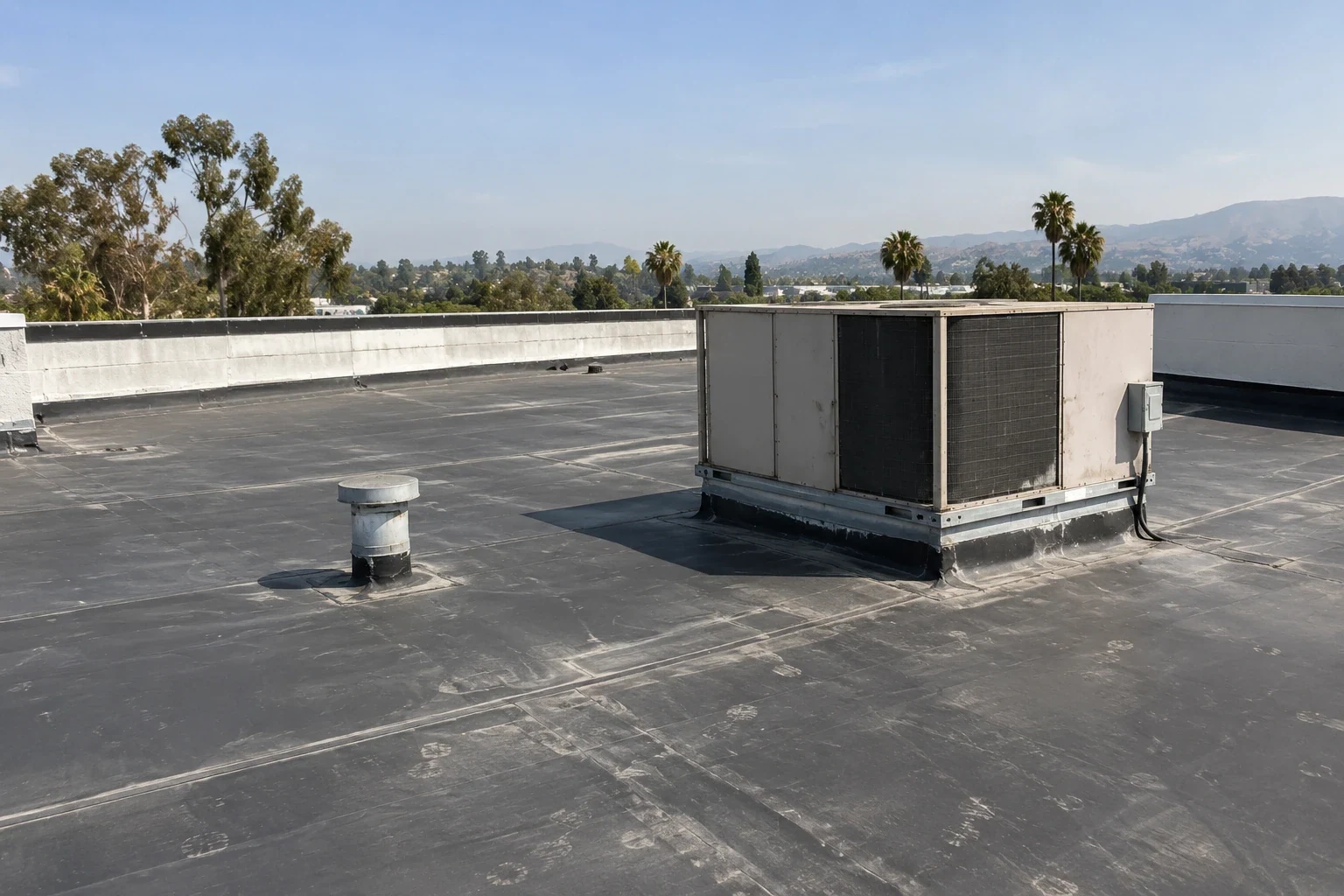
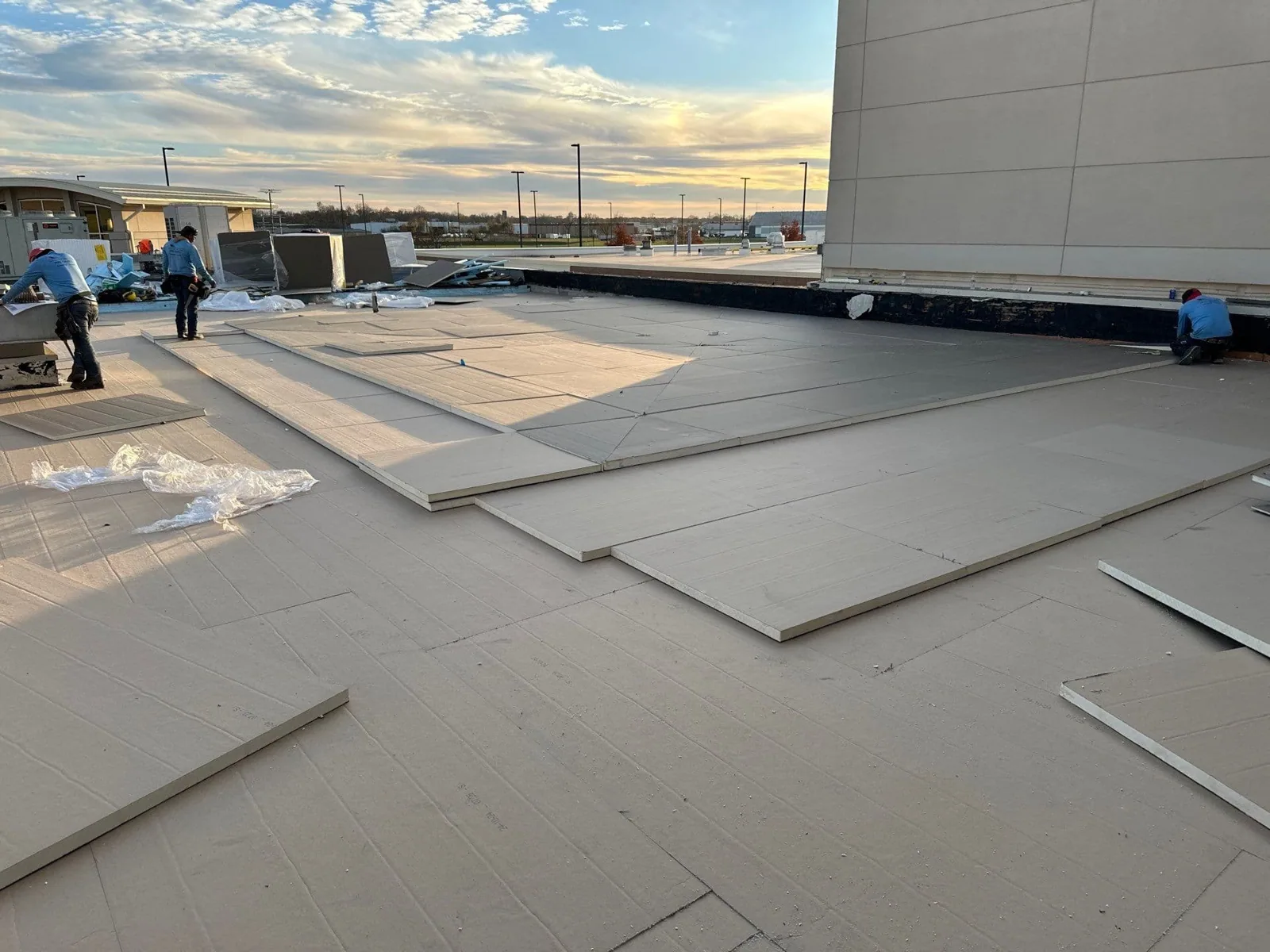
Heat is a real concern in Temecula, and that gives an office building owner a reason to look at roof surfaces. A Carlisle SynTec decision still starts with the roof the new system will go on. Carlisle SynTec roofing in Temecula, CA, compares specific EPDM, TPO, PVC and fleeceback options against the condition of the insulation, the fastening requirements and the flashing details around equipment. For office building roofs, the review should show the chosen product and the roof work behind it together, so a good-looking field price does not leave tear-off, cover board or a hard-to-reach detail out of the budget. A building near Aguanga may have a very different roof build-up from one near Vista. Before we specify Carlisle materials, we confirm the existing roof, field conditions and accessory requirements for the exact roof we are pricing. The Carlisle option includes whatever testing the existing roof needs, and any access assumptions stay on the list until the building owner settles them. Hot weather does not tell you whether the insulation is wet, which product suits the roof or when you can get access. You need a plain explanation of which repairs come before ordering material and what has to be ready on site before permanent work can start.
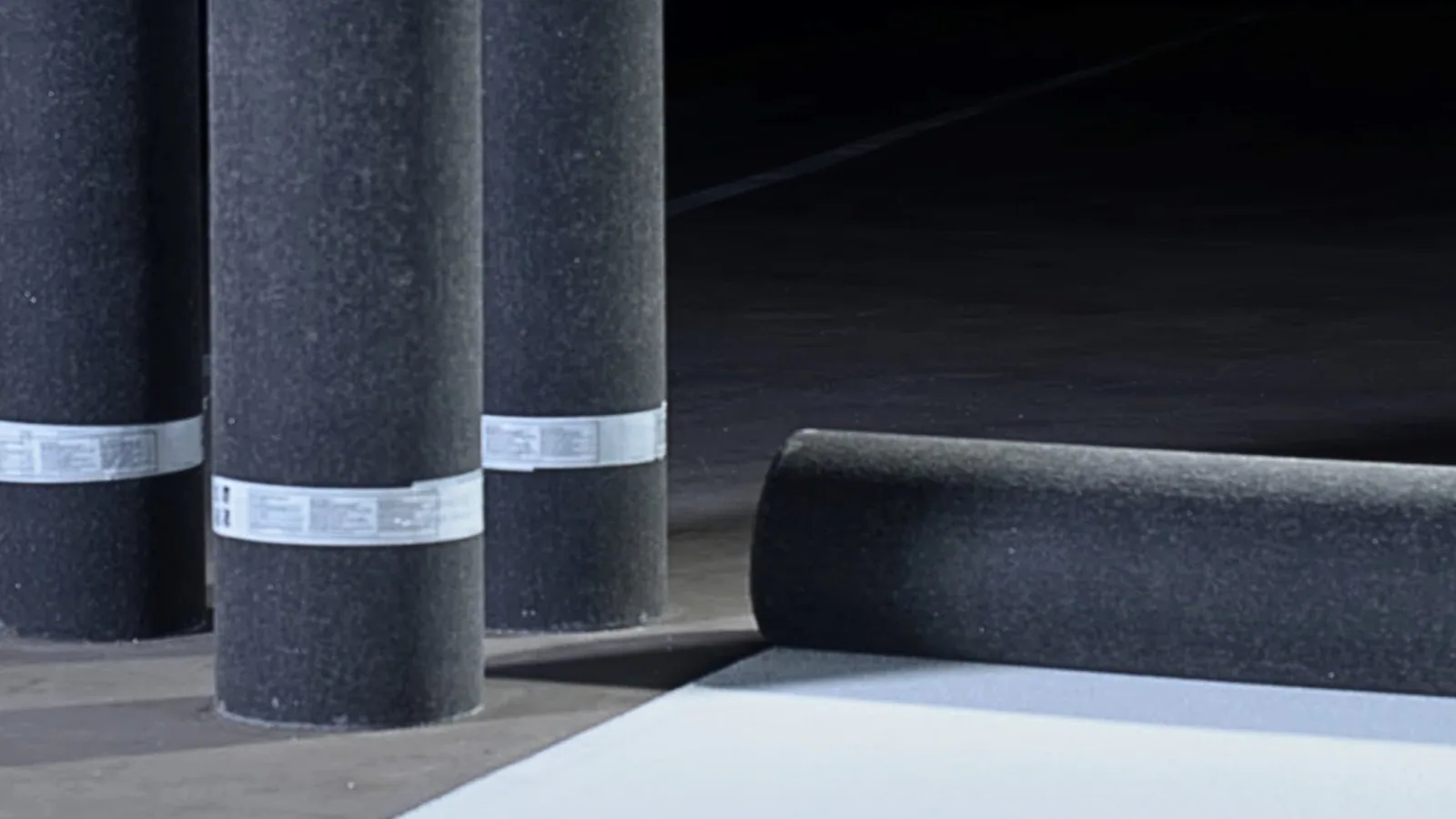
Carlisle's commercial lines include EPDM, TPO and PVC, along with fleeceback versions, so the owner has real choices that need component and installation review rather than one material allowance. A Carlisle EPDM roofing proposal should name the specific membrane, seam details and project requirements before quantities are priced. Switching to a different membrane can change flashing prep or fastening, but every option still needs a sound roof underneath.
Ask for the exact system and matching accessories with each proposal, along with the existing material each new wall or drain flashing will tie into. Fleeceback is a product type within the line. It is not a reason to keep wet insulation or use an adhesive nobody has approved for the job. The recommendation should explain the surface the system will go on and the prep it needs before any product advantage enters the cost discussion. That keeps purchasing tied to sound construction, and stops similar-looking membranes and accessory packages from being swapped without review.
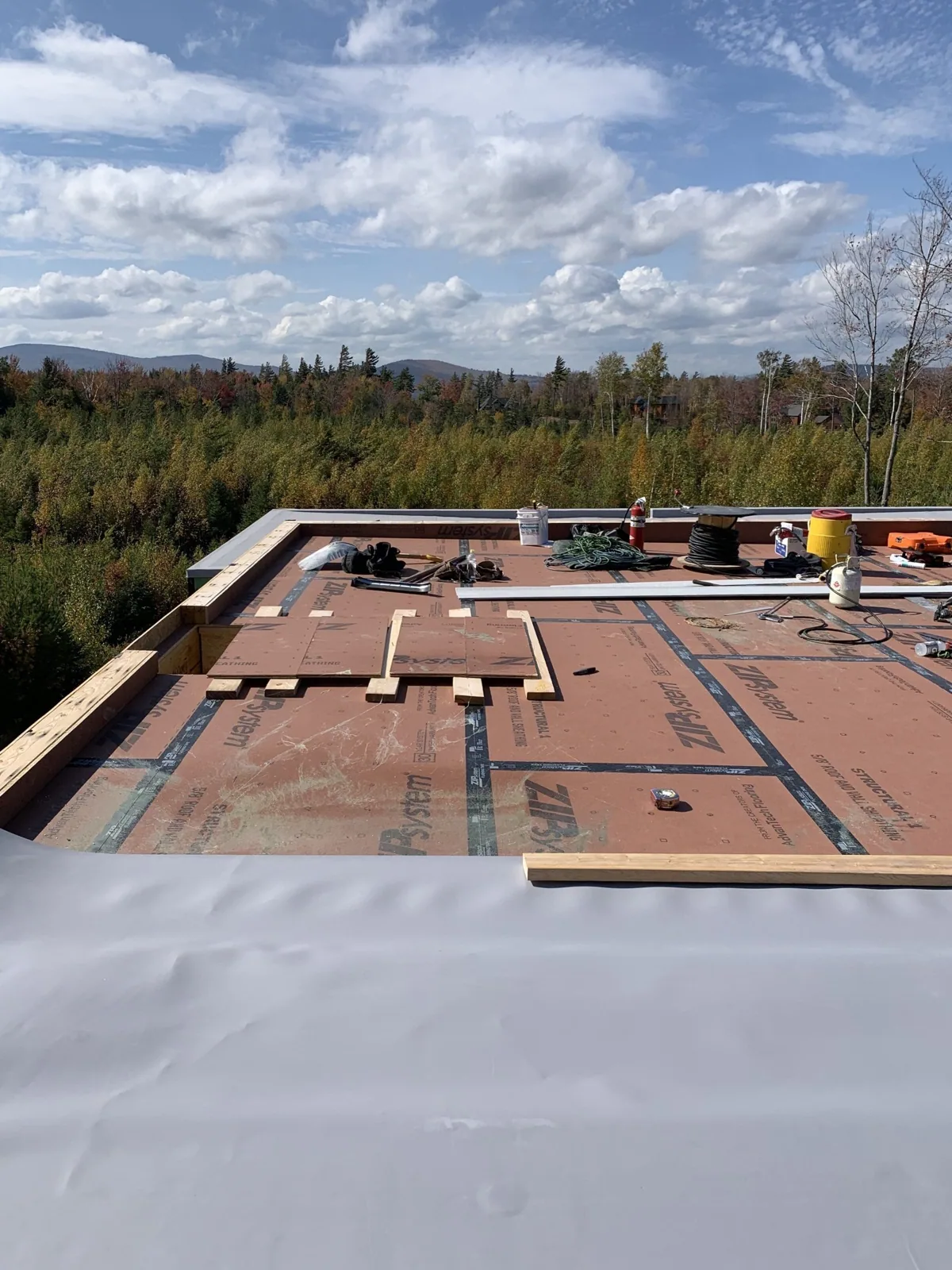
The system you pick has to be fastened or adhered through layers that can hold it, so the existing roof and the deck under it need checking wherever the new system will depend on them. A Johns Manville comparison with a Carlisle proposal should keep the measured insulation replacement, sound surfaces and any testing next to the membrane quantity. The surface cannot tell you whether hidden insulation is dry, whether the fastening plan will be accepted or whether the roof under an old repair can take the new system.
Where more testing is needed, its location and purpose should be clear before the estimate assumes the roof can stay. If tear-off reveals more wet or failed insulation, the quantities change, and that may need another review, approval and a temporary dry-in. You should understand that before a lower material price picks the system. Fastening and insulation repairs belong in the same spending decision, because no membrane can finish the roof while the layers holding it are still in question.
A Versico alternative to a Carlisle proposal needs its own selected components and project review, with the same roof area kept for comparison. Necessary repairs should not drop out just because the alternative uses a similar membrane type. You should see the accessory and prep differences alongside the repairs that stay the same under either choice, so the reason for any price gap is clear before you buy.
Wall, drain and equipment flashings deserve a full allowance, including the actual materials they tie into and any other trades involved. If one proposal assumes an existing curb can stay untouched while another includes a permanent fix, reconcile that before comparing field quantities. Similar product types also do not mean identical installation requirements or interchangeable parts. A good recommendation carries the finished flashing and who does what through both options, so a brand preference does not hide missing work or create a change order that could have been caught up front.
For Carlisle SynTec roofing near San Jacinto, we document the roof condition and the person who can approve access. A building in Romoland gets its own inspection before measurements or timing are combined. A Carlisle job at an occupied building needs confirmed access, equipment that is ready and protected work areas tied to the details being repaired, rather than an assumption that the whole roof is open for installation.
If a curb cannot be reached until another trade acts, we name that task and the temporary protection needed while the detail stays open. Working in separately released sections can mean more handling and repeated setup than a single field quantity suggests. You should compare those costs next to the insulation repairs, with the project's current requirements setting what order is allowed. The practical sequence brings sound insulation, approved components and reachable details together, so spending follows work that can be finished, not an allowance that leaves a blocked detail out.
For Old Town Temecula roofs, the record should keep the specific roof and its installed Carlisle components next to the findings that drove the choice. It shows where insulation was replaced and what existing construction stayed, with photos of the finished flashings. Any open equipment or operating items stay listed, so later maintenance can tell a new problem from something that was left for another trade.
Any warranty offered has to be checked against the installed system and its installation and alteration terms before it affects the spending decision. Keep the manufacturer's acceptance and the construction records with the finished roof file, and ask the manufacturer about any component that does not match rather than assuming the product line answers the question. That gives you a clear record of the roof installed, the prep done and anything still relevant to future work. Later decisions can then be based on real materials and locations instead of a general brand preference.
The system that fits the existing roof's condition and the project's requirements. Ask for the membrane, the fastening method and compatible flashing details together, then compare alternatives over the same repair area so the product choice does not get ahead of the prep it needs.
No. The condition of the roof underneath and the prep it needs are separate questions. Testing and measured repairs come first, and the fleeceback product and its installation rules are then checked against the actual surface it will be adhered to.
Match the roof area, the insulation repairs and the finished flashing details before comparing field quantities. Any change in components, fastening or phasing should be explained, and any curb that cannot be reached yet should stay visible so a lower price cannot quietly leave out work the other proposal includes.
The installed components, where repairs were made and photos of the finished flashings, along with any open items. Check any warranty's eligibility and alteration terms against that record, and ask the manufacturer about anything that does not match before it affects future purchases or maintenance.
Send us your roof records, any questions about the insulation and the equipment limits on site. We will inspect the roof and explain which Carlisle systems fit, with the full prep and responsibilities spelled out.
Request a Roof Assessment