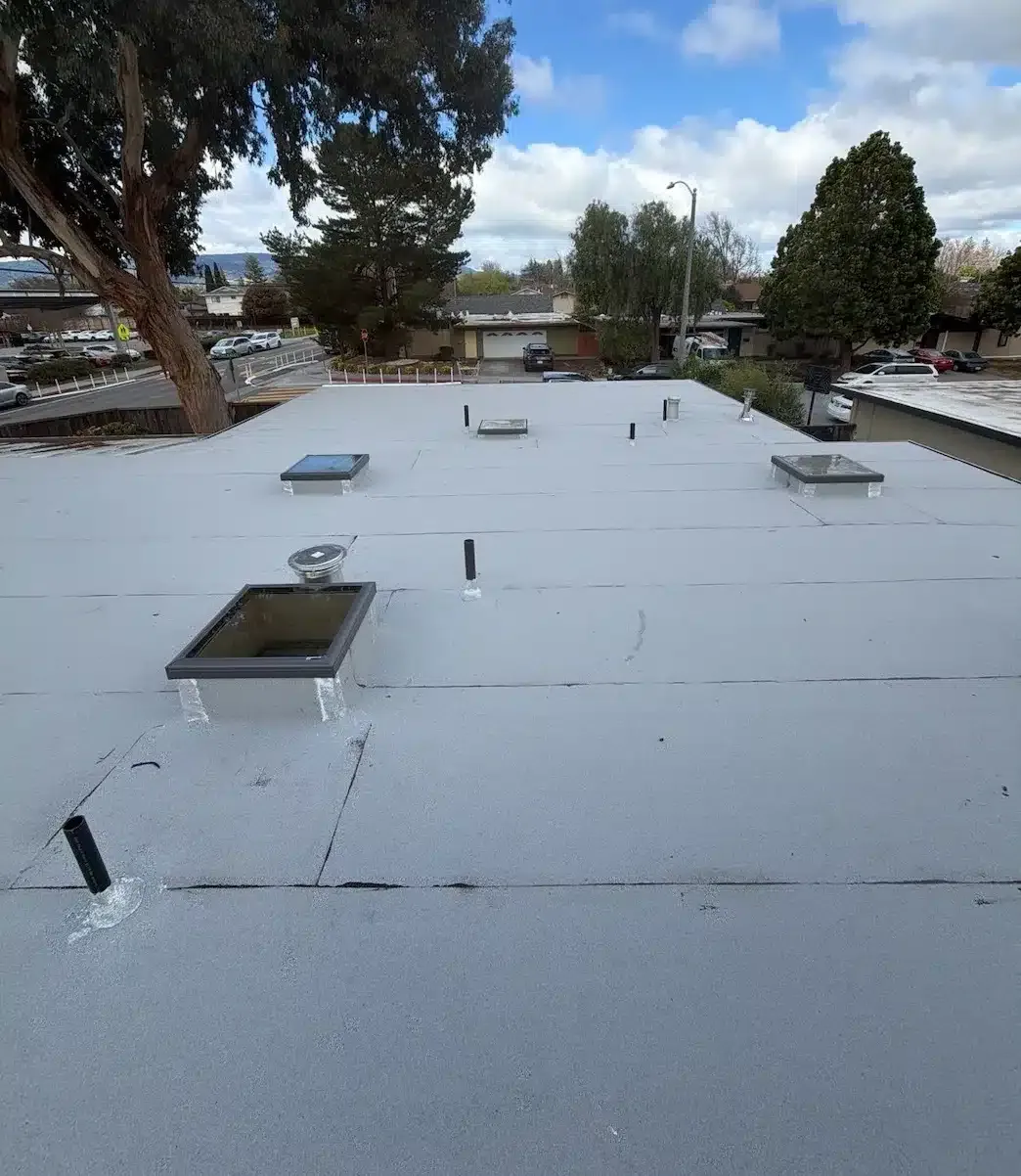
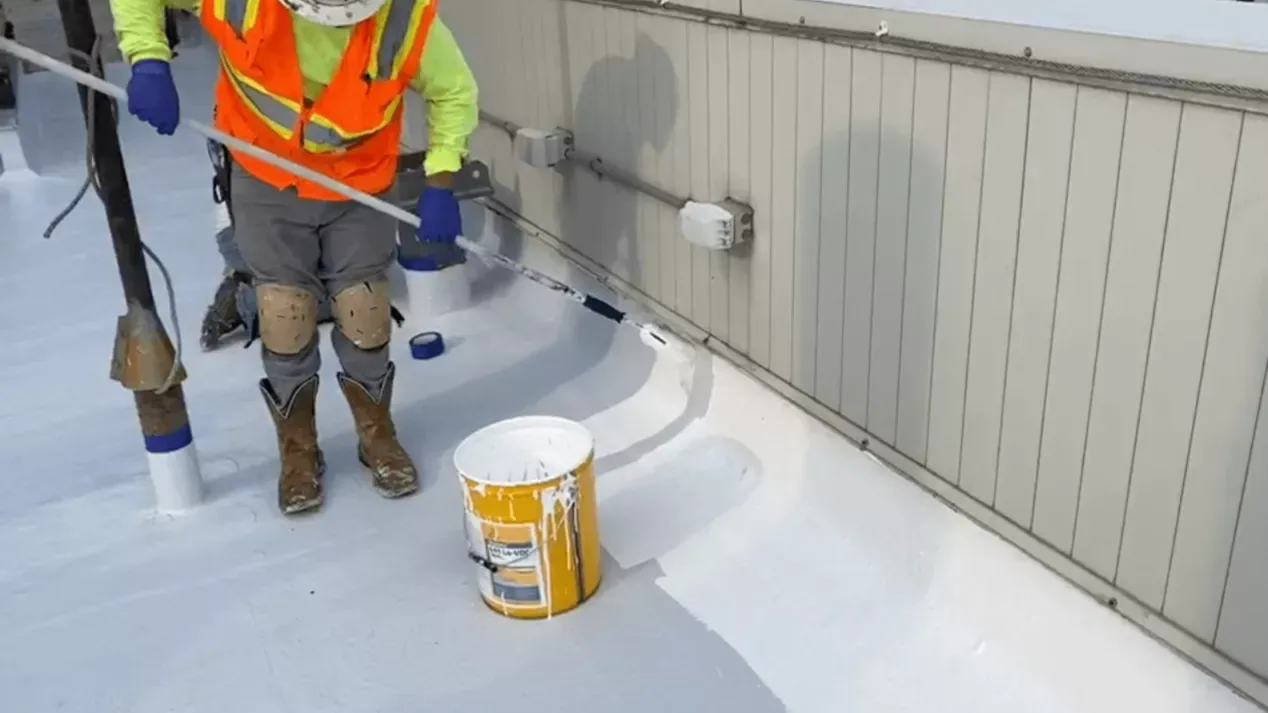
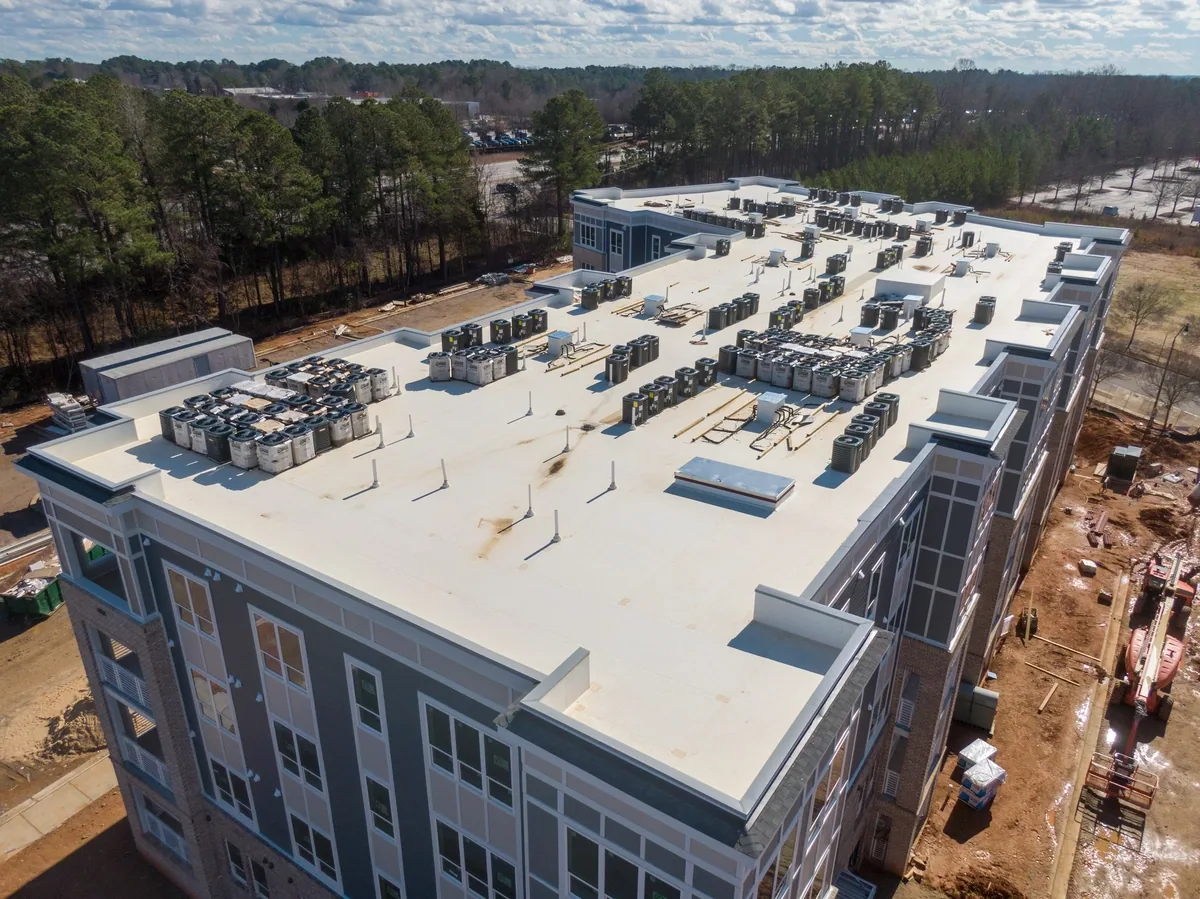
Duro-Last roofing in Temecula uses PVC membrane and custom-fabricated accessories, and every proposal still has to account for the roof underneath and the exact size of each detail. We confirm the existing roof, the equipment layout and the permanent flashings before anything is fabricated. On restaurant roofs, the decision should include prep around each curb and the details next to it, because a prefabricated part cannot fix wet insulation or a curb nobody can reach.
For projects around Temecula Parkway and Old Town, we identify the roof and the operator's access plan before field measurements are sent for fabrication. We review any planned equipment changes and the product's requirements so the materials and accessories match the roof they will go on.
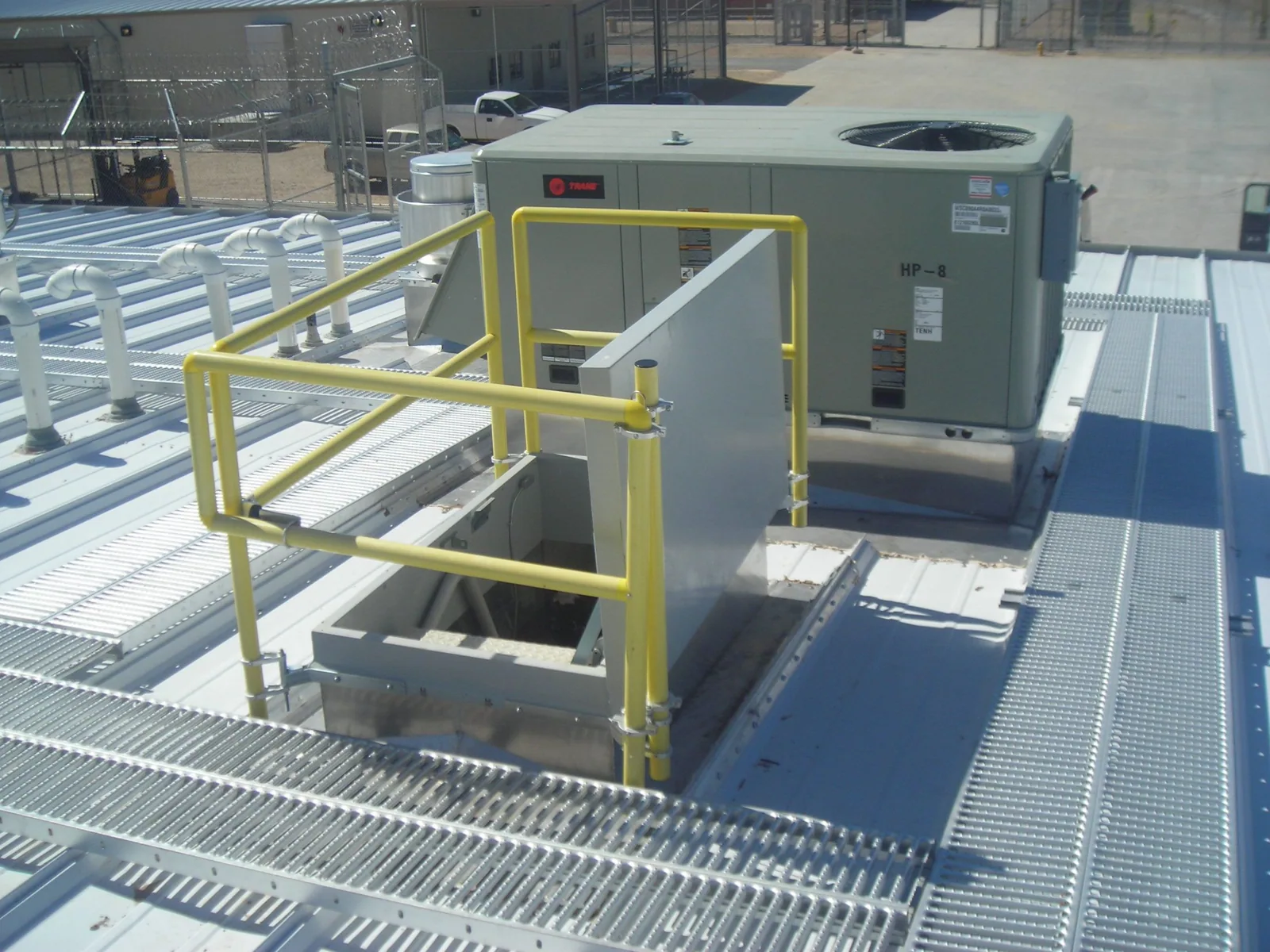
Duro-Last's PVC roofing includes custom-fabricated accessories, and each one needs the actual curb or penetration and the product's requirements checked before it is built to size. A rooftop equipment curb and support assessment before ordering identifies the curb or support and the roof around it, and notes where old repairs or blocked equipment hide the final detail. A custom part cannot tell you what is under the roof or fill in missing measurements.
Ask what detail each accessory is meant to finish and which measurements or equipment decisions are still open. Planned equipment changes can change the curb size, so the mechanical contractor's final layout needs to be settled before a part is ordered. Keep responsibility for confirming those dimensions in the scope, rather than assuming the delivery will fit. That gives the fabrication allowance a real basis on your roof, tying each accessory to the prep and the finished flashing instead of treating customization as a substitute for knowing the detail it has to fit.
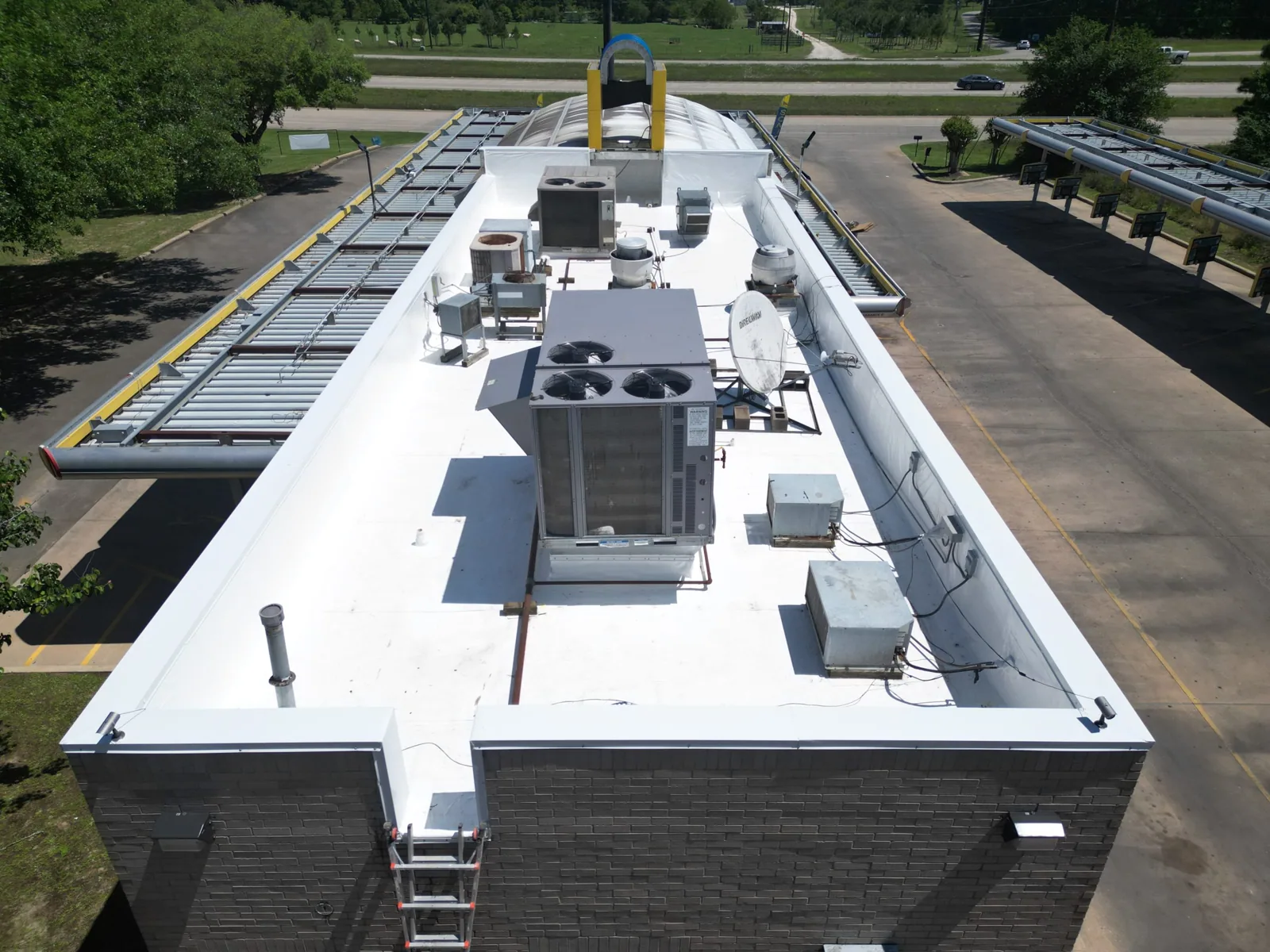
A PVC roofing decision around Duro-Last details needs the specific field membrane, compatible components and installation requirements named within the full roof option. One accessory does not cover every field seam or prove the existing insulation can stay. You should see how the PVC system ties into walls, drains and equipment, with the welding, prep and insulation work listed next to the membrane quantity.
Compare finished roof areas before accepting a material price, including the existing surfaces the new roof will meet and any repairs needed there. Similar-looking PVC products do not have interchangeable parts or identical installation steps, so each system needs its own review. If a nearby detail is still blocked, note where it is and who needs to clear it before ordering. That keeps the recommendation focused on a roof that can actually be finished on your building, rather than one material allowance that suggests every question is already answered.
A commercial roof inspection for a Duro-Last proposal separates what we saw from what is still hidden, and identifies the testing needed before the estimate assumes the roof can stay. A clean membrane surface cannot show whether every layer of insulation is dry or whether the existing fastening suits the new system. Product or fabrication preferences are separate from that condition check, which decides the physical work needed before the new roof goes on.
Where wet or failed material is confirmed, the measured removal and replacement stay in the full option. Anything else uncovered during tear-off needs review, approval and a temporary dry-in tied to the revised quantities, with untested areas clearly listed before you compare prices. The sensible order is to answer the questions that affect the proposal, define the repair and then match the PVC system to the surface it will go on. That stops a lower field price from relying on keeping a roof nobody has tested, or leaving insulation work out of the decision.
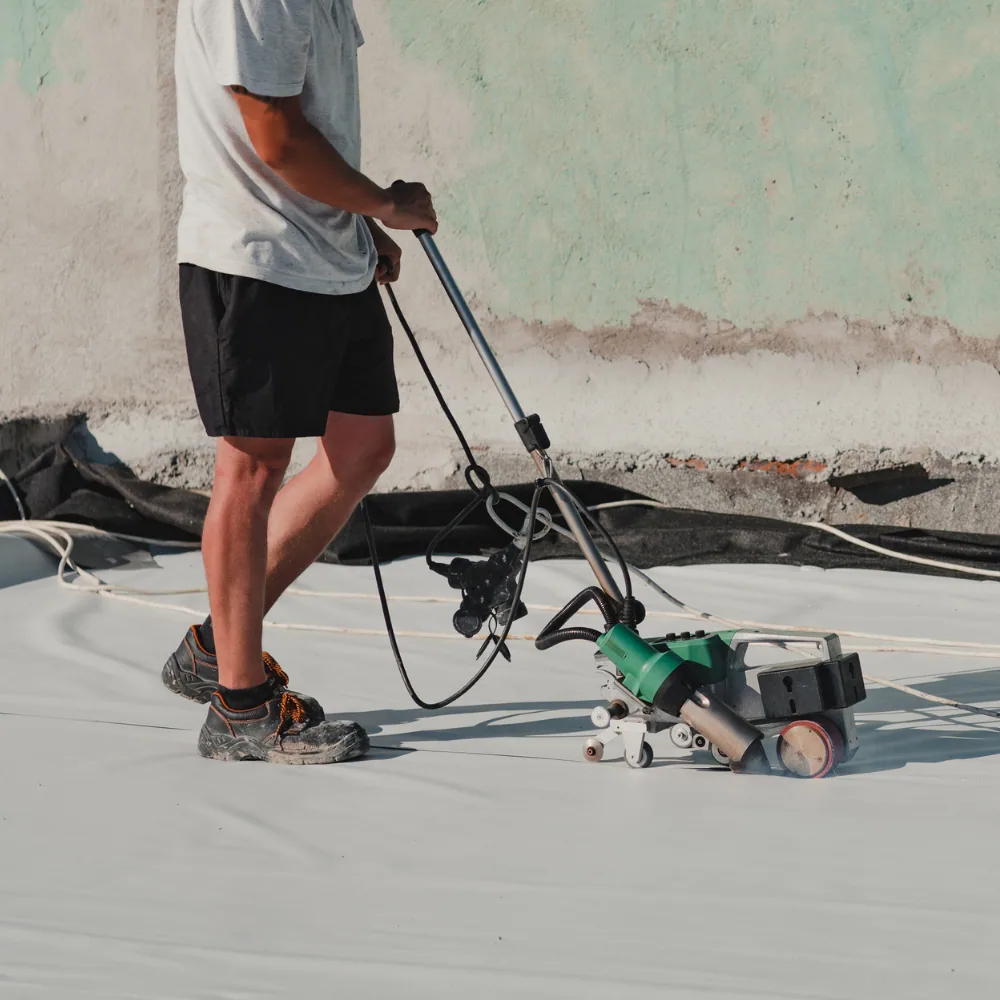
Duro-Last identifies its flagship membrane as PVC and describes custom-fabricated sheets and accessories for roof transitions. That can affect field seaming and the way curbs, drains, corners and perimeter details are prepared, but fabrication still depends on accurate building dimensions and the assembly selected for the project. Confirm who supplies measurements, verify dimensions before release and compare each accessory with the actual roof geometry. Product identity does not establish that the existing substrate, attachment method or concealed layers are suitable; keep those findings in the scope before the fabricated package reaches the site.
A Sika Sarnafil PVC comparison next to Duro-Last needs its own components and project requirements reviewed against the same repairs. Explain the accessory and prep differences without treating all PVC as interchangeable. You should compare the same finished roof, including the equipment and wall flashings each option has to complete and the operating requirements that apply either way.
Keep building access and service changes separate from product differences. Separate delivery and waste arrangements can add handling or protection beyond the field quantity, so the building contact and any trade that needs to go first stay with the comparison. A different manufacturer or a fabricated part does not make a blocked curb ready. Carry the same prep through both options and spell out what has to happen before the roof can be sealed for good.
Compare GAF and Duro-Last roof options against the same necessary repairs, then review each product's components and project requirements separately. For buildings in Old Town Temecula, record the accessories used and the finished details with photos, so later work can find the installed materials.
Keep any open equipment or operating tasks listed next to the finished roof work. Any warranty offered needs its system eligibility and alteration terms reviewed before those terms affect spending. Temecula's industrial and flex buildings vary by roof assembly; confirm membrane and accessory requirements from each building's own records and inspection. That ties fabrication and insulation decisions to details anyone can check. Before final acceptance, compare the installed work with the approved submittal and record any field change to the accessory layout. Note which existing materials remain, which were removed, and whether equipment or wall interfaces are still outside the completed scope. Preserve photographs of accessible seams and perimeter details with the project records. These records help an owner plan later service without assuming that a product name alone describes the assembly or the preparation each connection received. If a future unit change disturbs the roofing, review the applicable product requirements before altering the detail.
The actual curb or penetration, confirmed dimensions and any planned equipment change. Review the specific part and its requirements before ordering, and keep any open sizing or access questions on the list so the fabricated piece fits the detail the roof has to finish.
No. The existing layers need their own condition check before the new system relies on them. Testing and measured repairs are kept separate from the choice of accessories, with untested areas listed and approval for any extra work found during tear-off included in the decision.
Over the same insulation repairs and the same finished flashing details, with the fabrication, component and prep differences explained. Review each system on its own and apply the same site restrictions to both, so you compare complete roofs rather than assuming all PVC products are interchangeable.
Records of the accessories installed, the material around them and photos of the details, along with any open items. Before changing a flashing, ask the manufacturer to clarify what the warranty requires, and keep that answer with the record of the finished roof.
Send us your roof records and any equipment changes or access questions that affect the flashings. We will inspect the roof and explain a Duro-Last option with the insulation repairs and fabrication steps in the right order.
Request a Roof Assessment