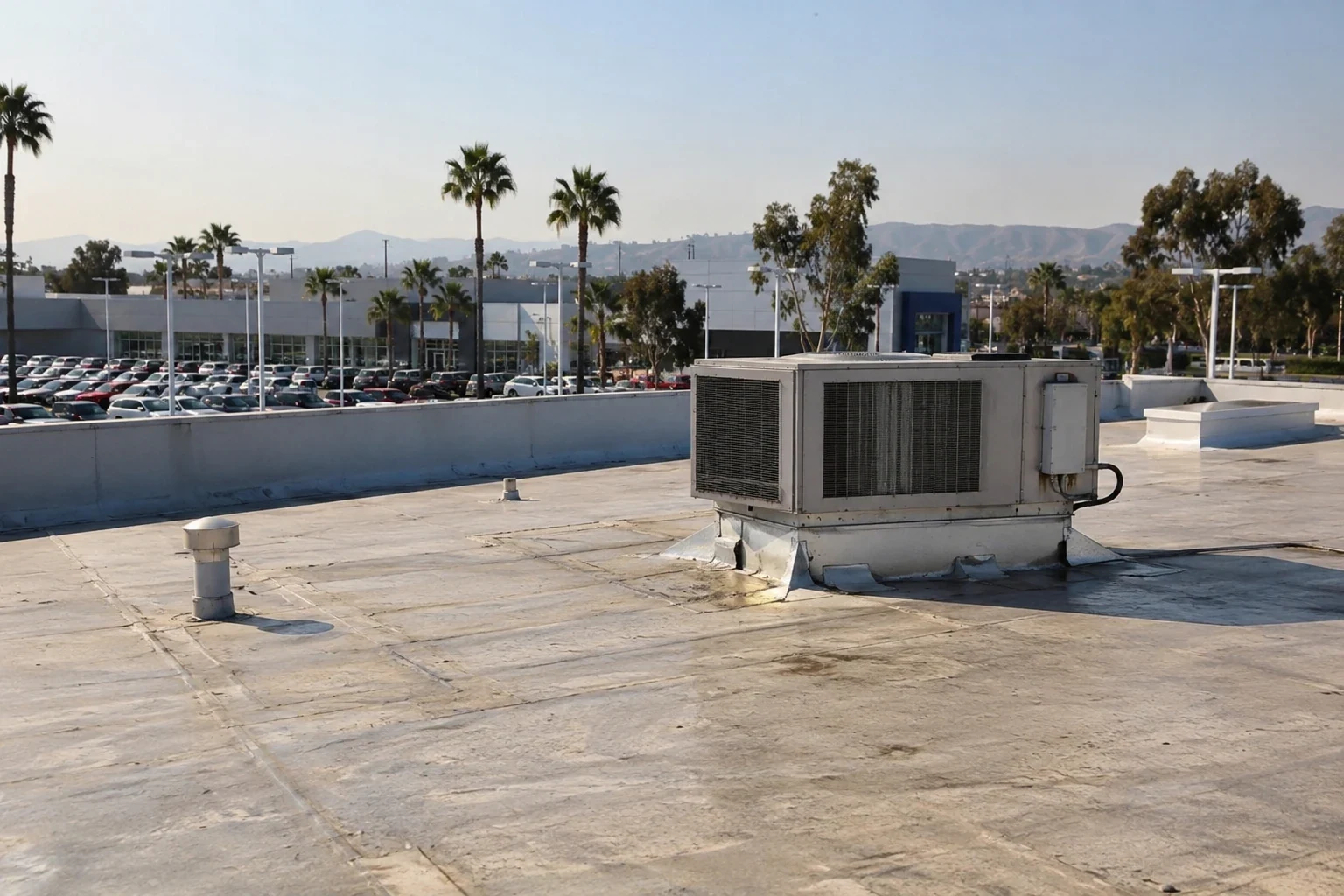
When a Temecula summer gets hot enough to make the news, building owners start asking about new roofs. SOPREMA is worth a look because it makes several different kinds of roofing: SBS modified bitumen, PVC single-ply, and PMMA and PMA liquid-applied membranes. That variety is useful, but it also means the right choice depends heavily on what your roof looks like today and what the new system has to tie into. On a car dealership roof, for example, we plan around showroom hours, service bays and rooftop units, and we check the deck and edges before anything is ordered. Because SOPREMA's membranes and liquid systems work differently, we match the system to the roof and the repair you actually need. We write down the deck prep, the flashing and the transitions, then compare that full scope with what you are trying to accomplish before choosing a product. For any SOPREMA system, we confirm its requirements and accessory list against the real deck and details before ordering. Hot weather does not tell us whether your existing materials are compatible or the roof is ready for a new product. The order is simple: fix what needs fixing, pick the right components, and make sure every detail can be reached.
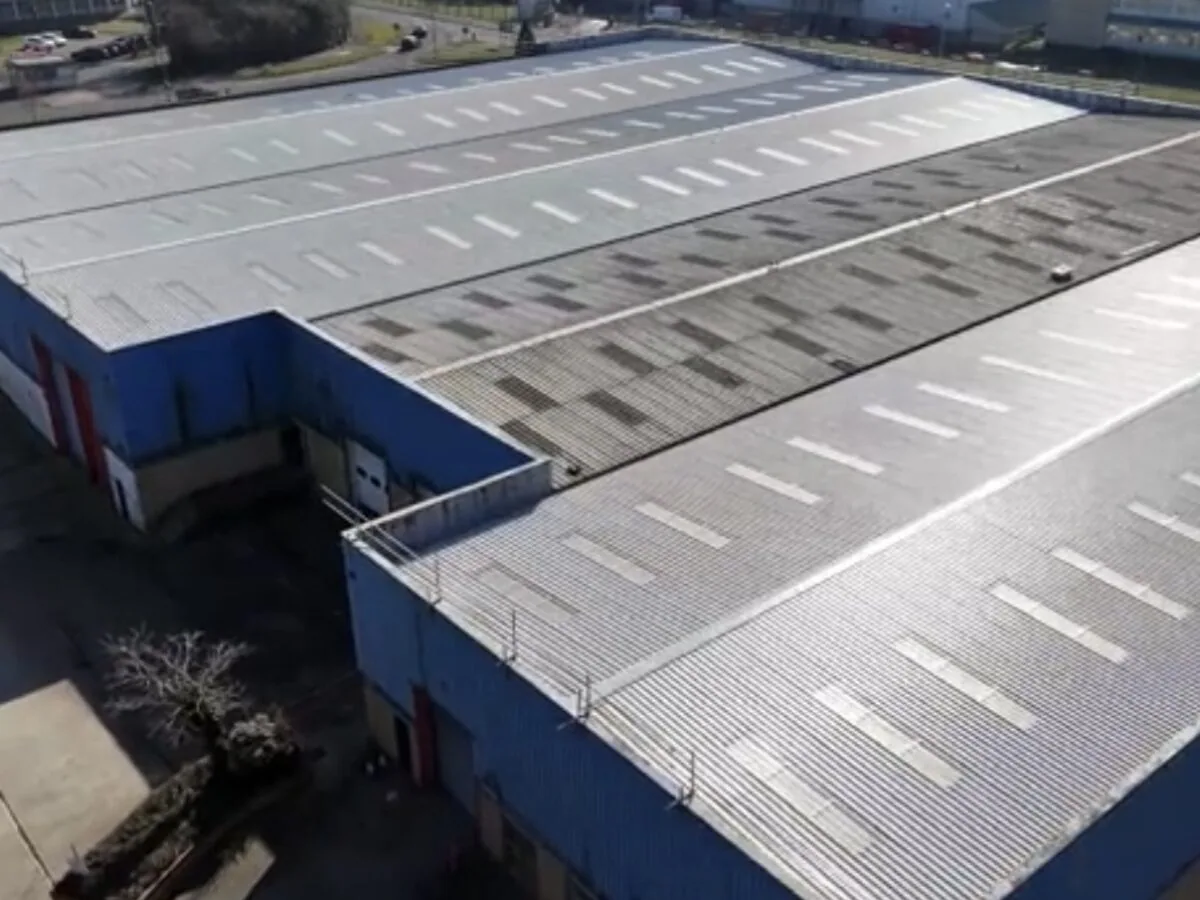
SOPREMA's commercial lines include SBS and PVC membranes plus PMMA and PMA liquid-applied systems. Each needs its own product selection and installation method before you can compare it fairly with anything else. A modified bitumen roof proposal should spell out the plies and the flashing details, not just a square-foot quantity, because SBS, PVC and liquid systems prepare the roof very differently.
Ask which products will be used in the field and which at the details, which existing surfaces they will be applied to, and which installation requirements the contractor is following. A liquid-applied system is great for odd-shaped penetrations, but it is not a fix for every problem detail. A multi-ply SBS roof still needs solid transitions at every wall and curb. Those details should be part of the recommendation before material costs are compared. That way the choice is based on what suits your roof, and an appealing product line does not replace the basic work of checking the deck and confirming the materials will bond to each other.
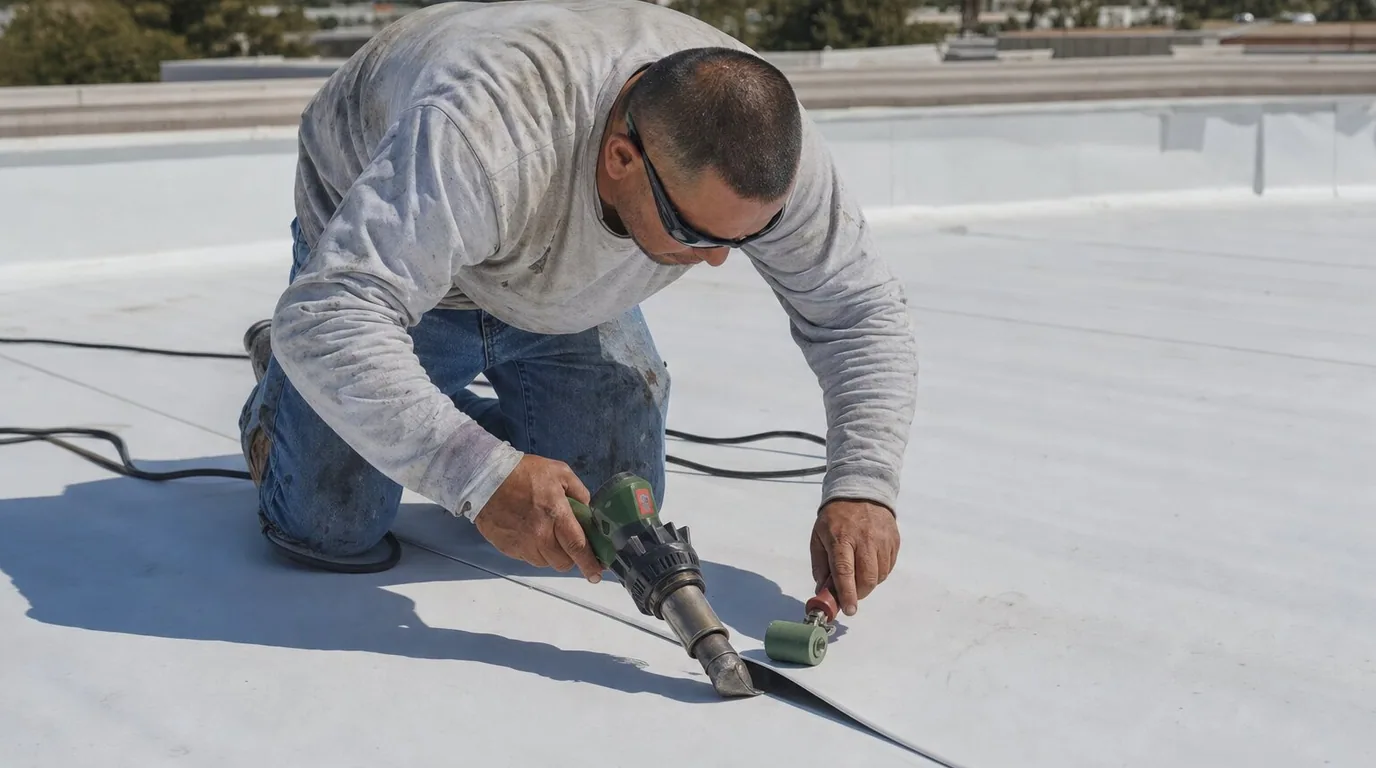
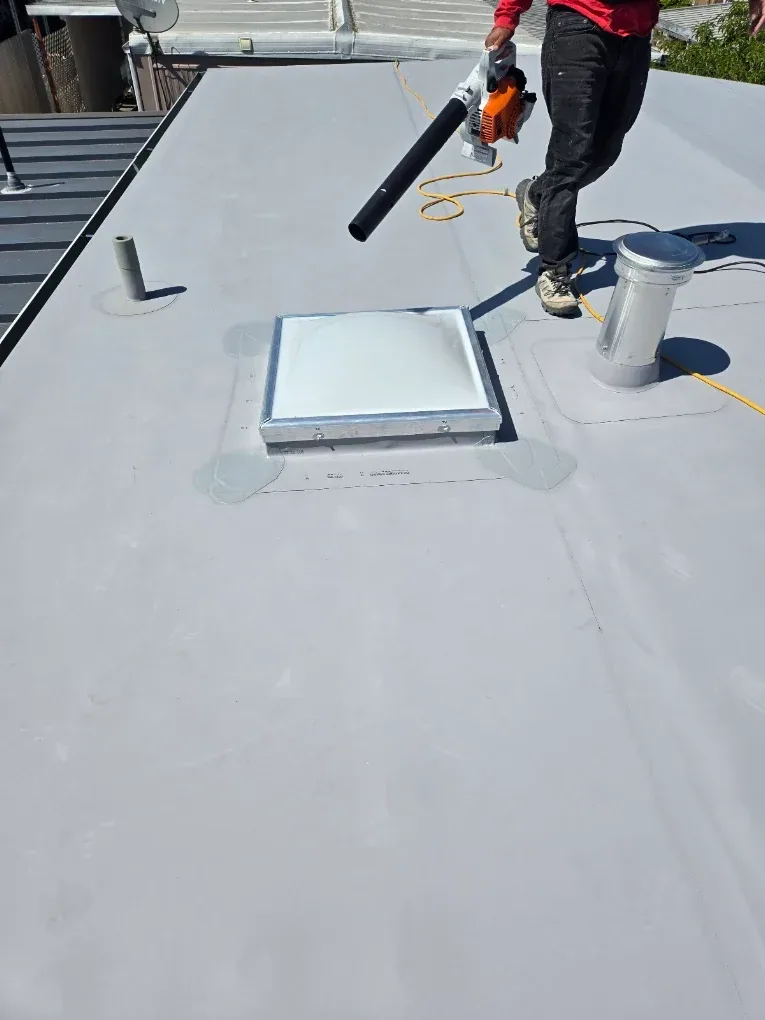
Before we choose a SOPREMA detail, we look at what is actually there: the wall material, the curb, the pipe or skylight and penetration flashing, and any old patches or sealant layered on top. Something that looks fine can still be incompatible with a new sheet or liquid membrane. You should know what each detail is sealing to before the main roof price makes it sound like every edge can be handled the same way.
Each wall, curb and penetration gets the prep and the SOPREMA product that suit it, including any repair that has to happen before the new material can bond. If equipment or old work blocks our view, we say where that is and what needs to happen to open it up, such as having the mechanical contractor lift a unit. We price flashing based on the real detail, not on the hope that a different product line will solve an access problem or an incompatible surface. That gives you a clear picture of what needs repair, which products we plan to use and what is still unknown.
If you are comparing SOPREMA with a GAF roof, both bids should be based on the same findings about the deck and insulation. A good-looking top layer does not prove the insulation is dry or the deck is sound. Before materials are ordered, you should know what is coming off and what is staying, and the questions about the roof's condition should be answered separately from the product choice.
When the deck or insulation is bad, the repair and replacement go into the price for the full system. If more damage shows up during tear-off, we show you where, get your approval and keep the roof weathertight while it is fixed. Bids should be compared on the same repair scope so one does not look cheaper by assuming untested areas are fine. That puts the spending where it belongs: solid prep first, then the product, with the repair needed under any SOPREMA system made clear.
SOPREMA's commercial range includes SBS-modified bitumen, PMMA and PMA liquid-applied membranes, and single-ply PVC. Those systems call for different decisions, so a proposal should name the product and tie its deck prep, reinforcement and transitions to the manufacturer's documentation. Do not assume a liquid-applied detail, a bituminous membrane and a single-ply sheet can be swapped at the same spot. Compare the full system and the manufacturer's requirements for the exact roof area before ordering or mixing components.
A Johns Manville bid should list its own components and prep while keeping the same repair work and finished details. Similar product types from different brands are not interchangeable, the labor is not identical and the accessories do not always fit both. You should see how the product changes the work and which building requirements stay the same either way. For a Riverside property, we match the SOPREMA components to the inspected deck, flashing and project requirements. A roof on the Rancho California Road corridor gets its own assessment before quantities go into a bid. If equipment access or restricted areas affect the work, the bid should say who coordinates it. Changing brands does not make a blocked detail ready for roofing.
On jobs in Old Town Temecula and beyond, we keep a record of the SOPREMA products used in the field and at the details, where we made repairs, and photos of the finished flashing. We also note old material that stayed in place and any equipment or operating items still open. That gives your maintenance team something solid to work from, so they can tell a new leak from an issue that was already flagged for another trade.
If a warranty is offered, read its eligibility and its installation and alteration terms before you count on it in your budget. If a part or detail does not match those terms, ask the manufacturer or installer about it and keep the answer with your roof records. A good record explains which products were chosen and what prep allowed them to be installed properly, so nobody has to guess later based on the brand name alone. It also shows which repairs were done and which items are still open, so your next roof expense is based on the roof you actually have and the details a future project will affect.
The proposal should name the field and flashing products, the surfaces they will be applied to and the installation requirements being followed. It should also include any deck or insulation repair, so you are comparing complete roofs, not product categories.
No. Liquid membranes are excellent for awkward penetrations, but the existing material still has to be compatible and in good shape. If a detail is hidden or blocked, it needs to be opened up and checked before a product is chosen.
Whether it is dry and sound. That takes cores or a moisture survey. We price the wet areas we find, list areas we could not test, and get your approval before adding work that tear-off uncovers.
Make sure both are based on the same inspection, the same repairs and the same finished details, then compare the product and installation differences. Keep your building's access and equipment rules the same in both so a lower price is not just missing work.
Send us any roof drawings and let us know about equipment, access or areas we need to protect. We will inspect the roof, recommend the right SOPREMA system and include the deck and flashing prep it needs.
Request a Roof Assessment