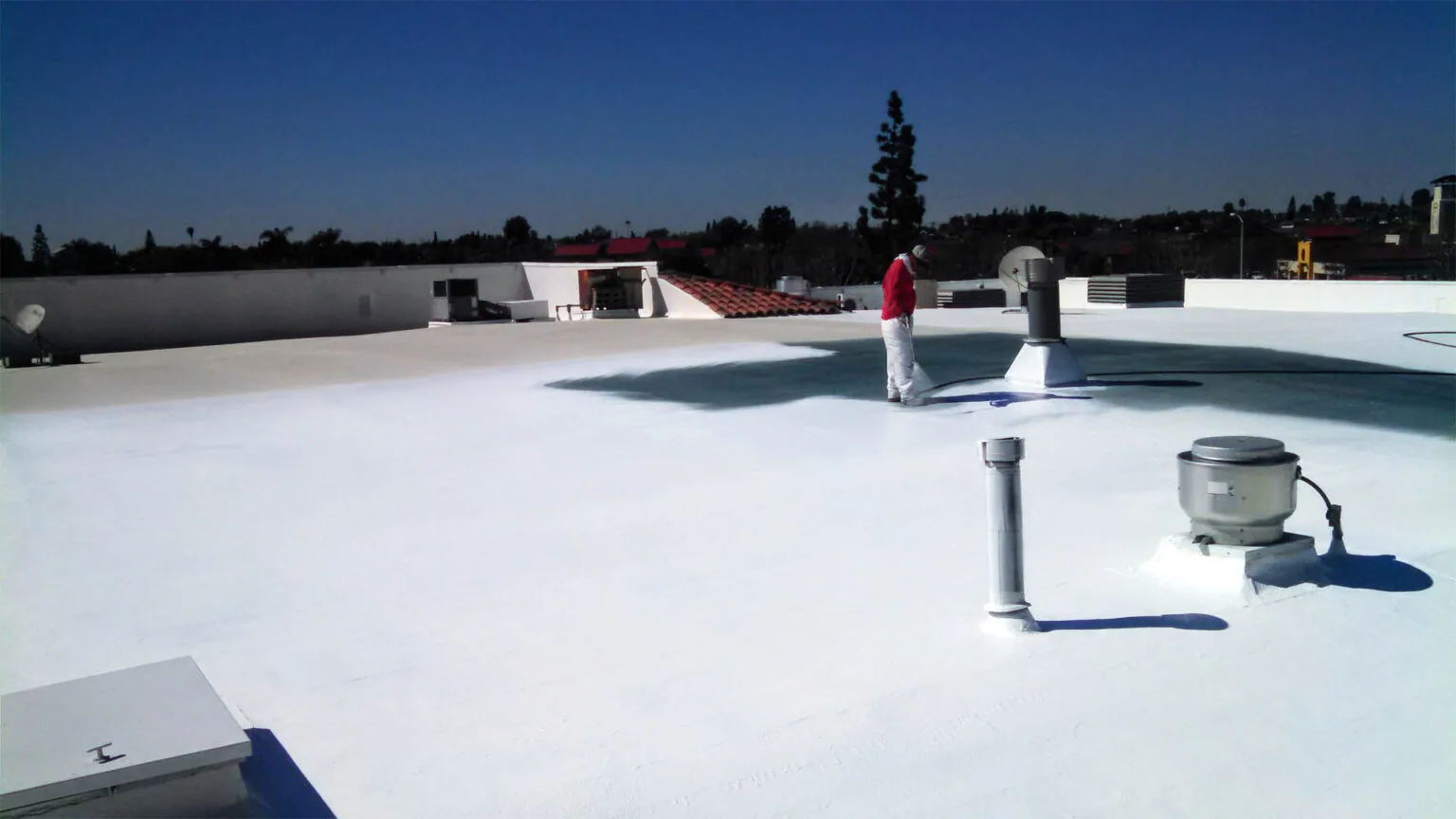
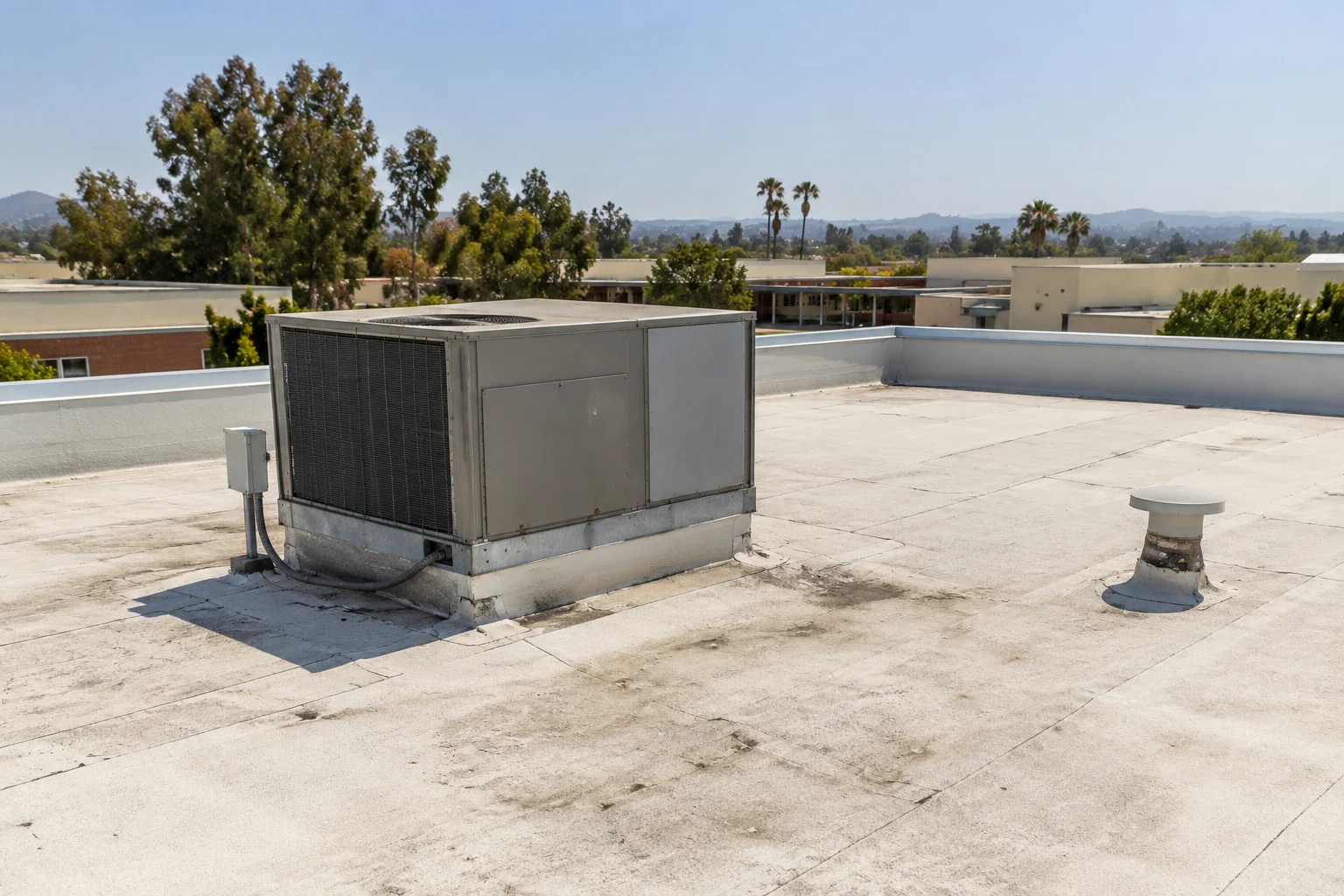
Before a Temecula church compares a cool roof with a valley repair, it helps to understand how the roof is shaped and built. A reflective surface can reduce the sunlight a roof absorbs and the heat moving into the sanctuary or hall, depending on the material and the building. But a reflective coating will not fix rotted backing where two roof slopes meet, and it will not decide how water should drain through a valley. We inspect the valleys and transitions you can reach and compare them with where water is showing up inside, so your budget is based on a specific roof repair, not just a wish for a lighter-colored roof.
Church roofs often mix metal, low-slope membrane and transitions between different materials, and each needs its own kind of permanent connection. We look at what is actually on your roof instead of assuming based on the building type. Interior leak reports and any drawings help us find the valleys, drains and backing that need a closer look. The church's facilities contact reviews how pews, organs, furnishings and other contents will be protected and when we can have access. The recommendation then ties the right roof prep, any engineering questions and the building schedule together, keeping the valley repair separate from an optional cool roof that still needs its own review.
A damaged valley, where two roof planes meet, often needs both new material and a fresh look at drainage before any new surface coating is worth applying. Commercial roof repair at a church valley starts with the membrane or metal, the backing under it and the right permanent repair for that roof type. PVC and TPO have to be clean enough to weld; metal and other roofs get prep that suits their details. We replace material that is too deteriorated to hold a lasting repair. If slope, structure or expansion movement affects the fix, an engineer or architect should weigh in, so you get a complete repair plan rather than a guess based on the roof's shape.
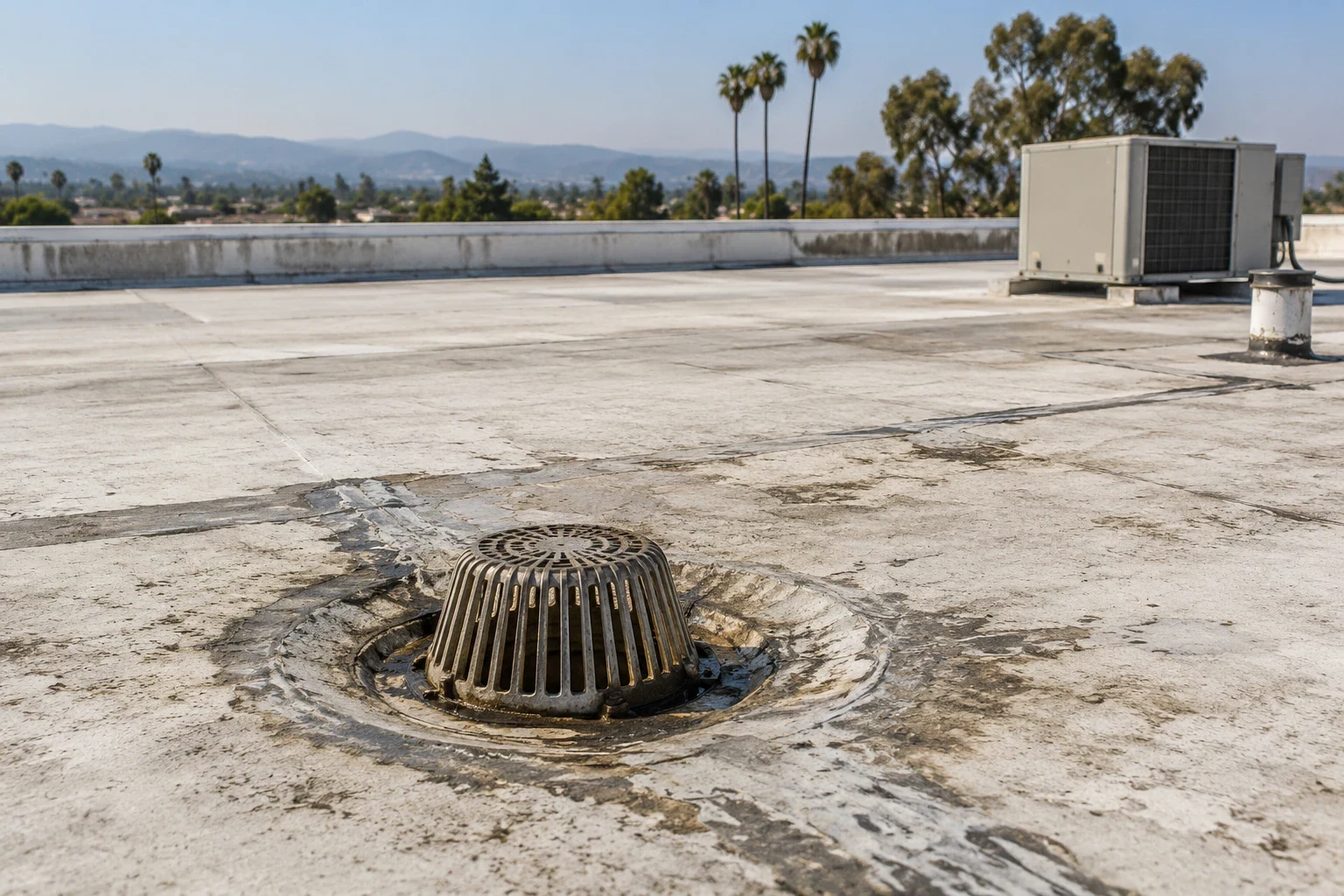
Leaves and debris can block a valley while a separate split in the material sits right under them, so cleaning and repairing are two different jobs. Drain and scupper work follows the water from the valley to the outlet nearest the leak. If the problem extends into the downspout or interior piping, a plumber handles that part. A clean-looking patch should not hide backing that was never fixed. We mark how far the repair goes and what has to happen before final materials close it up, keeping drainage and attachment as separate items in the estimate. If the space is used for scheduled services or events, the church can give us dates when noise or interior protection would be a problem. We pair that calendar with a defined roof opening and a plan to secure the roof each day, rather than assuming a short job causes no disruption.
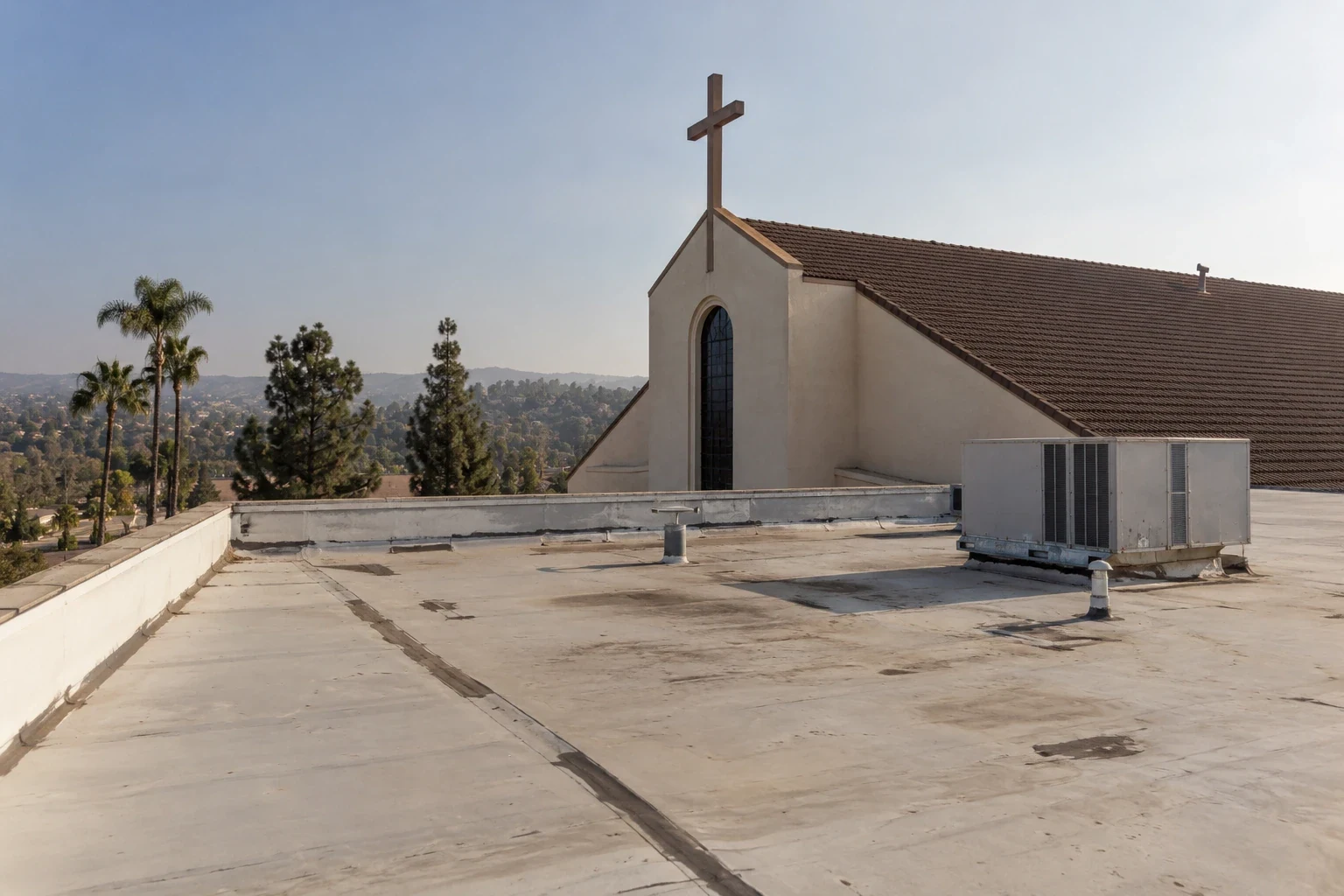
A reflective roof needs the existing roof to be compatible with it, including the valleys and other details that stay in place next to the new surface. A cool roof comparison checks compatibility and prep before you decide. An energy or HVAC specialist can review the building for the savings side, while we look at materials and clearances. A thicker system or new material can change how water drains and how raised details are flashed, which adds prep work beyond the surface itself. That work should be planned before a cool roof is prioritized over a valley that still leaks.
Hidden damage can change how much of the old roof can stay, even where the roofing away from the valley looks continuous. When infrared scanning is used, the results have to be read against the roof build-up and survey conditions. Core cuts confirm the findings where keeping the old roof depends on them, and every cut is patched with the interior protected. We explain each question and whether it leads to a local repair or a larger tear-off. That lets you compare complete options with their real handling costs, rather than assuming a cool roof fixes every layer and detail underneath.
Tearing off roofing along a valley can affect areas inside beyond the room where the leak was first noticed, so the church layout matters for debris control and roof access. Roofing over an occupied building starts with a plan showing roof openings, lift locations and material routes for church staff to review. They decide how contents are protected and when we can work, and electricians or other trades handle any equipment involved. We match the permanent repair to that schedule before a date is set, so the proposal includes the effort to reach and restore solid roofing along with the new materials.
If the backing is bad beyond the original valley, tear-off grows and another area inside may need protection. We review the larger opening and the added protection with the church before going further, and we install a temporary seal if another trade or a design question needs its own visit. We respond to urgent church roof leaks on holidays, at night and on weekends, with access arranged through the church's contact. If water reaches electrical equipment, a qualified electrician should check it. Our records keep temporary repairs separate from deck or design work still pending, so you can see what the remaining cost is for.
For a church roof in Lake Elsinore, we identify the materials and connections the repair will tie into. A roof along the Ynez Road commercial corridor is evaluated on its own findings before costs or timing are combined with another job. We inspect the roofing and backing before choosing how far the repair should go. The church contact sets protection for the spaces below the work, and the architect or engineer makes any design decisions needed at the valley.
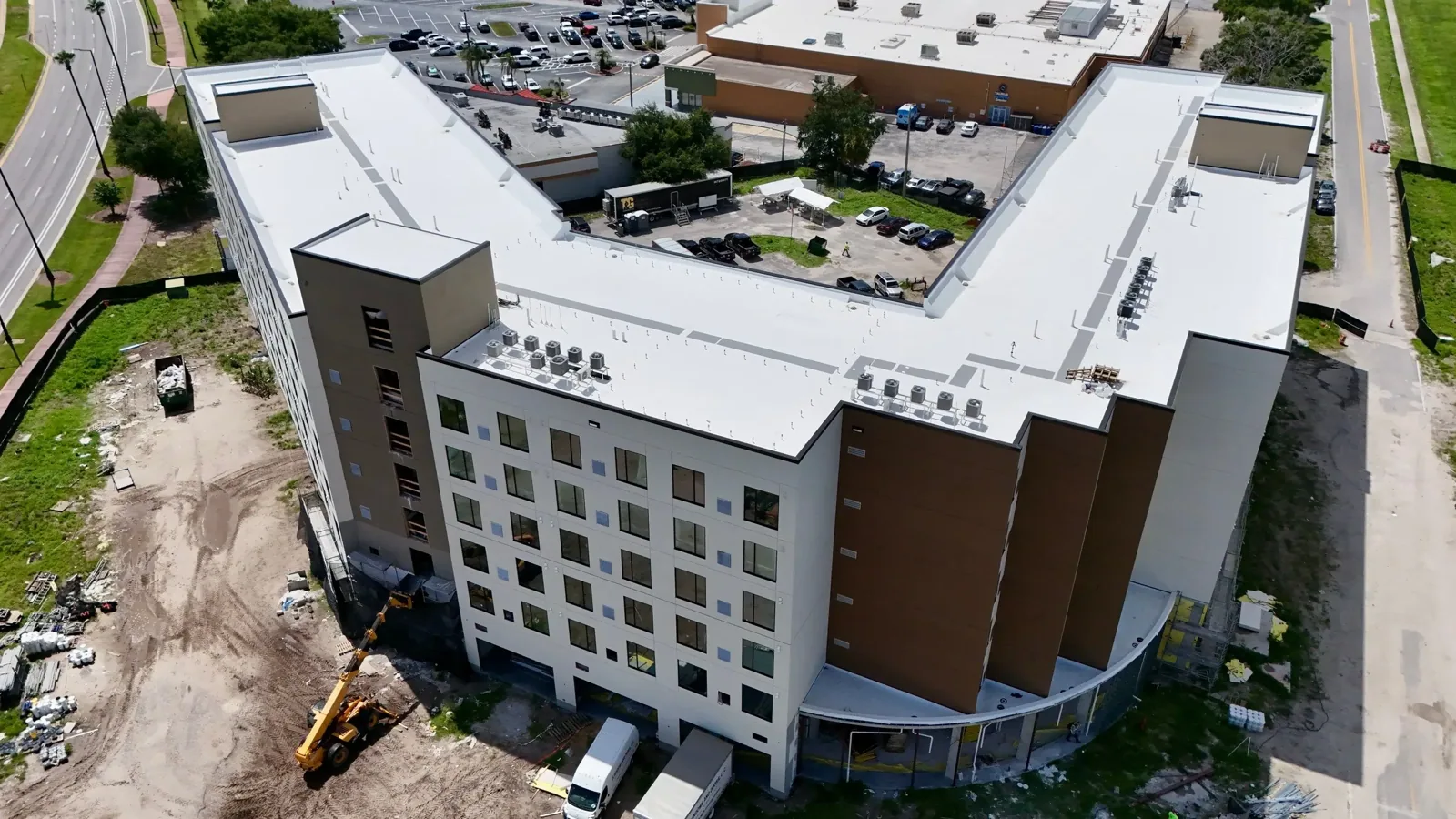
A school may need different protection for classrooms under a similar roof transition, and a government building may have different access and security rules. School roofing is planned around class schedules. Government building roofing follows that agency's access requirements. Final church photos should show the finished valley and the roofing that stayed in place, with any open design or equipment items listed separately. A future cool roof project can start from those details, so your long-term plan has a clear reason for each item alongside any energy upgrade.
Sometimes, but often there is a split or failed seam under the debris. We inspect the valley material and backing separately from the cleaning and recommend a repair where the existing roofing cannot hold a lasting seal.
We look at the actual materials meeting at the transition and what each one requires. The repair includes solid backing, and an engineer or architect reviews it if movement, structure or drainage affects the detail.
We show the church which areas will be added before tearing off more. Staff review protection for the spaces below, and we install a temporary seal if part of the work needs a separate visit.
The finished valley repairs and the roofing around them. The new material and its thickness should be checked against those details, and any open design or equipment items should be listed separately.
Start with active leaks and what testing shows about the existing roof, then the work needed to repair them properly. Compare a cool roof option only after its compatibility and the building's energy questions have been checked.
Tell us about the heat concerns, where the valleys are leaking and how the building is used through the week. We will inspect the roof and compare the valley repair with cool roof options that make sense for your church.
Request a Roof Assessment