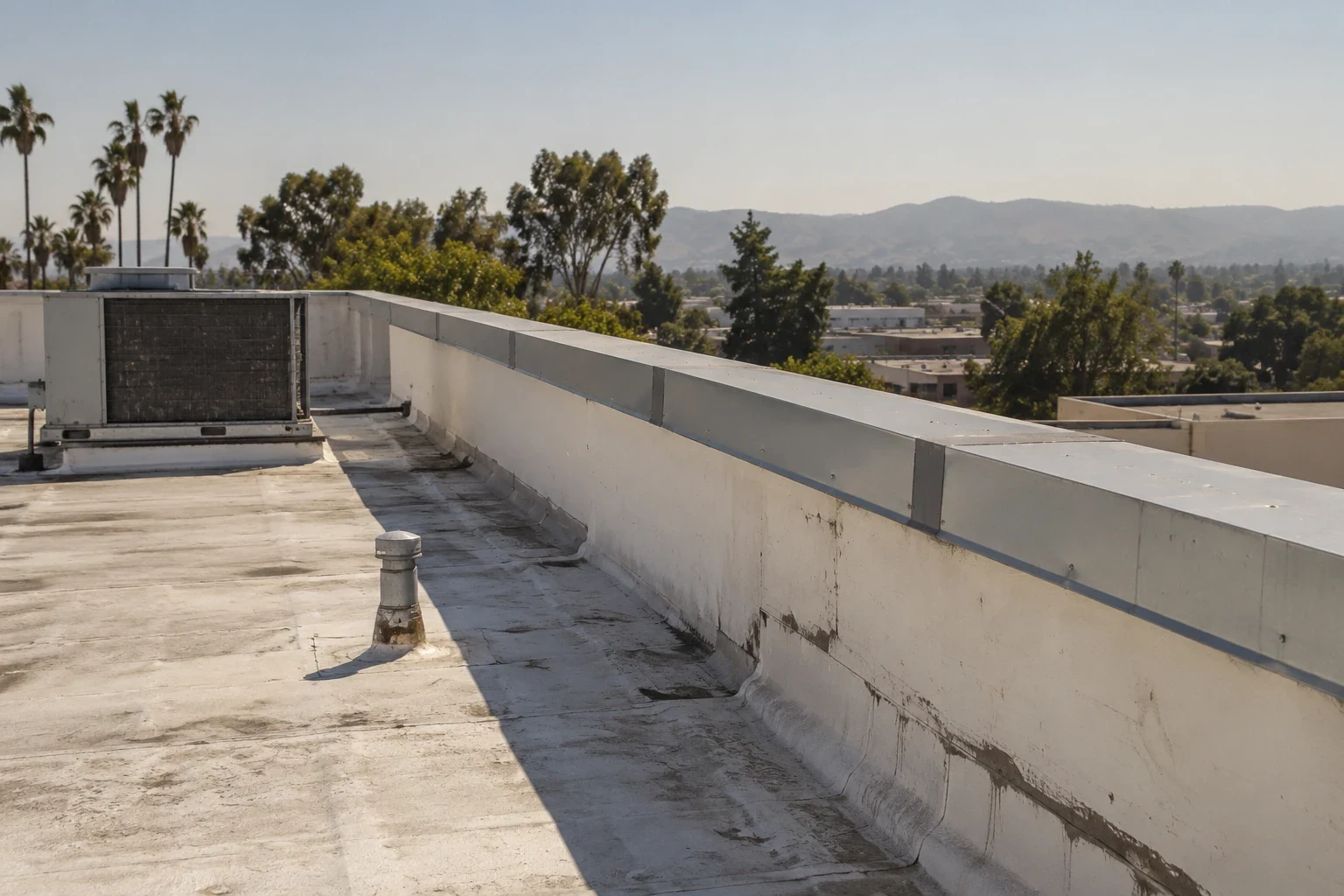
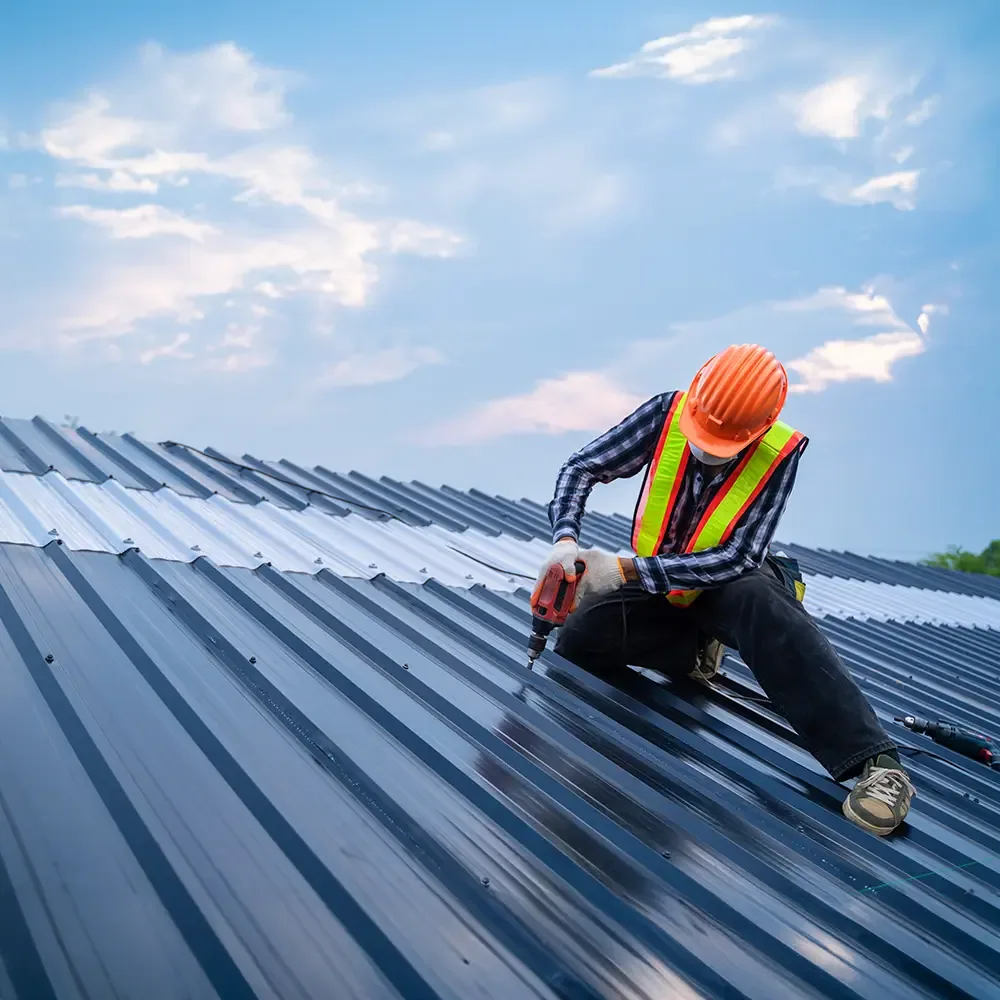
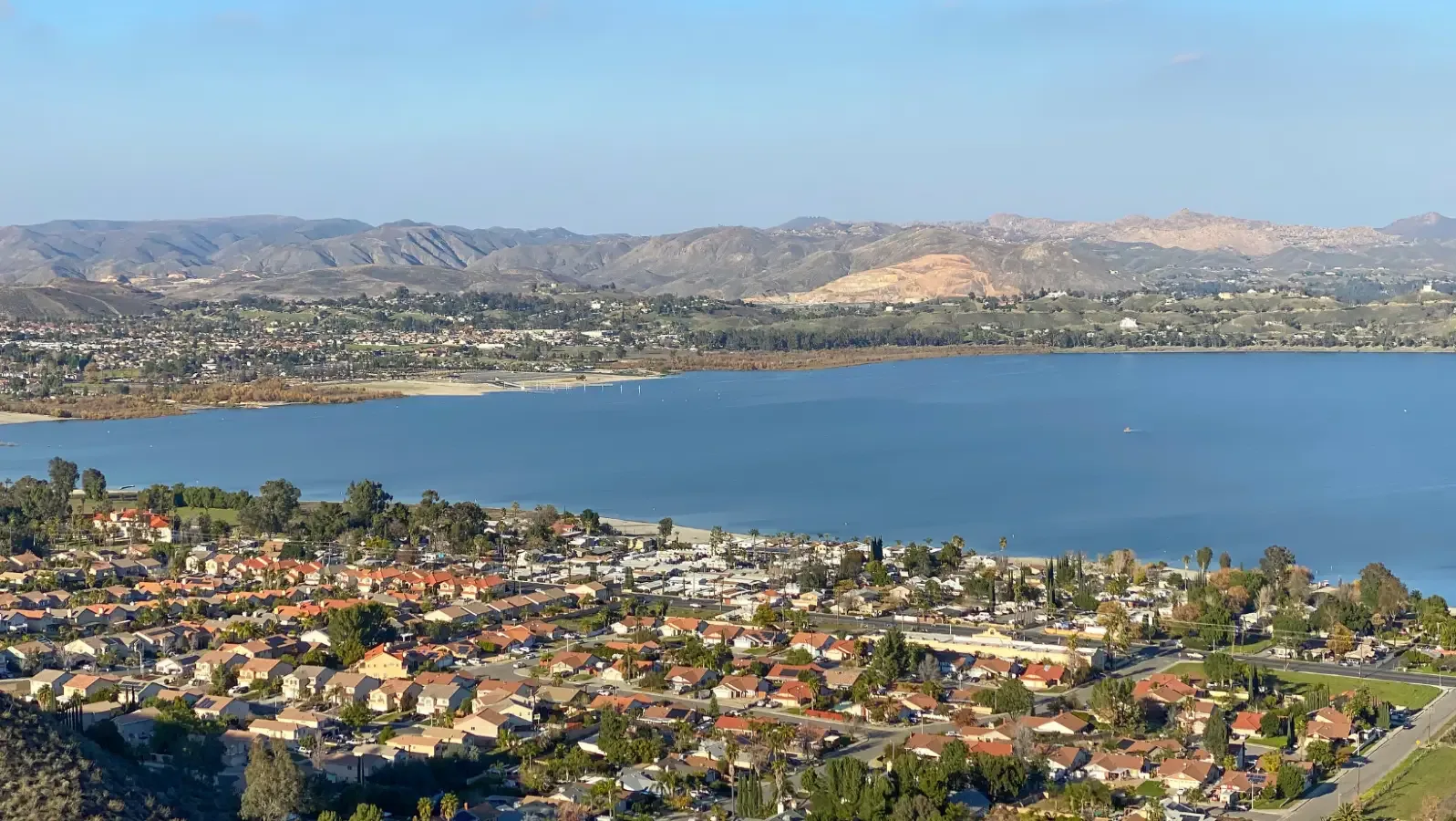
On a sun-exposed Canyon Lake commercial roof, a loose piece of edge metal can turn into a bigger problem than its length suggests. Heat makes the metal move, fasteners loosen, and wind and water find their way under the roof at the perimeter. Our Temecula, CA team handles commercial roof inspection, repair, restoration and replacement, and we find out what the edge is attached to before quoting a permanent fix. Canyon Lake is a compact service area, but every roof is different, so the scope follows the building itself. The real question is whether the edge can be repaired locally or needs more removal to get back to solid attachment.
A displaced piece of metal can leave an obvious gap, while the problem underneath stays hidden until someone looks closely. We inspect the edge, the membrane next to it and the wood nailer or substrate it is fastened to. The estimate includes preparation and protection, not just new metal. A reflective coating is a separate decision that can wait until the edge and any damaged layers are fixed.
Replacing the visible metal without checking what it is fastened to can leave the original problem in place. We look at the fasteners, the roofing next to the edge and the nailer underneath to see what needs fixing. Rotted wood or rusted fasteners can make the repair bigger, while a sound edge may only need a limited fix. We explain what we found before treating any quantity as final.
Our edge metal, coping and gutters work includes attaching the new metal properly for the roof system, with a design review where the fastening requirements need one. We separate the visible metal from the prep work that makes it last. You can compare a defined edge repair with a bigger rebuild using the full cost, instead of picking a cheap metal-only price that leaves the roof tie-in out.
An edge repair also has to tie properly into the roof membrane. We check the membrane next to the edge for wear, separation and moisture that could change how much prep or removal is needed. New metal does not mean the membrane beside it is in good shape. Where we need to open the roof to find out, we say what we expect to learn and how the opening will be protected and sealed.
A permanent commercial roof repair at the edge uses the right tie-in method for that roof. Compatibility, the condition of the existing roof and the system's installation requirements guide the work. We include replacement of wet or damaged material where it is confirmed, then compare that repair with a larger tear-off. That way your decision is based on a sound connection, not on how big the loose piece of metal looked.
Metal edges and roofing materials expand and contract at different rates as the roof heats and cools. The edge detail has to allow for that movement and still keep water out. We look at how the existing edge is built and what the new system needs before recommending a rigid closure or new component. More sealant usually is not the answer when the fastening or transition underneath is the real problem.
A commercial roof inspection of the roof next to the edge tells us what is driving the repair and what is still uncertain. Our report ties that finding to the prep, fastening and close-up work needed for a permanent fix. That makes timing easier to decide: you can stop the active leak first, then consider broader improvements once the edge is understood. The recommendation does not depend on predicting any particular weather.
Work at the roof edge can affect entrances, walkways and the spaces just below. For a property along Railroad Canyon Road, we would agree the work area and access route with the building's manager before setting the schedule. The proposal needs material handling, protection and a temporary seal suited to the opening. Even a short stretch of edge work can take real setup once those items are included.
Our occupied building reroofing approach compares short local repairs with one combined visit, including the protection each requires. Several short visits may fit operations better but repeat setup. One longer visit cuts that repetition but may need different access arrangements. We show both with the repair details included, so you can choose timing based on the full cost rather than the length of the metal.
For another roof in Lake Elsinore, an edge problem may involve a different substrate or roofing material. We inspect it separately before proposing common materials or combined work. Shared purchasing helps when the roofs and prep needs actually match. Each roof still has its own repair quantities, access needs and protection costs.
A building in Wildomar can join the budget discussion once its edge and main roof have been inspected. We put leak repair and removal of damaged material ahead of optional surface upgrades. A reflective finish may reduce heat gain, but the decision should include its preparation and the fact that it may be disturbed if the edge has to be repaired later. Fix the edge first, then add a coating that depends on it being sound.
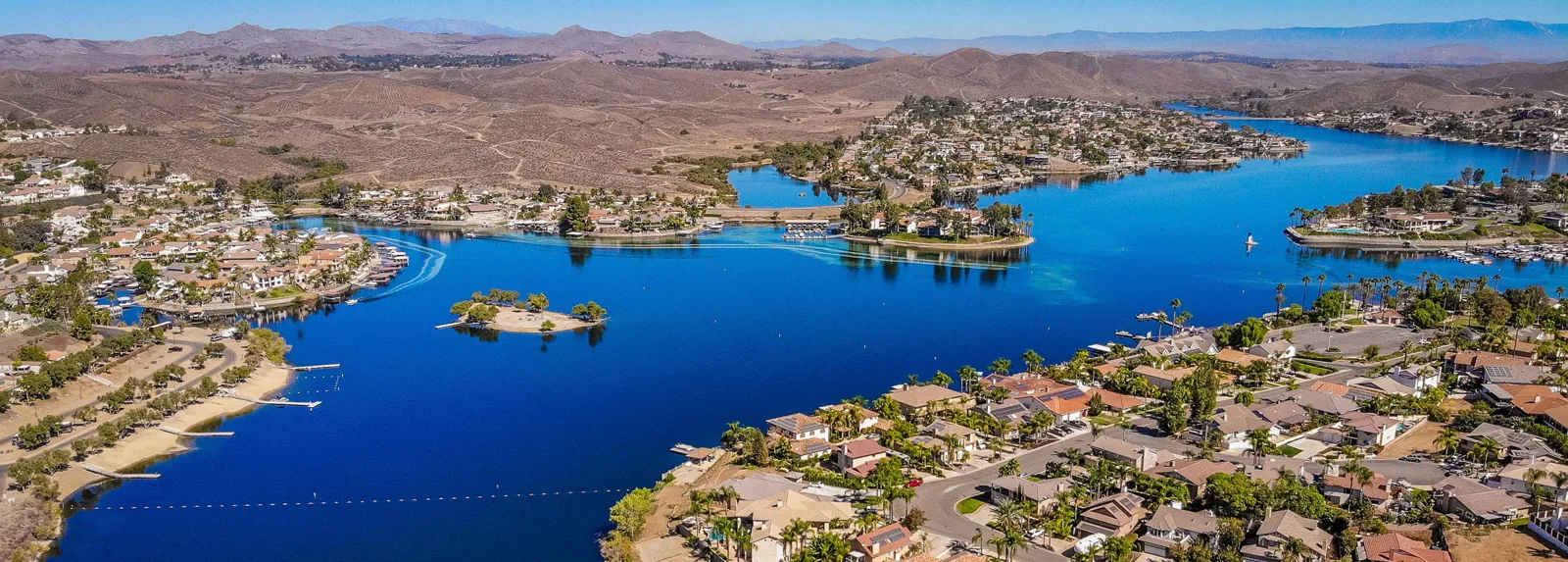
A gated community setting changes how commercial service calls should be coordinated. Confirm the property contact, gate authorization, visitor timing and approved route for equipment before dispatch. The area's roads and foothill terrain may also limit where a lift can be positioned, so verify the setup surface and clearance before selecting a repair method. Once on the roof, trace any reported leak to its actual penetration, transition or drainage path. Give the owner a concise closeout with access notes and the exact roof section serviced.
In the foothills, check how the property sheds runoff across each roof plane before assuming the lower edge is the only concern. A labeled sketch can guide the next maintenance visit even when the building changes hands.
Only if the nailer and fasteners underneath are sound and the membrane tie-in is good. We check what the metal is attached to before pricing. If the damage goes beyond the visible piece, that repair belongs in the scope rather than being left for later.
Look at preparation, fastening, the membrane tie-in and protection, not just the length of metal. Ask each contractor what they found under the edge and how they will attach the new metal. A low price that skips the tie-in is not a real saving.
Yes, if the detail does not allow for expansion and contraction. We plan the transition and fastening to handle that movement rather than relying on extra sealant to cover a problem that is still there.
Possibly, once the edge is fixed and the rest of the roof has been checked. Combining the work can save setup if the preparation is clearly defined, but keeping the coating separate gives you flexibility until the roof's condition is confirmed.
That depends on access, material handling and how the area will be sealed each day. We compare repeated setup costs with the disruption of one combined visit, so you can pick a schedule that keeps the detail work in the job.
Send us the Canyon Lake building address, where the edge is loose and any leaks showing inside. We will check what the edge is attached to and compare a complete local repair with a larger edge rebuild.
Request a Roof Assessment