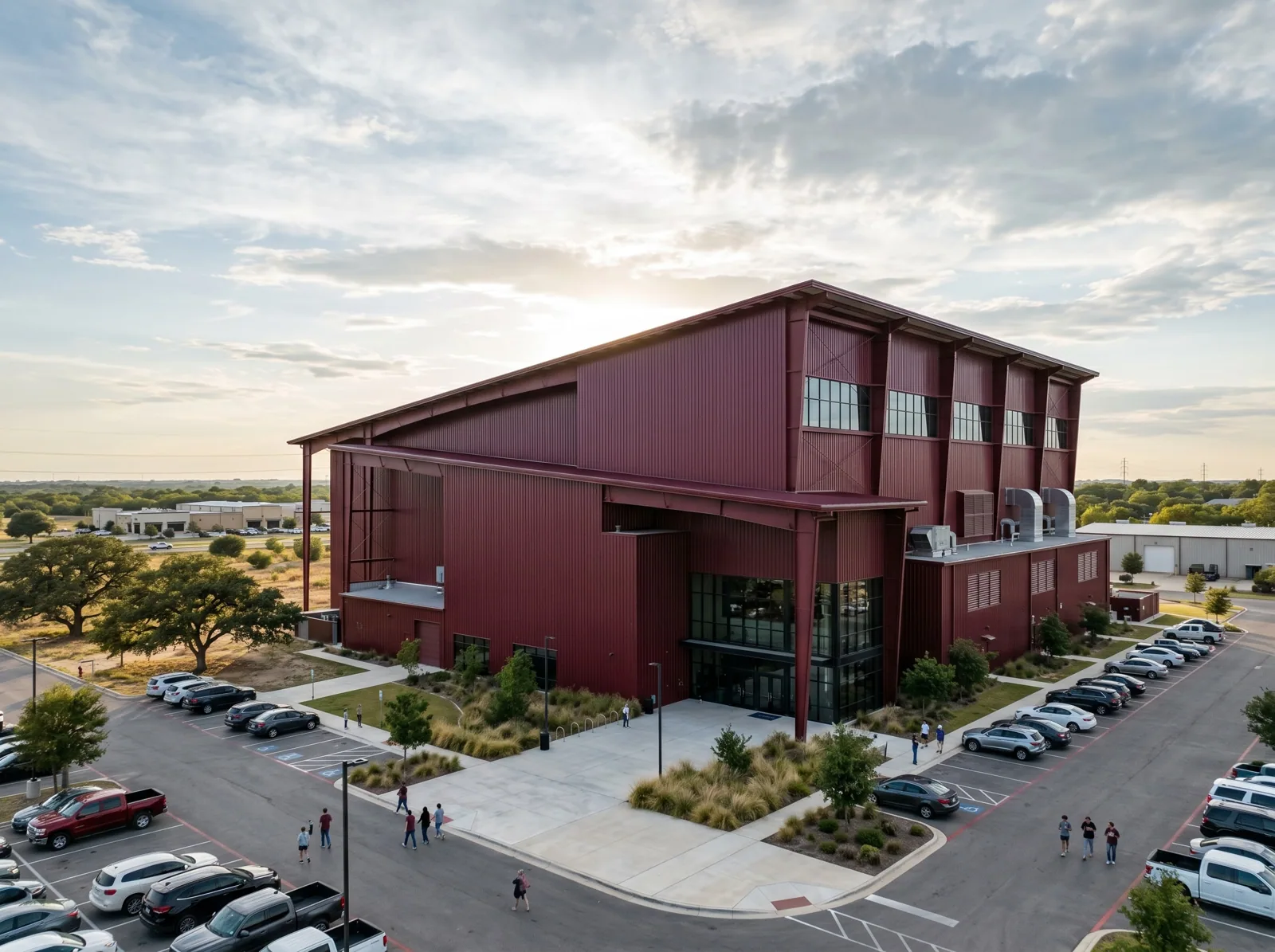
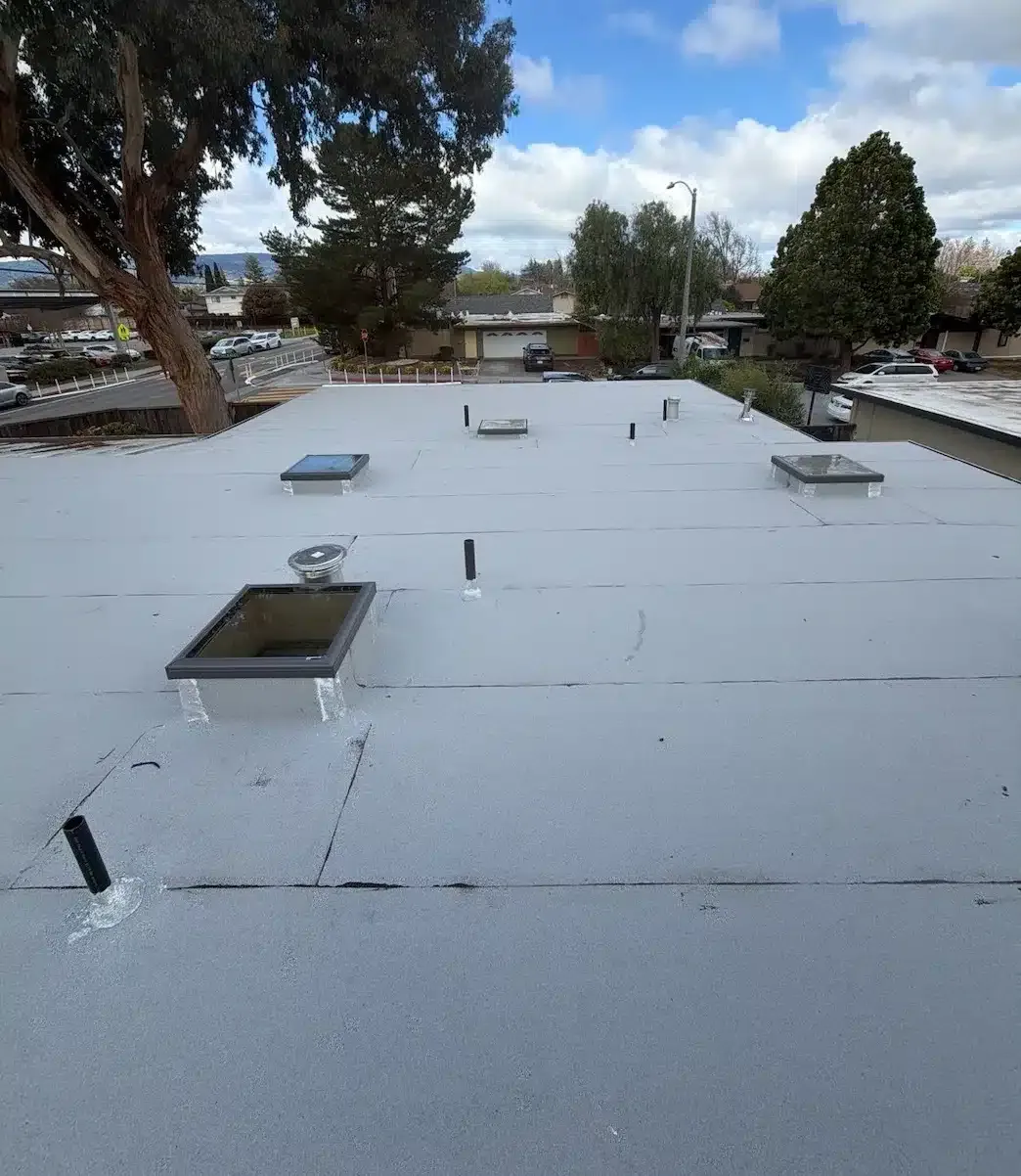
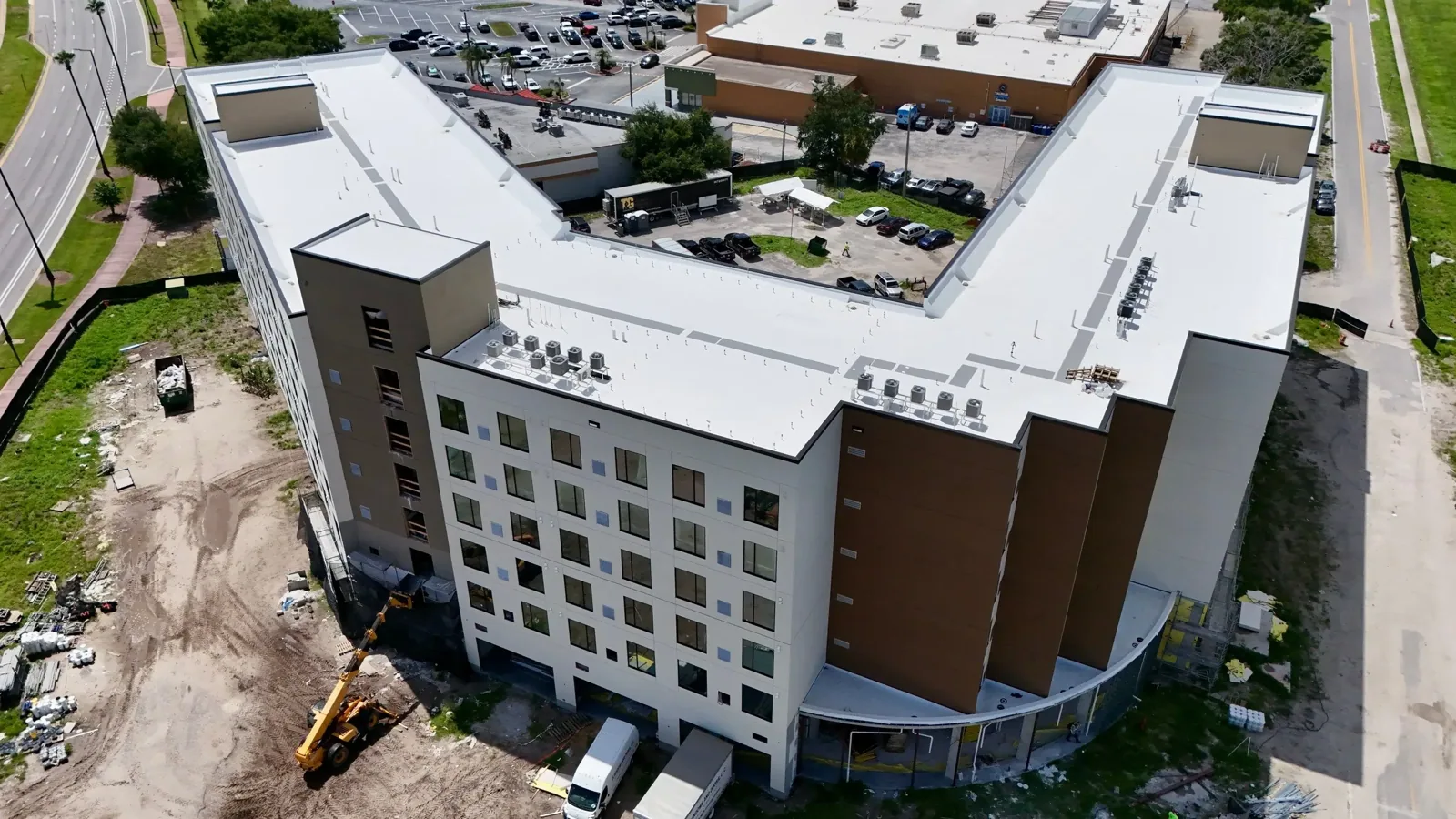
Temecula heat can push a warehouse owner to think about a new roof surface, but drone photos are only useful for that decision if they are aimed at a clear question. A drone roof inspection in Temecula, CA, gives us a full view of the roof and lets us see where to focus, but it does not show what is under the membrane. A warehouse aerial roof survey still has to plan around operating hours and rooftop equipment. We talk through what you need to decide and what access is allowed before we fly, and we treat a loose seam in a photo separately from how much insulation a repair might need, which a photo cannot tell you. A property near Hemet may be built differently from one near Menifee. We fly only the roof areas you approve and note any blind spots from parapets, equipment or airspace limits. Where you have roof drawings or equipment records, we compare them with the images and list what we could not see. Flight permission and questions about hidden damage are handled as separate steps before the photos feed into a repair plan. The recommendation is based on what the inspection actually answered, not on calling it an aerial inspection.
An overhead photo is great for spotting a visible problem or marking an area that needs a closer look. But what you are trying to decide, whether to repair or keep the roof, should set the scope of the flight. We confirm the roof area and any site permissions before treating the images as a complete inspection. A photo of an open seam shows a problem worth checking; it cannot show whether the insulation underneath is wet or the roof is still fastened down. The report explains which question the photos answer and what still needs a hands-on check.
A walk-on roof inspection alongside the drone photos covers the follow-up where the membrane type or hidden condition matters. We compare the images with the details we can reach and any roof records, and note where we could not get a good look. You get what we actually found kept separate from guesses about hidden layers. Different questions may need different tests, so the scope follows the decision you face instead of stretching a photo into a verdict on the whole roof.
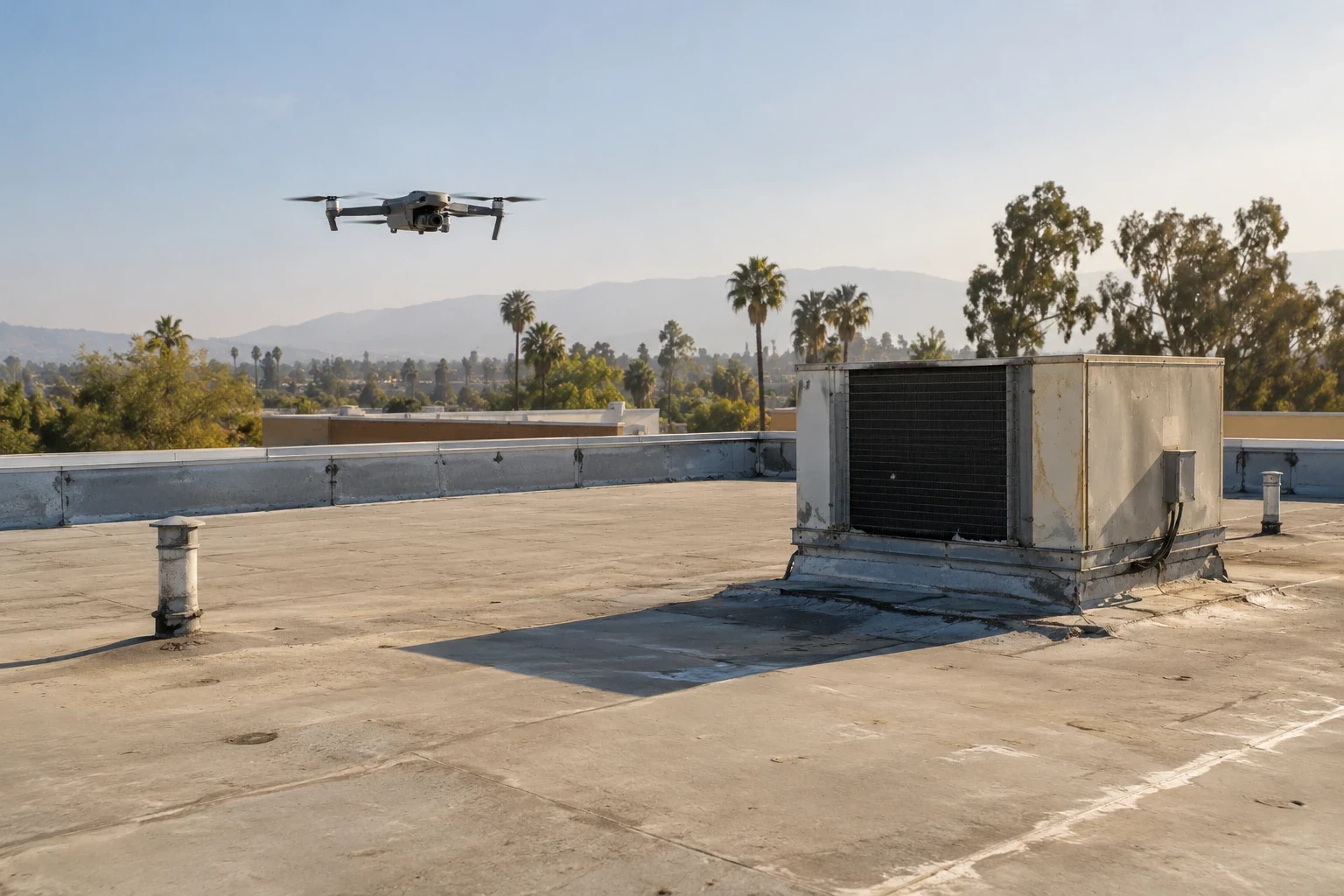
A lifted edge or a suspect curb corner in a drone photo shows where to look harder, but the shape of the detail and the materials still need to be checked in person before repair parts are ordered. We compare the images with roof records and check old patches where compatibility is in doubt. A problem visible on top is a different question from the condition of the layers beneath it, because a photo cannot tell you how much needs to come out. The repair recommendation covers the detail we actually inspected and says what still needs checking before quantities are final.
A permanent repair based on what the photos found includes solid insulation and proper prep within its limits. We separate confirmed repairs from suspected wet areas that still need cores, and note where HVAC or other trades control the detail. A finished patch in one spot does not mean every leak is solved. The repair follows what the hands-on inspection confirmed, including where the work ends and the prep it needs. The photos support that work; they do not replace the checks underneath.
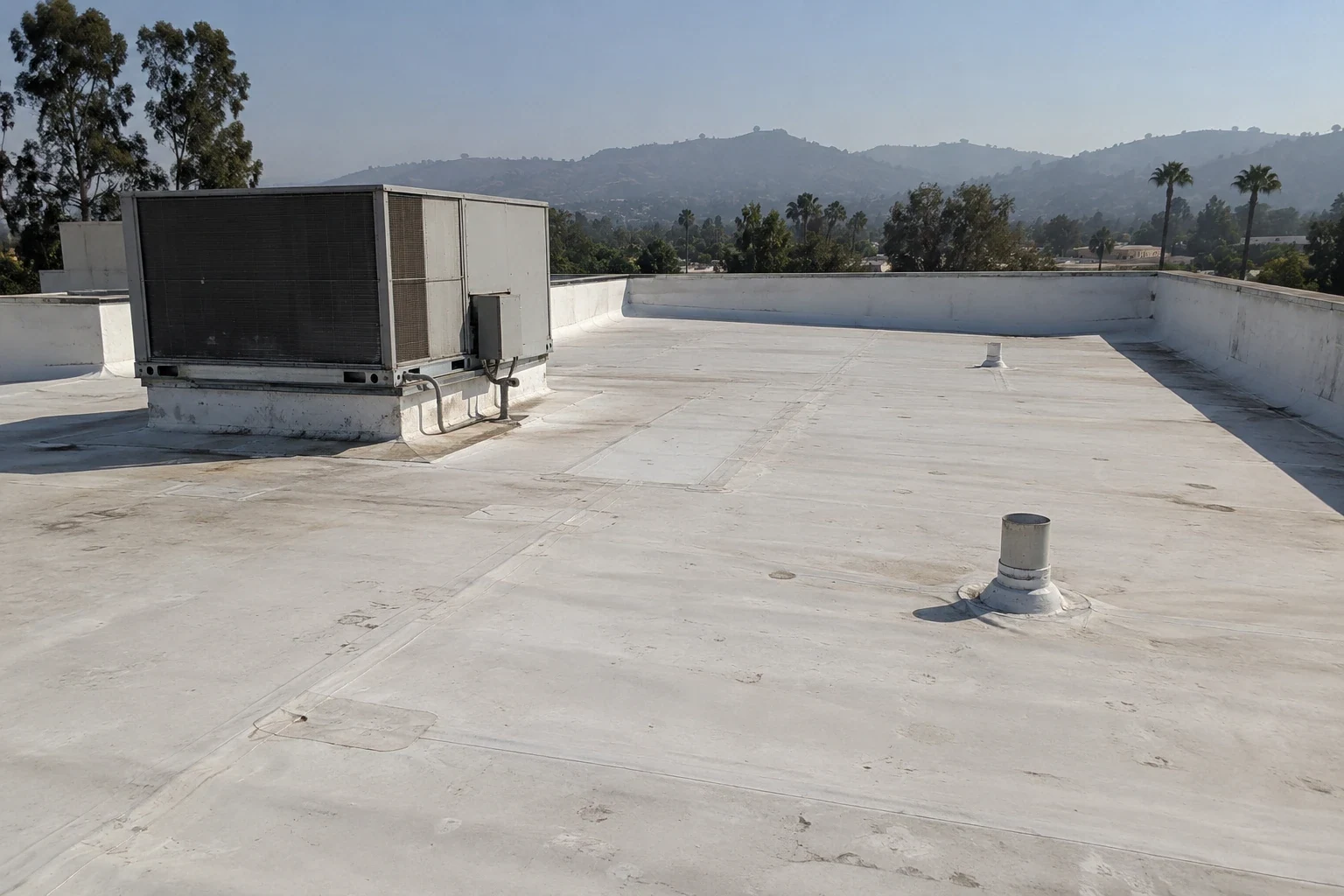
A clean, continuous membrane in a photo does not prove the insulation is dry, the roof is well fastened or that we know every layer that was added over the years. We keep those questions open before an estimate counts on keeping the existing roof, and compare roof records with the right tests for the decision. Suspected wet areas stay separate from confirmed bad material, and repairs and replacement get priced once the tests back them up. A photo of the whole roof cannot clear every hidden layer, and the report says plainly which questions about the insulation and deck are still open.
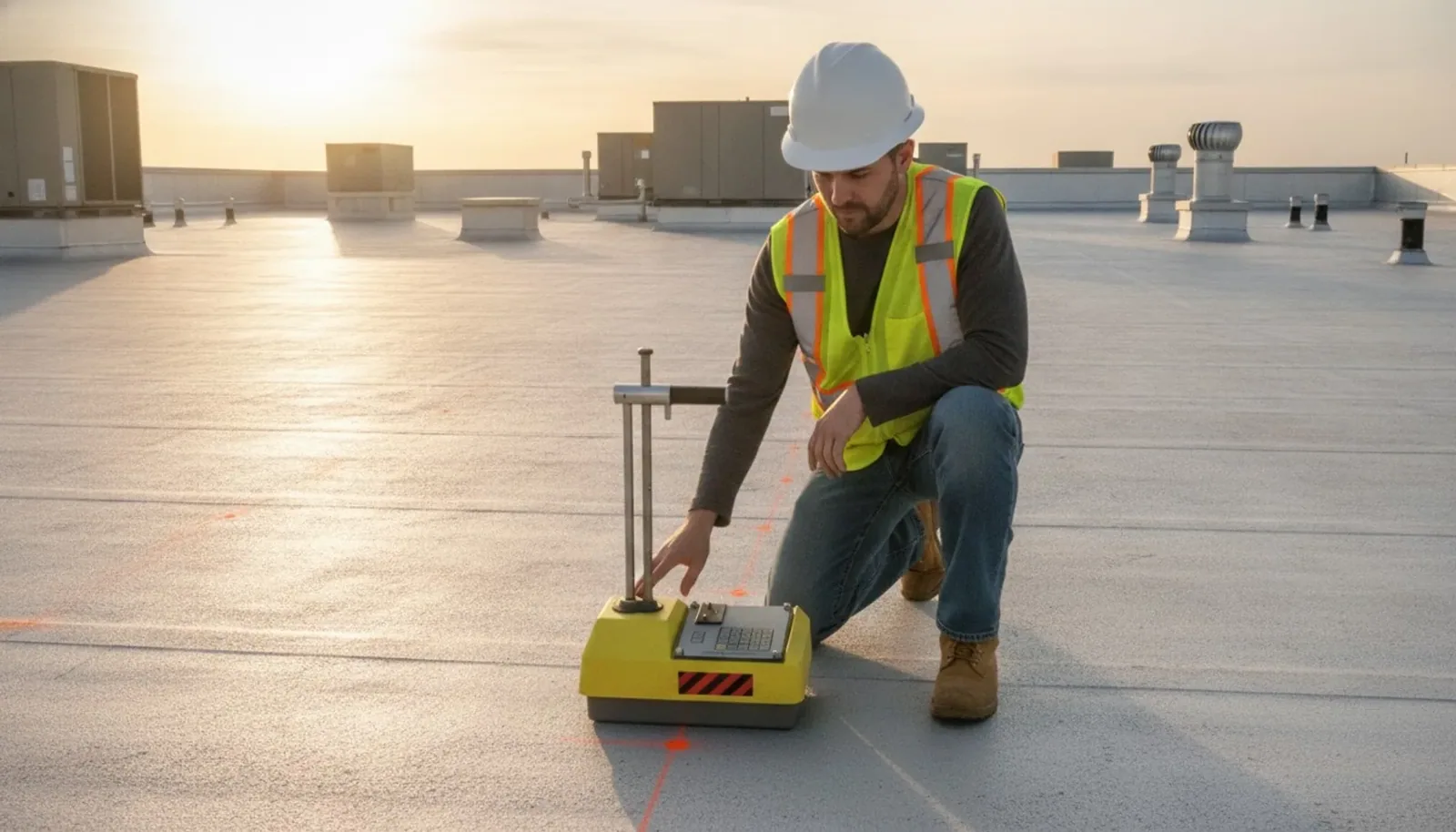
An infrared moisture survey for hidden wet insulation has its own limits and still needs core samples to confirm what it shows. We pick the tool for the question rather than treating any one scan as proof of every wet spot. Cores should confirm suspected areas before any tear-off or keep decision depends on them. If more wet insulation turns up during the repair, it gets measured and approved, and the roof stays sealed in the meantime. Drone images and scan readings support the decision; the cores confirm it.
Drone photos can show the roof areas that matter in a comparison, but the membrane type, the insulation and the shape of the flashing details still need to be confirmed. We note any project or building requirements next to the proposed system and keep material choices separate from equipment that is not yet accessible. If you are thinking about a new surface, compare full roof systems instead of letting an overhead view decide that the insulation can stay. Two areas the same size in a photo do not need the same parts or labor, and every option should carry the roof all the way to the details being repaired.
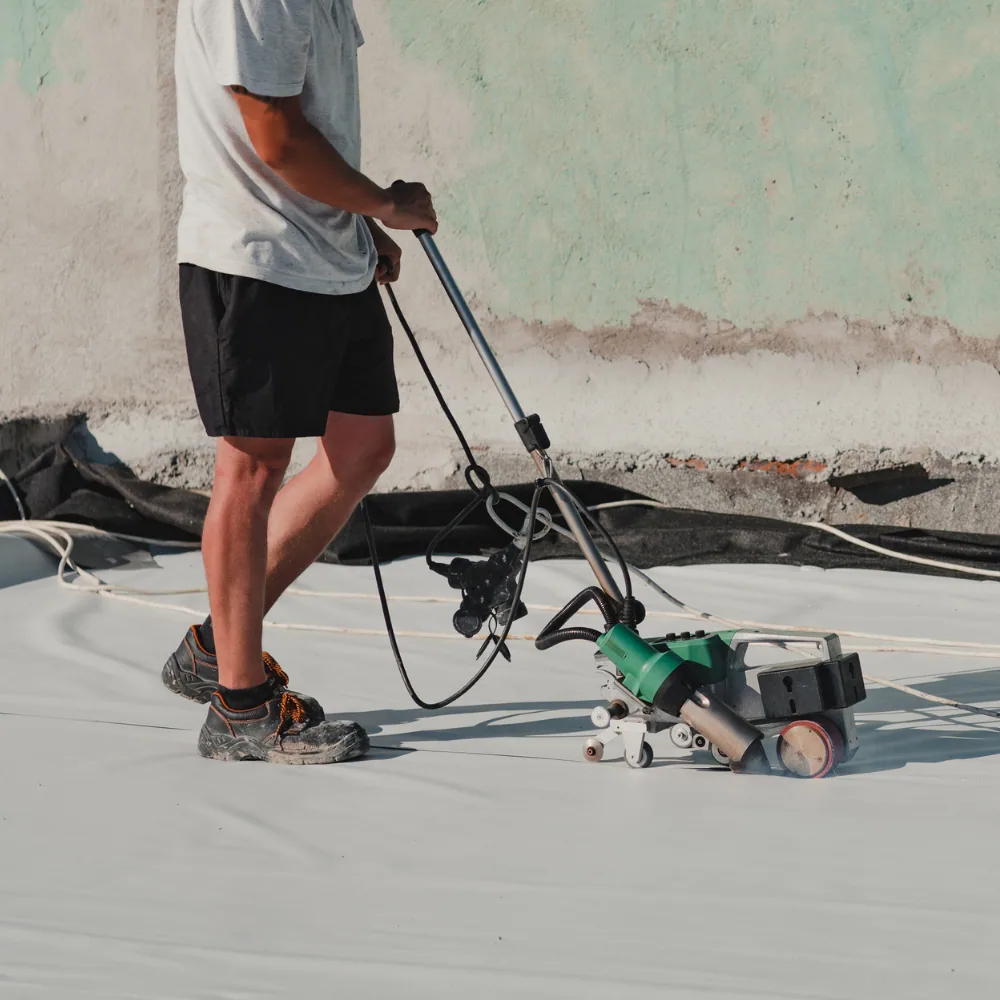
A TPO roof option after the drone survey needs its parts and insulation work listed. A PVC alternative based on the same survey has its own prep and flashing requirements. We keep the insulation repairs and the edges of the work the same in each option and explain what changes with the choice. Delivery routes and tenant schedules can add handling or extra setups beyond square footage, so the schedule follows when each detail can be finished, not when the membrane shows up.
Near Winchester, we start by confirming which roof area needs the drone inspection and how we can access the site. For a Canyon Lake property, the flight plan matches the roof area, obstructions and permissions confirmed for that building. Requests around Old Town Temecula aerial roof inspections follow the same approach, with any views we could not get listed next to what we did see. Flight and site permissions are handled separately from the hands-on checks needed under the visible surface. The report states which roof area we covered and where the photos fall short.
You get the images tagged by location and by the question they answer, with a clear line between what we saw and what tests confirmed. Recommended quantities follow the actual materials and details, and anything waiting on an HVAC contractor or another trade is flagged. If your roof has a warranty, its inspection and alteration terms should be reviewed separately from our photos. An aerial survey cannot promise coverage or prove the whole roof is sound. You get a clear explanation of what we found and what is still to be decided, so the next recommendation rests on facts rather than guesses from pictures.
The decision the photos need to support: a repair, keeping the existing roof or picking a new system. That, plus the roof areas and access you approve, sets the flight. Anything the drone could not see, and any hidden condition still needing a hands-on test, is listed in the report.
No. Wet insulation and loose fasteners need cores or test cuts to confirm. We keep visible problems and suspected wet areas separate from confirmed bad material, then price the tear-out and replacement in the repair scope.
A hands-on check of the existing membrane and how the detail is built. We plan the prep and confirm the insulation is sound before ordering parts, rather than measuring a repair off a photo.
Photos tagged by location, what each one shows and the question it answers. The report should also say which tests were done and which decisions are still open, including anything waiting on another trade, so an aerial survey is never read as a clean bill of health for the whole roof.
Send us the property location, any roof records and the decision you are facing. We will confirm access for the flight and explain what the photos show and what still needs a closer look.
Request a Roof Assessment