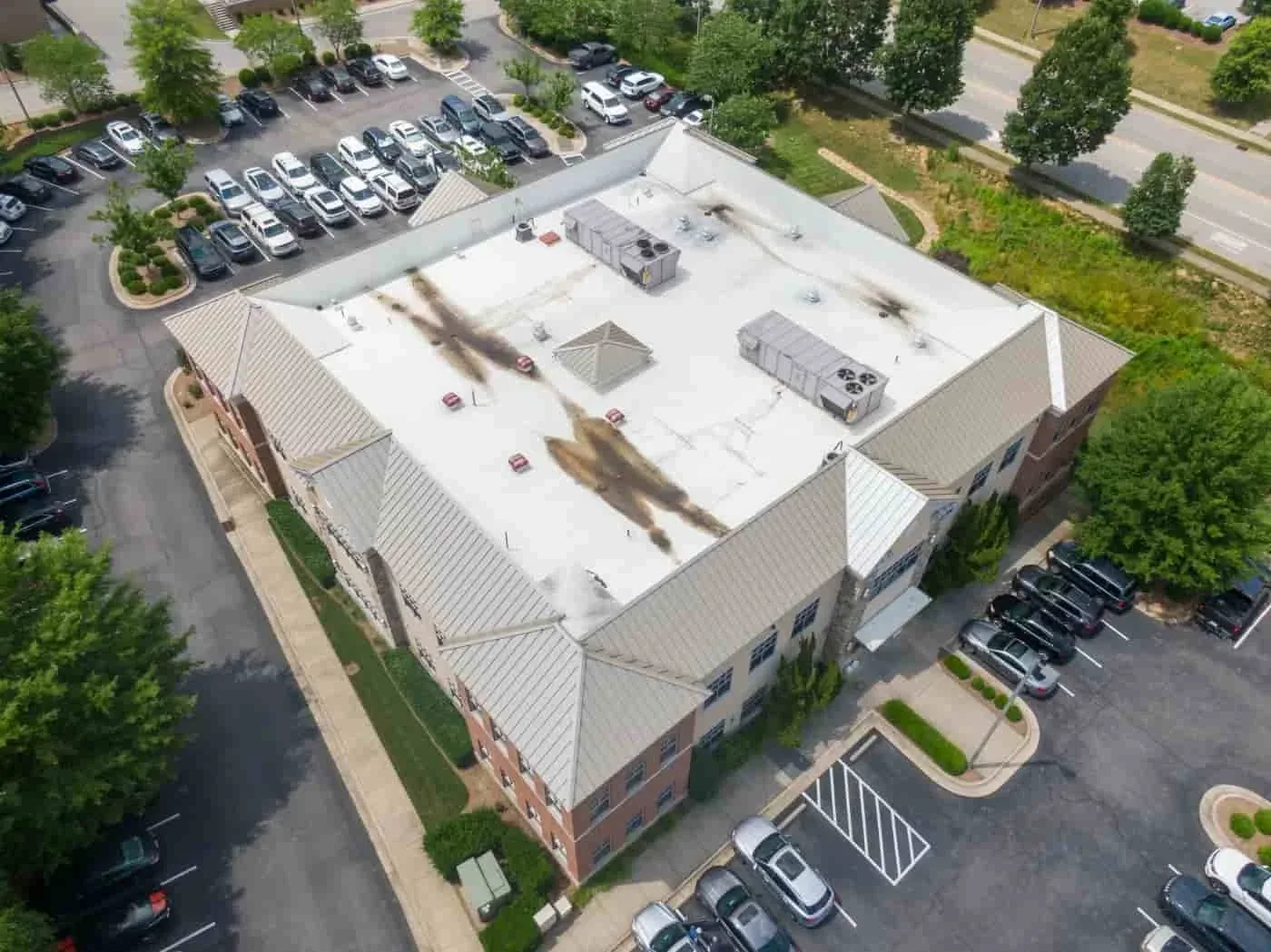
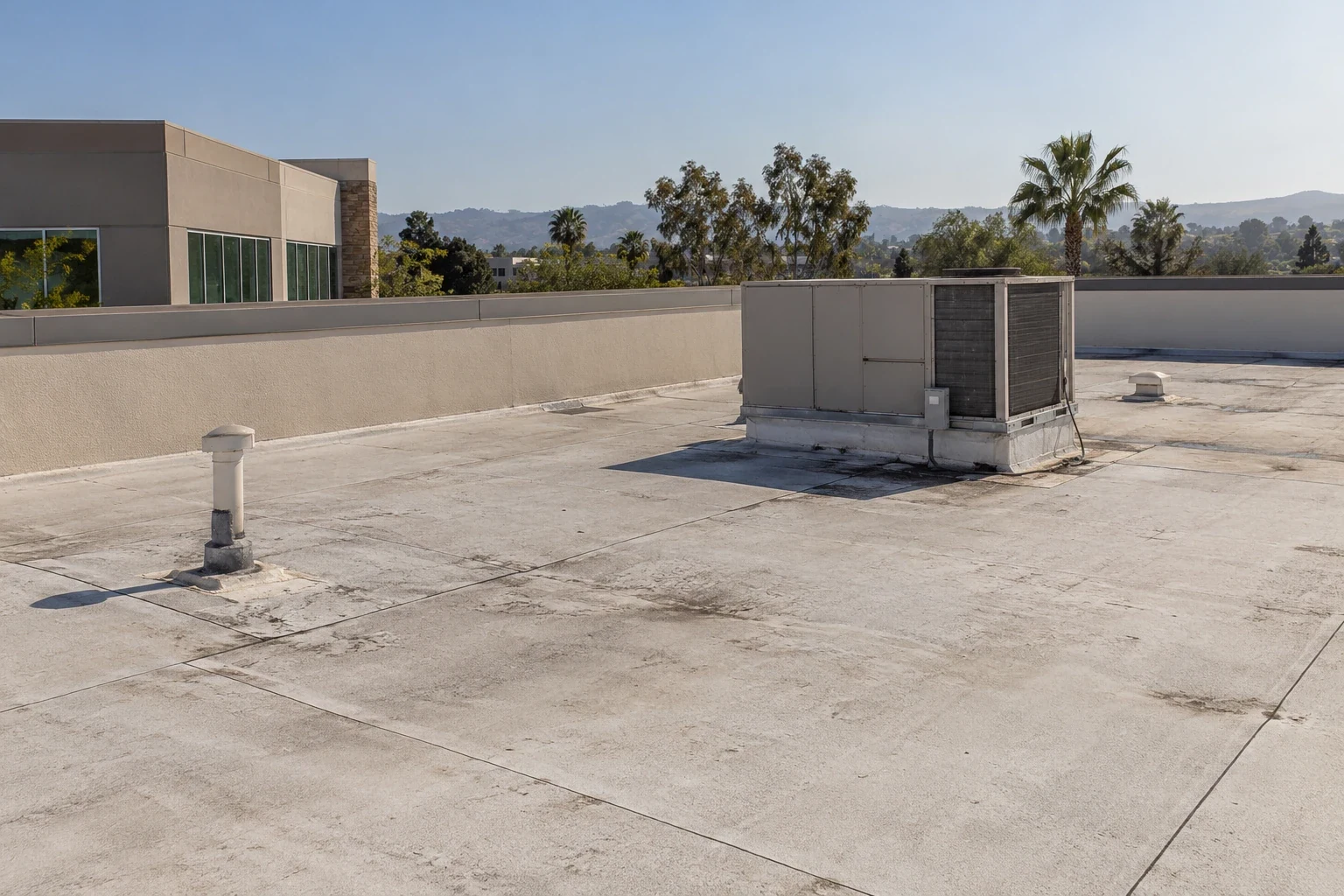
Summer heat can put a hospital's roof surface into the capital discussion in Temecula, but a leaking wall flashing needs a repair decision before an optional cool roof moves up the list. We inspect the flashing, the membrane and the backing at the wall, and compare them with where leaks are being reported inside. The hospital needs to know which detail needs prep, which roof layers can stay and what clinical-area protection has to be in place before tear-off. Those items define the roof work, while clinical, equipment and energy decisions stay with the hospital's qualified teams.
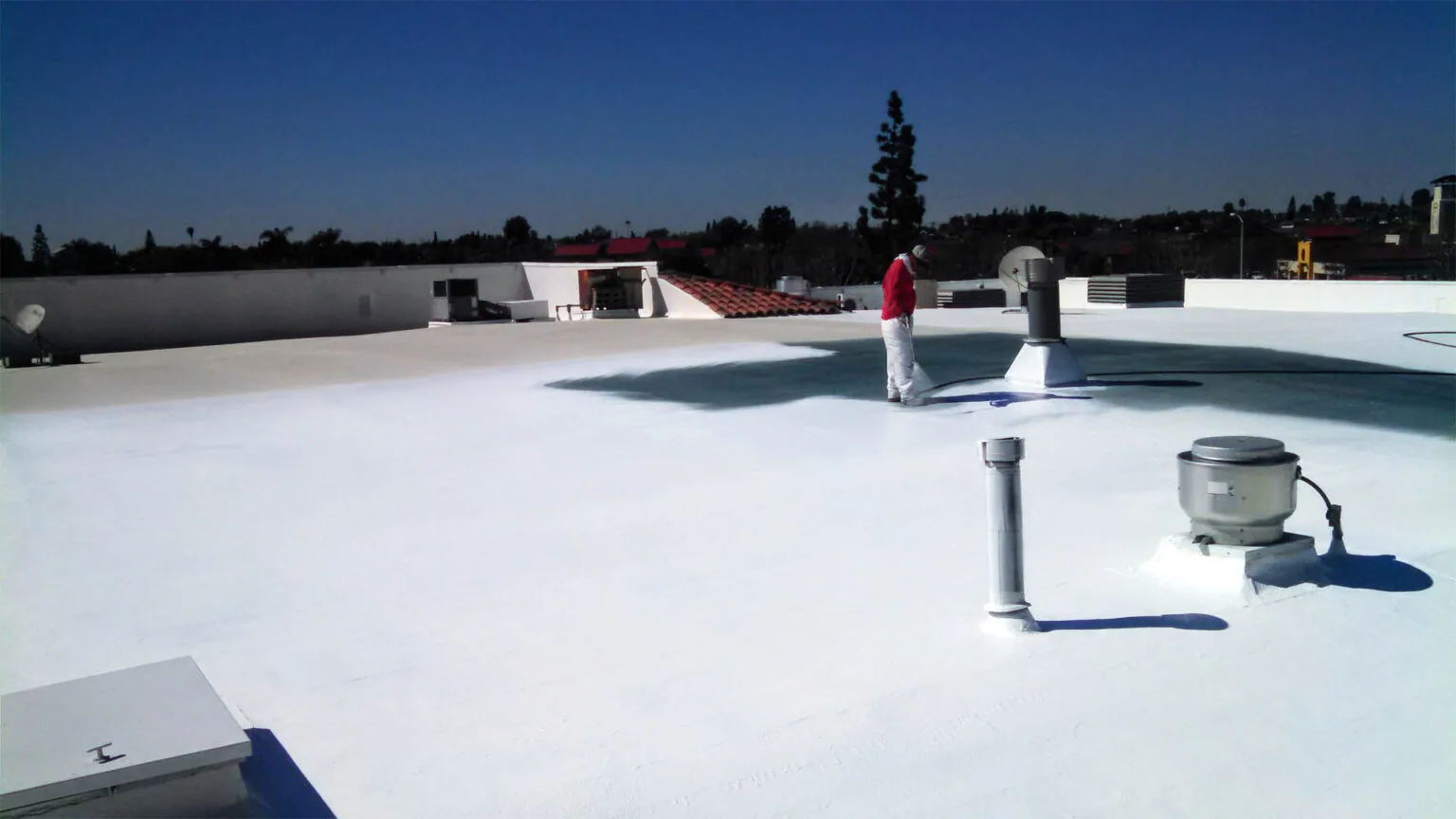
A reflective surface absorbs less sunlight and can reduce heat moving into the building, though the product and the building decide the actual effect. It will not rebuild rotted backing at a wall flashing or prove the hidden layers are sound. We compare the local wall repair with the roof-wide option and identify what has to happen before a permanent repair. Your budget can then separate the leak, the backing repair and a surface upgrade, with the approved work plan and the hospital's specialist reviews included for each option.
Wall flashing can look continuous while the backing behind it has failed, so another layer of sealant will not fix the leak. Flashing failure repair at a hospital wall checks the membrane and the backing needed for a permanent repair. We identify what has to come off to reach bad material and where sound roofing begins again. If the problem goes beyond the roof into the wall or structure, the right professional reviews it. You get a specific wall detail to fix, not a coating whose backing has never been checked.
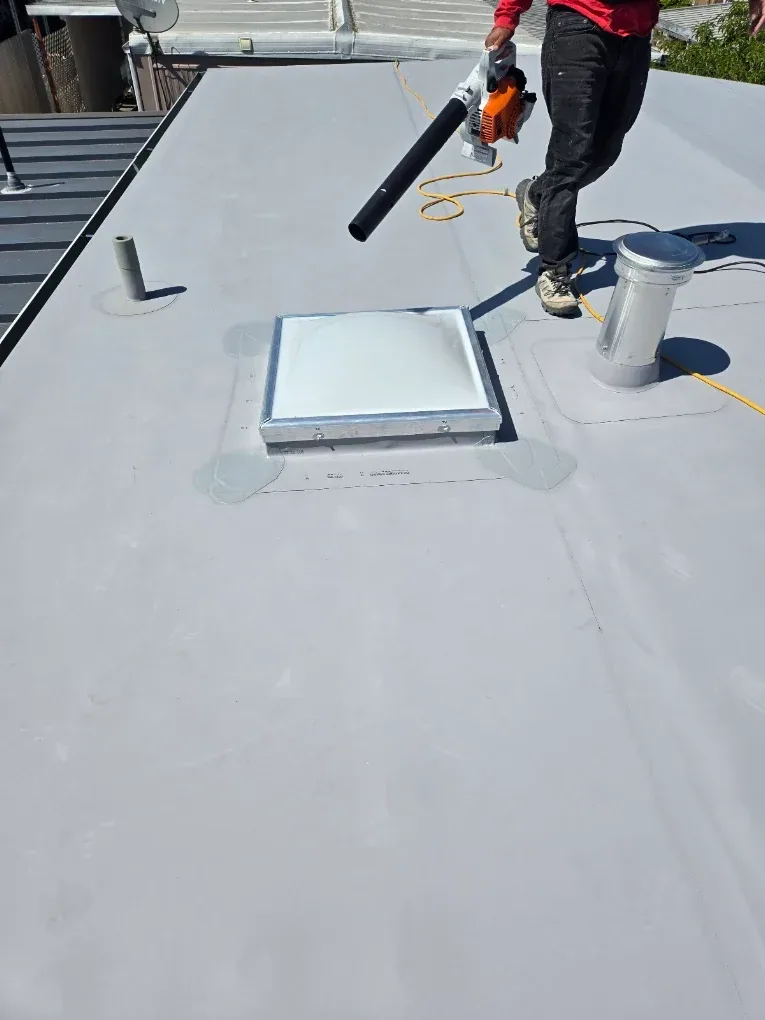
The wall may also need work by another trade, such as wall panels or a vent, before the roof flashing can be closed up for good. Penetration and wall flashing work separates our roofing tasks from that trade's work. TPO and PVC need clean, weldable material; other roofs use their own compatible method. We explain which work can go ahead now and what is blocking the final repair at any spot we cannot reach. Temporary measures stay clearly separate from the permanent repair while the other work is reviewed.

Before a new reflective surface goes on a hospital roof, the existing membrane and deck have to be checked. A cool roof assessment compares compatible materials with the details the new system will affect. Hospital engineering and energy staff review equipment and savings questions, while we identify the roofing work and any layers in question. A new surface can add prep at walls and drains even when most of the roof is in good shape. Those items should be listed next to the cooling goal, rather than assuming the details will be fine after a surface change.
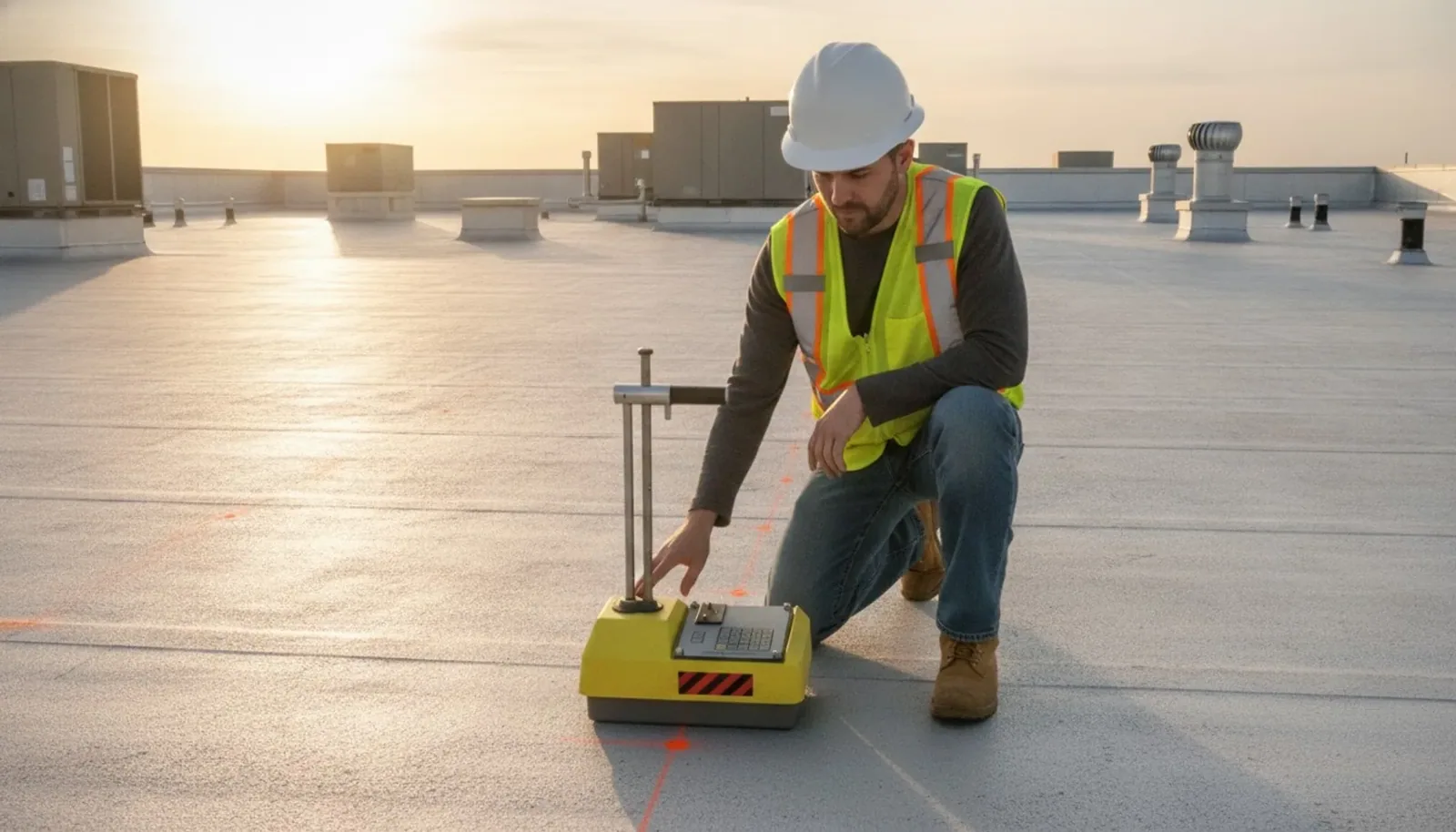
Infrared scans can point to likely wet insulation, but the readings need to be checked against the roof build-up and survey conditions before they guide decisions. An infrared moisture survey is followed by core cuts where keeping the old roof depends on the result. Each cut is patched, and the clinical areas below are reviewed with staff first. We mark each question and explain how the answer changes what can stay. If the old layers cannot support a permanent roof, a larger tear-off becomes the right comparison.
Opening the roof at a hospital wall can affect rooms beyond the one that reported the leak, so the work plan has to spell out roof openings and material handling for clinical and facilities staff to review. They set room protections, infection-control measures, operating arrangements and access for the project. Clinical, equipment and electrical decisions stay with their qualified teams. We lay out the tear-off and patching sequence once those requirements are known, so the bid includes a specific plan for the occupied areas and the backing work needed before the permanent repair.
If more bad backing turns up, another room under the opening may need protection, which changes the handling and protection effort. We explain the larger area before opening more roof and install a temporary seal if another trade needs its own visit. We respond to urgent hospital roof leaks on holidays, weekends and overnight, with access arranged through the facility's contact. If water reaches electrical or medical equipment, qualified technicians should check it. The recommendation shows which areas can be temporarily protected and what is still needed for a permanent repair.
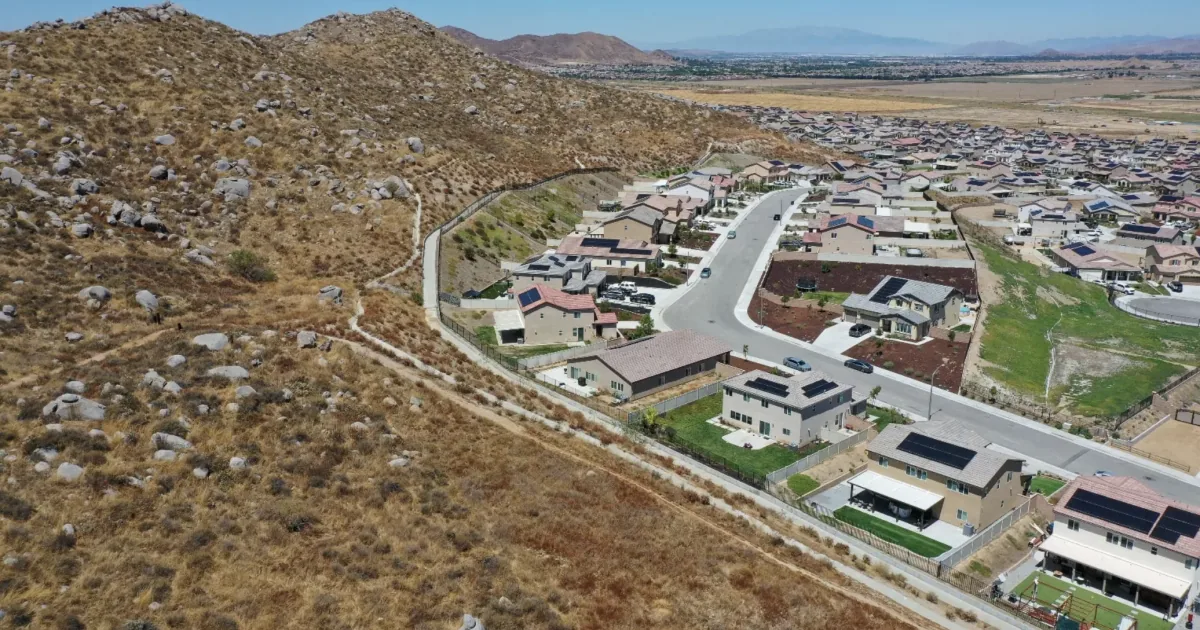
A hospital near the Winchester Road commercial corridor may have different roof layers from one near Aguanga. A hospital roofing scope should identify clinical areas below, infection-control protections and the facilities contact who can release each phase. We inspect the roofing before setting how far the repair goes or recommending a roof-wide option. Hospital staff set the clinical and facility requirements for each phase. The recommendation keeps the backing question alongside those requirements, so the work has a clear repair and an approved plan for the occupied space.
For a hospital near the Winchester Road corridor, we coordinate the inspection area with facilities staff and agree on clinical protections before opening the roof. A facility in Aguanga gets its own assessment of its roof, access and operating needs. We check its membrane, backing and existing layers before proposing a compatible surface option. Each hospital's comparison stays tied to the roof we actually inspected, with any wall or equipment work listed separately. That way the heat goal, the clinical-area protection and the roof conditions are all part of the same practical plan.
A medical office may need different room protection under a roof opening, even with a similar membrane. Medical office roofing plans around exam rooms and patient hours. Cold storage roofing deals with insulation and vapor control in refrigerated spaces. We compare hospital options based on the actual wall flashing and the condition of the existing roof, keeping the repair area and the approved clinical work plan specific to this building rather than borrowing them from another type of facility.
Final photos should show the finished wall flashing and the sound roofing left in place next to it. Temporary measures used during the backing repair are marked separately, as are any open wall, design or equipment items. Later leak reports from inside can be traced back to that spot on the roof and the work completed there. A larger cool roof option gets its own compatibility and building review before the next capital decision. Your ten-year plan then starts from facts: a repair that is done, an item still waiting on another trade, or a surface upgrade backed by the right materials and operating information.
Usually not. The backing has to be solid and the flashing material has to be compatible for a permanent repair. Where the backing has failed, we rebuild it, and any wall or panel work is done before the roof is closed up.
Whether they are dry and sound in the areas that affect the plan. Infrared readings are confirmed with core cuts, and each cut is patched with clinical-area protection arranged in advance.
We identify the added rooms and material handling before opening more roof. Clinical and facilities staff review the added protection, and clinical and equipment decisions stay with their own teams.
Separating finished work from temporary protection and open items for other trades. Photos should show the finished wall flashing and the roofing around it, so a future roof option can be compared with what is already done.
Tell us about the heat concerns, where leaks are showing up and any roof drawings you have. We will inspect the wall flashings and compare repair and cool roof options, planned around your clinical areas.
Request a Roof Assessment