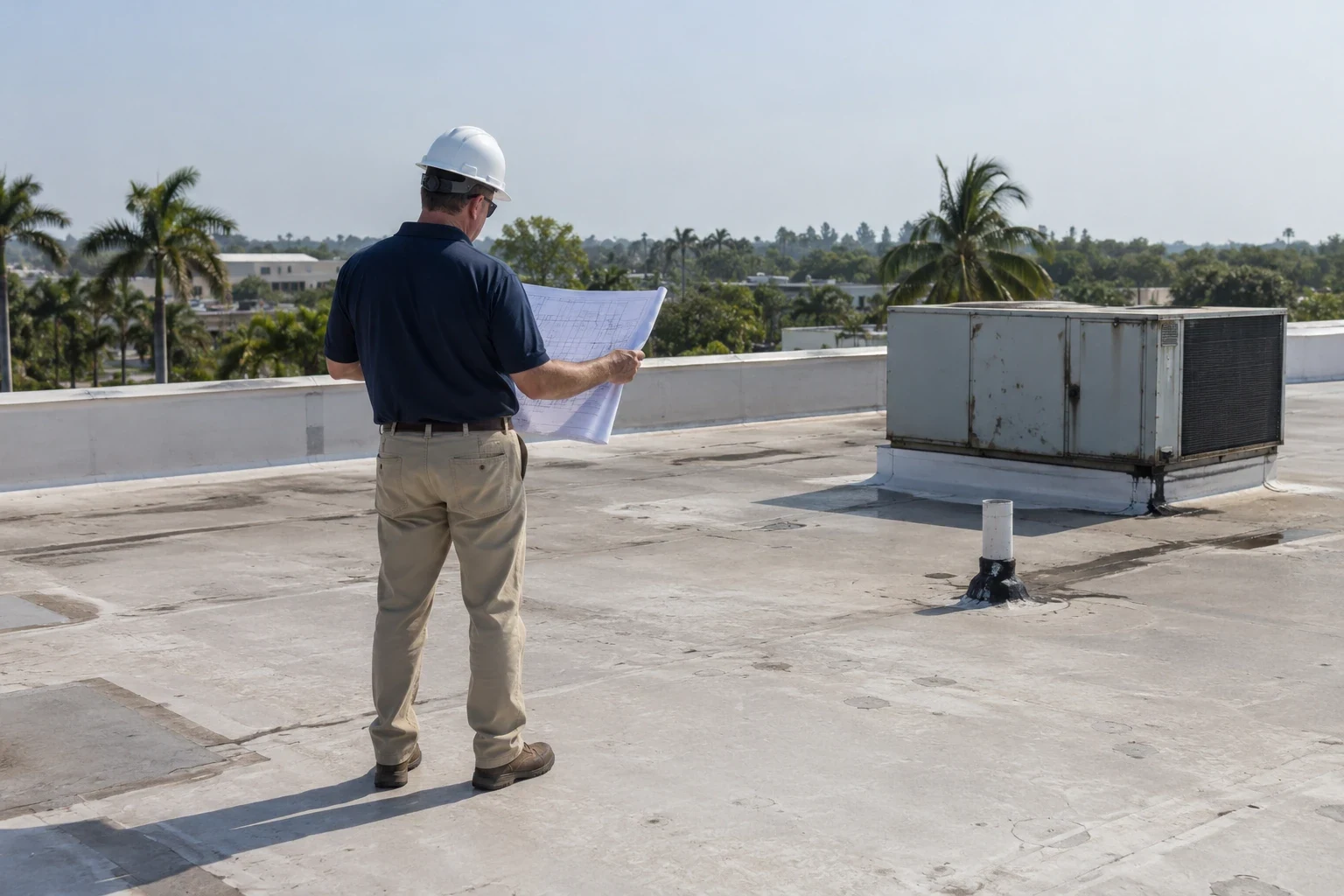
A plan to put a reflective coating on a Temecula retail roof can raise a paperwork question before anything is ordered: what does the existing warranty say about changing the roof? Roof warranty management in Temecula, CA, keeps that question next to the actual work being proposed. We inspect the area, pull together the repair records and point out which warranty terms need checking for that job. You should understand both the physical prep and any open warranty step before you approve a change. A good new product does not mean the manufacturer has accepted it over your existing roof. Whether the building is in Romoland or French Valley, the warranty review follows that specific roof and its rules. A quantity for one building stays separate until its insulation, existing membrane and access have been checked. For shopping center roofs, we confirm the building and inspect the exact area involved. The warranty documents and past work records need to belong to that building. Another property with a similar membrane may carry very different terms, so its paperwork tells you nothing about your obligations.
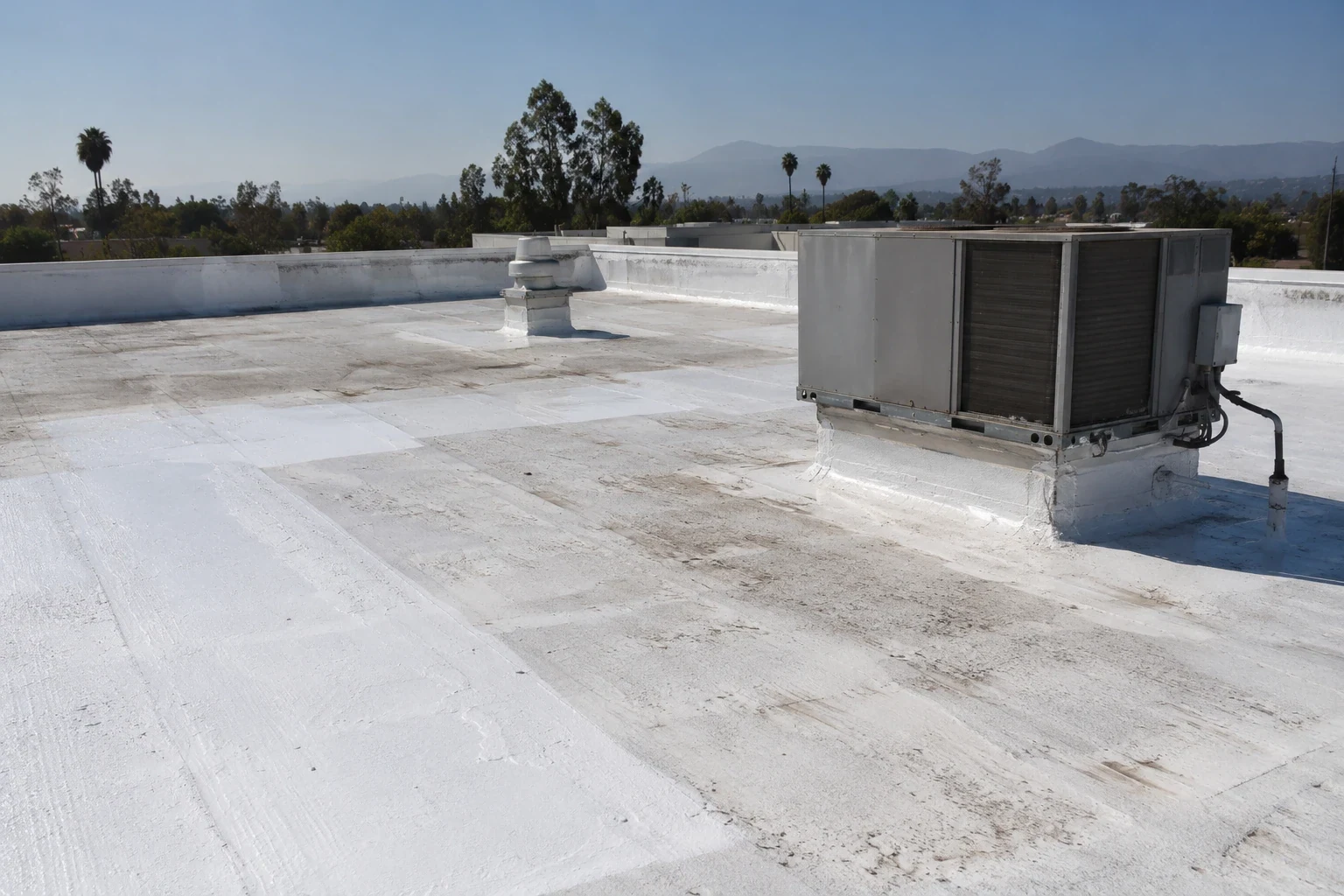
The City of Temecula plans for extreme heat, and a reflective roof can cut the sunlight a roof absorbs and the heat that reaches the building. That is a fair reason to consider a change, but it does not mean the change is approved under your warranty. We describe the product and the roof it would go over, including old coatings that affect the prep. The warranty then needs checking for any rules about that kind of work. Where the manufacturer or a designer has to sign off on a method, their answer is kept separate from our construction proposal.
A proposed roof coating restoration should name the product, the prep and the existing roof clearly enough for the manufacturer to review it. Coating over a peeling old coating or a wet area is a very different job from coating a clean, sound surface. We check those conditions before calling the option ready. Any approval has to cover the actual work proposed, not be assumed from a similar job somewhere else. That way you can track what is ready on the roof and what is still waiting on a warranty answer.
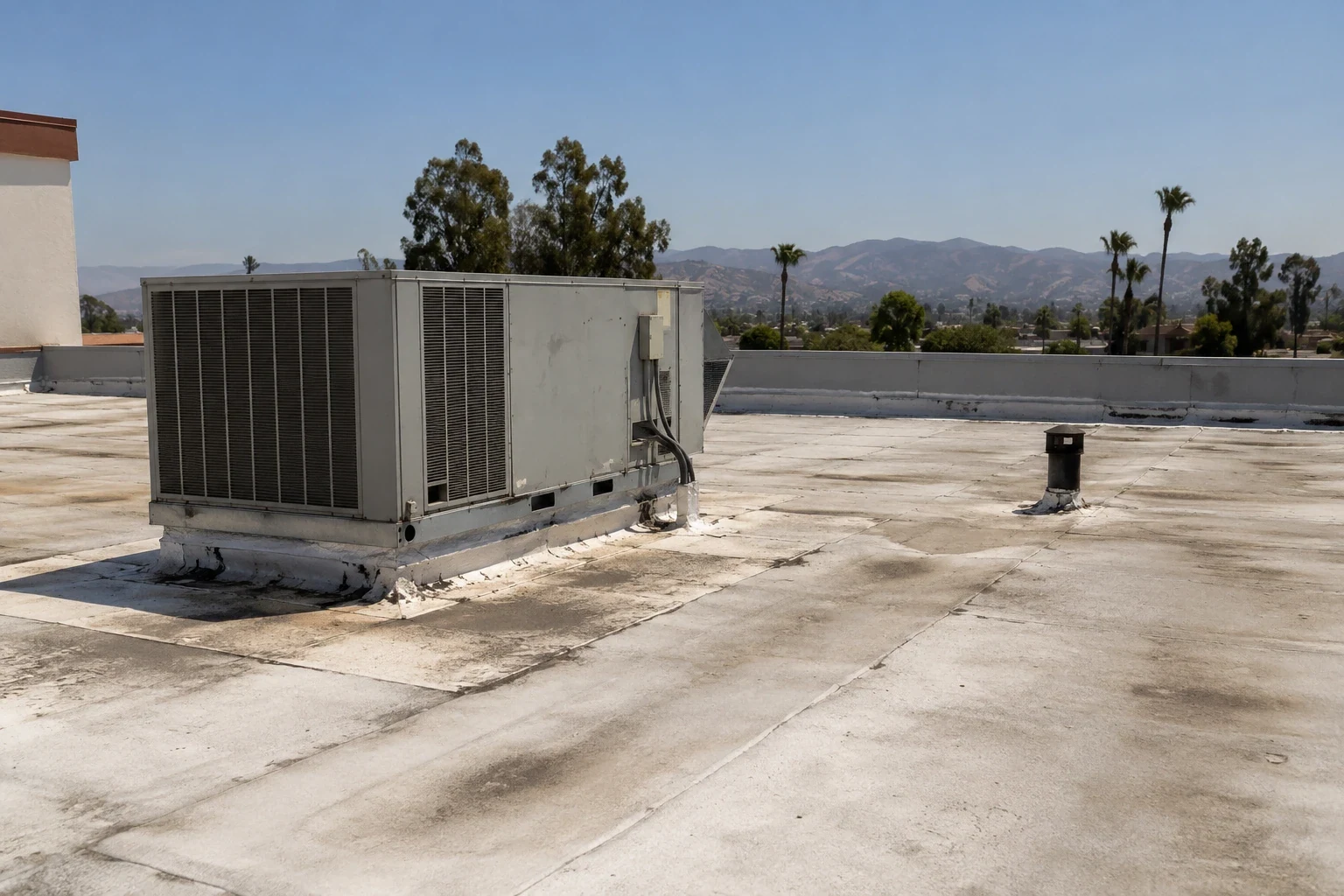
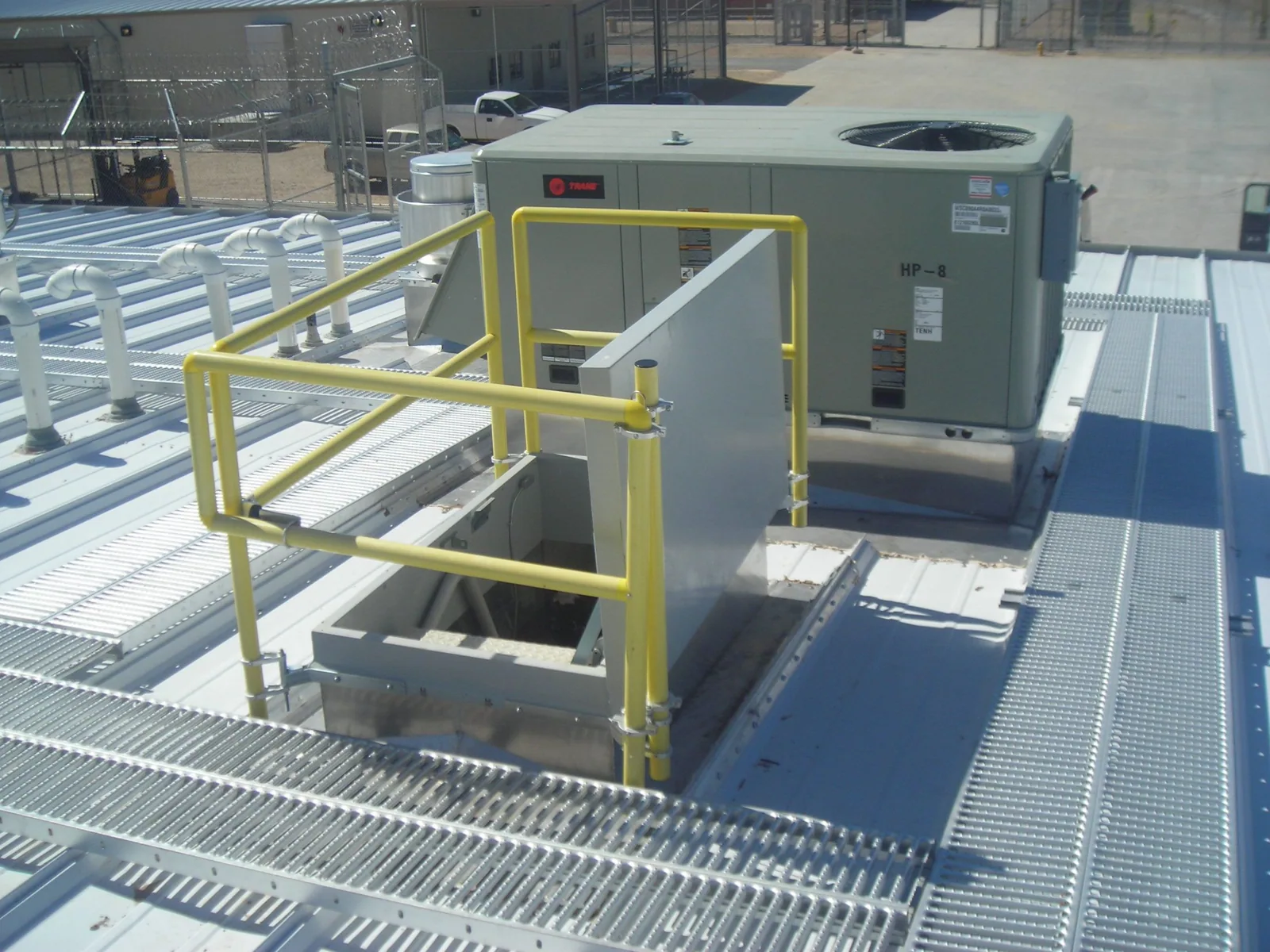
When a rooftop unit is replaced, the old curb flashing often no longer fits the new unit's footprint. We compare the current curb and roof section with whatever completion records exist. The old flashing may have been fine for the old unit, so a gap today is not explained just by pointing at an old warranty entry. The mechanical contractor handles questions about the unit itself. We spell out the roof work needed around the new unit's position and the paperwork that should go with that change.
Rooftop equipment curb and support work includes checking the deck around the curb and getting access to all four sides. If one side is blocked, the proposal names the mechanical work needed before permanent flashing can go on. Material compatibility and curb height also have to be settled. You should see those construction steps next to any warranty review. A warranty letter cannot make a hidden curb ready for flashing, and a finished repair at one spot does not satisfy every other term. Keeping each issue in its place makes the next step easy to assign.
A useful roof file ties each job to where it was done on the roof and what was found. We gather photos, job descriptions and records of earlier changes when we can match them to the building. A general invoice may show a date without saying which edge or pipe was fixed. When detail is missing, we say it is missing rather than guess at what was done. You can go back to the old contractor for it, while our current inspection records what is on the roof today.
A current roof condition report for the warranty file states what we could and could not check. Where hidden wet insulation decides the repair, it has to be confirmed before tear-off limits are set. Any warranty question can then be based on an accurate description of the roof. We keep past leak reports separate from what we found on this inspection. That helps you compare a new proposal with recorded work without blaming anyone beyond what the evidence shows. The file supports the review. It does not replace looking at the roof as it is now.
If the warranty calls for notice or approval, you should know exactly what is still outstanding. We identify the proposal involved and the right contact, and we keep a request that has been sent separate from an approval that has come back. Ordering materials and tearing off should line up with whatever the warranty requires for that job. If something found on the roof changes the method, the approval may need to be revisited for the revised work. The project record carries that change, so everyone is reviewing the same roof and the same prep.
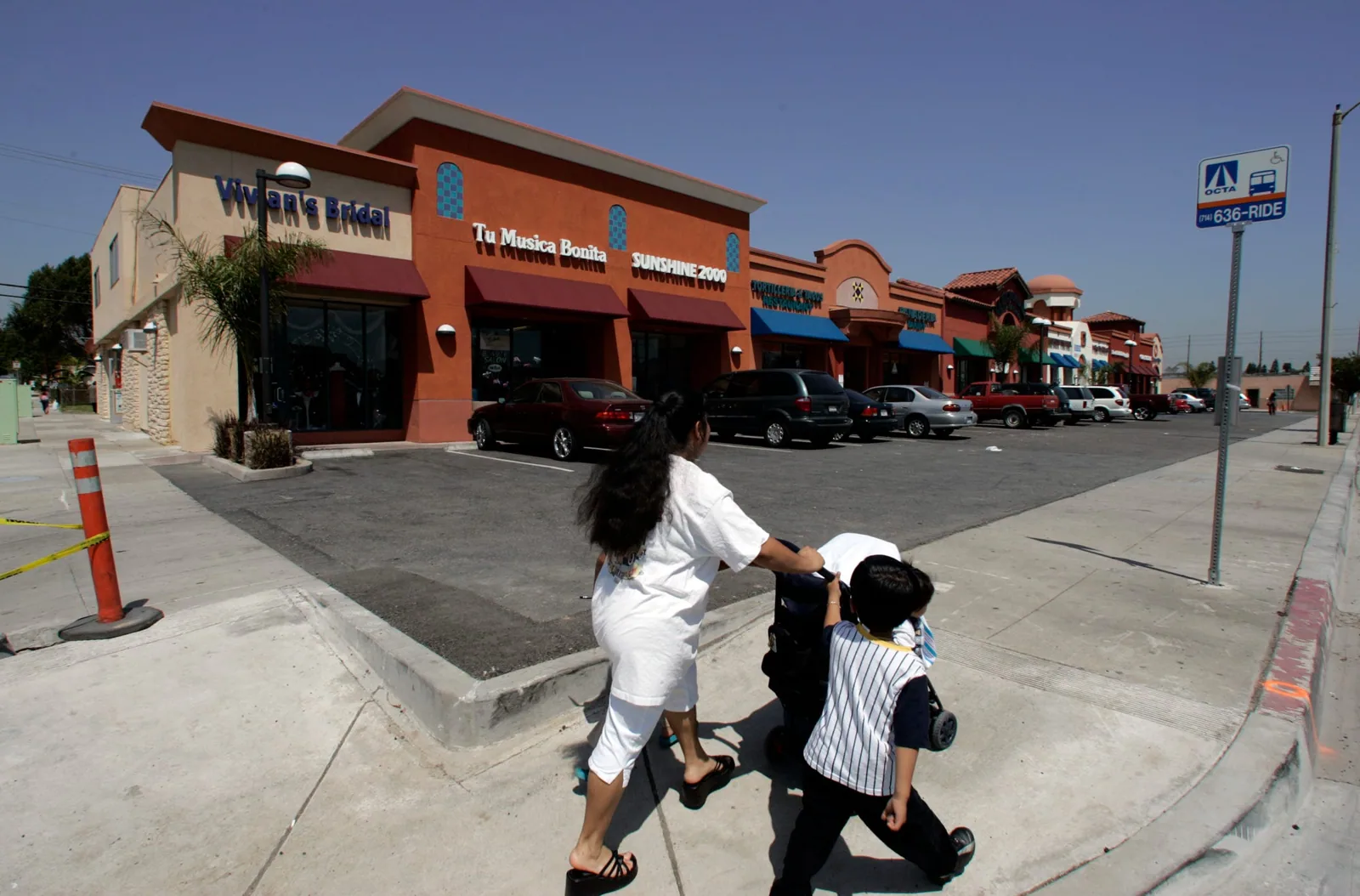
For an Old Town Temecula roof project, the building operator also confirms any limits around occupied space and how we get on the roof. A roof capital plan that allows for the warranty review keeps those access and paperwork steps next to the cost. If temporary weather protection is needed, it is its own task and not a sign that the permanent work has been approved. The property manager can plan the next phase around what has actually been settled, rather than assuming a scheduled crew means the approval is done.
When the roof work is finished, the record should show the prepped area and the permanent flashing. We note where the new work stops and list any mechanical or interior work outside it. Any required warranty paperwork can then describe the work actually delivered, with submittals and responses kept as the job requires. A photo of a new surface does not prove every warranty obligation was met. You need both the physical work and the paperwork status to be clear, especially when a manufacturer's inspector looks at the change later.
For property management companies, the roof file should keep those details for future changes. Moving a unit or adding a new coating can mean re-checking both the flashing and the warranty terms. We compare the current roof with the earlier completion record before reusing an old recommendation. New leaks get a fresh inspection, with the history used where it helps. That gives you a clear record of the real work and the open obligations, without assuming one finished job governs every change that comes after it.
No. Our proposal describes the work, but whether the warranty allows it depends on the terms and, where required, a written answer from the manufacturer. We keep the proposal status and the warranty status separate so you can see both before any change is made.
Photos of the curb, a description of the roof section and the size and position of the old unit. We compare those with the new unit and the roof around it. A job date alone cannot explain whether the old flashing fits a unit that has since been replaced.
No. The file helps us decide where to look, but wet insulation or deck damage has to be confirmed on the roof where it affects the repair. Old paperwork cannot prove the layers are sound today. The proposal lists what was verified and what still needs testing.
Any unfinished mechanical work and any warranty paperwork still outstanding, listed separately from the roofing that was completed. Where it applies, record whether a submittal was sent and whether a response came back. That gives a later reviewer a clear picture of what was done and what still needs action.
Send us your warranty documents and the change you are planning. We will go over the existing roof, the warranty questions that apply and a sensible order for the prep work.
Request a Roof Assessment