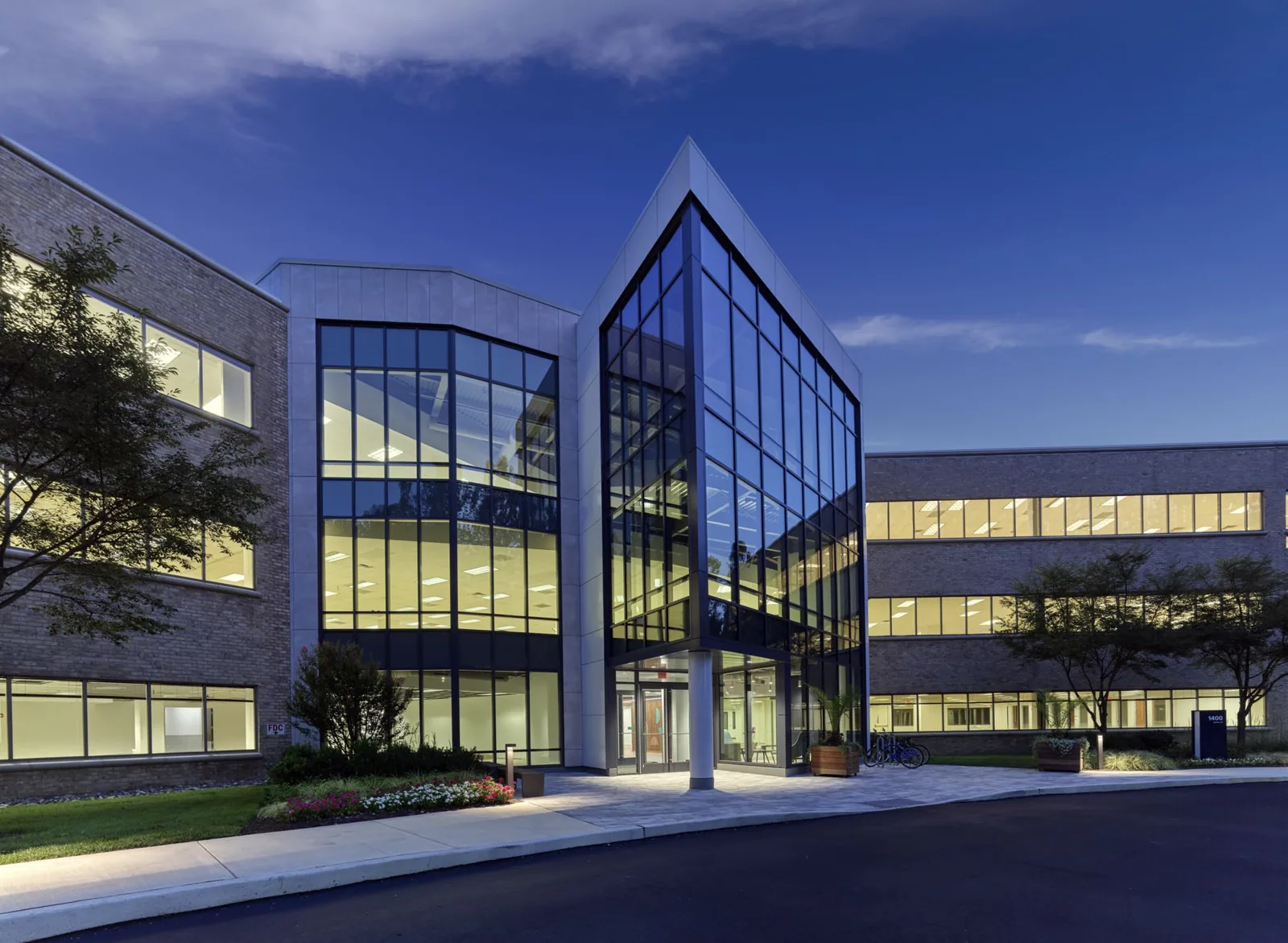
A cool roof upgrade can come up during a Temecula restoration job, but a torn membrane still needs to be assessed and repaired on its own terms. Roofing for insurance and restoration projects in Temecula, CA, documents the damage we can see, the questions about what is underneath and the full prep a permanent repair needs. We keep the owner's or adjuster's account of what happened separate from what we confirm on the roof. You get a repair scope that can be reviewed next to any wider upgrade, with the purpose of each job clear. A new reflective surface does not explain how the tear happened, and it does not make hidden wet layers acceptable. A restoration scope in Vista should be based on the building, the reported damage and the evidence on that roof. For a Wine Country property, the claim history stays with the right building, and we compare dated photos with what we see now before describing the damage. Restoration paperwork should name the property and the loss being assessed. Damage at a neighboring address proves nothing about yours. For office building roofs, we confirm the building and where the damage was reported. Dated photos and old work records help explain changes when they match the location. We compare them with the roof today and note what is still unknown. Our recommendation follows what we find, and coverage questions stay with the insurer and adjuster.
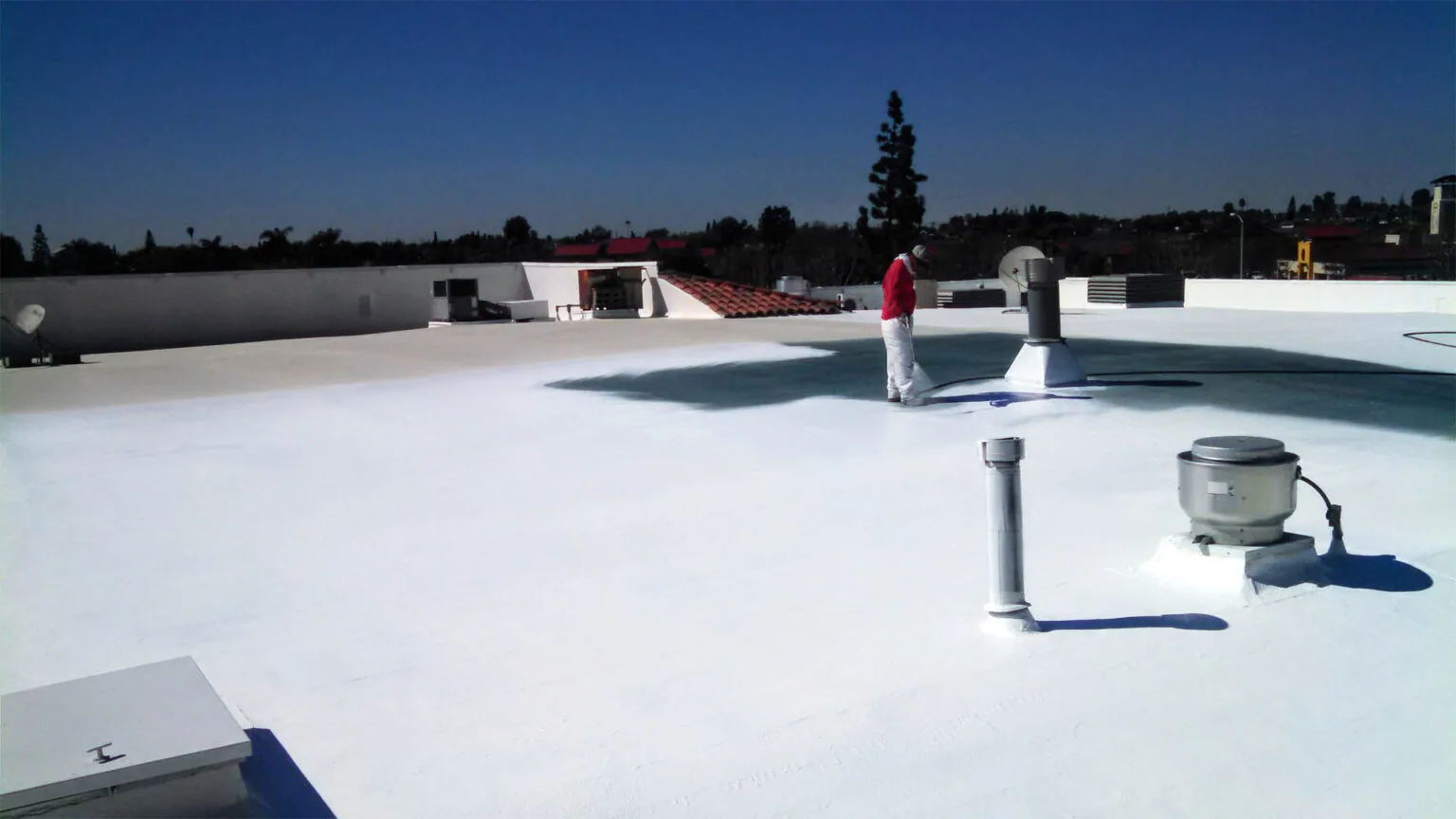
Extreme heat is one of Temecula's emergency planning concerns. A reflective roof can reduce the sunlight a roof absorbs and the heat reaching the building, depending on the building and the product. That may justify an upgrade once the roof underneath is sound. The restoration scope still needs the tear, the insulation and the flashings checked on their own. We spell out what each option would deliver, and any cooling-cost estimate is tied to real building data. A possible energy benefit should never hide missing prep under a nice new finish.
Cool roof installation during a restoration job should include the damage repairs and the product's requirements. Confirmed wet insulation or a failing old coating can add work before application. A different method may remove more roofing while fixing the same known leaks. We compare complete scopes and say what each one leaves out. That way you are reviewing prices that address the actual roof problem, not comparing a coating-only figure with a full repair as if they were the same job.
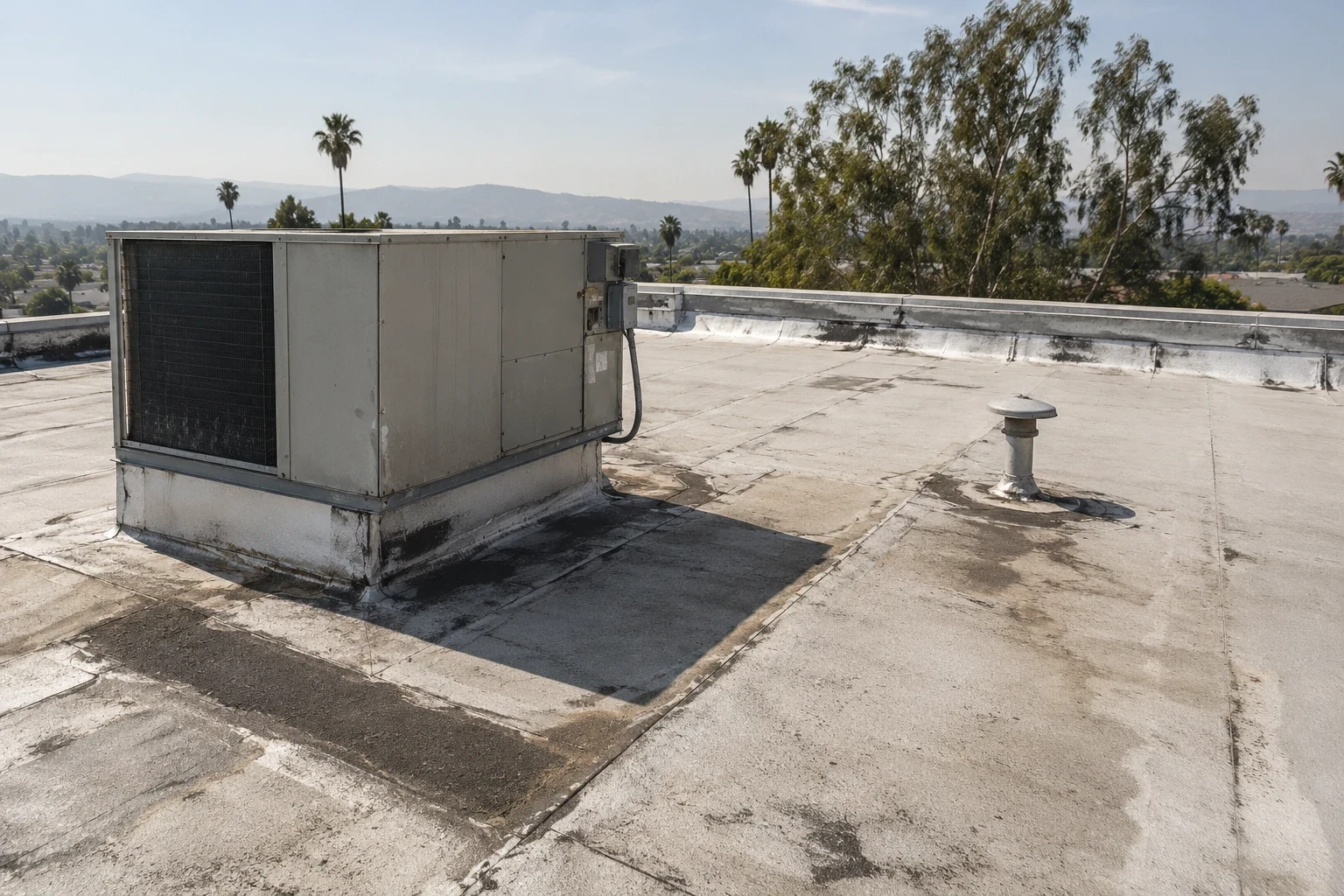
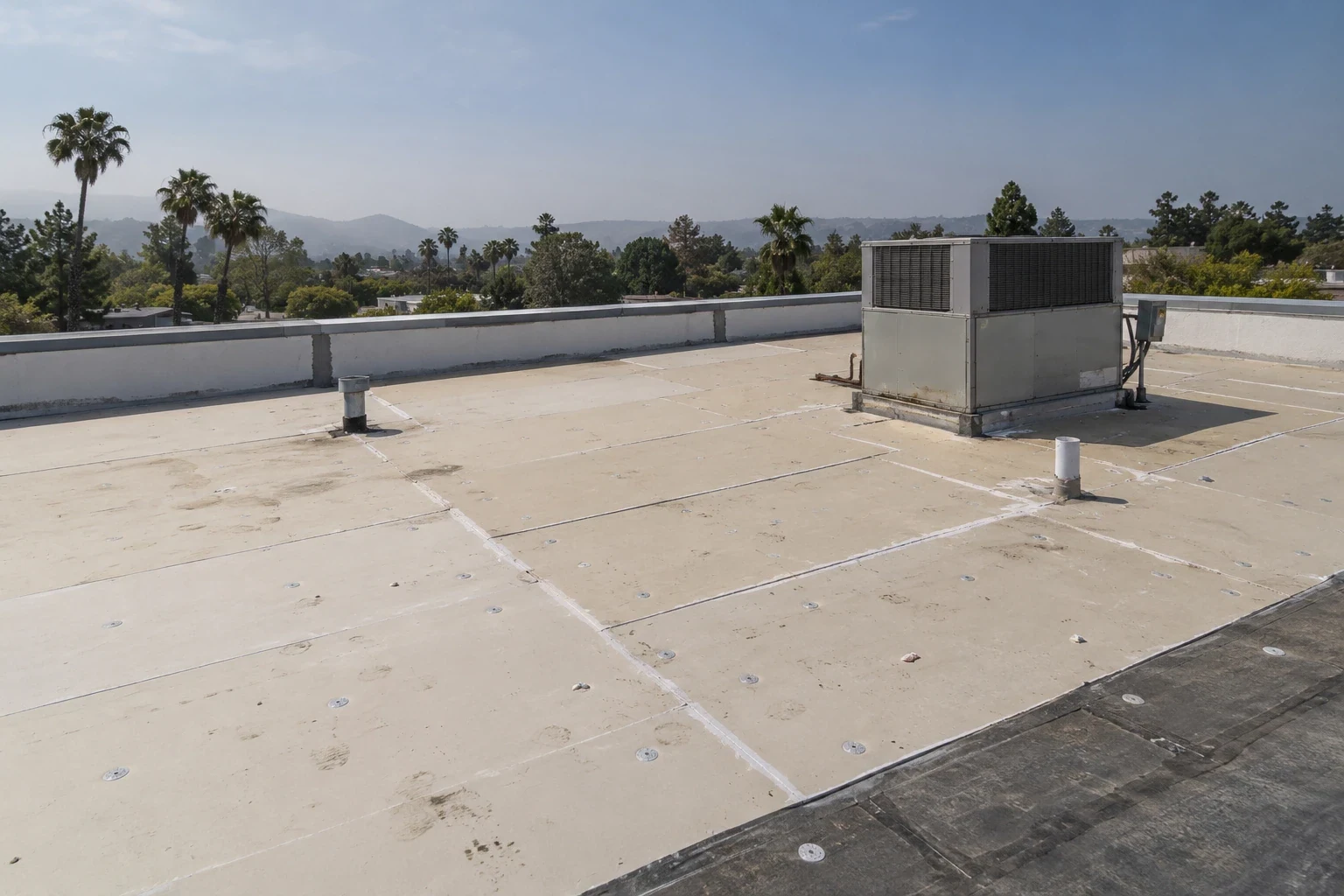
A tear in the membrane proves there is an opening at that spot. Where it is does not always tell you what caused it or when. We photograph the damage with recognizable features around it and record the edges we can reach. The reported date and nearby debris help guide the inspection without settling every question. Older photos need their date and location so their relevance can be checked. You get a useful roof finding even while the adjuster is still reviewing the claim. We describe the repair without making a cause claim we cannot back up.
Roof insurance claim assistance means our records explain what we saw and how we would repair it. We separate what we confirmed, what we were told and what still needs testing. Policy and settlement questions go through the insurer's own process. Our price lists the materials, the prep and the assumptions behind the repair. Any change in quantity points to the finding that made it necessary. That keeps the scope useful to the adjuster without letting a general damage label stand in for the actual repair area.
Water coming through a tear can soak insulation well beyond the damaged membrane. Before keeping any of it, we test with a method that fits the question. Infrared can show where to look, and core cuts confirm which material is wet. The report records where we tested and how far we traced it, with untested areas nearby listed separately. A ceiling stain does not tell you how much insulation above it needs replacing. You can see which quantity is confirmed and what could still change it, instead of approving an assumed hidden-damage area without an explanation.
Replacing insulation and cover board on a restoration job includes tying the new section into the existing roof. A change in height can affect a nearby drain, wall or curb. We check those before ordering parts sized for the old roof. Structural concerns go to an engineer. Any extra damage uncovered is photographed, measured and sent through the agreed approval process. The roof stays temporarily dried-in during that decision. The revised scope ties sound insulation to a compatible permanent roof, so the extra work reads as a real construction need.
The building operator confirms which spaces are occupied and how materials can be moved during tear-off. Interior and equipment specialists handle their own assessments. What we find on the roof can help them locate their work but does not replace it. A damaged unit may need to be moved or reset before the roof flashing can be finished. We list that step with the tear-off phase and the plan to keep the roof sealed. That lets you schedule work that is actually ready, instead of assuming a finished field means every unit and room issue is settled.
General contractors on restoration projects can coordinate those separate trades. A job near Old Town Temecula keeps its own site and access arrangements. Permission to inspect is not always permission to hoist materials or tear off. We report temporary dry-ins separately from permanent work still waiting on sound insulation or equipment work. The status for each location explains what is still holding up completion, which helps the manager coordinate the roof with the rest of the restoration.
The roof closeout shows the repaired tear, the insulation we replaced and where the new work ties into the existing roof. Photos show the prep as well as the finished surface. Equipment and interior work outside our scope is listed separately. Claim submittals and contract questions go through their own review, and our finished roof is not presented as anyone else's approval. If a new leak appears later, we inspect the roof as it is then. The earlier record helps show what changed and what the original repair covered, while new findings get their own inspection.
For property management companies, the restoration file should keep the claim history and our roof findings separate. A later equipment change or a new opening may need a different detail from the one we repaired. We compare it with the dated closeout record before reusing a recommendation. A wider cool roof option stays available where the roof and the product's requirements support it. You get clear spending choices with the full prep shown, keeping the restoration repair, open work by other trades and a possible upgrade as separate decisions.
No. We document the tear and compare it with dated photos and the reported date separately. Timing can guide the inspection, but the roof finding has its own limits. The repair we describe is the same whether or not the cause is settled.
The area we inspected, what roofing stays, the prep needed and the assumptions behind the price. Any insulation or deck repair should point to where it was found. Coverage and settlement questions stay with the insurer, so our proposal is a clear description of the roof work.
We photograph it, measure how it changes tear-off, roof height and flashing, and send it through the agreed approval process. The roof stays temporarily sealed while the decision is made.
No. Equipment and interior work stay with the trades handling them. Our closeout shows the permanent roof work we delivered and lists anything still open elsewhere, so the manager can coordinate without mixing up who finished what.
Send us the property, any dated photos and your roof records. We will go over the damage we find, the open questions and a practical repair plan alongside any upgrade you are considering.
Request a Roof Assessment