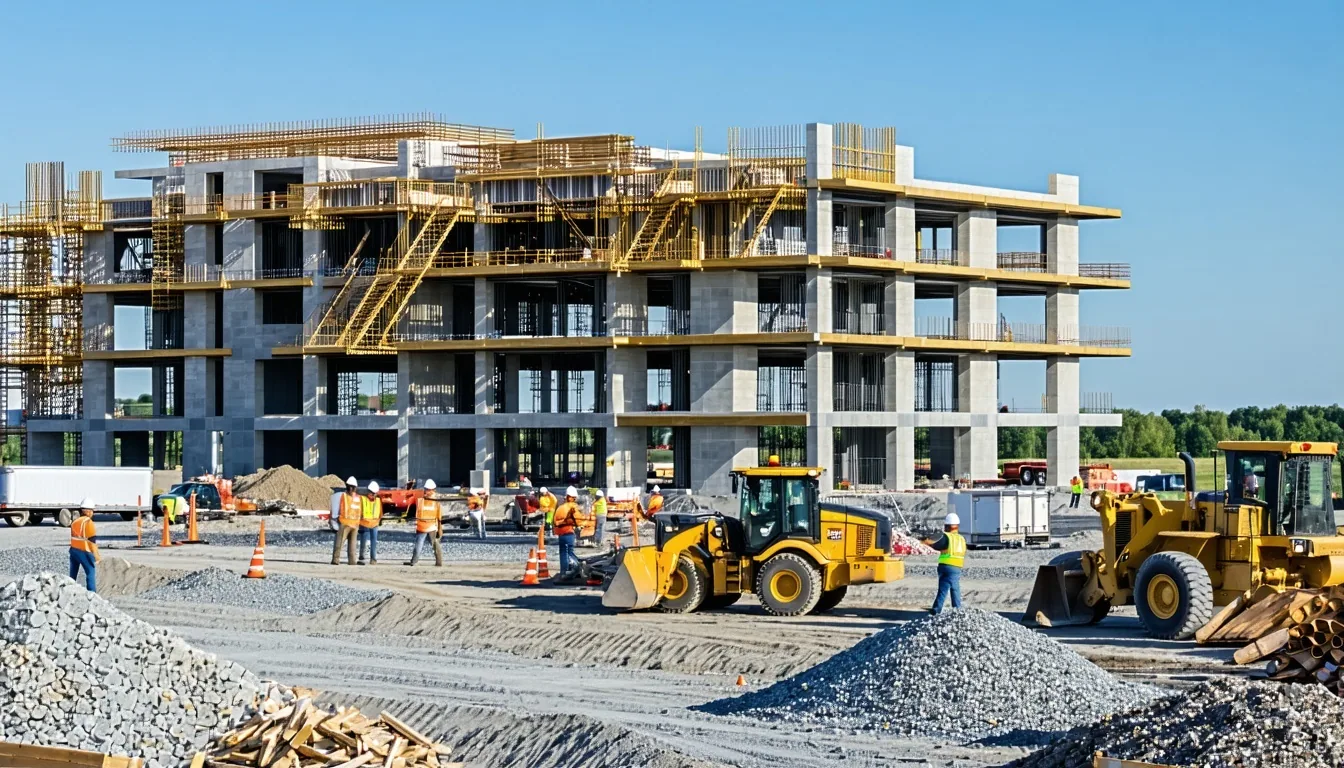
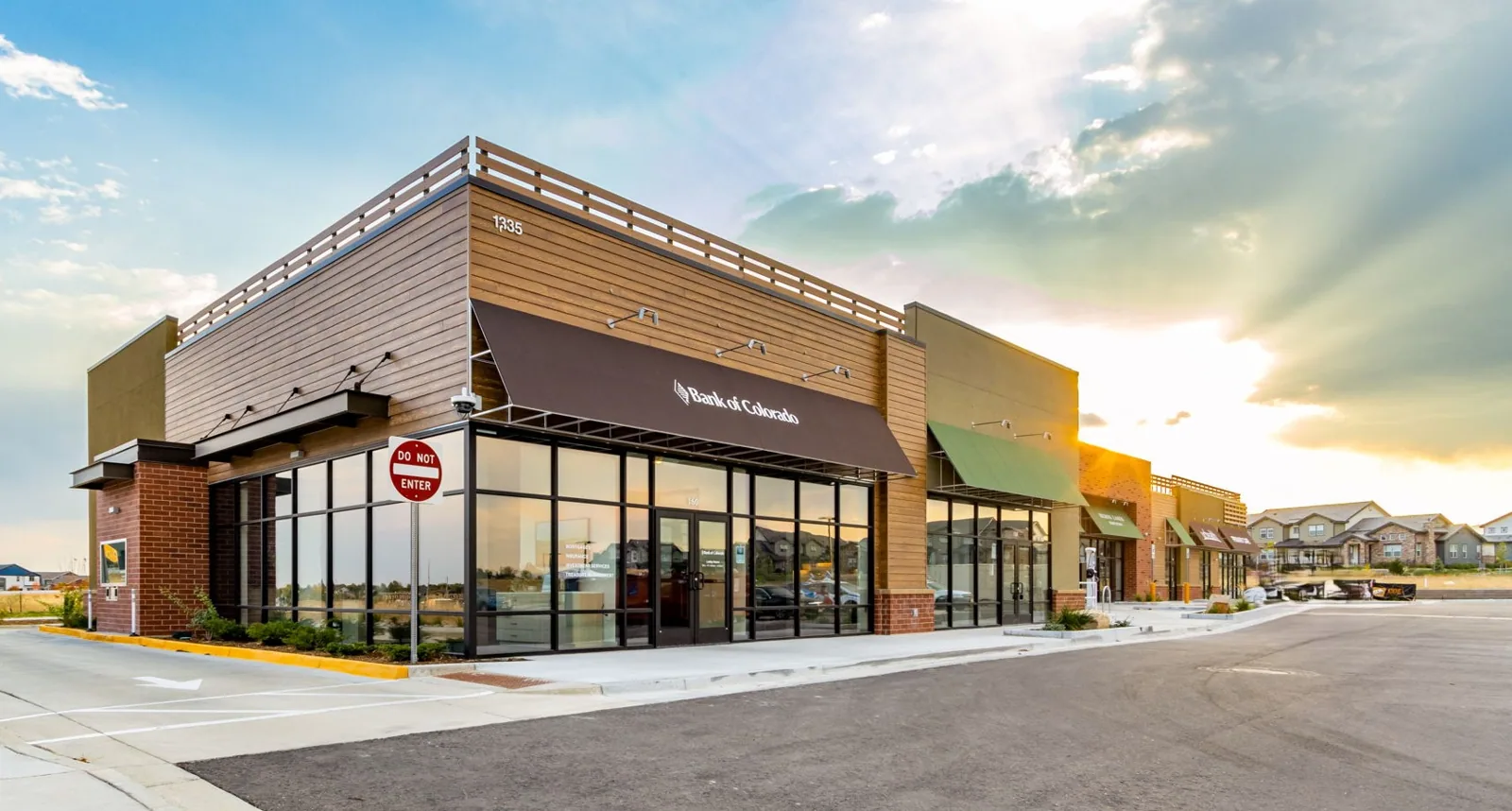
Sun on the roof above a Temecula, CA store or restaurant can shape the upgrade budget, while a failing equipment-curb flashing may be the first permanent roofing job. We inspect the curb and the roof around it before recommending a scope. Winchester Road is one of Temecula's major retail corridors, but operating hours, deliveries and lift access vary by property. For each site, we connect the inspected detail with the sales, storage or service area affected by construction. A corridor does not determine a building's roof assembly or repair quantity. A chain with locations on the Ynez Road Commercial Corridor should compare those roof findings separately; similar store formats do not prove matching assemblies.
A drip near an exhaust or cooling unit might come from the roof, equipment condensate or another service line. We identify the likely source and where another trade has to confirm its part before we price permanent work. The comparison includes the curb repairs, shutting down equipment where needed and protecting the space below. A reflective roof may absorb less sunlight, but the damaged flashing and any wet insulation should be fixed first; otherwise the new finish will not address why the roof is leaking.
A drip inside next to a unit does not prove the curb flashing is the source. We inspect the roofing, the curb and the evidence around the leak, and note where a condensate or service question needs another trade to confirm it. A useful recommendation separates water coming through the roof from a problem with the equipment. That keeps the permanent scope tied to the actual repair, rather than a broad coating around the nearest unit.
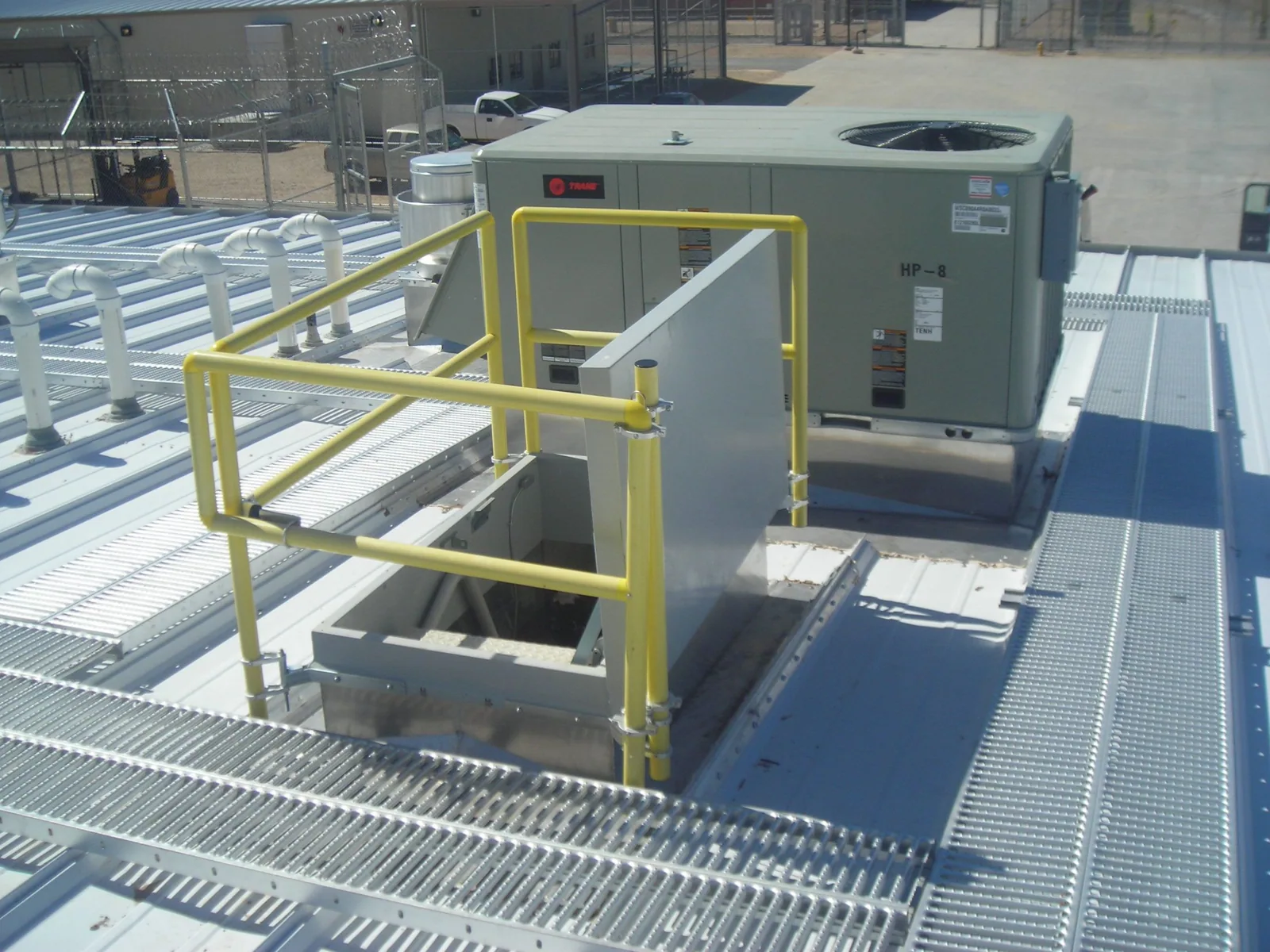
Commercial roof leak repair around retail equipment explains the curb detail and any testing needed before repair quantities are set. We identify the roofing work and who is responsible for adjusting or shutting down the equipment. The operator can then compare a local repair with a larger tear-off as complete sequences. A low roofing price is not much help if another open task still blocks access or leaves the real leak source outside the work. Chain-wide purchasing can still use a common product schedule after each roof has its own condition confirmed. Keep curb arrangements, tenant hours, delivery access and protection needs in the property-level work plan so coordination does not erase local scope differences.
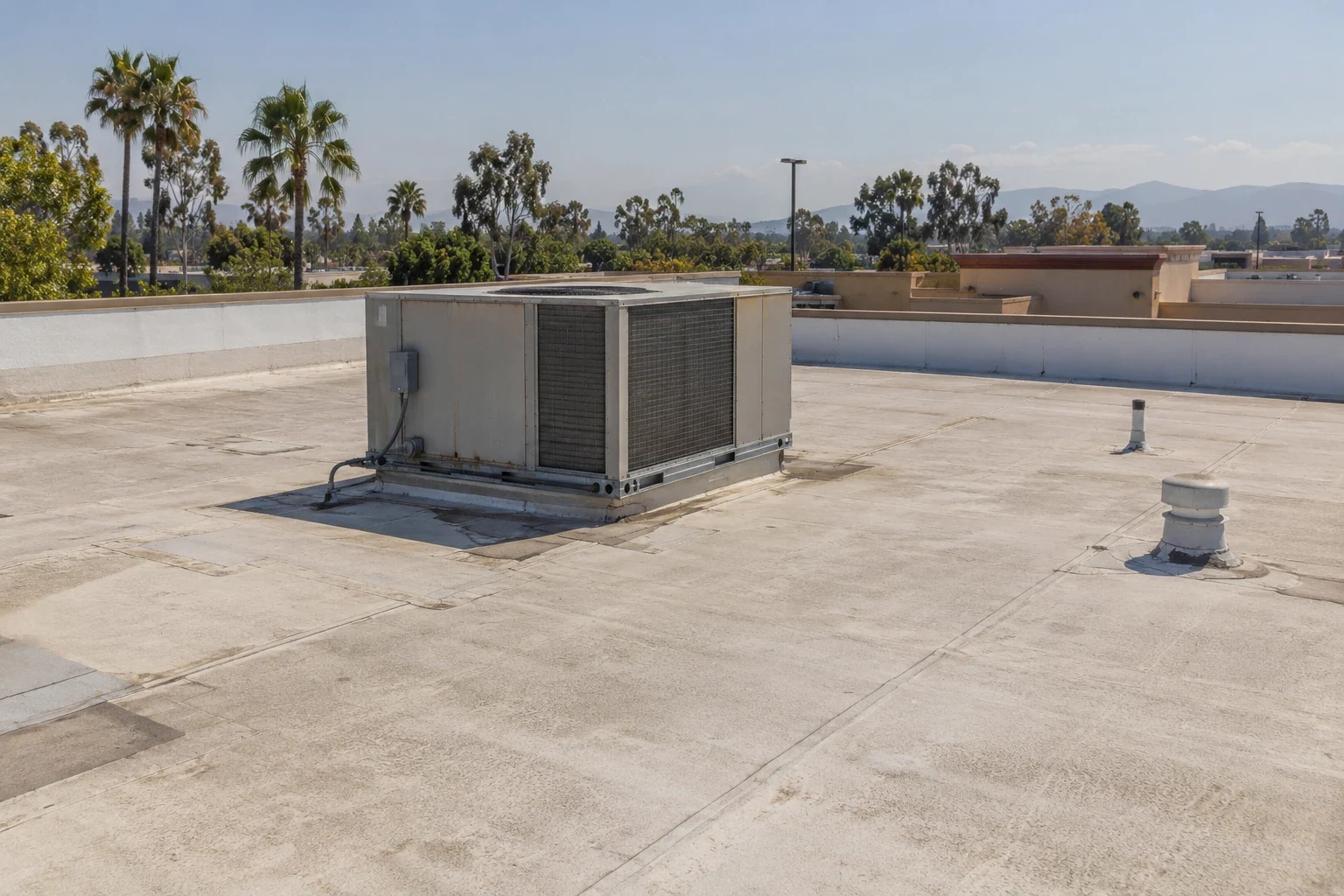
New curb flashing needs sound material underneath and a good fit with the curb and the unit on top of it. We inspect the fastening, the termination and the roof around the curb before recommending a rebuild. Confirmed wet or soft insulation may make the repair larger than the visible detail. If we need to open the roof to check, the reason for the cut, the protection below and how it will be closed need to be agreed before the price is treated as final.
The scope for rooftop equipment curbs and supports separates waterproofing from load-bearing questions that need an engineer. It also names who handles moving and servicing the equipment. We compare the full curb repair with a larger tear-off using the same responsibilities. That lets an operator choose a permanent fix without assuming the visible curb tells you every removal, support or service requirement.
Opening the roof can affect stock, kitchen prep areas or the sales floor below. We go over those conditions with the store or restaurant contact rather than assuming every location uses its space the same way. Debris and handling protection have to match the tear-off and patching, with a temporary dry-in suited to the opening. How the space below is used can change the cost and timing of even a small repair.
Our occupied building reroofing schedule for retail and restaurant sites compares smaller phases with combined work where each makes sense. Several short visits may fit the operating calendar but repeat setup, protection and equipment shutdowns. One longer, agreed phase may avoid that repetition once the prep is defined. We explain those effects next to the permanent roofing scope, so the operator compares full costs instead of judging the disruption by the size of the visible repair.
A roof area near kitchen exhaust or other equipment may need cleaning or other prep before a coating is considered. We inspect the surface and the chosen system's prep requirements, separating grease or dirt that can be cleaned off from membrane that will still be unsuitable afterward. A broad coating price should not assume every patched or contaminated area can take the product. The recommendation names the repair needed to give the coating a sound surface.
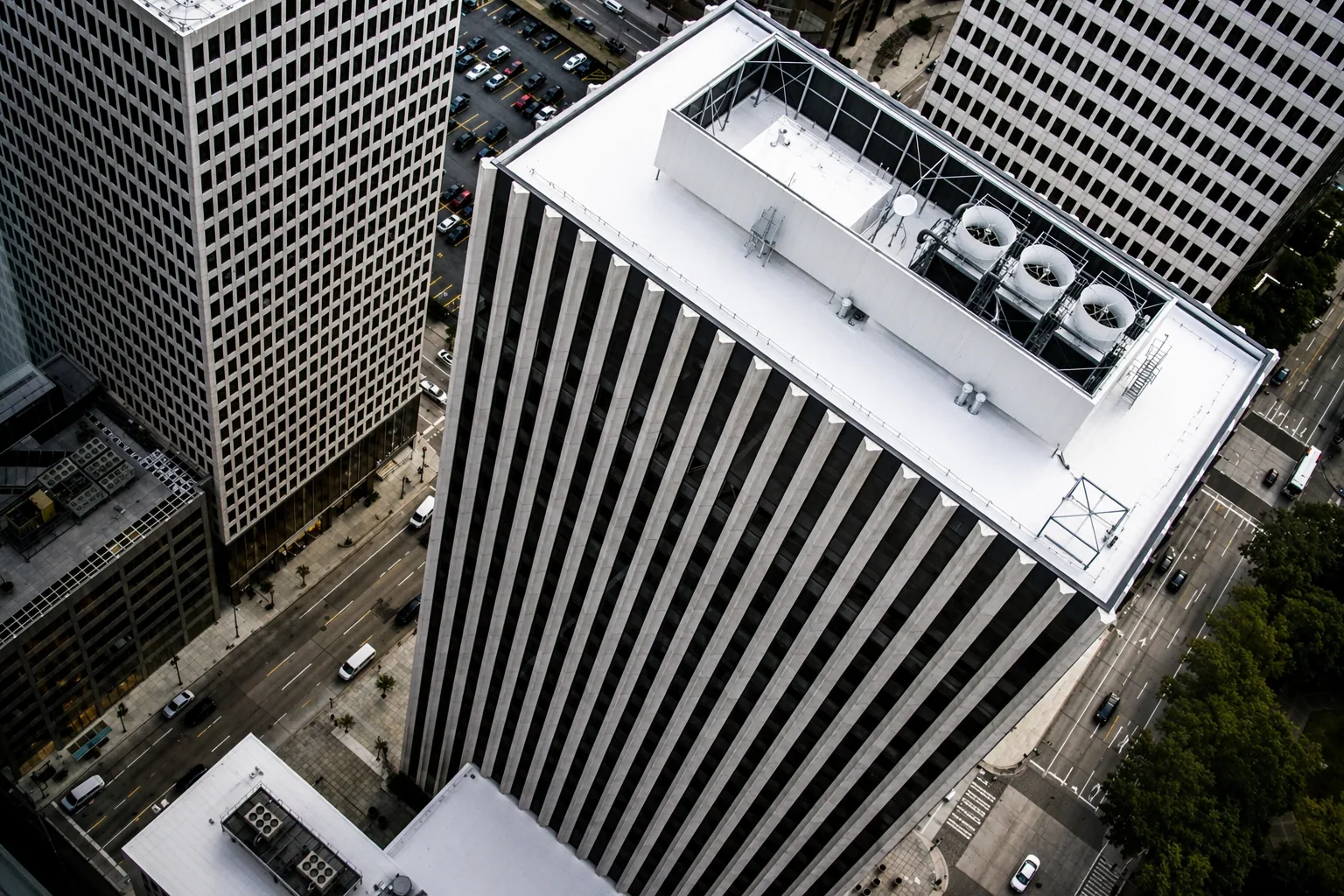
An operator working with general contractors can keep equipment handling, surface prep and patching connected in the scope. Where a reflective finish suits the roof, absorbing less sunlight can feed into the heat comparison, with insulation and how the building runs affecting the result. We put those possible benefits next to the full prep and tear-off costs. That way restoration is judged as a finished roof system rather than a coating bought before anyone knows what the roof needs.
A business working with property management companies needs a clear split of access, service and interior-protection tasks at each location. We set those responsibilities before recommending combined work. Shared operating goals across a chain do not mean every roof has the same layers, equipment layout or suitable repair materials. Each inspected condition belongs in the comparison before purchasing is coordinated.
For a related location along the Winchester Road commercial corridor, we would look at that building's prep work and disruption separately. The spending order puts confirmed leaks and failed-material repairs ahead of an optional finish upgrade. Coordinated purchasing can then be compared with separate phases using actual quantities and repeated setup costs. The operator gets a practical capital plan that respects the differences between buildings while tying permanent roof work to the spaces and services it affects.
No. Condensate or a service problem can look just like a roof leak. We trace the source and identify who is responsible for each repair before finalizing the roof price. That way you compare a defined roofing repair with any equipment work, instead of assuming the nearest curb is the only source.
The shutdown, moving or service adjustment that lets us flash the curb properly and put things back. Those tasks are agreed with the right trades. That stops a missing handling step from making one roofing price look easier or cheaper than the finished work would be.
Only after each roof's system, curb layout and surrounding condition are checked. Use common materials where the findings and the manufacturer's requirements support it. You can still coordinate purchasing while keeping each location's quantities, protection needs and service responsibilities separate.
How the room below is used, and whether the opening can be sealed securely each day, shapes the schedule. Agree on protection, handling and disruption before comparing phases. Smaller phases may limit disruption but repeat setup, and combined work can be judged once the curb repair is defined.
It depends on whether prep can give the coating a sound, clean surface. We check for grease and residue, old repairs and the condition underneath before choosing a coating. The full repair and coating cost can then be compared with tear-off, while any heat benefit stays separate from the curb repairs.
Share your Temecula, CA locations, the leaks you are seeing near equipment and the spaces affected below. We will compare permanent repairs, trade coordination and suitable upgrades with each location's operating needs included.
Request a Roof Assessment