Temecula's summer heat is a fair reason for a hangar owner to look at a reflective roof, but every hangar has its own roof build-up and its own way of operating, and both need to be checked before a cool roof jumps to the top of the list. A reflective surface can reduce the sunlight a roof absorbs and the heat moving into the building; how much depends on the membrane and on the hangar itself. We start by inspecting the roof edge and the deck that supports it. A roof edge that needs rebuilding is a separate repair from a new field surface, and we do not assume a roof type or how the hangar is cooled just because it is a hangar.
Where aircraft are parked and how materials can be moved around them often adds prep time beyond the edge repair itself. Roof drawings and any interior leak reports help us find the problem edge and the likely paths water is taking. We note which roofing can stay, which backing needs to be rebuilt, and when an engineer should weigh in on attachment or loads. The facility team reviews protection and access for aircraft areas before any opening. The final recommendation ties the permanent repair to a realistic work plan, with any cool roof upgrade judged separately on its own merits.
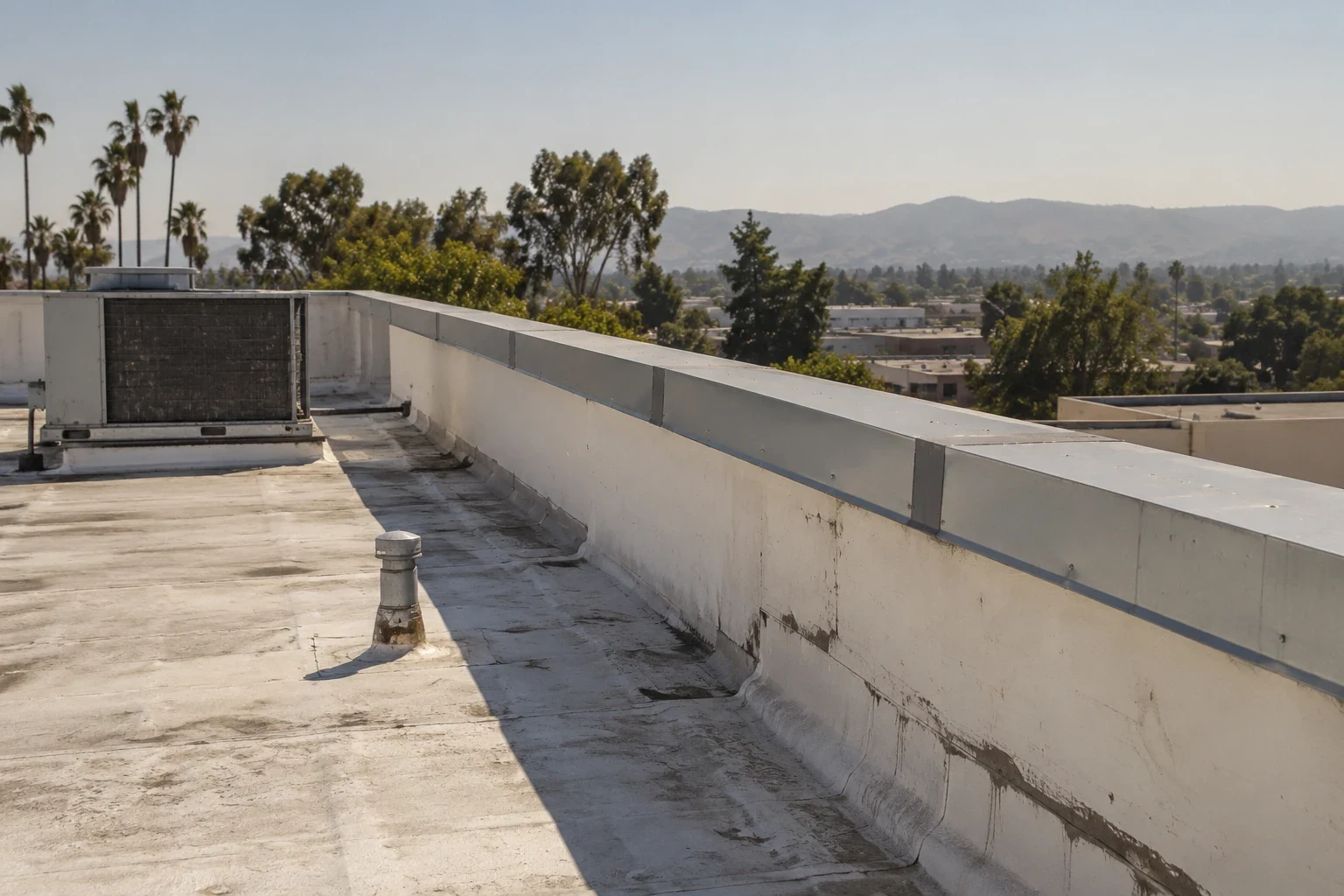
A loose metal edge often hides rotted or weakened wood blocking underneath, and screwing the metal back down will not hold if there is nothing solid to screw into. Edge metal and coping repair on a hangar starts with checking how the edge is attached and the roofing right next to it. An engineer makes the call on loads, structure and connections when a rebuild raises those questions. We explain how much has to come off to reach solid material and what will be installed at the edge. You get a clear repair scope, not an assumption that shiny metal means everything under it is sound.
The roof membrane where it meets the edge also needs a clean, solid surface before the edge can be called finished. Flashing repair at the hangar edge checks the membrane and any other work that has to happen before the edge will stay attached. PVC and TPO need clean, weldable material; metal and other roofs follow their own methods. A new edge cover should never hide a membrane joint that still has bad backing. We mark where the permanent repair ends and what work is still open, so the whole edge gets closed up properly instead of patched in one spot.
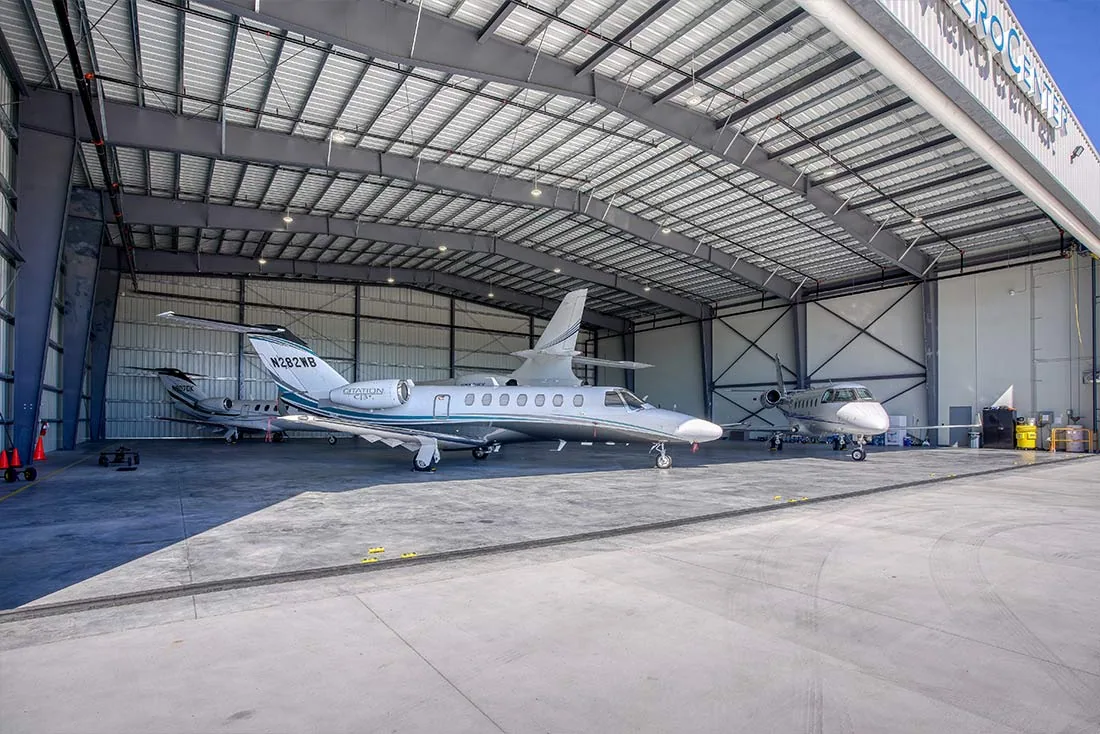
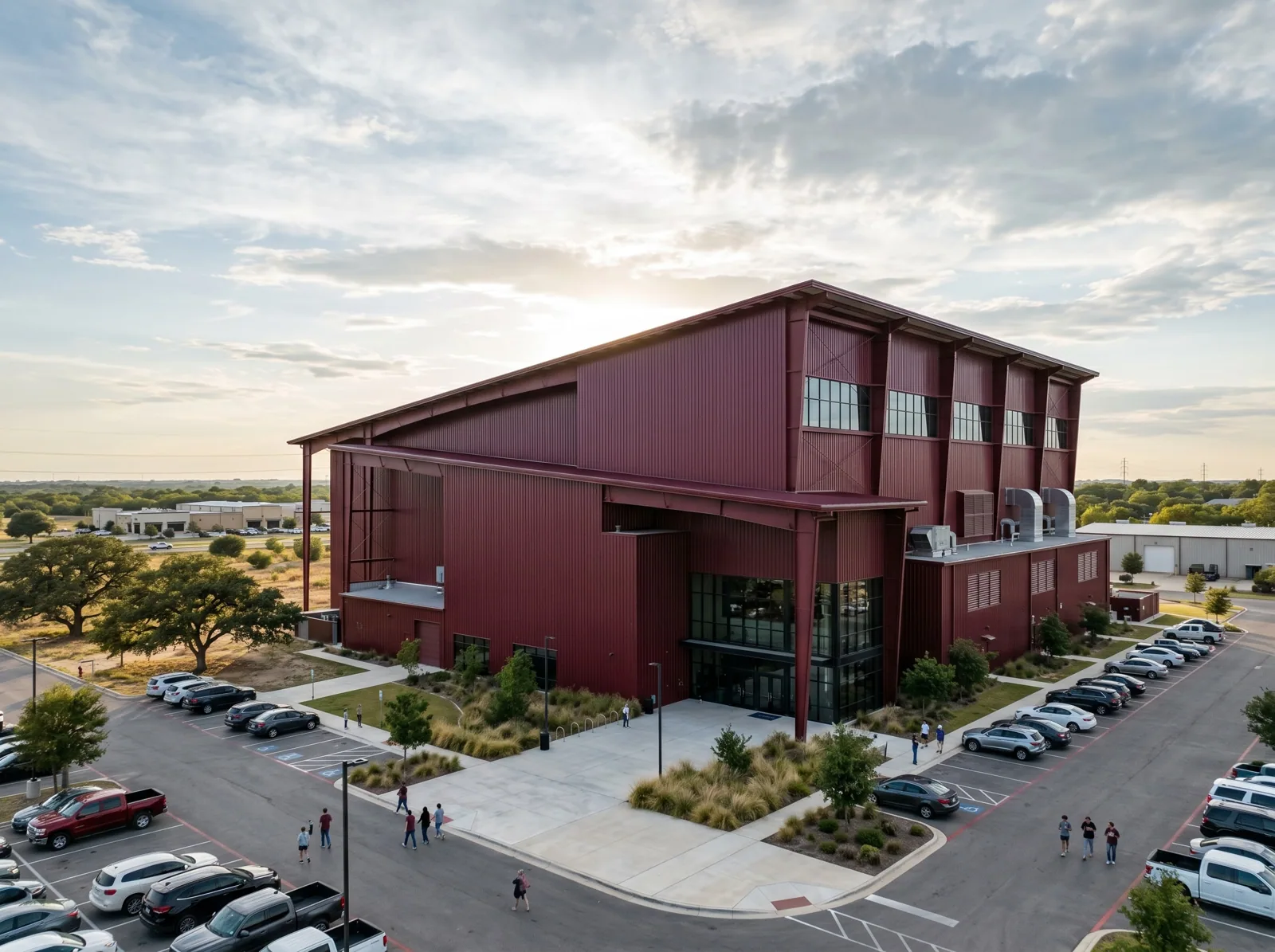
Tearing off roofing at the edge can affect aircraft or equipment well away from where the leak first showed up, so the hangar layout matters for protection and material handling. Roofing over an occupied building starts with a plan showing how much roof will be open, where debris goes and where lifts will set up, and the facility team reviews that plan. They decide access and protection, while aircraft, equipment and electrical decisions stay with the people qualified to make them. We build the roof work around the approved plan, and the bid includes the lifting and prep needed to rebuild the edge, not just the edge materials.
If the backing turns out worse than expected, tear-off may move toward another protected area or require a different route for materials. We explain the added work before opening more roof and use a temporary seal if a design or equipment question needs its own visit. We can respond to urgent hangar roof problems on nights, weekends and holidays, with access set up by the facility contact. If water has reached electrical equipment, a qualified electrician should check it. Our records keep temporary fixes separate from the permanent edge repair still to be done.
Before setting a work window, we confirm aircraft movement, door operation, equipment clearance, lift access and any limits on overhead work with the facility operator. Some roof phases may require the hangar to be empty, while edge work can block access even when the inside stays in use. We agree on who confirms conditions each day and who releases the area after temporary protection comes down. Those access assumptions go into the schedule and the price, and any change is documented before crews proceed; calling a building a hangar does not tell us its operating rules. A hangar near Lakeland Village may have a different roof build-up than one near Canyon Lake, so each is inspected on its own.
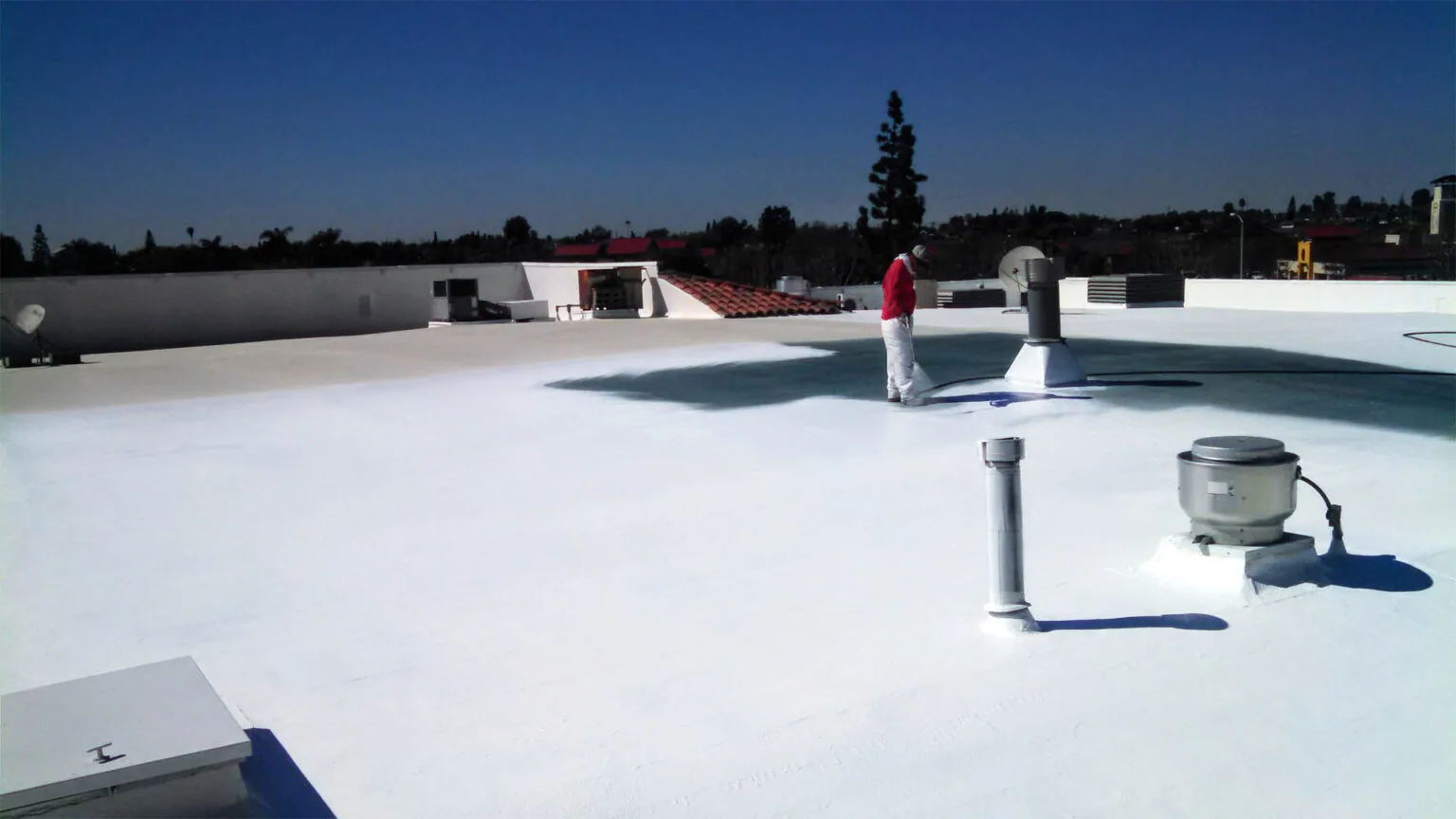
A reflective roof only works if the existing hangar roof can accept it, including proper prep at the edges and other details. A cool roof assessment looks at compatibility and the prep work involved, rather than promising a result based on roof color. An energy specialist can review the building and equipment questions using real information about the hangar. We point out where a thicker system or new material changes clearances or needs design input. A conditioned hangar and an open, unconditioned one will see very different benefits, so the heat goal should be weighed against what the roof can actually support.
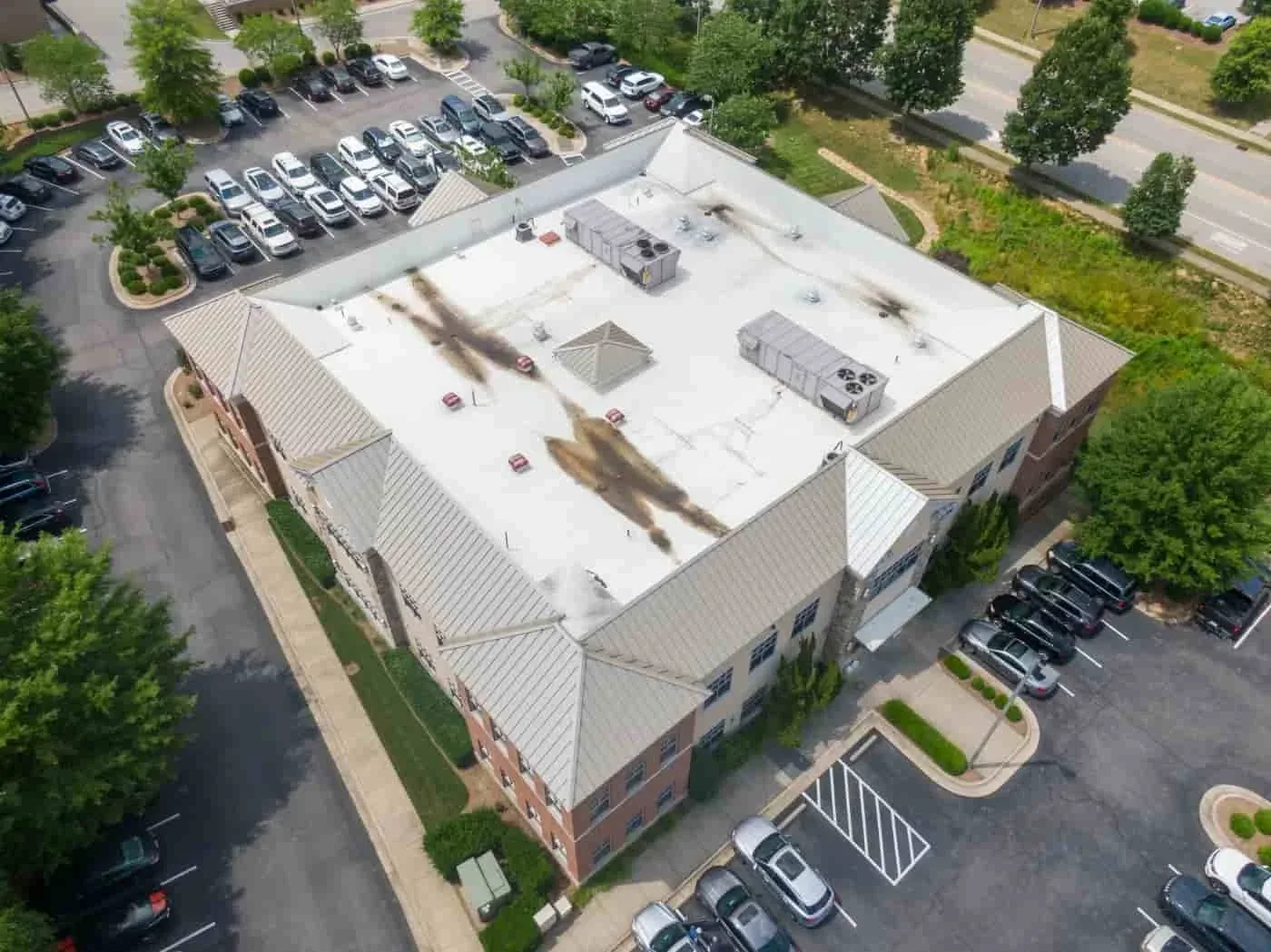
Hidden problems can change how much of the old roof can stay, even if the surface looks uniform away from the edge. Infrared scans have to be read against the roof build-up and conditions on the night of the survey, and core cuts confirm what the scan suggests where it matters. Every test cut gets patched, with aircraft areas protected below. We mark each question on the roof and explain whether it points to a local repair or a larger tear-off. Over ten years, you can then compare complete options, with the urgent edge repair and the optional cool roof each justified on their own.
For a hangar project in the Temecula area, including buildings reached from the Rancho California Road corridor, we start with the building itself, any roof drawings and the facility contact who can approve the work. We inspect the roofing and the deck before choosing an edge repair method or a roof option. The operator and project team set access rules and aircraft protection, and our recommendation is tied to the work area they approve for that hangar.
A warehouse may need different protection for stored goods under a similar roof detail, and a flex industrial building may have different equipment to work around. Warehouse roofing plans around inventory and racking. Flex industrial roofing deals with mixed tenants and rooftop units. When the hangar job is done, photos should show the finished edge and the roofing that stayed in place, with any open engineering or equipment items listed separately. A future cool roof project can start from that record, so later spending builds on work that is finished or on a specific item still open.
Not without checking what is underneath. If the wood blocking is rotted, new fasteners will not hold. We recommend rebuilding the backing where it has failed, with an engineer involved if attachment or load questions come up.
The specific building, where aircraft are parked and the facility's rules for lifts, doors and overhead work. The facility team approves protection under the work area, and aircraft and equipment decisions stay with their own crews.
It can reduce heat gain, but the benefit depends on the roof and on whether the hangar is conditioned. An energy specialist should review the numbers using your actual building.
Core cuts confirm whether insulation is wet where an infrared scan suggests it. If the old roof will be kept, those results decide how much stays. We patch every test cut and protect aircraft areas below.
Photos of the finished edge and the roofing next to it, along with a list of any temporary fixes and open items for other trades. Future roof work can then start from what was actually completed.
Tell us about the heat concerns, the problem roof edges and how aircraft move through the hangar. We will inspect the roof and compare the permanent edge repair with the roof options that make sense for your building.
Request a Roof Assessment