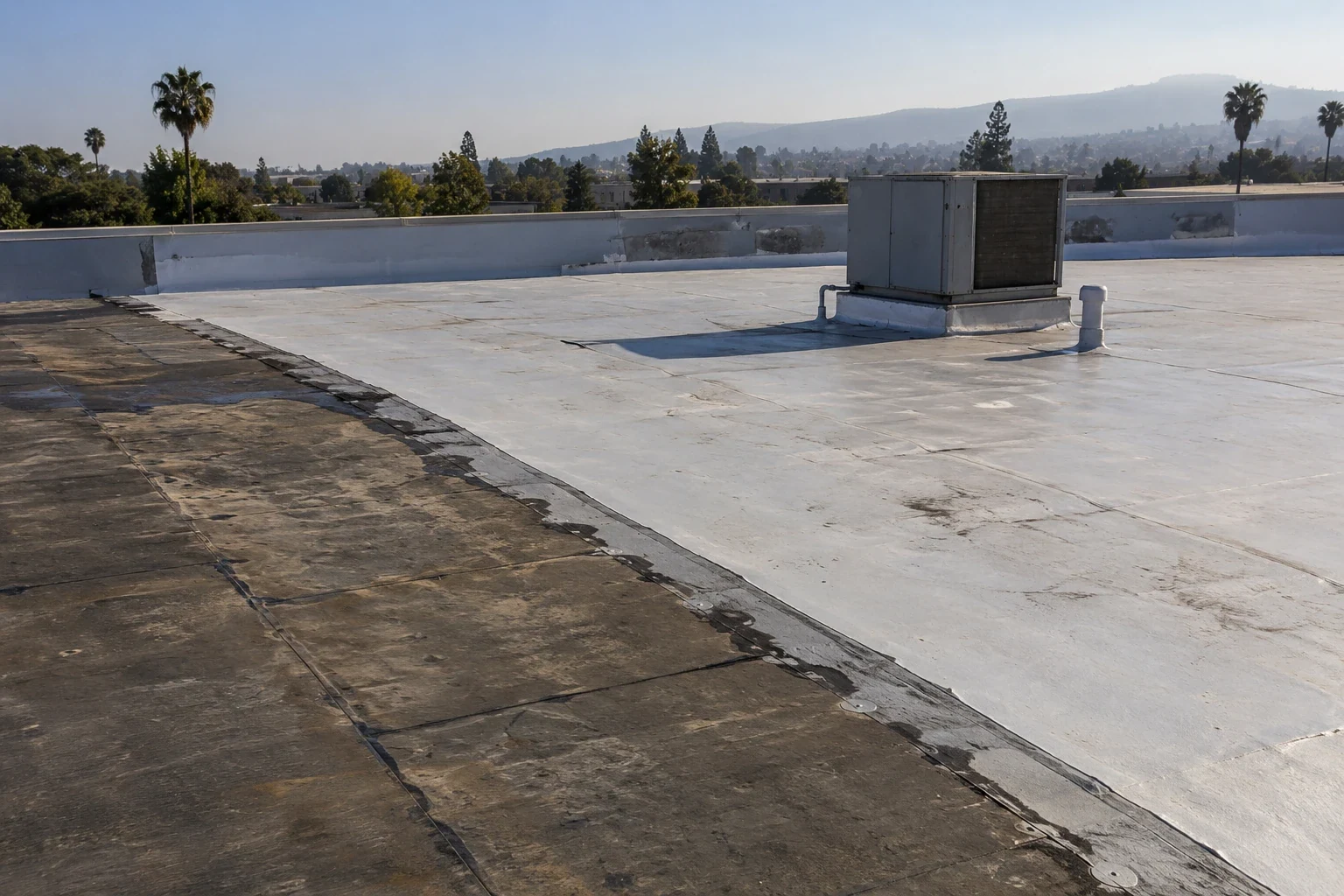
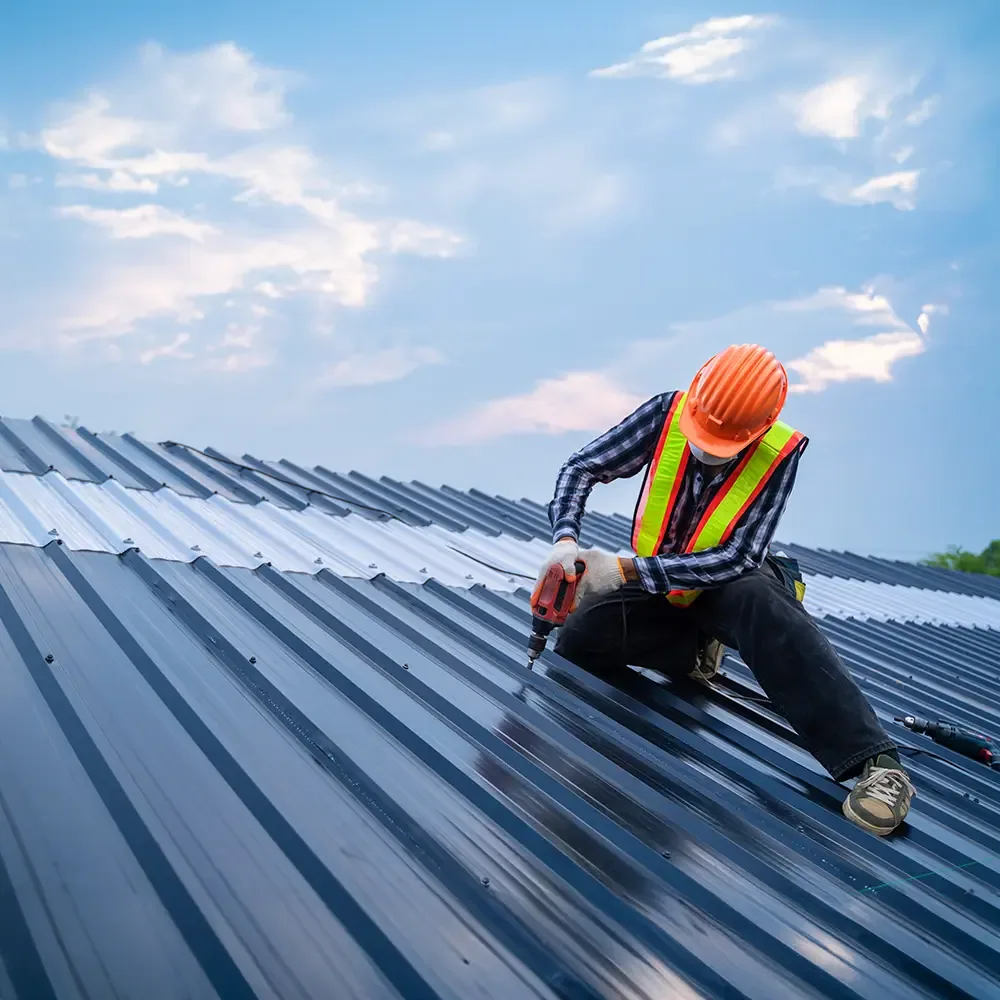
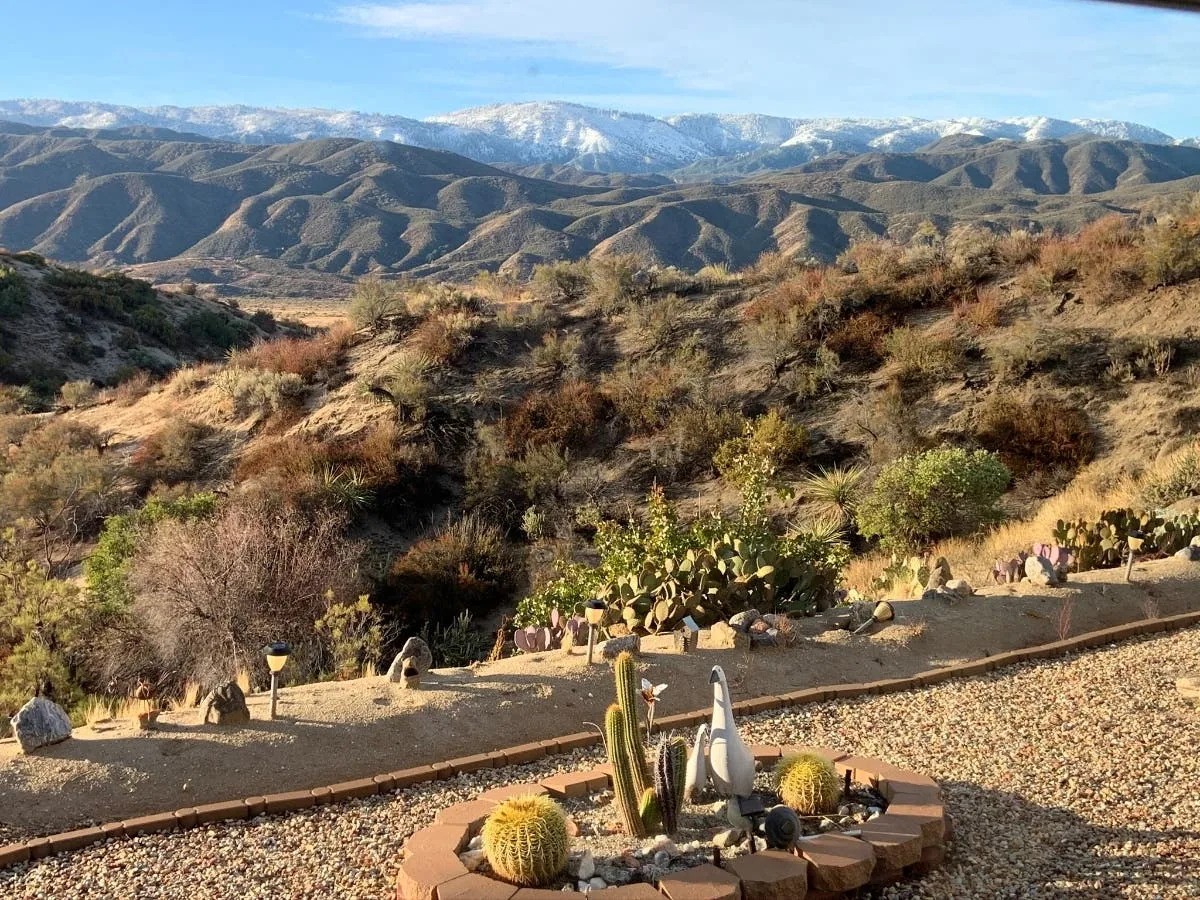
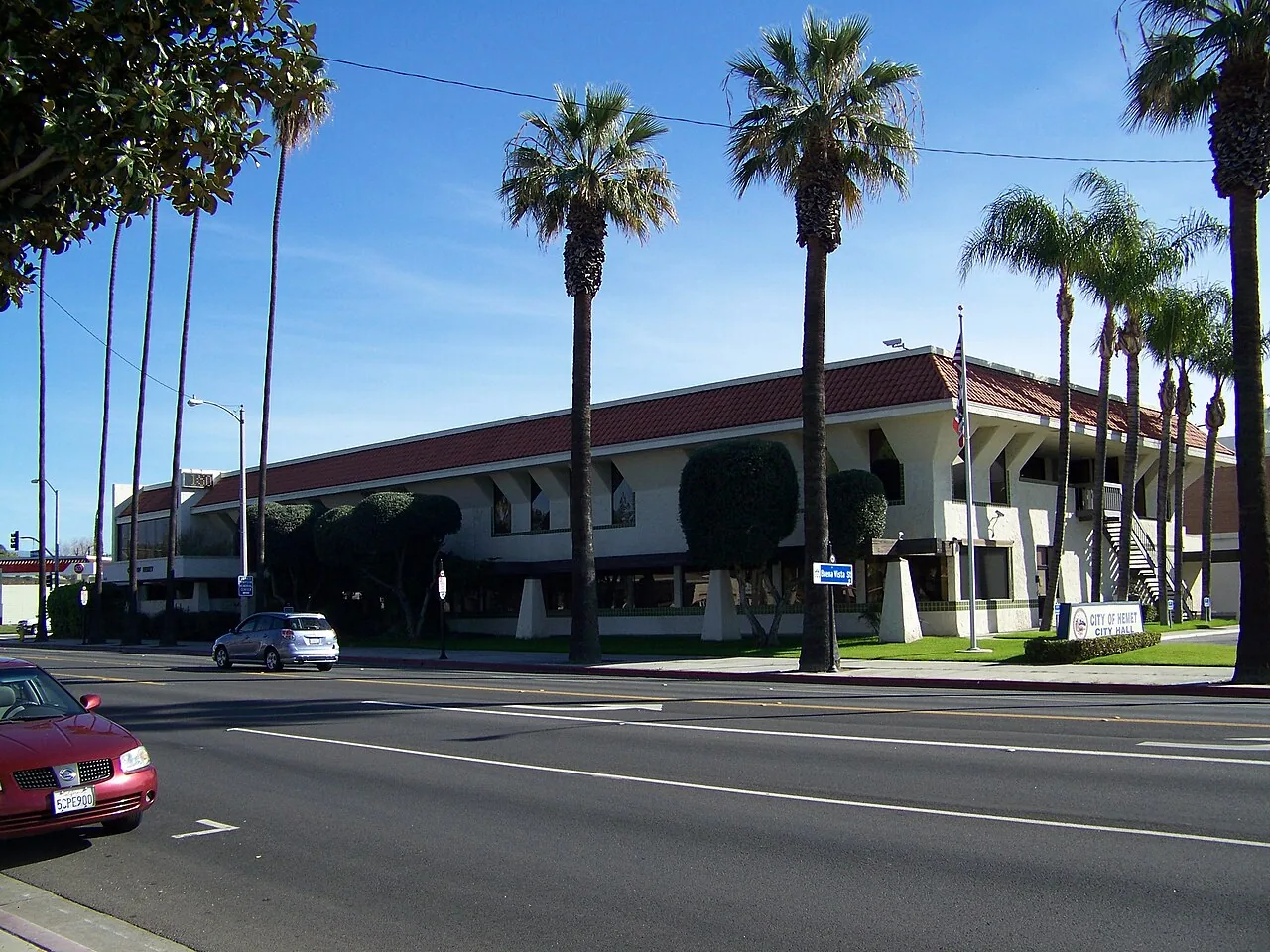
Plans for solar panels, new rooftop equipment or a reflective roof can change how an Anza building is used and maintained for years. Before any of that goes on, the existing roof should be checked for leaks, wet insulation, loose attachment and worn flashings, especially in the areas that new equipment would cover. Commercial roof inspection, repair, restoration and replacement all start with those conditions, so we know which layers can stay and what has to be fixed first.
A roof can look serviceable and still need work in exactly the spots a new installation would bury. We find leaks, wet areas and weak details before the owner commits to a plan. The comparison includes roof preparation, coordination with the equipment designer and access for maintenance afterward. A reflective roof and new equipment can both affect the investment, but neither one tells you what condition the old roof is in or replaces the repairs needed underneath.
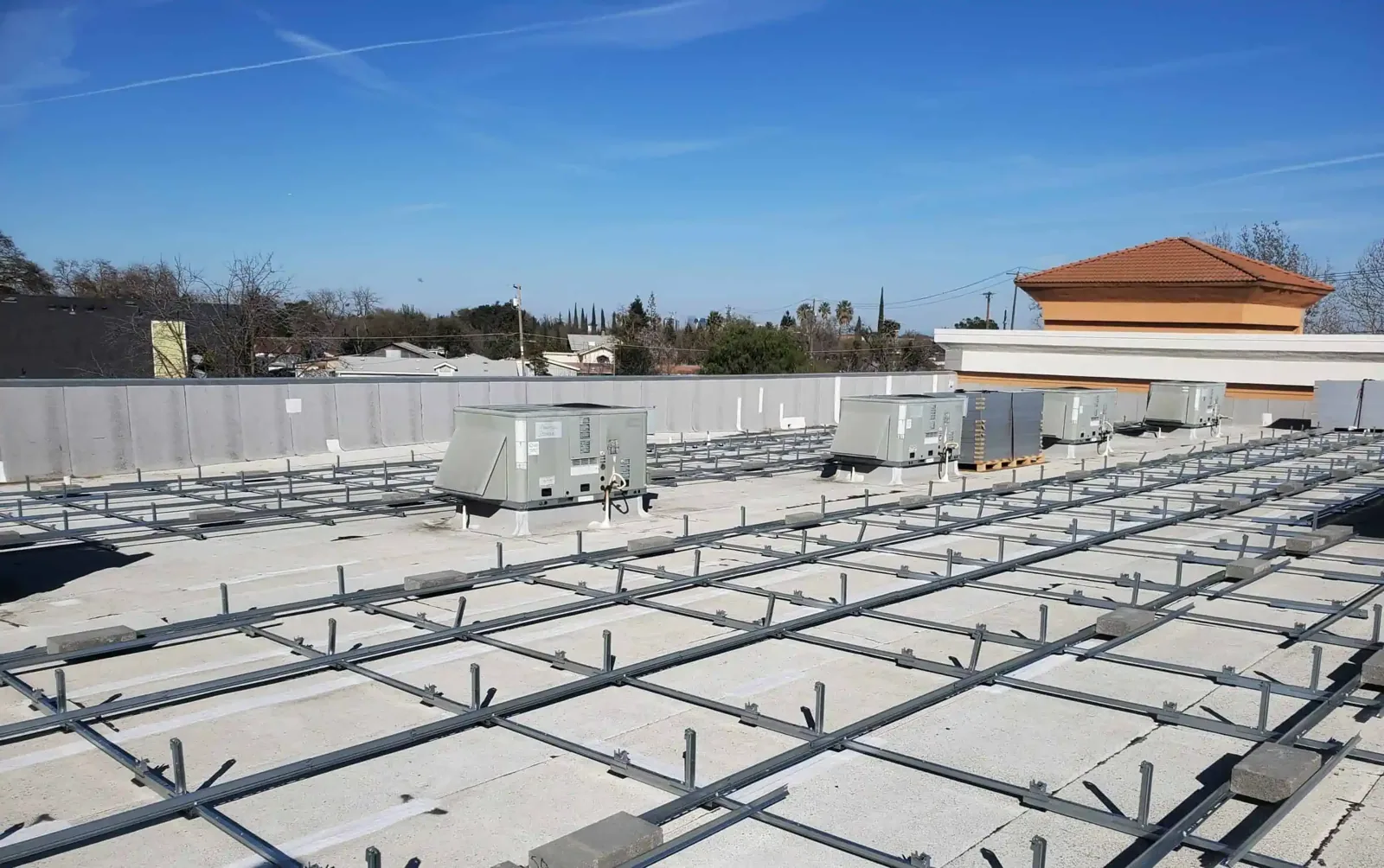
Once solar or equipment is installed, parts of the roof become hard to reach, and later repairs get slower and more expensive. We inspect the roof and identify the repairs that should be done before anything is placed. The equipment layout matters, including which areas it would cover and which flashings it could disturb. A structural engineer or the equipment designer should confirm loads and supports; the roof surface alone does not prove it is ready.
Our solar-ready roofing work ties the roof scope to the solar or equipment plan. We define the waterproofing work required and what the other contractors are responsible for before recommending that the existing roof stay. You can compare fixing the roof now with the cost of removing and resetting panels later. An equipment layout should also show service clearances and the areas that will be covered. That lets us plan a maintainable path around the supports, with responsibility for any later disturbance made clear before you sign on.
Layers that look fine on top can have wet insulation or poor attachment underneath. We look at the visible evidence and use moisture scans or core samples where they would settle whether the roof can stay. Because new equipment makes later access harder, those questions should be answered before installation. Our recommendation explains what we need to check and how test openings will be sealed afterward.
Comparing a roof recover with tear-off includes the new system's attachment requirements and any design input needed. We price wet or damaged insulation replacement alongside the full tear-off option. Keeping the old roof makes sense when its condition is known and suits the new system. That way you decide using real preparation costs, instead of adding a layer over material that may need to be torn out after the equipment is already sitting on it.
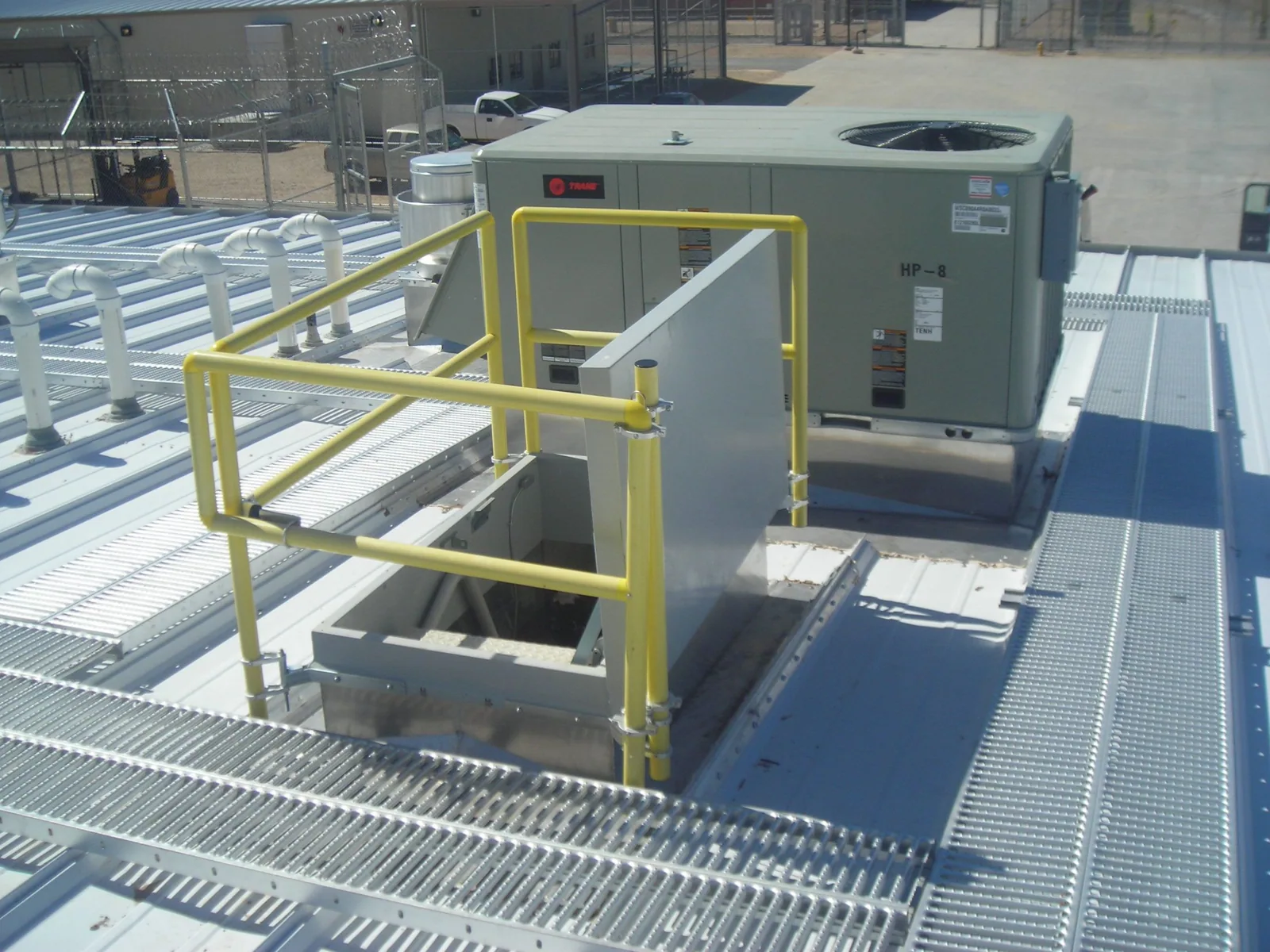
Equipment supports and penetrations have to be built into the roof properly, with room for service and flashings that keep water out. We look at the proposed locations and the roof underneath before designing those details. Whether a support can carry the load is a different question from whether its flashing will leak, and each needs the right person to answer it. The proposal should show both so a new roof surface does not hide an open question about loads or flashing.
Our rooftop equipment curbs and supports work covers preparation and permanent flashing around the chosen layout. An engineer should confirm support requirements, while the equipment contractor handles lifting and hookups. We compare that complete scope with other workable sequences. That gives you a budget that includes the roof connections new equipment creates, rather than leaving them out of the roofing price.
Reroofing above occupied parts of an Anza property means agreeing on how much roof is opened at once, how the interior is protected and how the roof is sealed at the end of each day. The owner or manager tells us which rooms and times are available. We schedule tear-off, any investigation and the equipment installation so each step has a clear start, finish and owner for any later damage.
Our occupied building reroofing plan compares doing the work in one push with smaller phases. Phasing can clarify quantities or fit around operations, but it adds setup and temporary protection. Doing the roof in one go may avoid that repetition once the prep work is understood. We lay those costs out next to the equipment schedule so you can pick timing with the permanent roof and future access in mind.
A related building in Aguanga may have different equipment plans and roof conditions. We inspect it separately before suggesting shared materials or combined purchasing. Interest in solar on both buildings does not mean the same loads, supports or repair quantities. Shared purchasing makes sense once each building's roof system and schedule are defined.
For a roof in Hemet, a reflective finish can be weighed as a separate heat-related option. Absorbing less sun may help, with insulation and cooling equipment affecting how much. We bring that up after leaks and the condition of the existing roof are sorted out. You can then compare complete roof options and future equipment plans without counting on a specific energy saving or putting off repairs to a later, harder-to-reach phase.
Anza's elevation and winter snow make safe access a first-order part of roof service. Confirm whether the roof can be reached safely in the planned weather window, and check that ladders, walk pads and temporary protection are suited to the surface. Snow or melt may expose drainage weaknesses, but the actual failure must be verified at the building itself. Photograph the affected section after safe access is established, then note whether the issue is a blocked outlet, a seam, an edge detail or an interior source unrelated to the roof.
Yes. The roof condition and the solar layout should be planned together. Leaks, wet insulation and access questions need answers before panels are placed, because fixing the roof later means removing and resetting equipment. Loads and supports should be confirmed by the designer or engineer before installation.
Maybe. We check the existing materials, moisture and attachment first, using targeted test cuts where they would change the decision. A recover should be compared with tear-off on full preparation costs, including how the new equipment will affect access to the roof later.
An engineer and the equipment contractor handle the support design and setting the equipment. We handle the roof preparation and the flashings around the supports. Defining both together keeps a watertight roof from being mistaken for a solved structural question.
It should show how the roof is sealed at each stage, when the equipment crew takes over and who is responsible if finished roofing gets damaged. Interior protection and access should be agreed before deciding whether to phase the work.
No. A reflective surface reduces the heat the roof absorbs, while solar panels generate power and need their own design and structural review. Each needs the right roof preparation, and neither tells you whether the existing roof is sound or guarantees a set energy result.
Send us the Anza property address, any roof information you have and details of planned rooftop equipment or solar. We will assess the roof work needed and compare roofing options with the equipment schedule before you commit.
Request a Roof Assessment