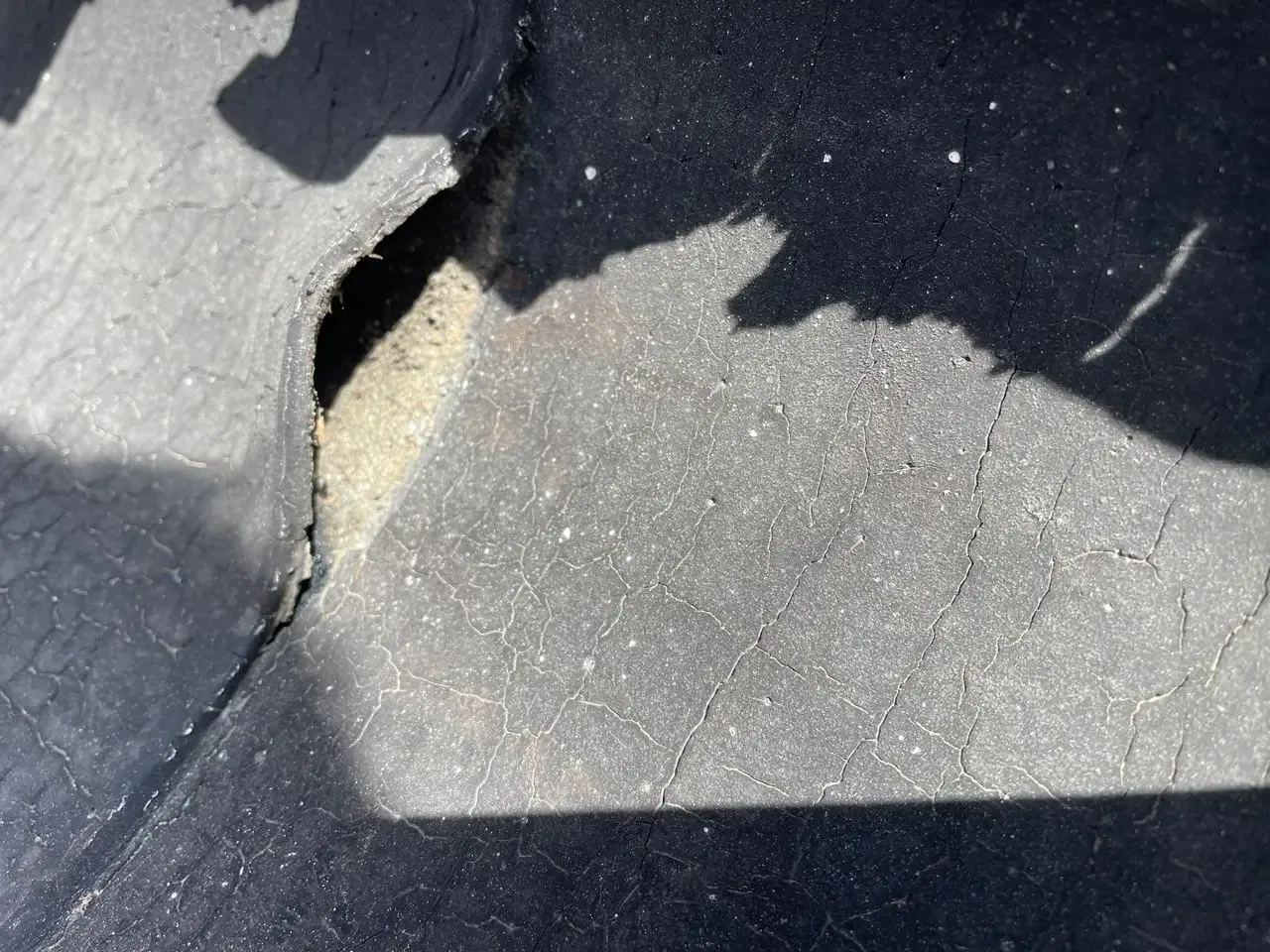
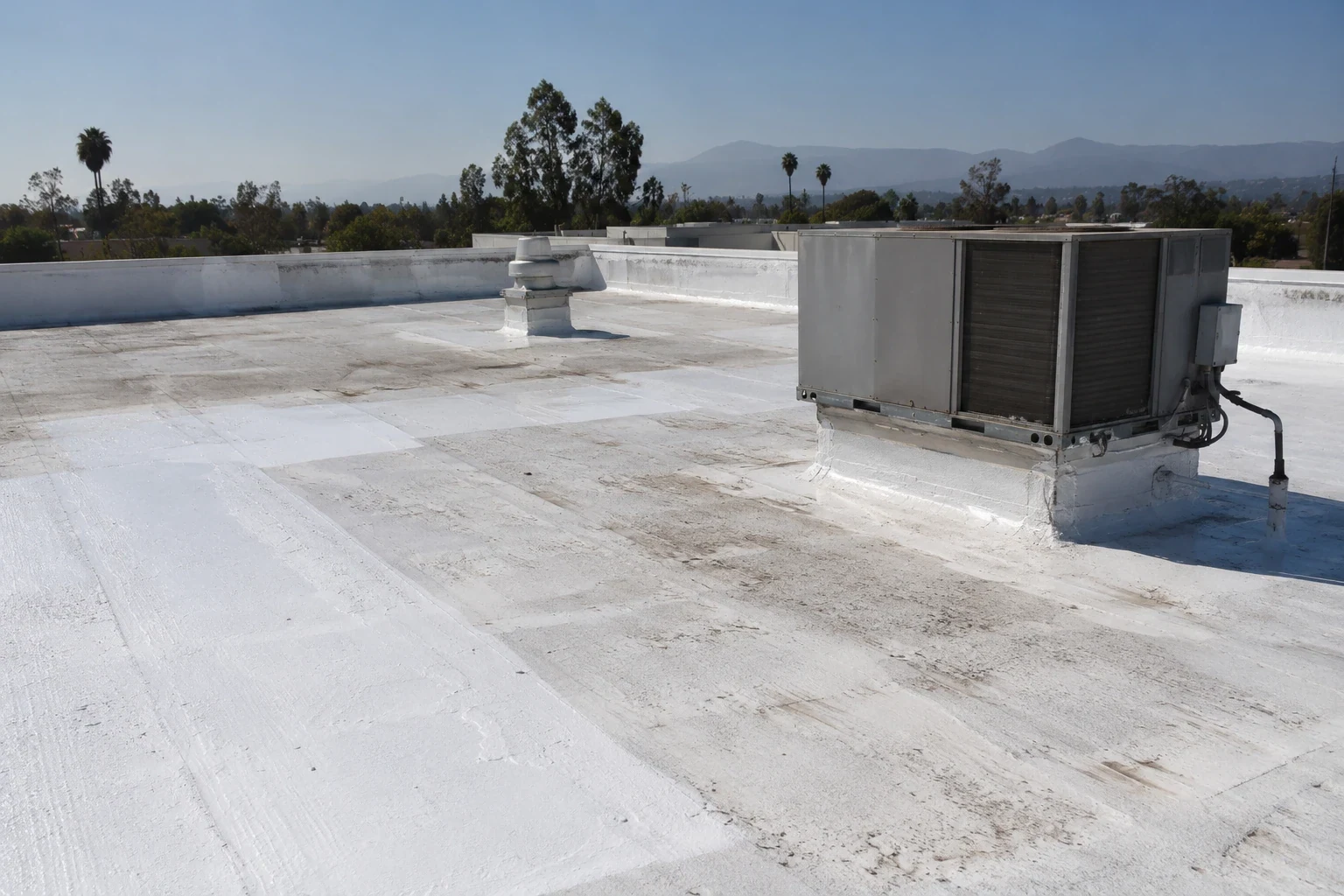
An open seam on a sun-baked Romoland commercial roof should be fixed before anyone talks about coating the whole roof. We provide commercial roof inspection, repair, restoration and replacement from our base in Temecula, CA, and we examine the seam and the membrane around it before recommending a permanent repair. For a Romoland commercial property, the practical question is whether the seam can be repaired locally or whether damaged membrane around it means a bigger opening. We identify how the seam was made and the condition of the material, then include preparation and secure close-up in the scope.
Daily heating and cooling moves roofing materials, but movement alone does not explain why a particular seam opened. We look at the roof system, the seam method and the material condition to find the right fix. The cost comparison includes preparation and close-up, not just the length of the split. A reflective coating can reduce heat gain later, but first you need a clear price for the repair that actually stops the leak.
Different roof systems use different seam methods: heat welding for TPO and PVC, tape or adhesive for EPDM, and asphalt-based laps for modified bitumen. We identify the roof and inspect the open seam before choosing repair materials. A gap may be a single bad weld, weak membrane next to it or a sign of another problem. The permanent repair follows what we find, with the repair area set by where the membrane is sound, not by a convenient strip width.
Our seam failure repair separates the original opening from the work needed to restore a good seam. We check whether the surrounding layers can stay and explain any testing needed before setting a quantity. That gives you a complete repair option, including preparation and close-up. A narrow surface price should not be taken as final if the material under the visible seam has not been checked.
Water that gets in at a seam can spread into insulation beyond the opening. We check what we can see and use moisture testing to find how far it goes. Wet or damaged layers may need to be replaced before a permanent seam repair is installed. A dry surface elsewhere tells you nothing about the insulation right next to the leak, so the proposal should say what is still uncertain and how it will be checked.
A defined commercial roof repair scope includes a proper tie-in to sound material. We compare a local repair with wider removal based on what we confirm and any testing needed. That lets you judge keeping the existing roof on full construction costs. The seam length helps locate the problem, but the condition of the layers sets the quantity in the budget.
A test opening next to a seam can expose the building briefly even when most of the roof stays intact. For a building near Antelope Road, for example, we would confirm the affected interior, the access route and the work hours with the building's manager. Material handling, debris control and water protection need to match the testing and repair. Even a small repair area can need real setup once those items are included.
Our occupied building reroofing planning compares a separate testing visit with doing the permanent repair in the same visit, where each makes sense. Testing first can clarify quantities before you commit, but it repeats setup and protection. A combined visit avoids that once we know the condition of the material. We show those costs and timing next to the repair scope, so the building's schedule guides the choice without cutting preparation or close-up.
A roof that looks sound overall does not mean every seam is ready for a coating. We inspect the seams and the coating's requirements before recommending restoration. Seam repairs come before coating, with preparation defined for the roof system. You should be able to tell a permanent seam repair from a coating that would simply paint over the same open seam.
For roof coating restoration after seam repairs, we compare the full repair-and-coat job with tear-off. A reflective coating can reduce heat gain, while insulation and building use affect how much it helps inside. Those benefits do not replace a sound seam. We show the construction costs first so you can judge the coating once the work that actually stops the leak is defined.
Another roof in Menifee may have an open seam on a different roof system. We identify its system and preparation separately before recommending common repair materials or combined purchasing. Similar leaks do not prove the same fix will work. Combining the work makes sense once each building's repairs, removal quantities and access needs are defined.
For a building in Perris, the budget can keep immediate leak repairs separate from a later restoration. We show how combining the work affects setup and protection and whether it would disturb earlier repairs. That lets you pick a practical spending order with the real roof condition in view. The recommendation follows the seams and layers we inspected, not assumptions about roof age or the buildings nearby.
Romoland's transition into the wider Menifee area can leave property records using different community names. Confirm the current parcel and site contact in the owner's records before dispatch, then identify the specific building and roof access point. For low-slope commercial spaces, check drainage and edge details after dry periods so leaves or dust do not hide a developing issue. Keep the service scope tied to the approved building and record any separate outbuilding as excluded unless the owner asks for it to be inspected.
That small identification step matters when mailing addresses and local place names do not match the building owner's current service file.
No. The roof system and the condition of the membrane decide the repair. A heat-welded TPO repair, an EPDM tape repair and a modified bitumen lap repair are all different. The scope should explain the method and the preparation needed for your roof.
It shows where the problem is, but the surrounding layers decide how big the repair needs to be. We check for wet insulation and weak membrane before setting the removal area, and the proposal ties the quantity to what we find.
A separate testing visit helps when it answers a big quantity question before you commit. It does add setup and protection costs. Once the roof condition is known, one combined visit usually avoids repeat disruption.
Not reliably. The seam needs a proper repair before a coating is considered. After that, restoration can be compared with tear-off on full costs, with heat reduction as a bonus rather than a reason to leave a bad seam in place.
Yes, once each roof's system, condition and quantities are known. We keep each building's findings and protection needs separate, so similar-looking seam problems are not assumed to need identical materials or repair areas.
Send us the Romoland building address, where the seam has opened and any roof information you have. We will check the surrounding material and compare a defined seam repair with restoration or replacement options.
Request a Roof Assessment