Commercial roofing along Temecula Parkway starts with the actual seams and drainage. A reflective roof can reduce absorbed sunlight, but it cannot fix an open seam or the water running underneath it. We inspect the seam, the layers around it and any needed repair first, then compare broader surface work with the complete fix it would require.
Temecula Parkway is a busy commercial corridor with retail, grocery, hospitality and medical properties. Access and delivery windows differ by site, so our team coordinates with each property's manager. Temecula Valley Wine Country and Temecula citywide projects are handled separately. For each Parkway roof, its condition, access and how long a section can be left open decide whether repair, restoration or replacement makes sense.
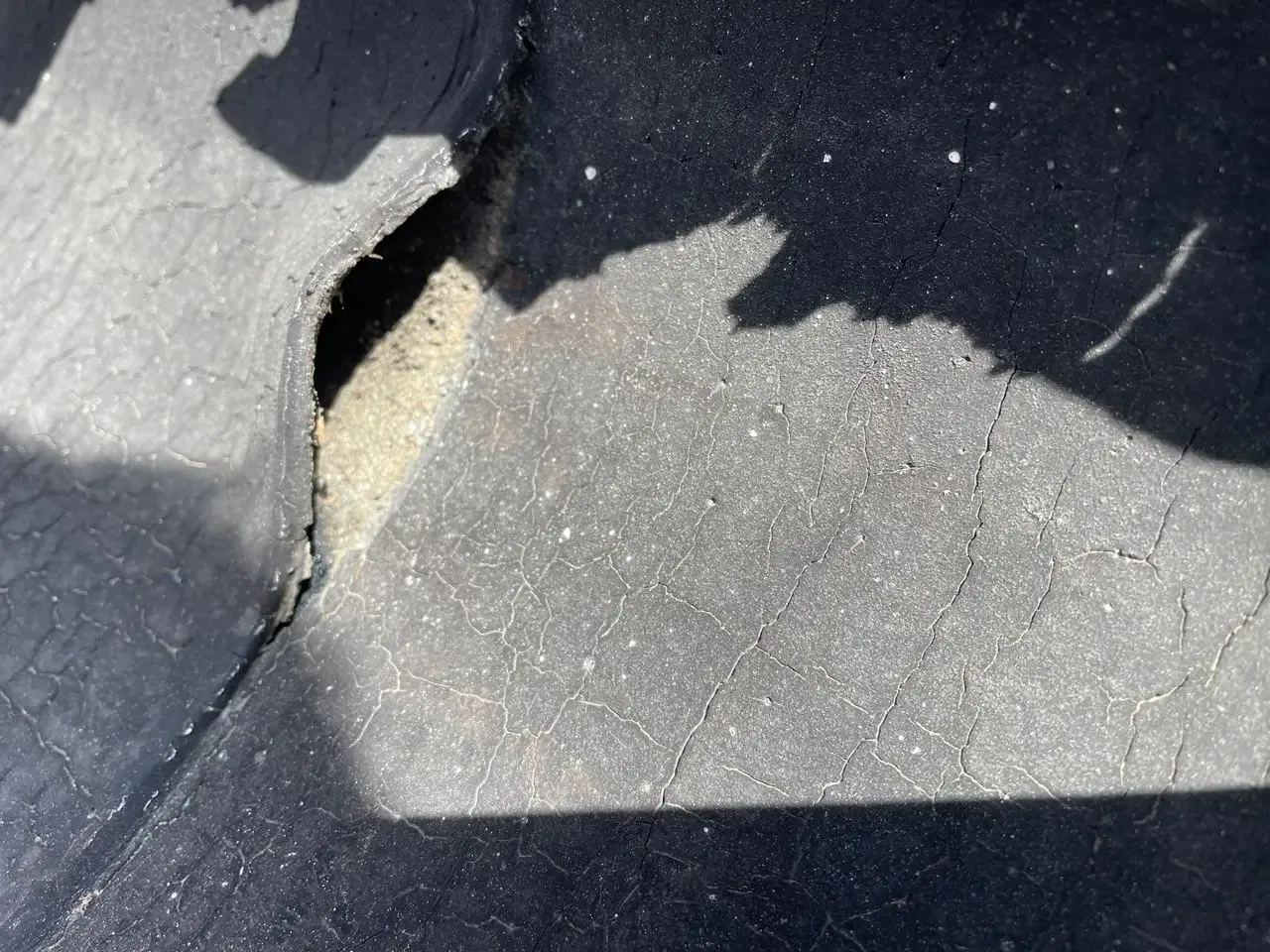
An opening at the end of a roof seam can let water in even when the surrounding surface looks fine. We examine the seam, the membrane next to it and nearby transitions before defining the repair. Repeated patching may hide a weak area or cover a seam that was never properly rebuilt. The permanent repair has to fix the actual seam with a method that suits the existing membrane.
The repair area may extend beyond the visible gap. Weathered or unstable membrane can prevent a good repair close to the opening, and wet insulation below may need to come out. We explain those findings and separate confirmed damage from conditions that need more checking. Seam failure repair should extend to sound material, not stop at the smallest visible mark just because that makes for a lower first price.
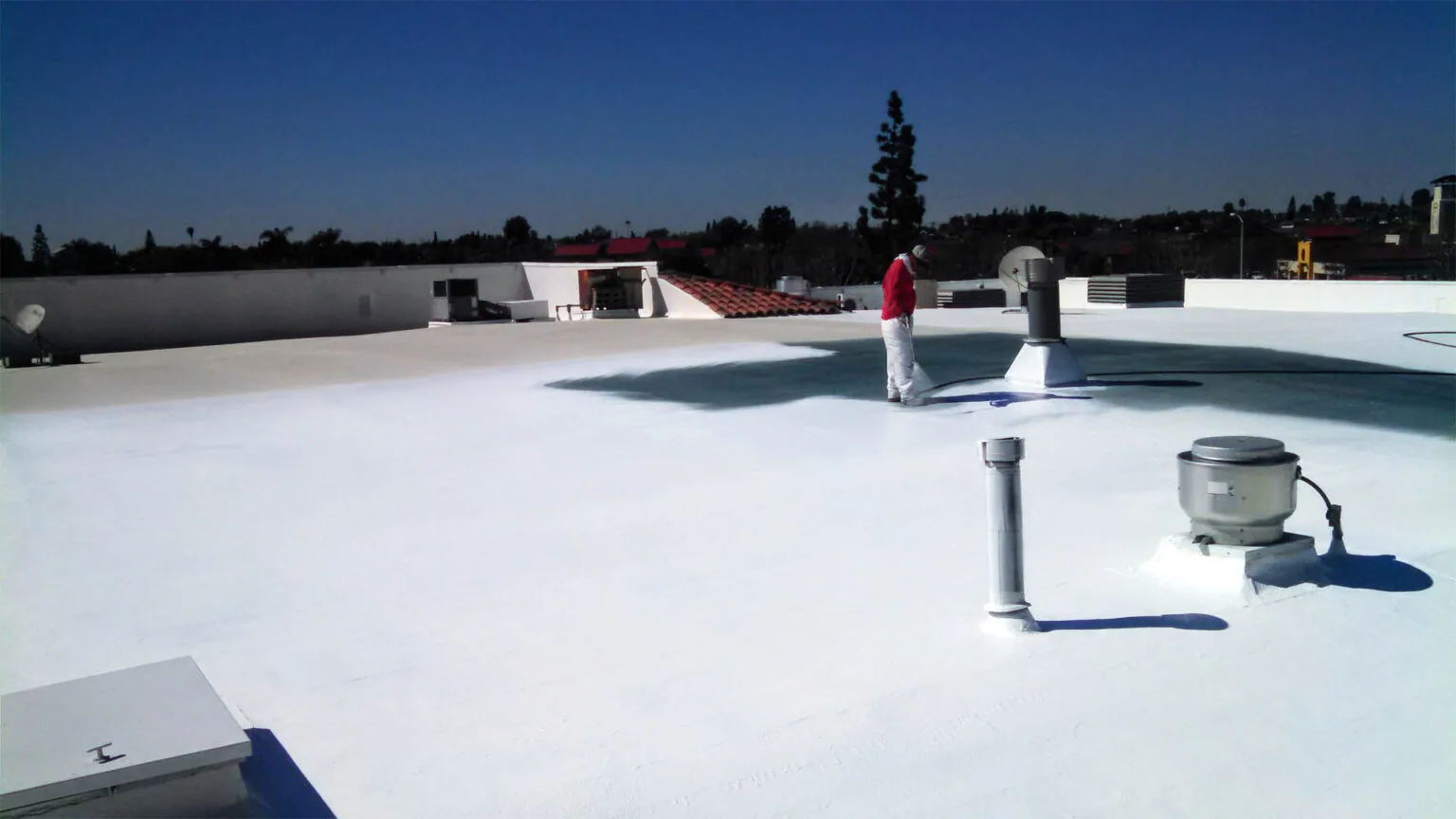
A roof's surface affects how much solar heat it absorbs. A reflective finish can reduce that, with the actual cooling result depending on insulation, equipment and how rooms are used. We weigh those factors alongside how well the roof is keeping water out. An open seam or wet insulation can make an immediate repair more valuable than a new finish, even where the property manager has flagged cooling costs as a big expense.
A cool roof installation needs a sound roof to go on, whether existing or new, and repaired details. The material choice should follow that review. We explain what each option changes and what it leaves unresolved, so you can compare a seam repair, restoration or larger project without assuming every hotel or retail building gets the same energy benefit. For a Parkway property, ask the manager to identify delivery times, lift access and any customer route affected by staging. The roof plan should show how materials reach the work area and where temporary protection will stay if a seam opening cannot be closed by the end of a shift.
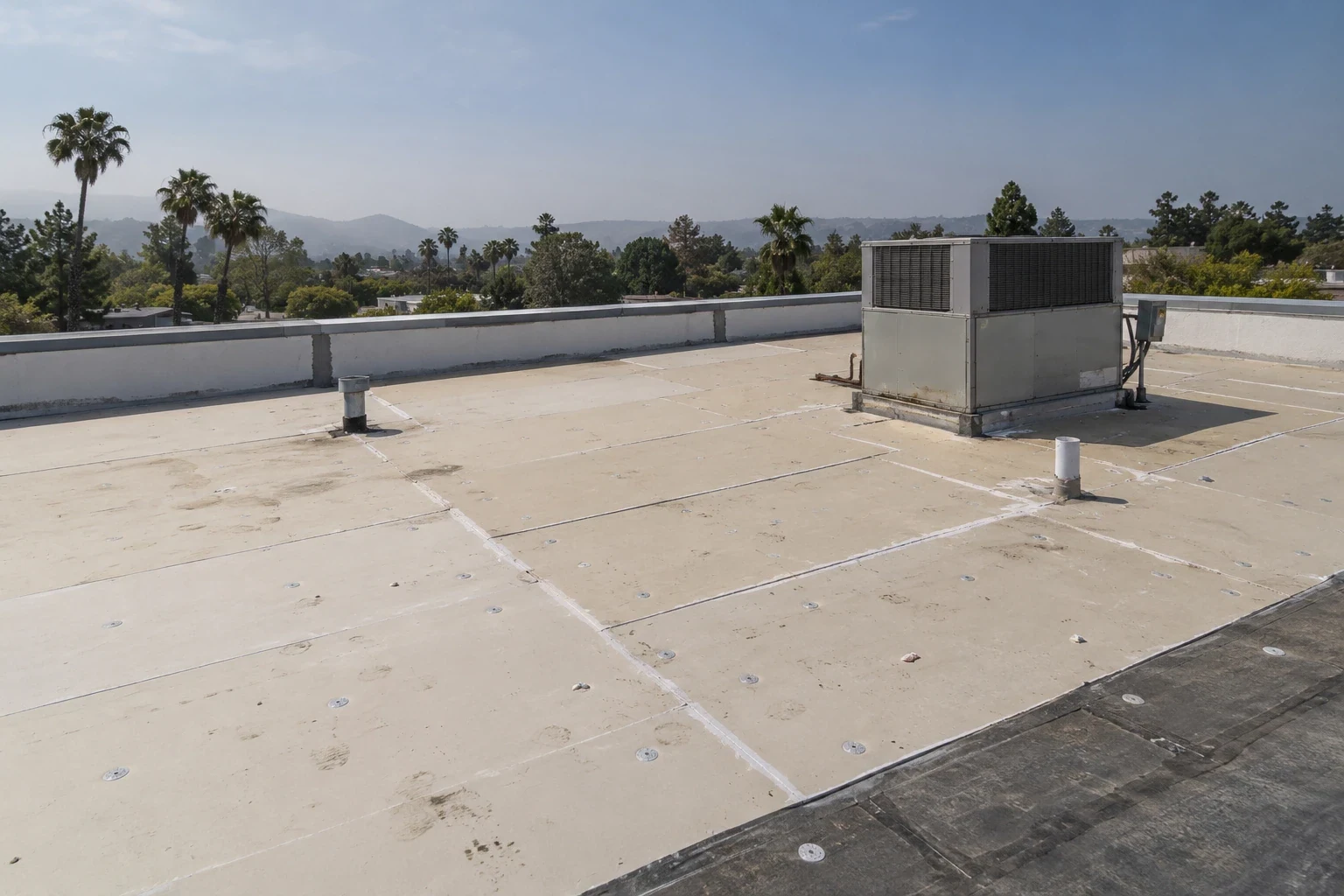
A membrane that looks sound does not tell you about every layer beneath it. Where wet insulation or weak backing could change the repair, test openings need approval and a sealing plan. We document what we find and the material left around the repair area. A scan can help locate suspect areas, but it should be read in the context of that roof and confirmed where it matters for the budget.
Then you can compare options on a known basis. A limited repair may make sense if the roof around it is sound. More removal may be needed where the seam cannot be supported or wet insulation extends farther. Roof insulation and cover board work addresses those layers as part of the repair, and the recommendation explains what has to change rather than treating a new board as proof that bad material underneath can stay.
The property manager identifies the rooms and routes affected by a roof opening. We describe tear-off, noise, debris and material handling so restrictions can be set from the actual work. A business type does not tell us which dates are available. The schedule needs the building team's agreement on the protected area and the person who can sign off when conditions change.
Each day's tear-off should match what the crew can reliably seal back up. Difficult seam transitions or more wet insulation than expected can slow that down. We set practical stopping points and explain how the plan changes if we find more work. Staging and roof loading also need review. A lift or material landing may block an entrance even when the repair is above another room, so those details should be in the schedule before the date is approved.
Completion photos should show the original opening, the sound roof around the repair and the finished work. Remaining concerns should be listed with locations and recommended actions, so a fixed seam does not erase a different weak spot from the next budget discussion. That lets the owner tell completed work apart from problems a larger project would still need to solve.
With roof capital planning, we compare recurring seam problems, roof condition and the effect on operations rather than setting priorities by appearance. Repeated weak seams can support a broader evaluation, while a sound surrounding roof may support continued targeted repairs. The recommendation should identify what would change that choice, with heat considered alongside the cost of repeated room closures and the risk of leaving openings unresolved.
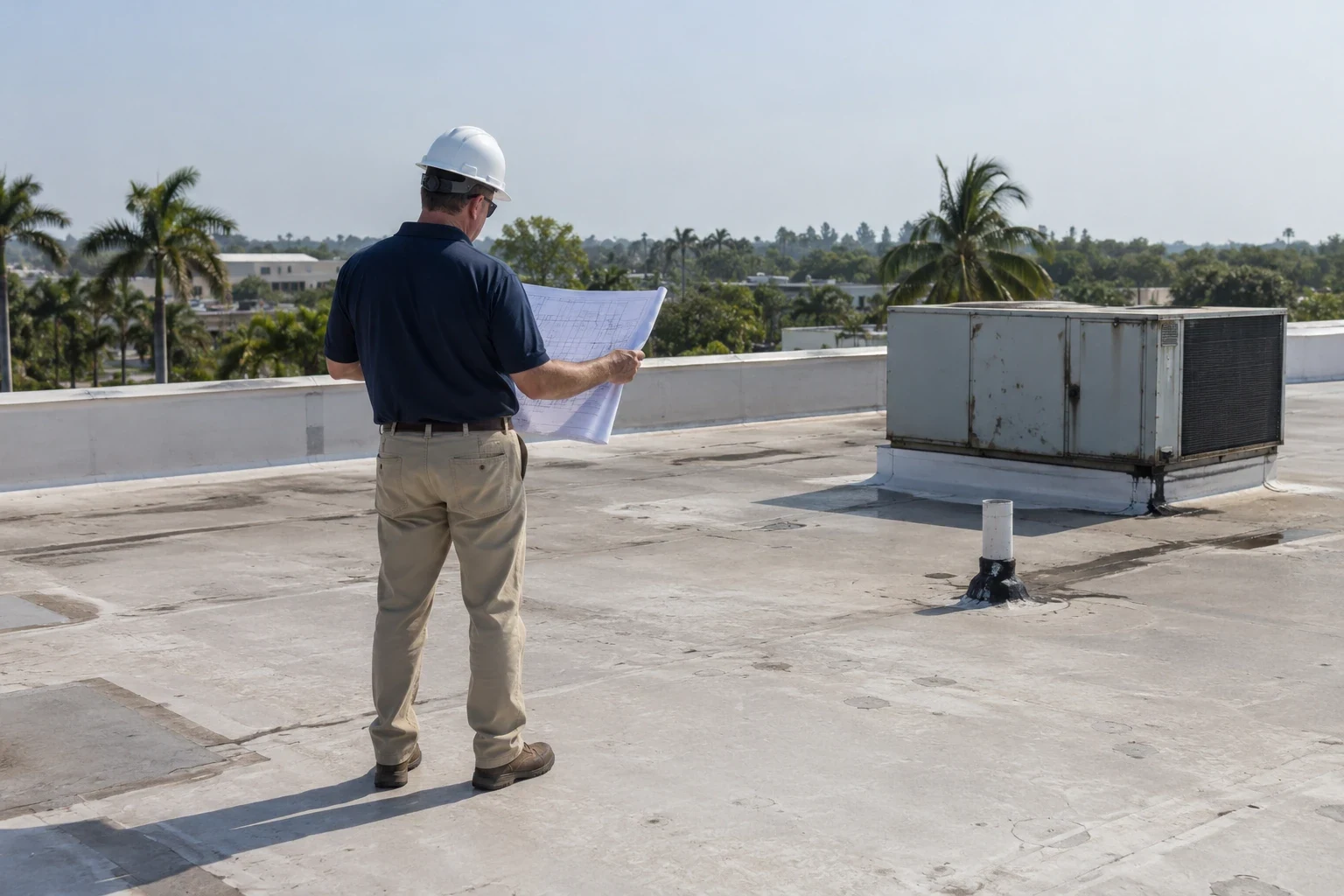
A multi-tenant retail or hospitality property along Temecula Parkway has customer traffic, delivery times and service areas that call for a clear work sequence. Confirm the property contact, roof access, area protection and any quiet hours before mobilizing. If the roof covers kitchens, guest rooms or mechanical spaces, match the leak to the right interior area and coordinate protection below. The owner should receive a scope that separates one roof section from the property's broader footprint. Any temporary repair should include a return date or weather condition for the permanent fix.
Usually not. A defined repair often works where the membrane around the seam is sound enough to hold a permanent fix. We examine the seam and nearby transitions before recommending anything bigger.
We look at that once the existing roof is confirmed sound and the seam is fixed. A surface upgrade can make sense where the preparation and system requirements support it, but it should never cover an opening that still needs rebuilding. The proposal lists the repair and the finish separately, with any cooling benefit judged for the actual building.
Each day's section has to fit the protection and sealing the property manager requires. We describe the opening and handling routes before setting its size. Smaller sections work when rooms cannot stay closed for long. If we find more damage, the plan changes, so you need a clear stopping plan and a contact for approving the revised scope.
Cover board can be part of the repair, but it does not fix every bad layer below it. Backing, moisture and seam requirements need to be reviewed together, and the repair should say what is removed, kept and tied in. A bigger patch should not hide an area that cannot hold a permanent repair.
When the same kind of failure keeps showing up, another narrow repair may leave several weak seams in place. We show those locations and compare the construction and operating effects of each option. A larger project makes sense when the findings support fixing the wider problem.
Set up a roof review for your Temecula Parkway property. Tell us about the seam problem, the affected rooms and when the building can be worked on. We will explain how far the repair needs to go, rank the leak repair and compare practical surface options for the building.
Request a Roof Assessment