A roof discussion for a Marine Corps base building can include Temecula-area summer heat, while a failing equipment curb is the more urgent problem on the roof. Each needs its own evidence on the specific building. A reflective surface can reduce the sunlight a roof absorbs and the heat passing inside, but the effect depends on the product and the building. A curb with damaged roofing around it needs its own permanent repair. We tie what we find at the curb to a clear sequence of work before ranking a roof-wide upgrade or its possible energy savings.
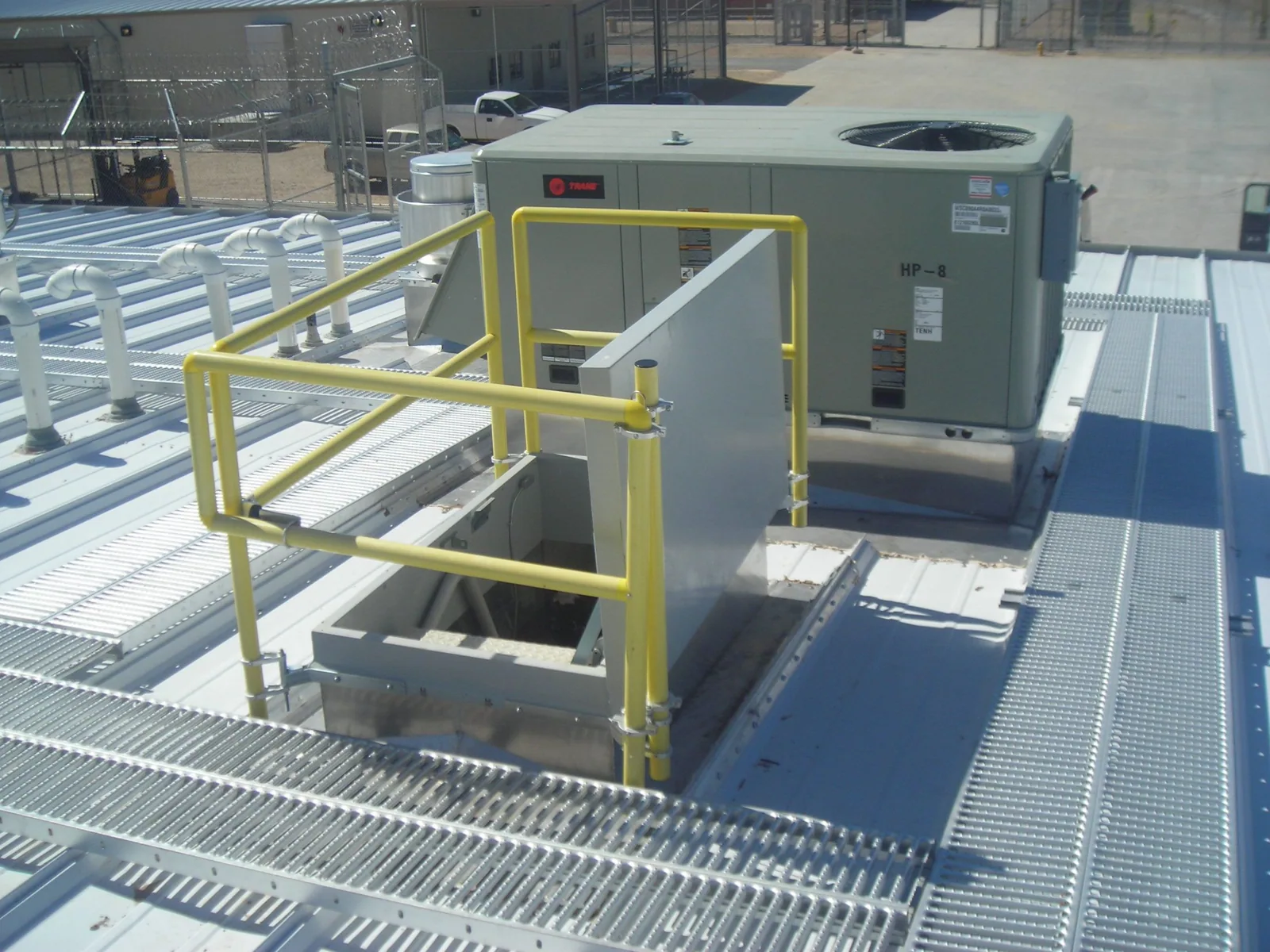
The equipment on the curb may have to be serviced or moved before we can do the roofing properly. The proposal lists that step alongside the backing and membrane needed for a lasting repair. Base facility staff set access and review the plan for roof openings and material handling. We describe the roof work at the actual unit instead of assuming a standard setup because it is a base building. Your comparison includes patching after test cuts, protection under the opening and any work by other trades, so each spending choice has a defined task and a realistic order.
A coating around a unit will not fix the roof connection if the curb or the unit itself still needs work. Curb and equipment support repair checks the roofing and how it ties into the curb. The mechanical contractor handles service, clearance and equipment decisions, and an engineer addresses support or structural concerns where needed. We identify how much roofing has to come off to reach sound backing and what equipment work has to happen first. That keeps a permanent repair from being priced as if the equipment work were already done.
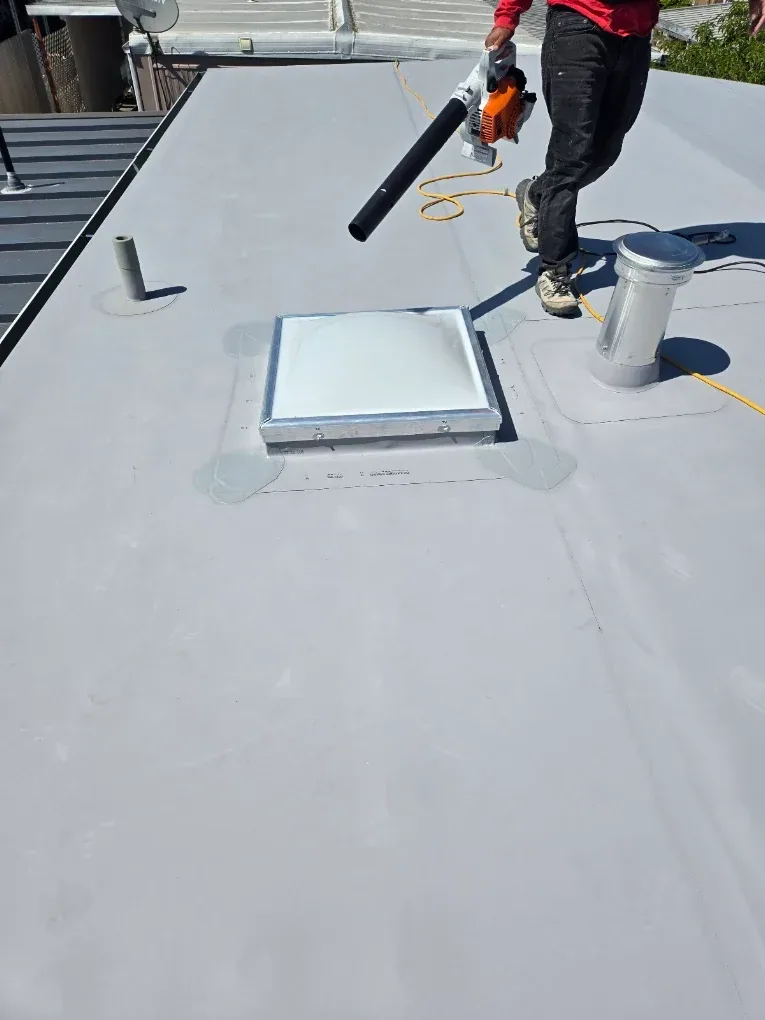
Different roofing materials need different methods at the curb. TPO and PVC need clean, weldable membrane; other roofs follow their own approved connection. Curb and penetration flashing work finds the roof edge and any wall or equipment item that affects closing it up. Cleaning sound membrane is different from removing material that cannot take a permanent repair. We explain that difference at each curb, so the price covers prep with a real purpose rather than another layer around a unit that still needs fixing.
Curb work should start by identifying who controls the unit and who can disconnect, move or protect it. We confirm whether the curb can stay, whether removal is needed to reach the roof connection and who restores the unit after the permanent flashing is done. We photograph the curb and the roofing around it before work, then set up a protected opening and a review point in case tear-off reveals bad backing. These responsibilities sit next to the roofing quantities, so new flashing is not treated as a finished job while the equipment side is still open.
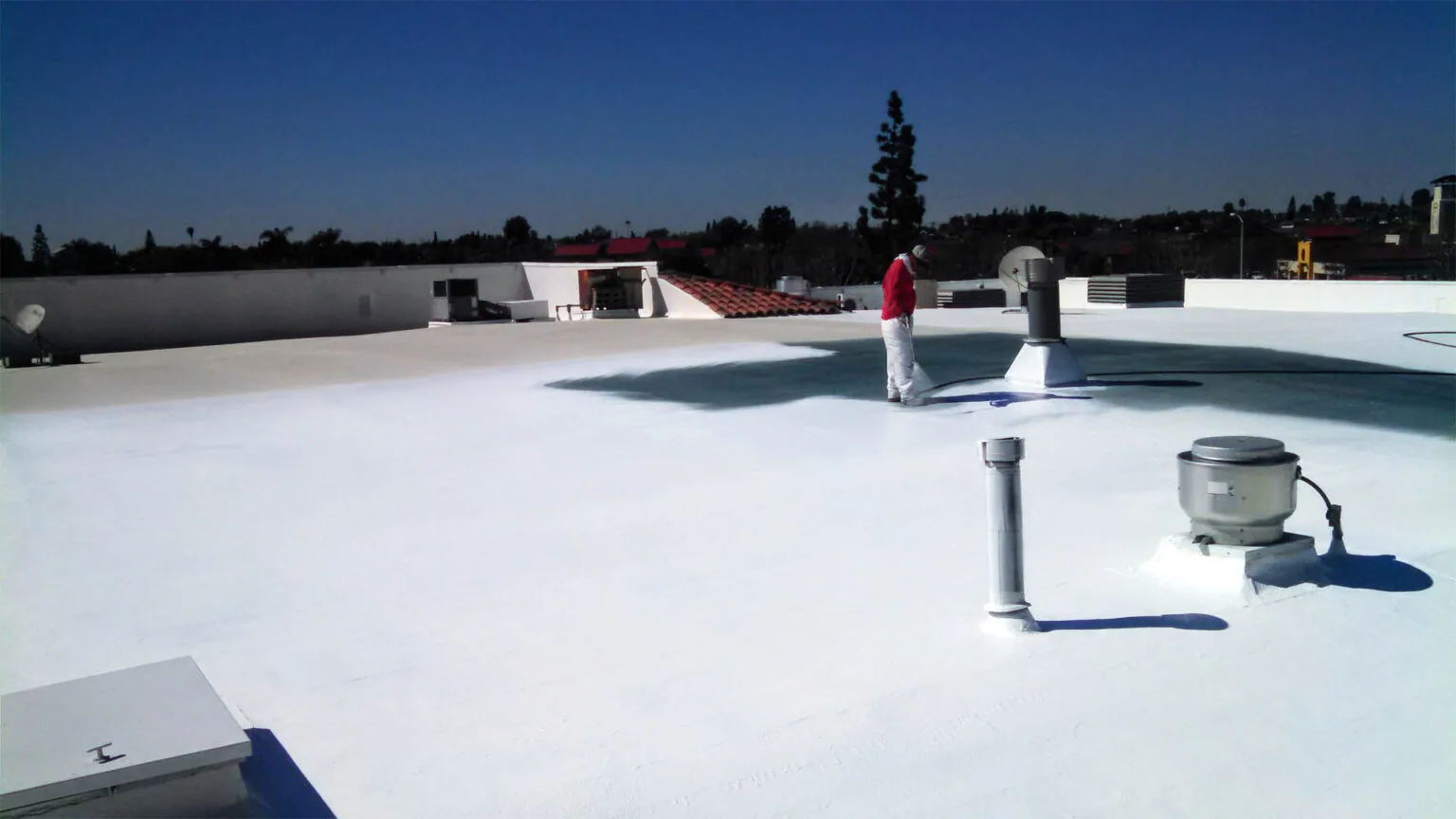
A reflective roof needs the existing roof to suit the new system, including the details around equipment that stay in place. A cool roof assessment checks compatibility and prep before an optional upgrade gets budget priority. A thicker roof can change curb height, equipment clearances and drainage. Those questions need to be identified and reviewed by the right people alongside the product choice. We compare complete roofs, instead of assuming a new surface can skip the work at each curb just because it reflects more sunlight.
How the building is cooled also matters when weighing energy costs against capital work. Equipment and usage information lets an energy specialist review the savings. We assess the roofing and prep without promising the same result for every base building. A leaking curb may come first while a cool roof waits for testing of the existing layers or for another trade. Your ten-year plan can carry both decisions with their prerequisites, so spending follows what the roof actually needs on that building rather than one broad assumption.
We keep the equipment detail in view from inspection through closeout: we record the curb, identify the roof layers under it, coordinate the unit's release and photograph the finished flashing before the equipment goes back in place. If the unit cannot be moved, we note which part of the connection is still out of reach and what later access will be needed. That prevents a visible patch around the edge from being presented as a complete repair when the backing underneath could not be reached or inspected.
Keeping the old roof under a curb only works if the material is sound enough to support the permanent repair. Infrared readings can point to questions when checked against the roof build-up and survey conditions, and core cuts confirm them where the plan depends on keeping those layers. We mark the test spots and include patching and interior protection. A stain or discolored surface cannot tell us the condition of every layer. The recommendation explains how the backing results change a local repair or a larger tear-off, tied to the exact area that cannot yet support the new flashing.
Tearing off roofing can expose more than the leak report suggested, which affects protection and the order of equipment work. Roofing over occupied buildings lays out roof openings, debris routes and material handling for base facility review. Equipment and electrical work stays with qualified trades. We respond to urgent roof leaks on holidays, at night and on weekends, with the base contact arranging access. We keep temporary seals clearly separate from the permanent curb repair and explain any backing work still needed before the roof connection is finished.
For a Marine Corps roofing request near Fallbrook and Marine Corps Base Camp Pendleton, we start by identifying the building, the curbs involved and the base facility contact. Roof records help guide the inspection before a repair is recommended. Facility staff set the work window, and our comparison follows the roofing we inspect and any equipment work needed at each curb. Quantities stay tied to that roof and the approved work plan.
A manufacturing plant may have different equipment needs at a similar curb, and a military warehouse may need different protection for stored materials. Manufacturing plant roofing works around production equipment. Military warehouse and depot roofing plans around stock and material handling. Final records for a Marine Corps building should show the finished curb, the backing that stayed and any items still open for other trades. A later surface project can start from that record, keeping the heat goal and any unfinished equipment work separate when the next budget is set.
Equipment that needs service, moving or new supports. Even with good roofing materials on hand, that work has to be done first, or the new flashing cannot be completed properly.
No. Each building's roof and cooling setup should be checked first. Compare the roof prep with an energy specialist's review, and keep urgent curb repairs separate from an optional upgrade.
Whether the backing under the curb flashing is sound enough to hold the permanent repair. We check infrared readings against the roof build-up, confirm with core cuts and patch every cut with interior protection in place.
It can reduce curb height and equipment clearance and change nearby drainage. The mechanical contractor or engineer should review those details before the cool roof option is considered ready to go.
Keep the final curb photos, the areas where old roofing stayed and the open items for other trades together. Separating temporary seals from finished repairs shows exactly which detail still needs money.
Tell us which building it is, which curbs are leaking and what you want from a heat upgrade. We will compare the roof prep with the base's work rules and the equipment work needed before the repair can be finished.
Request a Roof Assessment