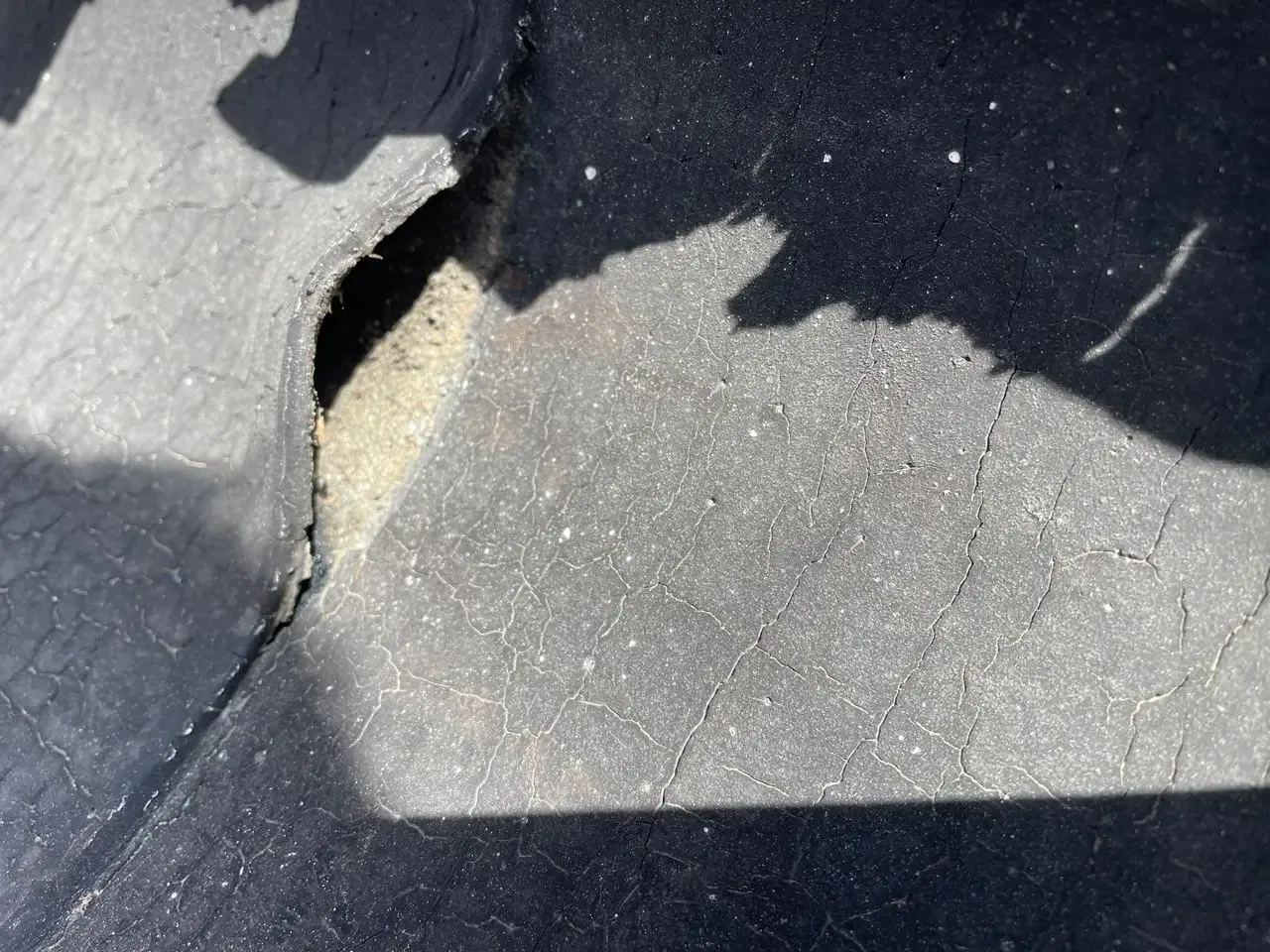
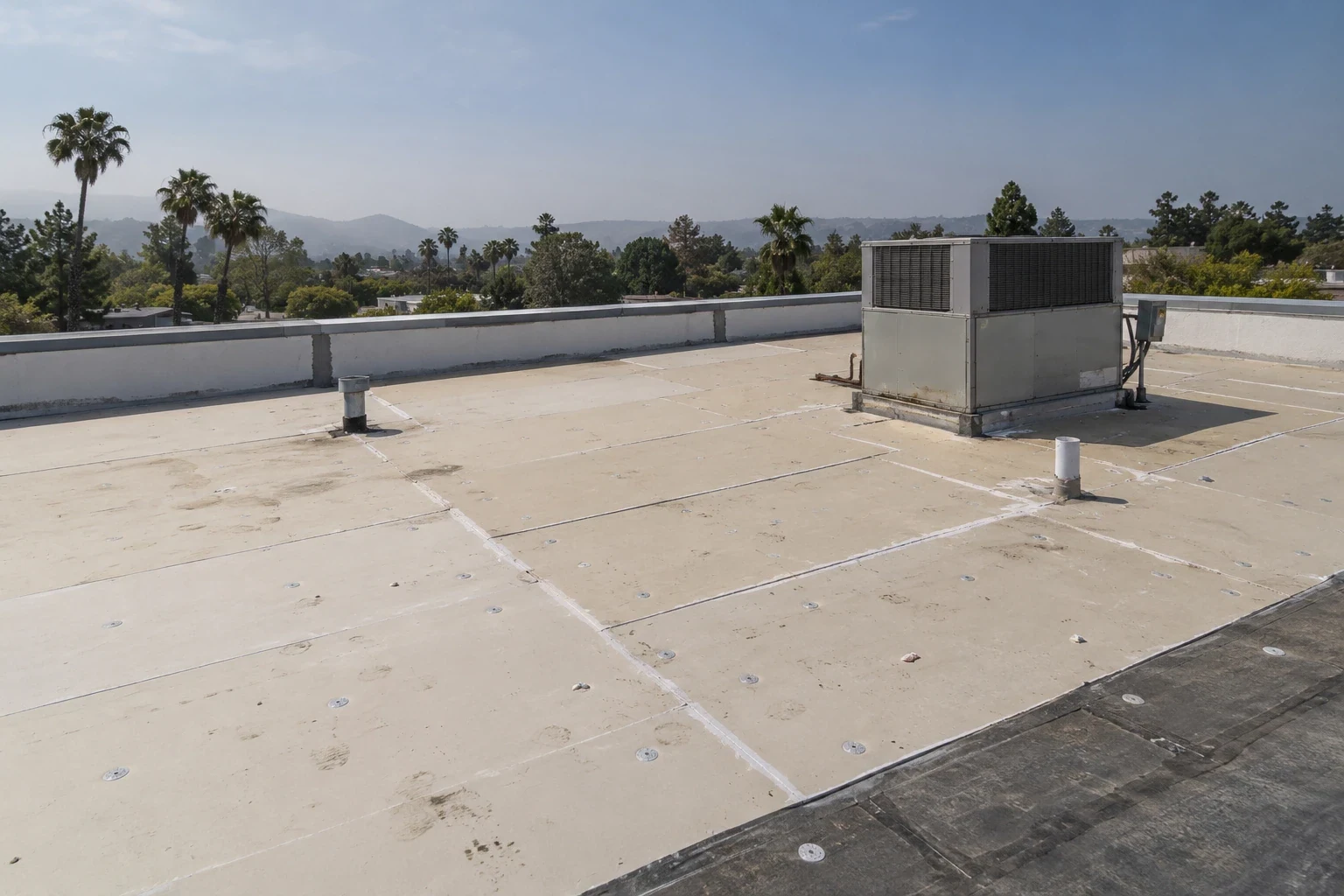
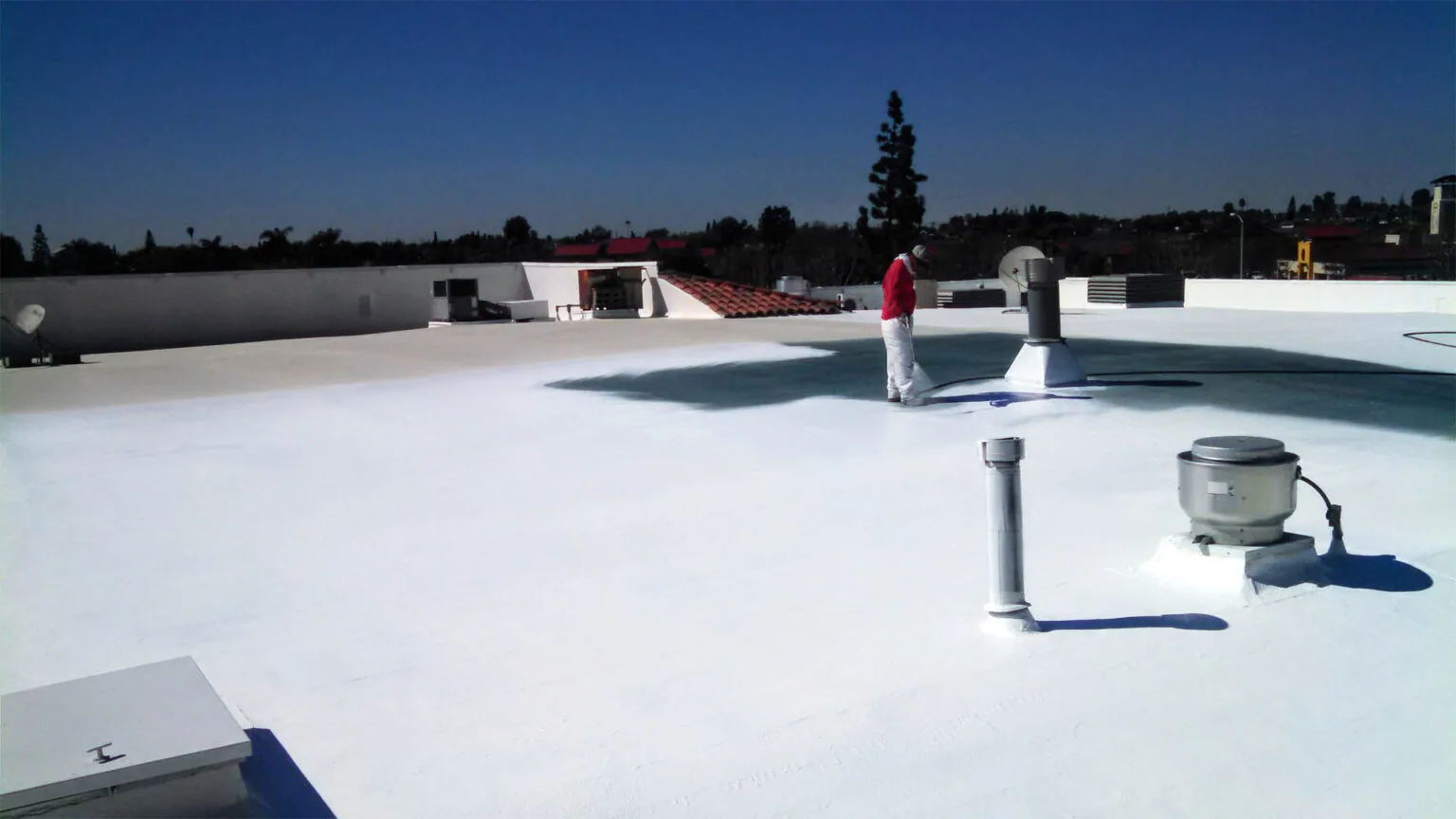
Summer heat in the Temecula region can shape roofing priorities at a VA medical center, while a split seam is the more urgent repair. A reflective surface can reduce the sunlight a roof absorbs and the heat passing inside, though the product and the building decide the real effect. A seam that cannot be welded or bonded back together properly needs its own prep before any roof-wide option goes across it. We inspect the membrane and the layers under it on that building, then tie what we find to a budget that keeps the leak repair separate from a heat-reduction project.
A medical center also means protecting clinical areas during any roof opening or material handling. Facility staff review the work plan and set access, while clinical and equipment decisions stay with their qualified teams. We describe any test openings needed to check the existing roof, including patching and the rooms affected below. Each prep task should have a clear reason before it goes into the budget. That way the cost discussion follows a complete roof repair instead of assuming one new surface solves the leak, the backing and the energy goal all at once.
A split seam can expose membrane that needs to be replaced, not just cleaned, before a permanent seam can be made. Seam failure repair checks the membrane and how it is attached for that roof system. TPO and PVC need clean, weldable membrane; other roofs follow their own compatible method. We will not put another layer over an edge that still cannot hold a lasting bond. The price includes the prep needed to reach a sound seam, giving you a defined repair area and a reason for its size.
The insulation and cover board under the seam may add more tear-off beyond where the split first showed. Roof insulation and cover board work identifies what is needed for the permanent repair and where testing is required before keeping existing layers. An engineer handles structural or load questions if they come up. We explain how the backing results change a local seam repair or a larger tear-off. A short visible split does not tell you the full repair, so the membrane work and the backing work are described separately before any options are compared.
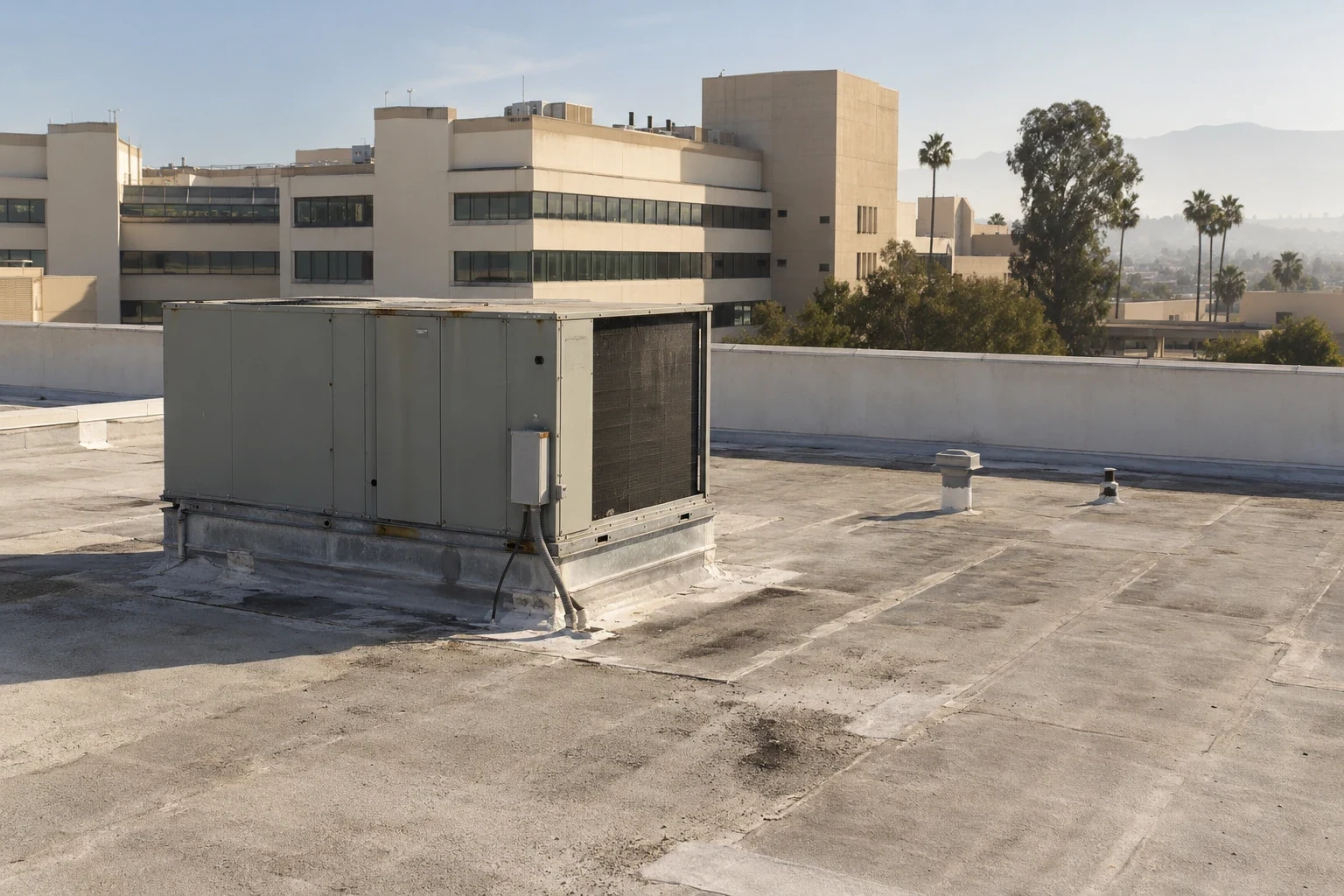
Opening the roof above a clinical area can require different prep than the same opening over offices. Roofing over occupied buildings lays out the roof openings, debris routes and material movement for facility review. Facility staff set clinical-area protection and access. Medical, equipment and electrical decisions stay with qualified teams. We include patching wherever testing reaches the layers below, tying each task to the rooms actually affected rather than assuming one setup because of the type of facility.
If more bad backing turns up, another protected area or a different material route may be needed. We explain the larger area before opening more roof and install a temporary seal if another trade needs a separate visit. Urgent roof leaks can be handled at night, on holidays and on weekends, with the facility contact arranging access. If water reaches electrical equipment, the right specialists should check it. Our records keep temporary seals separate from the finished seam and any open equipment items, so the next budget follows the item still blocking a permanent repair.
We coordinate each phase with the facility contact responsible for patient, staff and service access. Before crews set up, we identify protected entrances, delivery routes, sensitive interior areas and the person who can approve an opening or a change in sequence. Work areas and temporary seals stay specific to the area under review, and each area is formally signed back over before nearby operations resume. We describe construction controls and the roof conditions we find, while the facility decides operational protections. Keeping those roles separate keeps the proposal useful without suggesting that roof work decides clinical procedures or patient care.
A reflective option depends on the existing layers being suitable and on sound connections at the repaired seam and nearby details. A cool roof review checks the prep and the details affected by a different thickness or material. Clearance or design questions should be reviewed by qualified professionals. We list that work with the new surface, so an energy goal does not get ahead of the prep needed for a permanent repair. The comparison then includes everything needed to make the roof-wide option work on that building.
Real cooling information and building use let energy specialists review the savings. We assess the roofing without promising a fixed result or assuming one equipment setup for every VA medical center. Infrared readings are checked against the roof build-up and survey conditions, then confirmed with core cuts where keeping the old roof depends on them. Every cut is patched, with clinical areas reviewed first. Your ten-year plan can then compare a local seam repair with a roof-wide upgrade, each with all of its prerequisites, keeping the urgent leak separate from an energy project.
For VA medical roofing in the wider region, including Riverside and Loma Linda, home to the Jerry L. Pettis Memorial Veterans Hospital, we start by identifying the building and the facility contact before planning any openings. It helps to share where the seams are failing, any roof records and which interior areas could be affected. We inspect the roofing before recommending a permanent repair or a roof-wide option. Facility staff decide access and protection, and the roofing scope follows the conditions we actually find.
Hospitals and medical offices may need different protection or equipment work around a similar seam repair. Hospital roofing follows that building's clinical requirements. Medical office roofing plans around exam rooms and patient hours. Final VA roof photos should show the finished seam, the existing layers that stayed and any open backing items. Later projects can start from those records, keeping the permanent seam repair separate from temporary seals or equipment work still waiting before the roof can be fully closed up.
Where the membrane and backing are sound enough to hold a permanent seam. We remove material that will not bond, and we test and patch the layers underneath where keeping them depends on what we find.
We show facility staff the larger roof area and material routes, and they adjust protection for the rooms affected. Clinical and equipment decisions stay with their qualified teams.
No. The seam and the backing have to be repaired first. A cool roof comparison should include that seam work and the details at curbs and drains so the upgrade lasts.
That they are dry and sound wherever keeping them changes the plan. Infrared readings are checked against the roof build-up and confirmed with core cuts, each patched with clinical areas reviewed first.
The photos and notes on the finished seam, the existing layers that stayed and any open items for other trades. Temporary seals are listed separately so the next budget goes to what is still unfinished.
Tell us which building it is, where the seams are failing and what you want from a heat upgrade. We will plan the permanent repairs around the facility's clinical-area requirements and the other trades involved.
Request a Roof Assessment