On an Escondido commercial roof, curb height can turn a simple insulation upgrade into a much bigger equipment and flashing job. We manage commercial roof repairs, inspections and replacements from our Temecula, CA base, and we compare any new roof system against the existing details before the owner commits. Escondido is a large service area with commercial buildings all over the city. On each building, the inspection should confirm the curbs, drains and existing roof layers before a new thickness or a reflective finish is chosen.
The decision involves more than the open field of the roof. Extra insulation can reduce the flashing height at equipment curbs, while a reflective surface reduces heat gain but does nothing for a curb that is too short. We separate those issues and their costs so each roof option includes the detail changes it needs. You get a comparison of workable roof systems, with equipment coordination and interior protection visible before materials are ordered or work is scheduled.
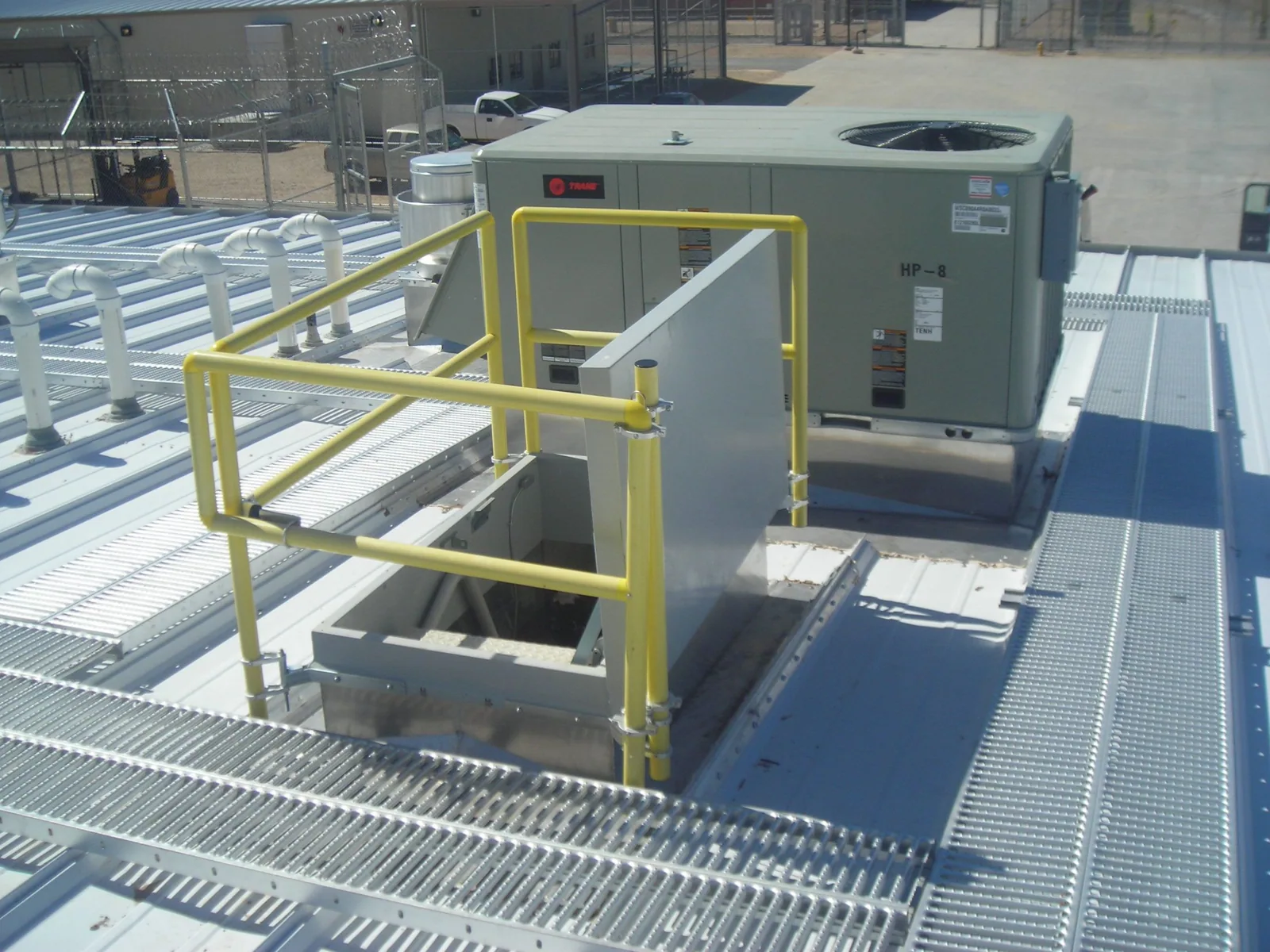
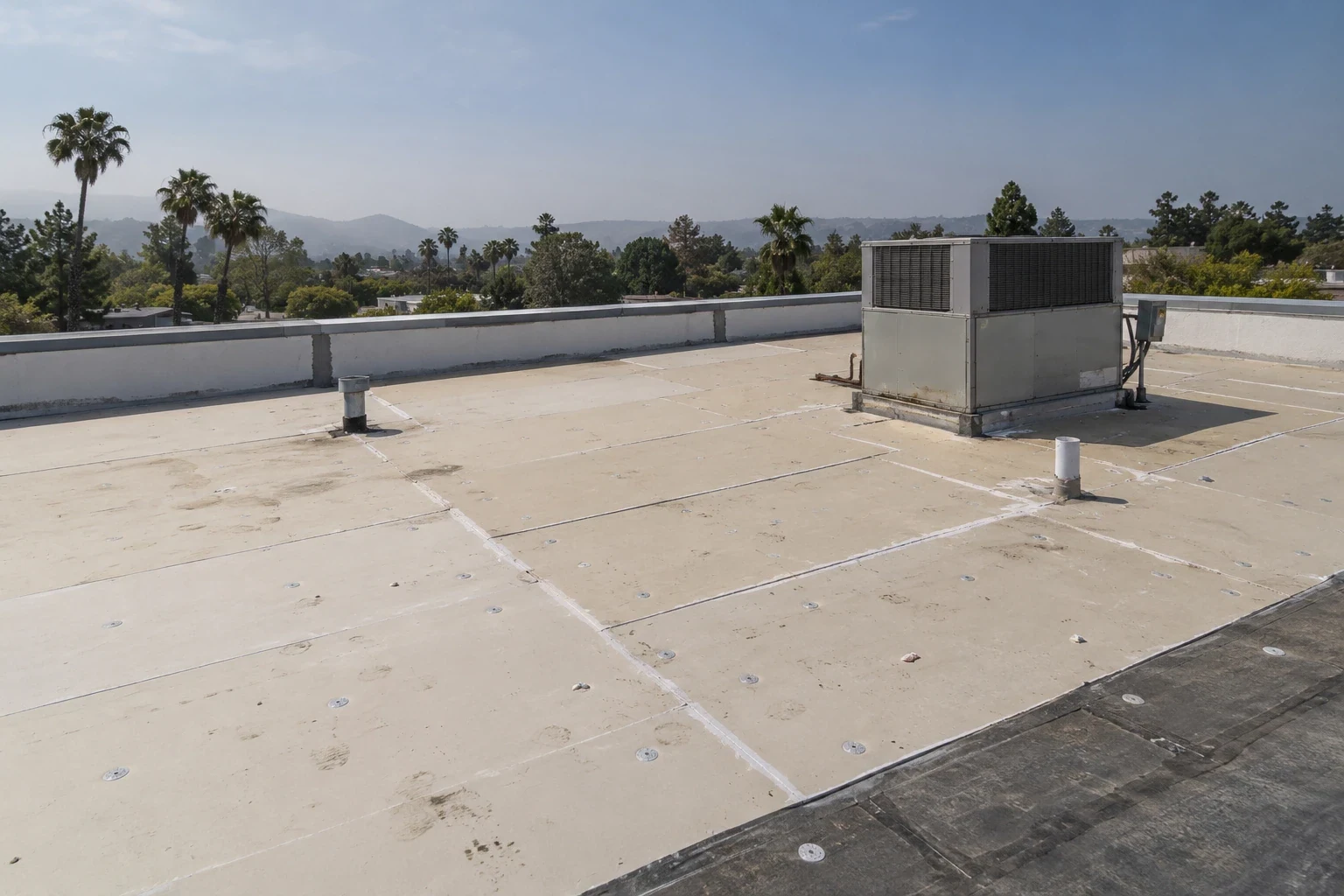
If the flashing height at a unit is already low, adding insulation can leave too little room for a proper flashing. We look at the curb, the roof transition and how the unit sits on the curb, then compare the new roof height with the space available. Appearance alone does not tell you whether the detail can take a thicker roof. The inspection also identifies material that has to come off before the curb flashing is rebuilt.
Our rooftop equipment curb review puts those requirements in the proposal. Raising a curb or changing a support may require the mechanical contractor, an engineer, and lifting or disconnecting the unit. We identify that up front, before a general roof price is treated as complete. You can then compare a thinner roof with a bigger curb modification using the full cost of roofing, equipment handling and temporary protection.

More insulation can reduce heat flow through the roof, but it also creates work at curbs, walls and drains. We confirm the condition of the existing layers and the requirements of the new system before recommending a thicker roof. Wet or damaged insulation needs to be replaced, and attachment and loads get reviewed for the specific system. The possible energy benefit should be weighed alongside that construction work, not used to skip it.
For roof insulation and cover board work, the comparison includes what is being torn off or kept and how the new roof ties into each detail. A lower price for the open roof may leave out curb work that another bid includes. We point out that difference so you can compare complete scopes. How the building is cooled and what is going on inside stay part of the energy discussion, and we do not promise savings from a roof nobody has evaluated.
A drip next to a rooftop unit may be coming through the unit's cabinet or ductwork rather than the roof flashing. We inspect the roof side and note where the HVAC contractor needs to check the unit at the same time. A good repair scope separates the two. Sealing a gap in the membrane may help, but it does not mean a leak inside the unit is fixed.
Our commercial roof leak repair follows the roof entry point we find and the condition of the surrounding material. We explain any further testing needed before the repair area is final, including checking whether insulation is wet. You can then coordinate the HVAC work and the roofing work without paying for a patch that assumes they are the same problem. Cost and timing are clearer when each trade's part is defined before work starts.
Lifting a unit or opening up its curb can expose the inside of the building in ways that work on the open roof does not. We confirm the affected room, the route for moving equipment and the end-of-day sealing requirements with the building manager before planning the work. For a public building on South Kalmia Street, for example, that conversation would cover what happens in the space below the opening and the protection it needs. The schedule should tie the equipment work and the roofing together.
Our occupied building reroofing planning accounts for those steps instead of leaving them as a vague allowance. Smaller openings mean less disruption but more setup and temporary sealing. We compare phase sizes and explain how each affects the cost of finishing the details. You can then pick a date with the equipment work, roof close-up and removal of interior protection lined up in one practical schedule.
An owner with another building in Vista may want to buy insulation or a reflective coating for both at once. We inspect each roof's existing layers and curb heights before recommending that. Shared materials can still mean different curb work and protection on each building. Keeping those differences visible lets you buy together without hiding one roof's equipment costs inside another roof's simpler job.
A building in Fallbrook gets compared on its own findings and access. Active leaks and damaged layers come before optional upgrades, and the new roof includes the details it needs. Then we talk about how much a reflective surface might help and what affects that. Planning in that order keeps you from signing a low price for the open roof while unpriced curb and drain work changes the real cost later.
Escondido's I-15 connection and large institutional and commercial base create a mix of warehouse, medical, office and retail roof requirements. In a healthcare setting, confirm infection-control and interior protection expectations before opening a roof area; at a distribution property, protect loading and inventory routes. A citywide employer list does not predict a given building's roof. Record the membrane type, roof zone and observed defect, then match the recommendation to the property's operation and the confirmed material rather than applying one citywide approach.
Yes, if the remaining flashing height would be too low. We measure the existing curb and how the unit sits on it, then identify any curb modification and coordination with the mechanical contractor. That work goes in the proposal so the insulation option is priced in full.
No. It depends on whether we can reach the flashing properly with the unit in place. We inspect the curb and transition first. Where lifting or disconnecting is needed, the scope includes the equipment coordination and protection so you can plan for it.
Not always. Water can come through the unit's cabinet, drain pan or ductwork. We inspect the roof flashing and tell you where the HVAC contractor should check the unit, so the roof repair and the equipment repair are each handled properly.
Look at the curb, drain and attachment work along with the insulation itself. Each option should show curb and drain changes clearly. Energy benefits depend on the building, but the construction comparison should include every detail and protection cost.
A coating adds very little thickness, so it usually does not change curb heights the way extra insulation can. But it will not fix a curb flashing that has already failed. Flashing, moisture and surface condition should be dealt with first, and the coating price should include that prep.
Send us the Escondido roof address, the equipment issue you are seeing and the insulation or coating change you are considering. We will check curb heights, equipment handling and roof options before you commit.
Request a Roof Assessment