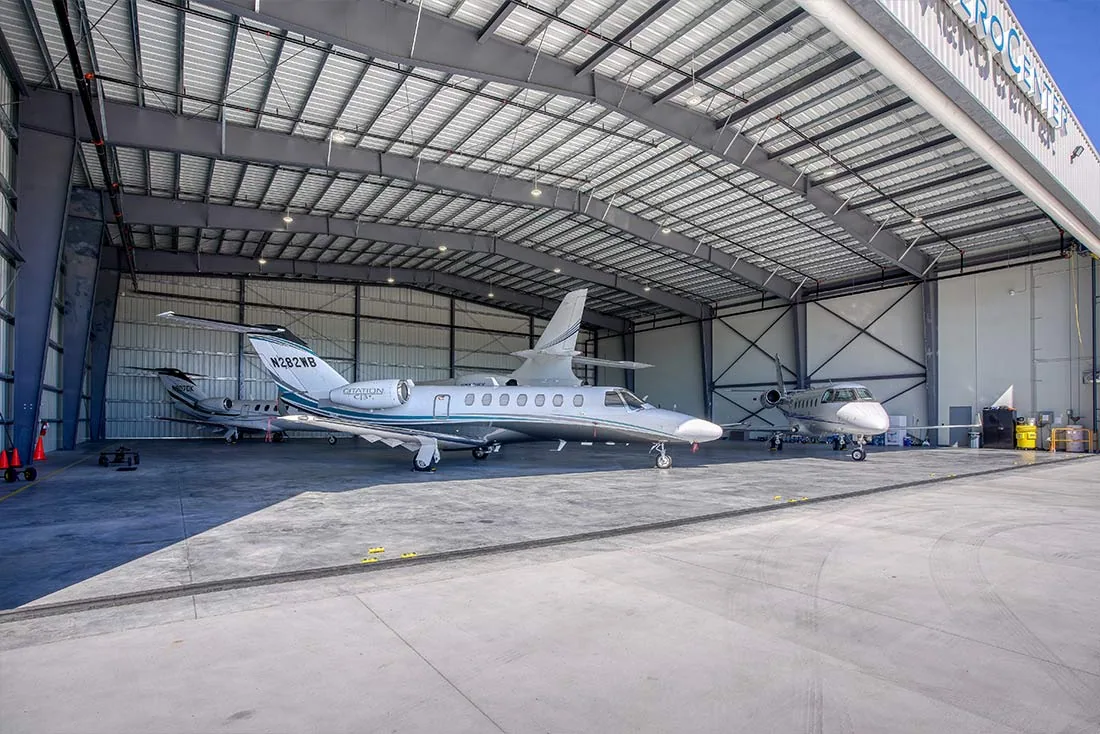
Summer heat can influence a roofing decision for a military hangar in the Temecula area, while a leaking skylight raises a separate repair question. A reflective roof can lower the sunlight the roof absorbs and the heat entering the building, though the real effect depends on the product and the building. It will not fix a damaged skylight or the roofing around it. We inspect the skylight curb and backing before comparing a local repair with a roof-wide option, so each expense has a clear purpose and a clear order at that maintenance facility.
Hangar work also means planning for aircraft areas alongside roof openings and lifts. Base facility staff set access and review protection, while aircraft and equipment crews handle their own responsibilities. We describe the roof opening, the testing of the backing and the patching needed to reach sound roofing. A proposal should include that work along with the new roofing, rather than treating the square footage of membrane as the whole job. That way your cost comparison separates a finished roof repair from skylight work or an optional cool roof that still needs attention.
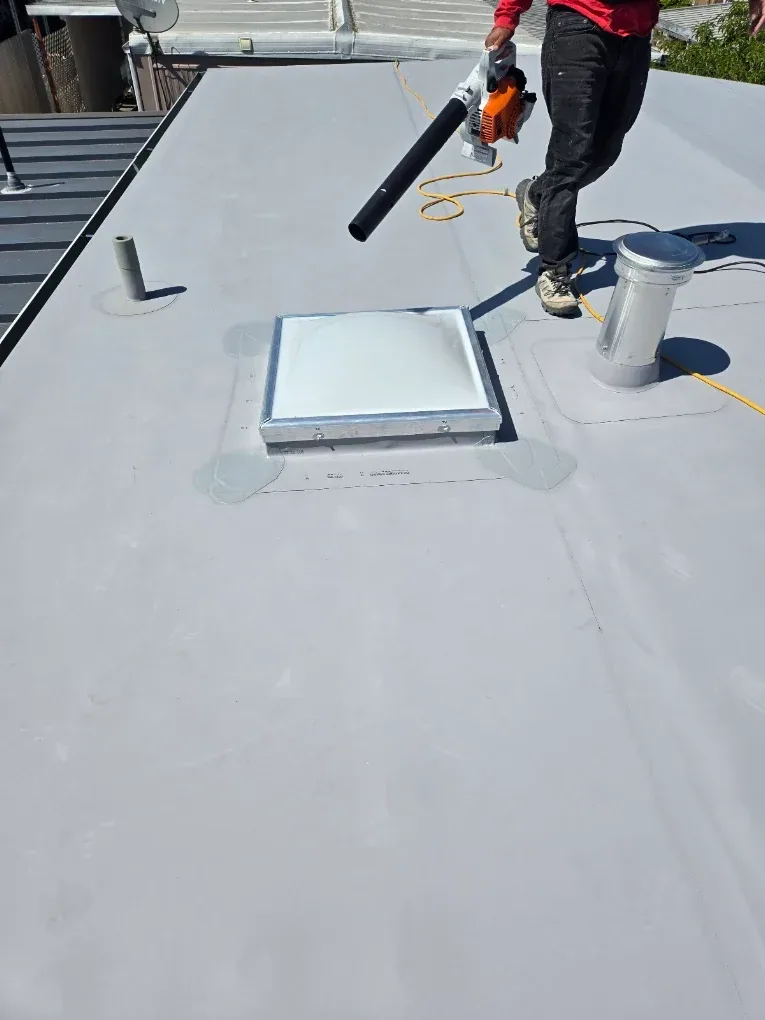
A leak near a skylight can come from the skylight frame or glazing as well as the roof flashing next to it. Skylight flashing repair checks the roofing and the skylight curb where the permanent detail will go. A skylight contractor handles the glazing, frame and unit itself. We identify that work before treating new roofing as a lasting fix. The price includes the prep needed to reach sound existing roofing, keeping the roof repair separate from a skylight problem that new membrane around its edge cannot solve.
The curb and deck at the skylight also have to be solid enough for the new flashing. If structural, load or support questions come up, an engineer reviews them. Flashing failure repair follows the right method for the roof type: TPO and PVC need clean, weldable membrane, and other roofs need their own connection. We separate tearing out bad material from preparing roofing that can stay, so the repair has a clear reason and a clear boundary around that skylight.
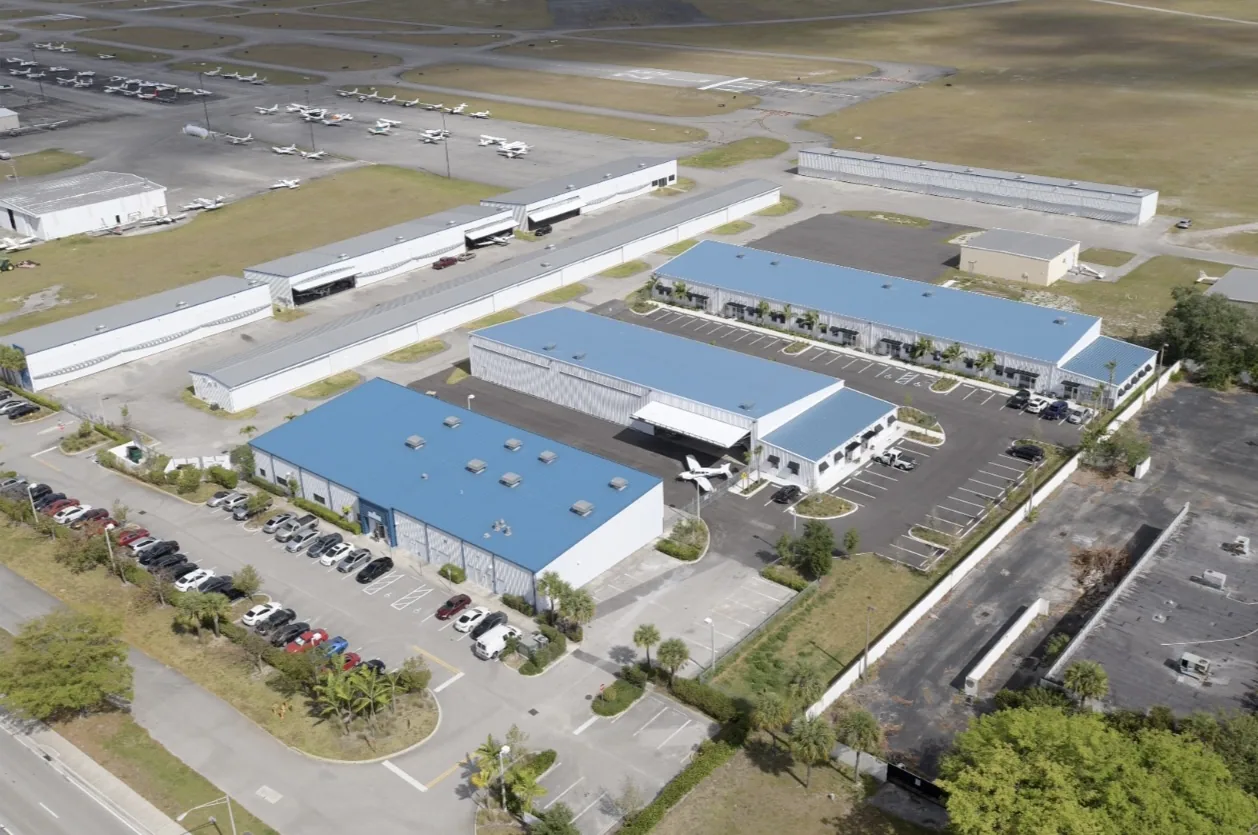
A roof opening above an aircraft area may need protection well beyond the spot where the leak was first reported. Roofing over occupied buildings lays out the tear-off, debris routes and lift locations for base facility review. Facility staff set access and protection for that hangar. Aircraft, equipment and electrical work stays with qualified teams. We include patching at any test opening, so the scope covers the effort needed to reach sound material without assuming how aircraft are arranged just because the building is a hangar.
If more damaged backing turns up, both the tear-off and the protected area can change. We explain the larger area before opening more roof and install a temporary seal if the skylight contractor needs a separate visit. We can respond to urgent roof leaks on weekends, at night and on holidays, with the base contact arranging access. If electrical equipment is affected, a qualified electrician should check it. Temporary seals stay separate from the finished skylight repair, so you know exactly what is left when backing work keeps the permanent detail from being closed up.
Before opening a hangar roof, we coordinate skylight removal, lift positions, aircraft movement and any need to keep doors or maintenance bays running. We identify who can clear the affected area, approve a change in the work area and inspect a temporary seal if the permanent repair cannot be finished in one shift. Equipment and work surfaces are protected from debris, and any opening we cannot reach is noted. The proposal states whether this coordination is included or depends on a separate release from the facility, so the roofing scope does not imply that aircraft or maintenance work will go on unaffected.
At the end of each shift we record which hangar area was released, what protection was left in place and who signed off on it.
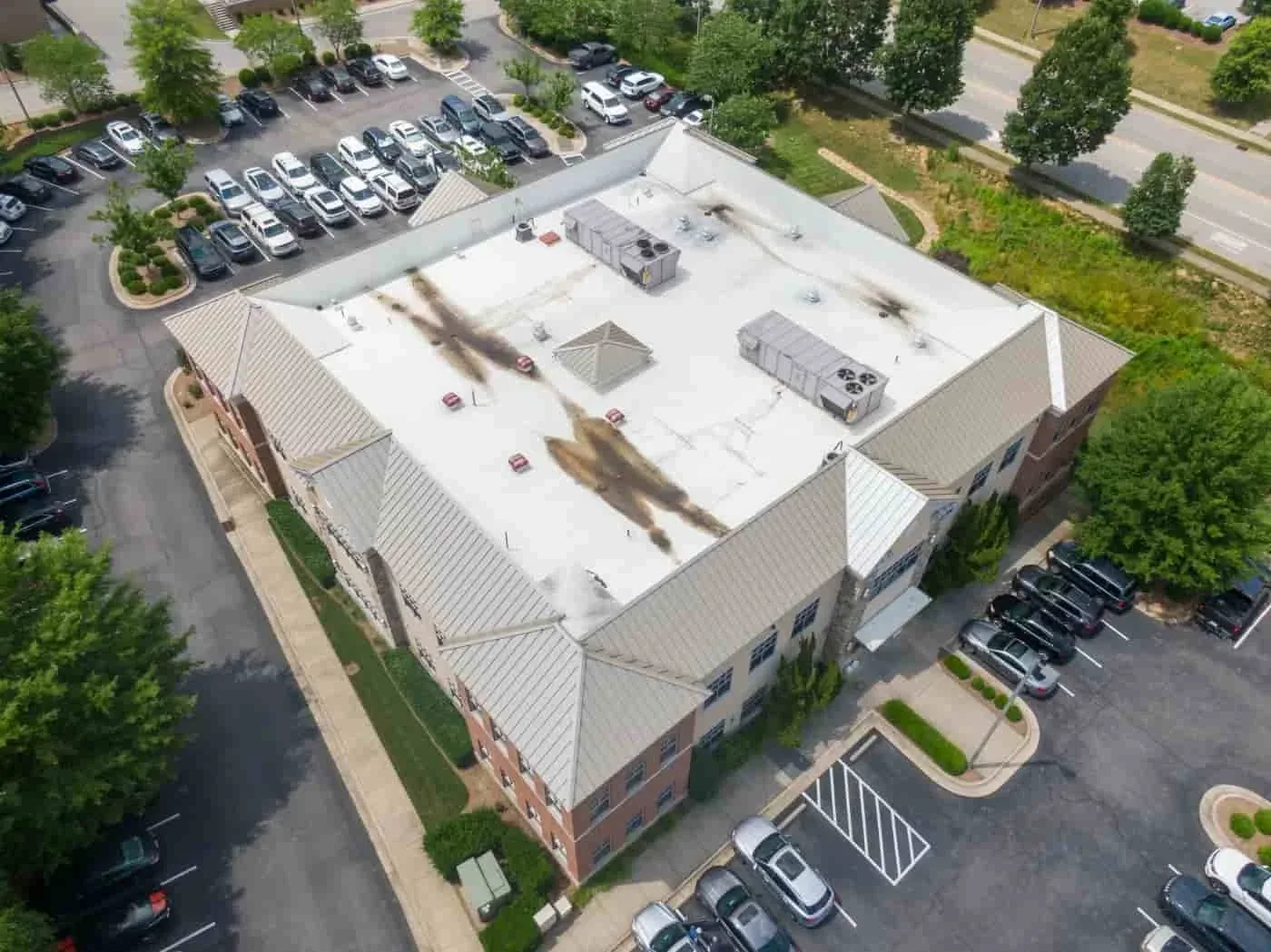
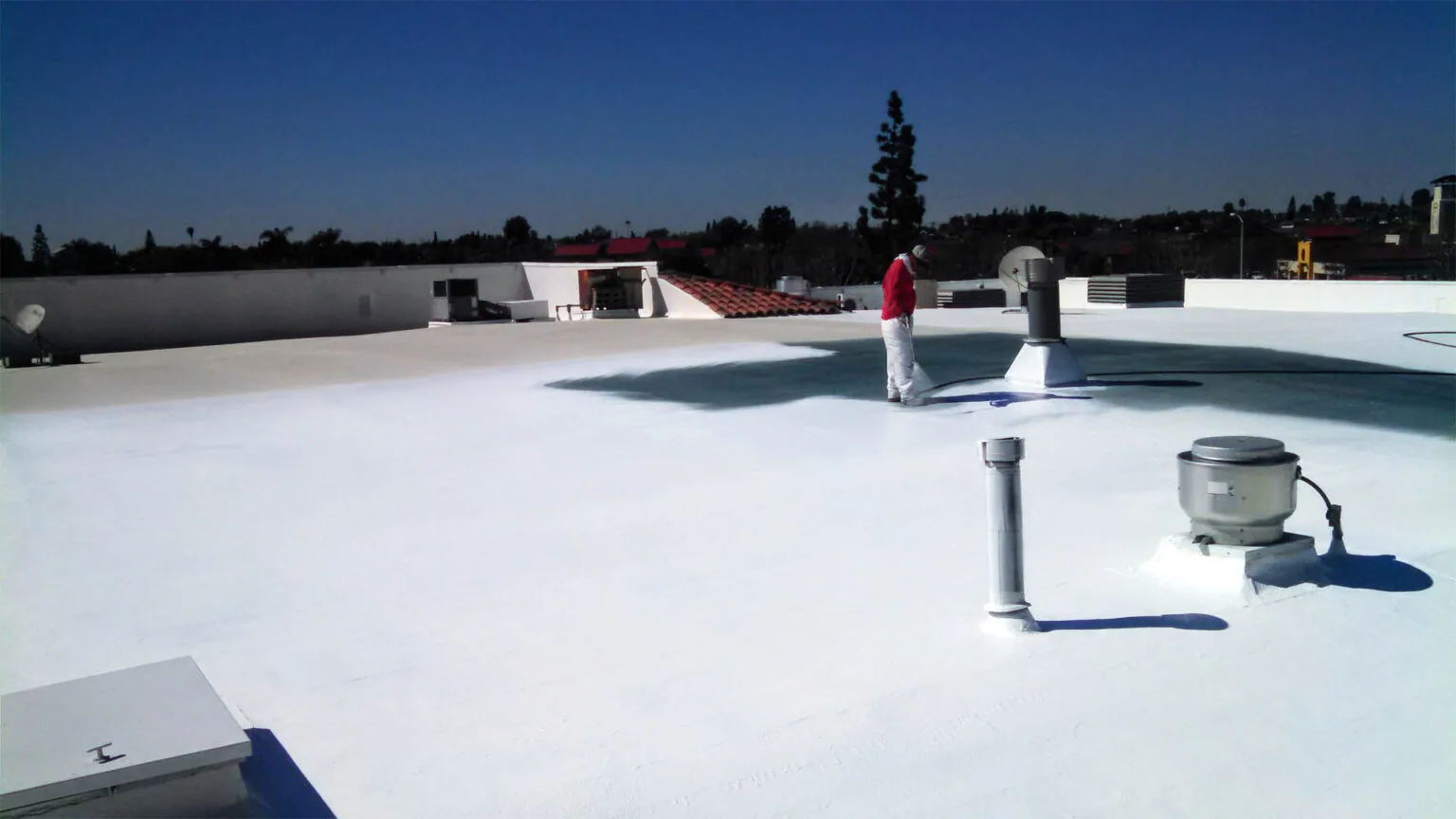
A reflective roof has to be compatible with the existing roof and the finished skylight details. A cool roof assessment checks the roof layers and the details that change with the new material or thickness. Skylight clearances and transitions may need review before the roof-wide option is ready. We list that work next to the new surface. The comparison then separates a local roof repair from a full cool roof option, instead of assuming the new surface fixes a skylight that still needs repair or new backing.
Real information about how the building is used and cooled is needed for an energy specialist to review the savings. We assess the roofing method without promising a specific result because the building is a maintenance facility. Infrared readings have to be checked against the roof build-up and survey conditions, then confirmed with core cuts where keeping the old roof depends on them. Every test cut is patched with aircraft areas protected. Your ten-year plan is more useful when each option carries all of its work, so the urgent skylight repair and an optional heat project can each be ranked on their own.
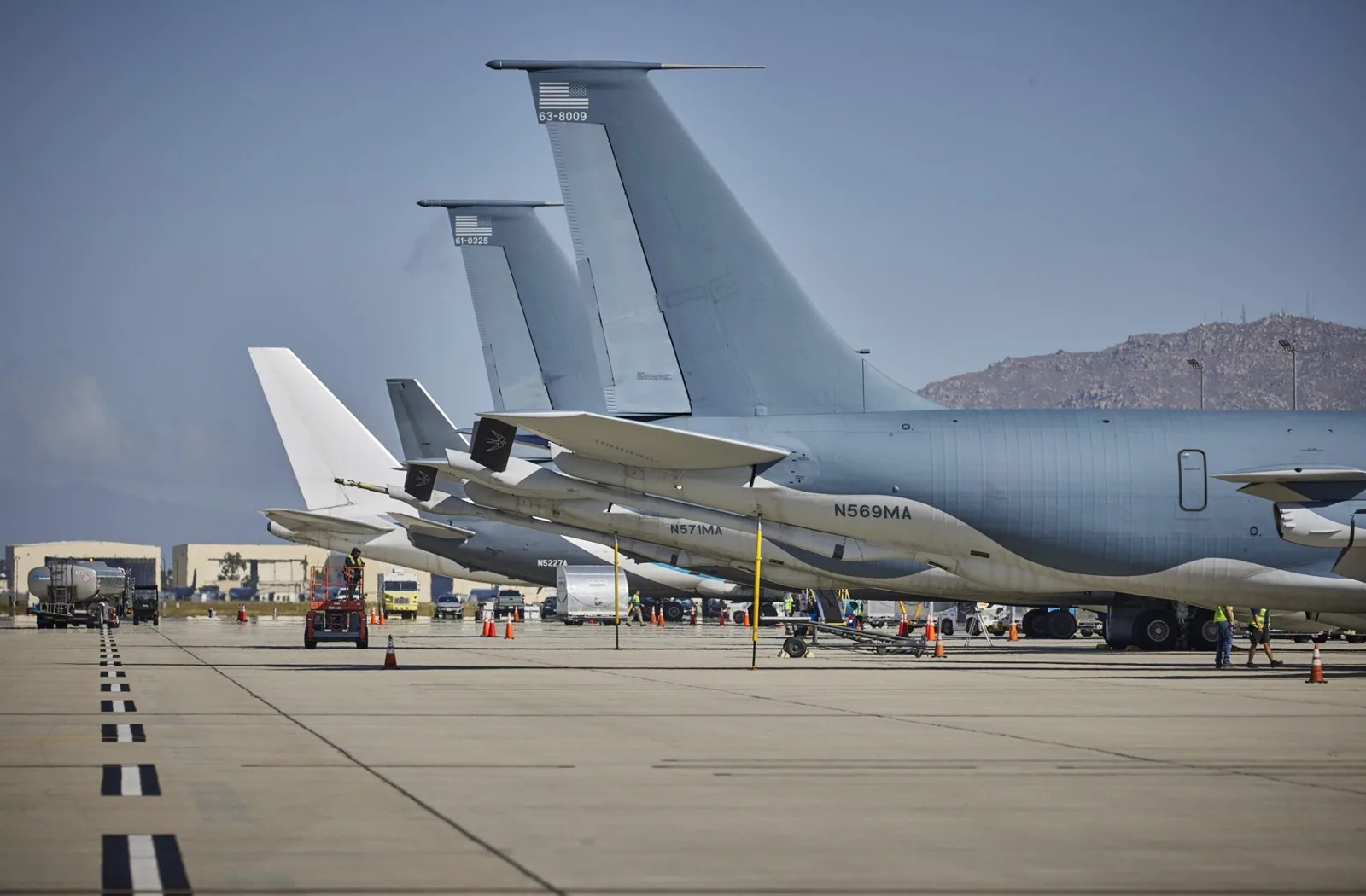
For hangar and maintenance facility roofing around March Air Reserve Base and the Meridian area, we start by identifying the building and the base contact who can approve roof work. It helps to share roof drawings, skylight locations and how aircraft areas are laid out under the planned openings. We inspect that building before recommending a permanent repair or a roof-wide option. Base staff decide access and review the work plan, and the price follows the roofing and skylight work we actually find.
A general aircraft hangar or a military warehouse may need a different protection plan under a similar roof opening. Aircraft hangar roofing follows that facility's layout. Military warehouse and depot roofing plans around stored materials. Final photos for a maintenance facility should show the finished skylight flashing, the roofing that stayed and any open items for other trades. Later projects can start from those details, keeping finished work separate from temporary seals or skylight work still waiting.
Not if the skylight itself is leaking. We check the skylight and the roofing around it. A skylight contractor handles the unit, and our repair covers sound backing and a permanent flashing at the curb.
Base facility staff. We show them the roof openings, lift locations and debris routes, and they set protection and access. Aircraft and equipment work stays with their crews.
It can make the tear-off larger or require an engineer's review before the new flashing goes on. We show the new repair area and how it affects protection and patching before going further.
The existing roof layers, skylight clearances and how the new system ties into each detail. An energy specialist should review the savings using real building information, not just the building type.
The photo record shows the finished skylight repairs and marks any temporary seals separately. Any open skylight or backing item stays listed, so the next budget goes to the repair still waiting.
Tell us which hangar it is, where the skylights are leaking and what you want from a heat upgrade. We will plan the roof repairs around the base's aircraft-area requirements and the other trades involved.
Request a Roof Assessment