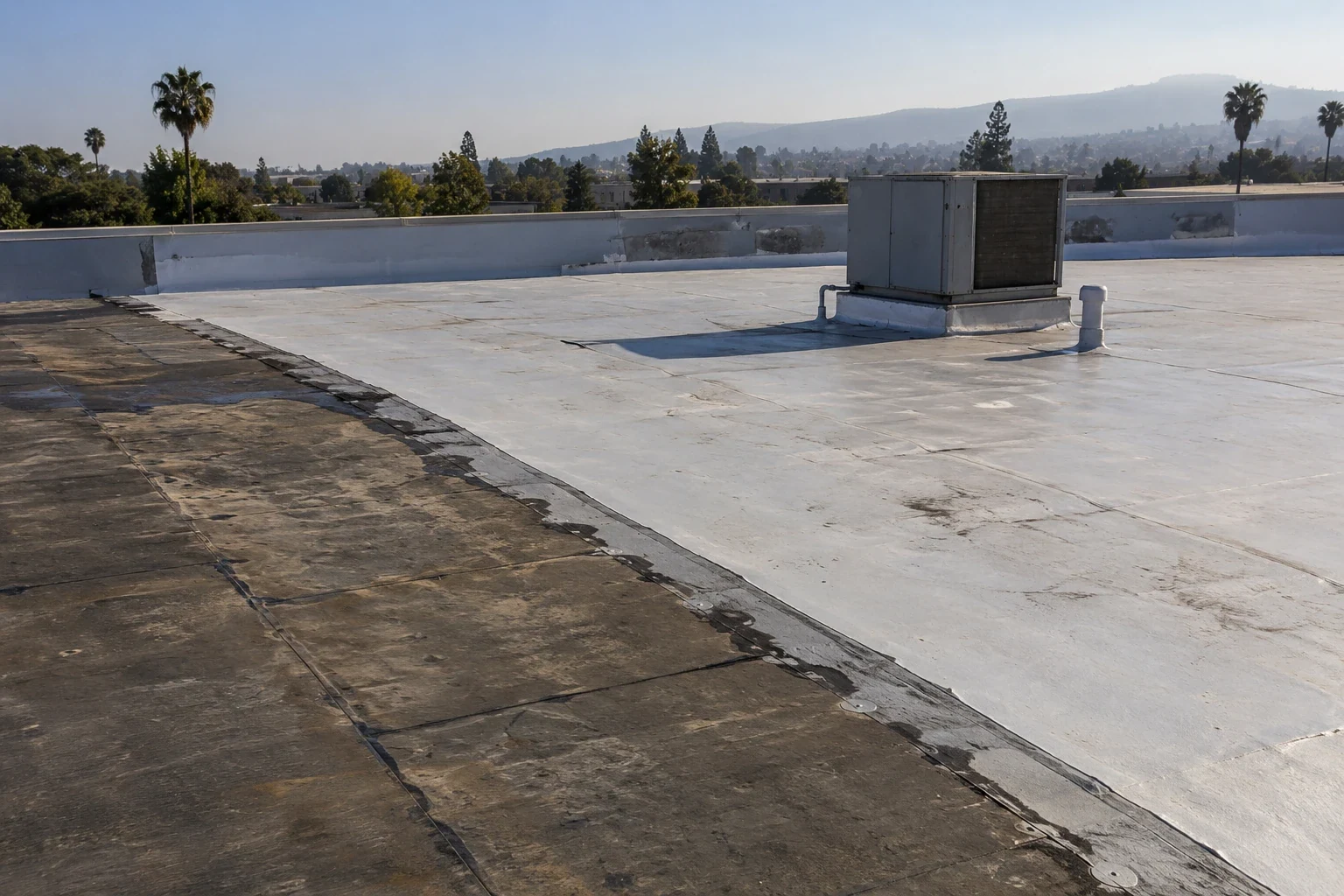
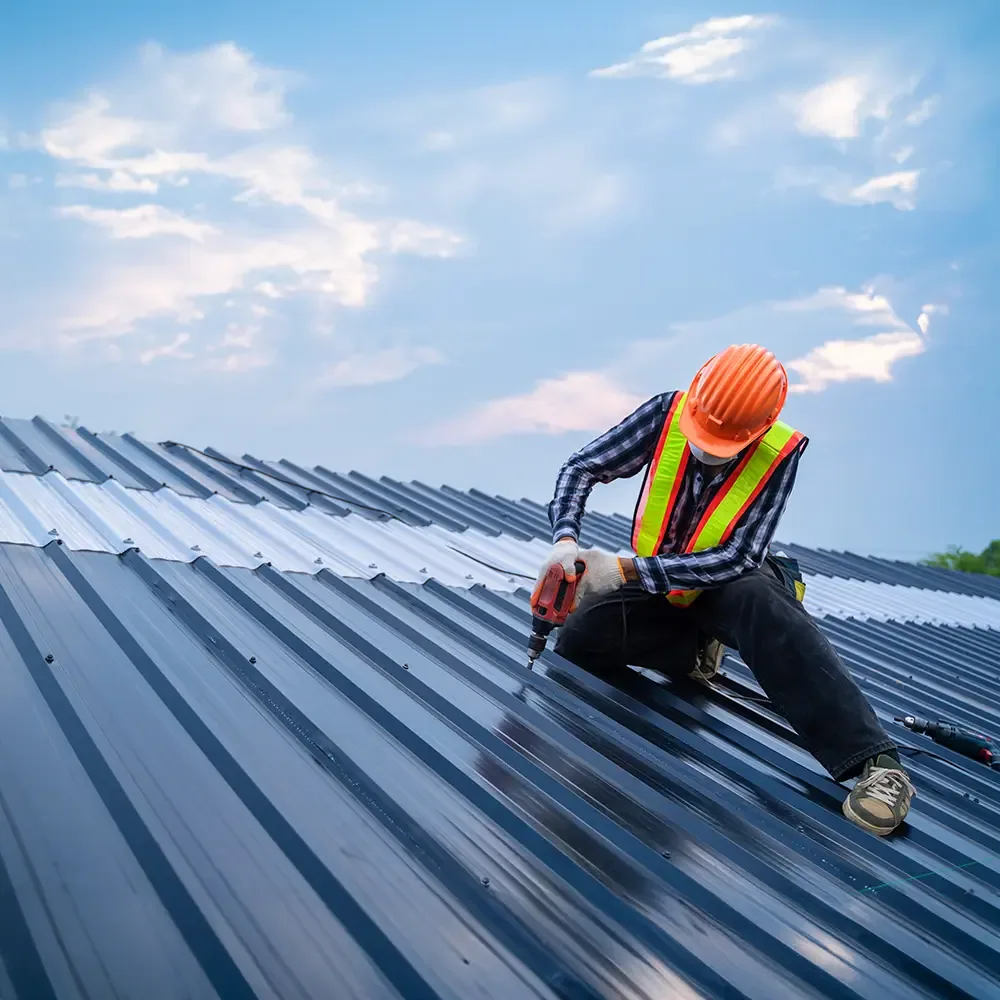
Retaining a commercial roof in Winchester can reduce removal effort, but a sun-heated surface still needs a dry and suitable assembly beneath it before recovery becomes a sound investment. We inspect, repair, recover and replace commercial roofing through our Temecula, CA operation, making the retained layers part of the spending decision. Winchester includes rural and commercial properties with varied access and roof assemblies. A recover comparison at the assigned building begins with moisture, attachment and the condition of supporting construction, followed by the interior protection required for investigation and removal.
The broad appearance of the roof cannot settle those questions. A small opening may reveal damp insulation or an unsuitable receiving layer that changes the amount of material that can remain. A lighter finish can be considered for its solar response only after the assembly is fit for the proposed work. We connect those findings with operating restrictions and construction cost so an owner can compare recovery with replacement on a complete basis.
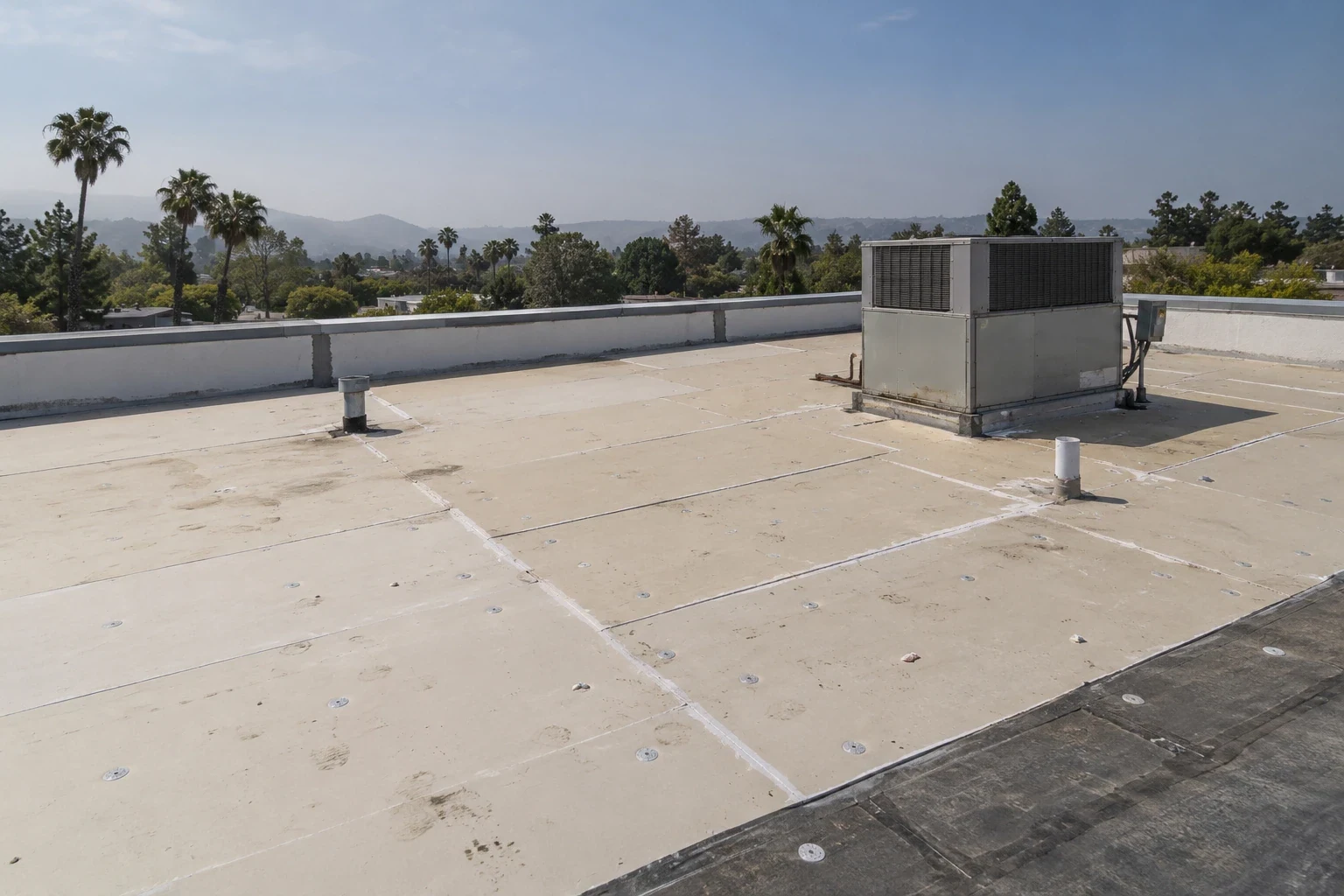
A proposed recover places new construction over material that must be suitable to retain. We examine the surface, accessible underside and previous repairs, using appropriate moisture investigation and selected openings to resolve the condition of the underlying layers. Sound appearance is one observation rather than a removal quantity. The inspection should distinguish confirmed dry and serviceable areas from wet, weak or unresolved areas before the owner relies on a retention price.
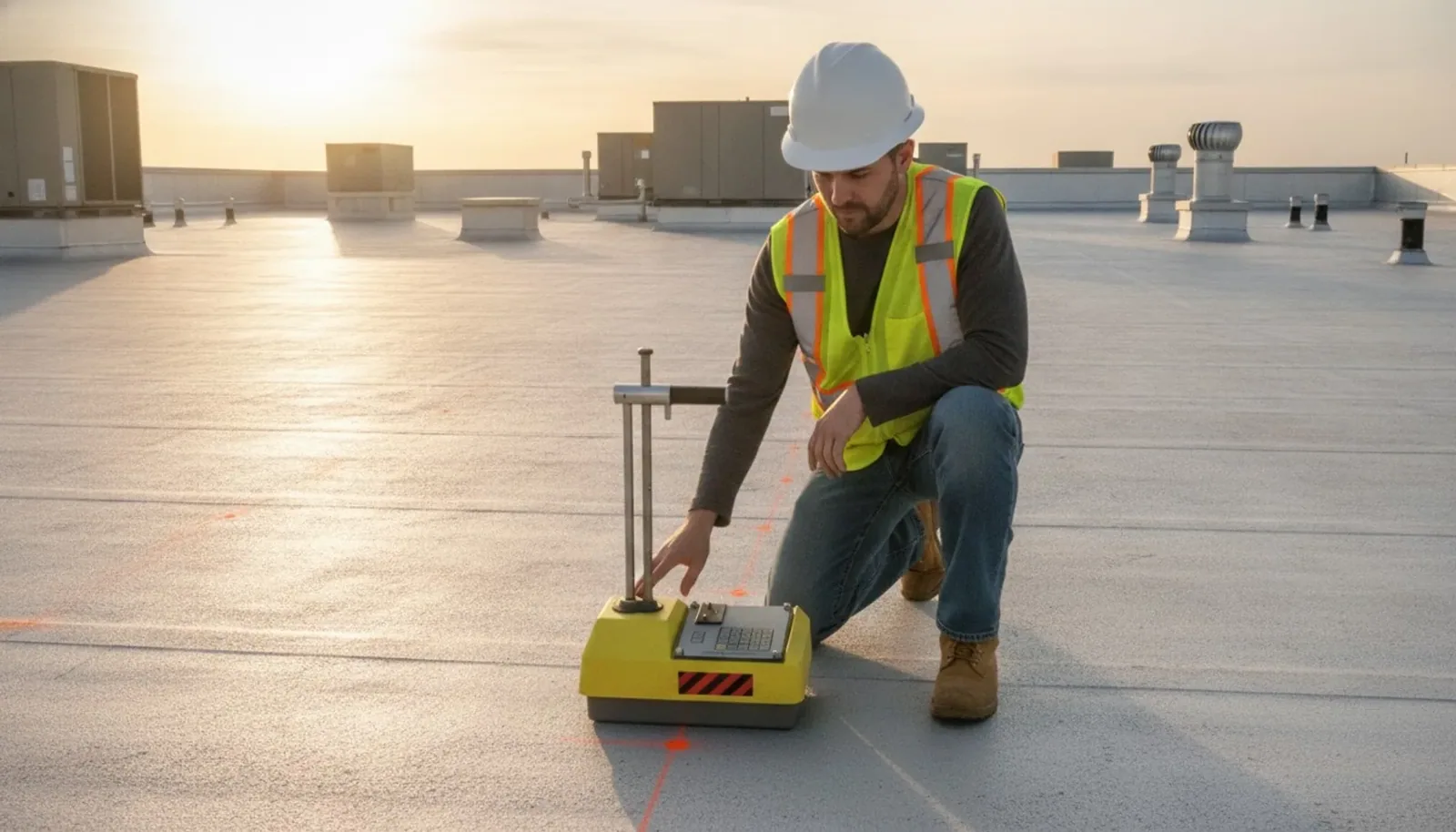
An infrared-assisted moisture investigation can help identify areas that merit confirmation under suitable conditions. Temperature patterns need interpretation and supporting examination before they become construction boundaries. We explain where an opening is necessary and how its findings change the scope. That gives the owner a practical comparison between investigation spending now and the risk of an unclear retained-material allowance becoming an unexpected removal expense during a larger project.
A new layer needs an appropriate attachment arrangement, not simply a surface to cover. We review the identified assembly and accessible supporting construction to establish how the proposed work will be secured. Weak receiving material or uncertain fastener performance can change the available option. Added layers also affect loading and transitions, which may require suitable design review before a recover is treated as a fully priced construction choice.
Our roof recovery scope includes that attachment and assembly review along with any localized removal. The comparison identifies where curbs, edges or outlets will need modification to accept the changed construction. Lower disposal effort may favor retention, but it does not eliminate these detail costs. We place them beside the replacement option so an owner can assess the total work rather than choosing an overlay based on the broad roof-field application price alone.
Confirmed moisture beneath an intact-looking membrane can require a localized opening before the rest of the roof is considered for retention. We establish the affected area and inspect the exposed receiving construction where needed. New insulation and a suitable surface must then join the retained layers at workable elevations. The permanent detail may involve more material than the visible damp spot suggests, especially where thickness changes affect an adjacent outlet or curb.
With replacement of affected roof layers, the scope includes reinstatement as well as disposal. Material choice, attachment and the connection to surrounding roofing suit the identified system. We explain the difference between that defined correction and broad removal. This helps the owner decide whether retaining sound areas remains useful once the necessary wet-material work, protection and transition costs are included in the comparison.
An investigation or removal phase above a meeting room can require protection different from work above a service space. For an assigned roof at the Francis Domenigoni Community Center address, we would confirm the affected area and access requirements with the responsible representative before planning any opening. That discussion establishes the material route, debris control and the practical amount of construction that can be exposed at one time.
A roof sequence for an occupied building accounts for temporary closure and reinstatement as part of each phase. Recovery may reduce some removal work while still requiring openings at wet areas or transitions. We show those tasks in the schedule comparison so reduced tear-off is not mistaken for an absence of interior protection needs. Smaller work phases can add setup expense, and the owner can weigh that cost against the effect on the building’s operation.
A second assignment in French Valley may have different retained layers even where recovery is proposed for both buildings. We keep moisture confirmation, attachment and detail changes specific to each roof before discussing common procurement. A shared purchasing date can be useful once the assemblies are understood, but the individual construction boundaries need to remain visible in the cost comparison.
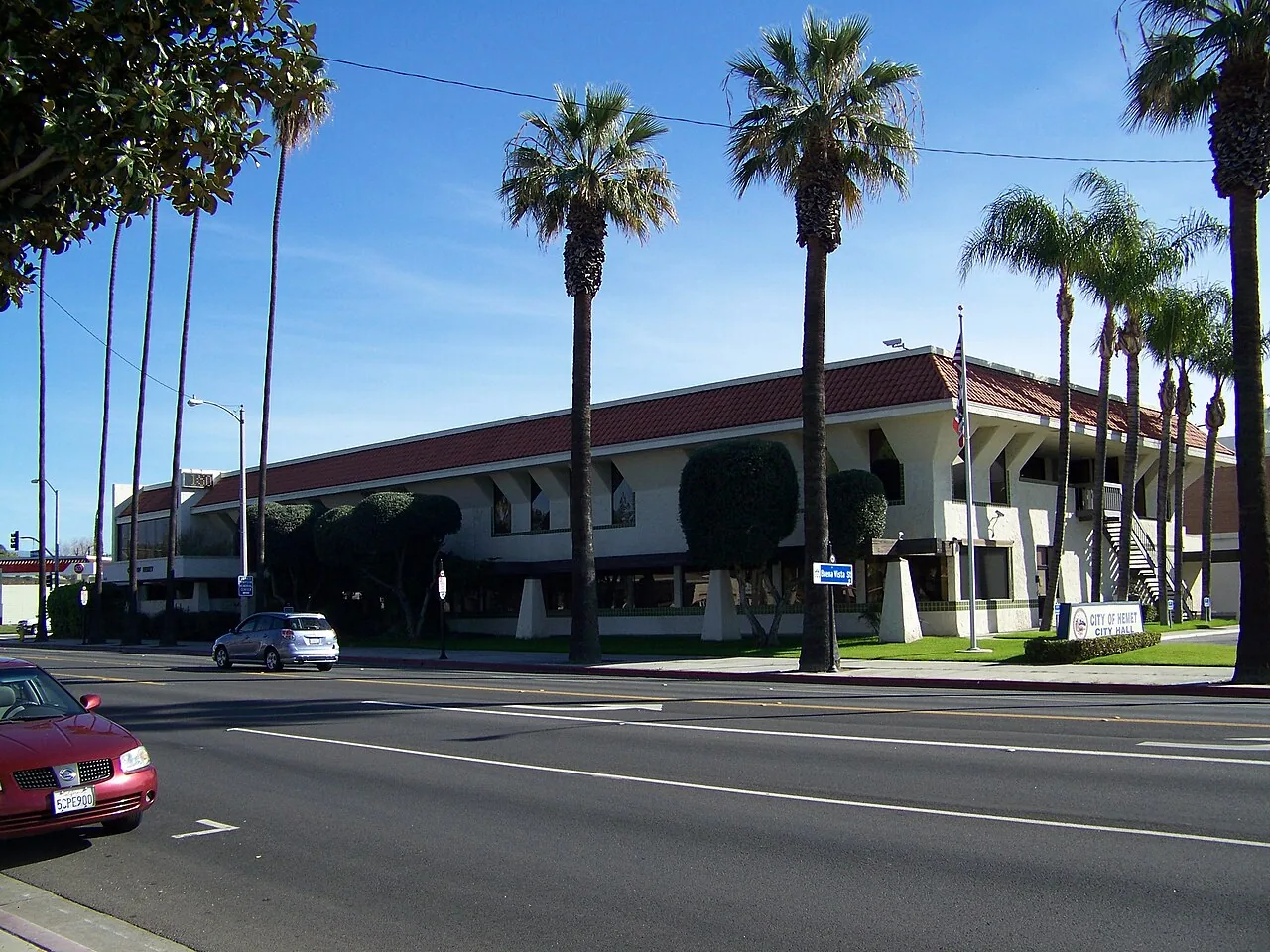
An owner including a building in Hemet can use the same decision criteria without presuming the same result. We establish immediate water control, necessary removal and the requirements of any suitable retained option before discussing a new finish. The solar benefit of reflectivity remains conditional on the building and selected surface. This sequence makes recovery a defined construction choice rather than a shortcut around unresolved material, loading or drainage questions.
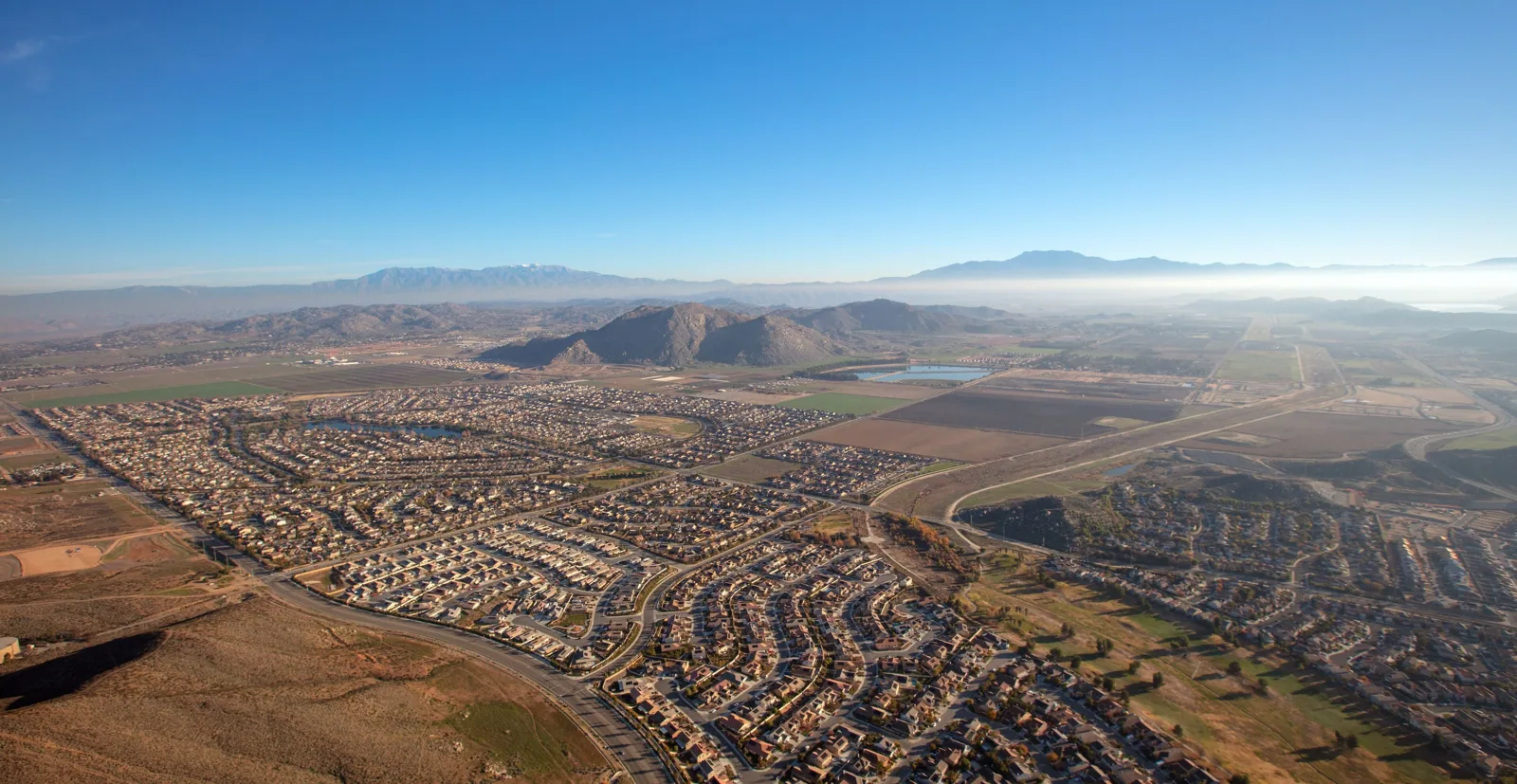
Riverside County's enlarged Winchester planning area makes current property identification important for owners whose records may use a neighboring city name. Confirm the site contact and the structure under service before a crew travels. On the roof, document material, drainage and repairs by zone, especially where an addition meets an older section. If the building has no current roof plan, create a simple marked sketch during the visit. That provides continuity for later inspections as the surrounding area develops.
Retained-material condition, attachment suitability and the requirements of the proposed assembly should be established first. We recommend the investigation needed to resolve those items and identify any design input. The recover price can then include wet-area removal and transition changes, making its comparison with replacement useful rather than relying on a broad surface allowance.
An image can identify a temperature pattern worth investigating under suitable conditions, but confirmation establishes the material condition. We explain the appropriate checks or openings before using a pattern to price removal. This avoids treating an unconfirmed variation as a wet-area quantity or leaving a suspect layer beneath new construction.
Confirmed unsuitable wet material needs an appropriate correction before the new assembly is installed there. We assess its extent and recommend removal and reinstatement where required. Nearby sound material may still support retention, but the comparison includes the work needed to join the corrected area to the rest of the roof.
Detail modifications and removal of unsuitable layers may still require openings even where the broad roof field remains. We recommend establishing those tasks and their protection requirements before selecting the work sequence. The owner can then compare the operating effect with replacement using the actual phases included in each option.
The potential solar benefit belongs after retained-layer and attachment suitability are settled. We explain how insulation, cooling operation and the selected surface influence the result. The recommendation compares recovery and replacement with their complete construction requirements, keeping a possible energy improvement from displacing necessary moisture or transition work.
Send the Winchester building address and the reason recovery is under consideration. We can examine the retained layers and compare attachment, removal and protection costs with a replacement option.
Request a Roof Assessment